Can a Landlord Charge a Cleaning Fee From the Deposit?
Moving out of an apartment often feels like a race against time, leaving you exhausted and wondering if that tiny smudge on the baseboard is going to cost you fifty dollars. The most common frustration tenants face is the unexpected "cleaning fee" deducted from their security deposit. This guide clarifies when these charges are legal, how to distinguish wear and tear from actual damage, and how to defend your refund.
Understanding the Difference Between Routine Cleaning and Excessive Dirtiness
One of the most contentious points in landlord-tenant law is the "cleanliness" standard. Most lease agreements require a tenant to leave the premises in a "broom clean" condition, but landlords often have a much higher expectation, sometimes bordering on professional detailing. To navigate this, you have to understand the legal divide between what is considered part of living in a space and what constitutes a failure to maintain it.
Normal Wear and Tear vs Actual Damage
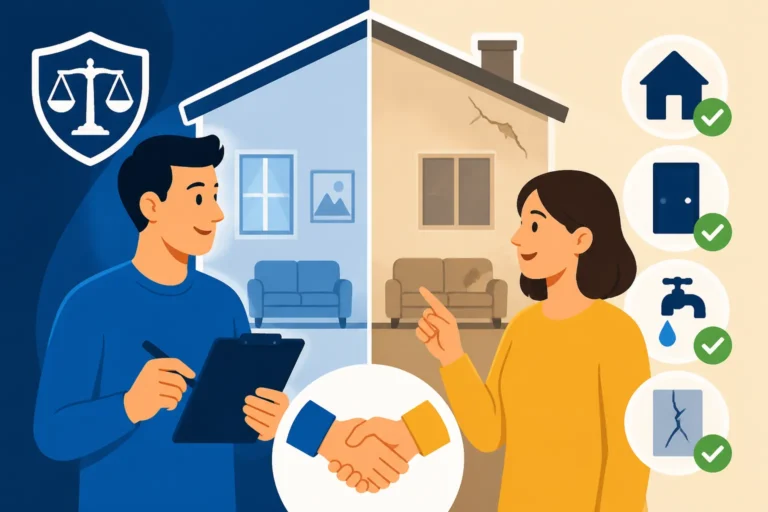
Legally, a landlord cannot charge you for "normal wear and tear." This refers to the natural deterioration of a home that occurs even when a tenant is taking good care of the property. For example, slight scuffing on the floor from walking or the faint yellowing of paint over several years is considered normal. If you have lived in a unit for three years, the carpet will naturally look a bit flatter in high-traffic areas. This is not something a landlord should deduct from your deposit.
On the other hand, "damage" or excessive dirtiness is a different story. If you’ve spilled red wine on the carpet and left a giant purple stain, or if the bathtub has a layer of soap scum so thick it requires industrial-strength chemicals to remove, the landlord may have a valid claim. Understanding the Normal Wear and Tear vs Damage: Complete Guide is essential for any tenant who wants to avoid being overcharged for things that are simply a part of life.
The Broom Clean Standard
Most courts and local ordinances define the tenant’s responsibility as leaving the unit "broom clean." This typically means that all your personal belongings and trash are removed, the floors are swept or vacuumed, the counters are wiped down, and the appliances are empty. It does not necessarily mean the unit must be "sanitized" or "professionally deep-cleaned" unless the lease explicitly stated that you received it in that condition and must return it the same way.
Imagine a scenario where a tenant, let's call her Sarah, spends six hours scrubbing her kitchen. She misses a light layer of dust on top of the refrigerator. In many jurisdictions, a landlord trying to charge $100 for a "cleaning fee" because of that dust would likely lose in small claims court. The standard is reasonableness. If the next tenant could reasonably move in without feeling like they are entering a "dirty" home, you have likely met your obligation.
When a Cleaning Fee Becomes Unreasonable
A cleaning fee becomes unreasonable when it is used as a way for the landlord to subsidize the cost of "flipping" the apartment for a new tenant. Landlords are responsible for the general upkeep of their investment. If they want to steam clean the carpets between every tenant as a matter of policy, that is usually a business expense they must bear themselves—unless the previous tenant left the carpets in a state of filth that exceeds normal usage.
If you find that your landlord is charging you for things like "dusting the ceiling fans" or "wiping the inside of the dishwasher," you should look closely at your local laws. Many tenants find that using tools like TurboTenant can help landlords and tenants stay on the same page regarding expectations, but even with the best software, human disagreement occurs. If the charges feel like "nickle and diming," they probably are.
State Laws and Legal Limits on Cleaning Deductions
The legality of a cleaning fee isn't just about the lease; it’s deeply rooted in state statutes. Every state has its own timeline and rules for how a security deposit can be handled. Some states are very tenant-friendly, placing a high burden of proof on the landlord, while others give the property owner more leeway.
Non-Refundable vs Refundable Cleaning Fees
In some states, such as California, the law is very clear: no part of a security deposit can be "non-refundable." This means that even if your lease says "Non-refundable $200 cleaning fee," that clause might be legally void. In those cases, the landlord can only keep the money if the cleaning was actually necessary to restore the unit to its original condition (minus wear and tear).
Conversely, in states like Florida or Arizona, landlords may be allowed to charge a non-refundable cleaning fee if it is clearly disclosed in the lease agreement. This is why it is vital to check the Security Deposit Laws by State (2026) to see where your specific rental falls. If you signed a lease prepared through a service like LawDepot, the language should be legally compliant for your state, but it’s still worth double-checking the specific statutes regarding "automatic" deductions.
Deadline for Itemized Statements
Regardless of whether a cleaning fee is allowed, almost every state requires the landlord to provide an itemized list of deductions within a specific window of time—usually 14 to 30 days after move-out. If they simply send you a check for $300 less than your original deposit without explaining why, they may be in violation of the law.
The Itemized Security Deposit Deduction Statement Explained is a crucial document. It should list exactly what was cleaned, the hourly rate charged (if the landlord did it themselves), or a copy of the receipt if they hired a professional service. If the landlord misses this deadline, they might forfeit their right to keep any of the deposit, even if the apartment was actually dirty.
State-Specific Variations
Some states have unique quirks. For instance, in some jurisdictions, a landlord cannot charge for carpet cleaning unless the carpet is actually stained. In others, if the landlord hasn't provided a move-in inspection report, they are barred from making any deductions for cleanliness at move-out. It is also important to know if you are entitled to Security Deposit Interest Requirements by State, as those few extra dollars can add up over a multi-year lease and should be included in your final return.
| Common Item | Normal Wear & Tear (Non-Deductible) | Excessive Dirt/Damage (Deductible) | Typical Cost Range |
|---|---|---|---|
| Carpets | Fading from sunlight, furniture indentations | Pet urine stains, cigarette burns, large spills | $150 – $500 |
| Walls | Faded paint, small nail holes (pin-sized) | Large holes, crayon marks, heavy smoke residue | $50 – $300 per room |
| Kitchen | Minor grease on stovetop from cooking | Caked-on food in oven, mold in fridge | $75 – $200 |
| Bathroom | Minor mirror spotting, old caulking | Black mold on tiles, cracked toilet, clogged drains | $50 – $250 |
| Blinds | Dust, slight yellowing | Broken slats, missing pull cords | $20 – $100 per window |
How Landlords Can Legally Justify Cleaning Charges
If a landlord decides to deduct money for cleaning, they can't just pick a number out of thin air. They must be able to justify the expense if challenged in court. This justification usually requires a combination of receipts, photos, and a clear comparison of the unit’s condition from the day you moved in to the day you moved out.
Professional Cleaning vs DIY Landlord Cleaning
Can a landlord charge you $100 an hour because they spent their Saturday scrubbing the floors? Usually, no. If a landlord performs the cleaning themselves, they are typically restricted to charging a "reasonable" hourly rate, often comparable to what a professional cleaning service in the local area would charge. They cannot use your security deposit as a "bonus" for their own labor.
If they hire a professional service, they must be able to produce a receipt. This is where things get tricky. If a landlord hires a cleaning crew to do a "standard turn" (preparing the unit for the next person) and tries to charge you the whole bill, you should object. You are only responsible for the cleaning required to fix the "extra" mess you left behind, not the general sanitization the landlord does as a matter of routine.
Documentation and Evidence
Documentation is the strongest weapon for both parties. A savvy landlord will take photos of every room before a tenant moves in and after they move out. As a tenant, you should do the same. If you don't have photos, it becomes a "he-said, she-said" situation, and judges often lean toward receipts and contemporaneous notes.
Learning How Do I Prove My Apartment Was Clean at Move-Out? is a game-changer. Take a video of the empty apartment, opening every drawer, looking inside the oven, and even showing the inside of the microwave. If you have a video timestamped on the day you handed over the keys, it is very difficult for a landlord to claim the place was a disaster area.
The Role of the Move-Out Inspection
In many states, you have the right to request a "pre-move-out inspection." This usually happens about a week before you leave. The landlord walks through with you and points out exactly what they will charge for if it isn't fixed or cleaned. This gives you the opportunity to scrub that oven or patch those holes yourself. If the landlord fails to offer this in states where it's required, or if they point out "nothing" during the walk-through but charge you later, you have a strong case for a refund. Refer to the Move-In / Move-Out Inspection Guide for a checklist of what to look for during these walkthroughs.
Common Items Landlords Often Deduct For
There are several "usual suspects" when it comes to cleaning deductions. Knowing what these are allows you to focus your energy on the areas that are most likely to result in a charge.
Carpet Cleaning and Pet Stains
Carpets are the number one source of security deposit disputes. Many landlords include a clause requiring professional carpet cleaning upon move-out. Whether this is enforceable depends on your state. However, pet odors and stains are almost always considered damage. If you have a pet, you should be prepared for the landlord to be extra diligent.
In some cases, renters insurance from a company like Lemonade might help if your pet causes significant property damage, but basic cleaning is usually an out-of-pocket expense. If a landlord claims the carpet needs to be replaced entirely due to a small stain, you should investigate Can a Landlord Charge for Carpet Replacement? to ensure they are prorating the cost based on the carpet's age.
Appliances and Kitchen Grime
The kitchen is the most labor-intensive room to clean. Landlords frequently deduct for:
- The Oven: Caked-on grease and burnt food.
- The Refrigerator: Food crumbs in the crisper drawers or sticky spills on the shelves.
- The Dishwasher: Food debris in the filter.
- Cabinets: Crumbs or rings from olive oil bottles.
While these might seem like small things, a cleaning crew might charge a flat fee for "appliance detailing," which can be surprisingly expensive. Spending an extra hour with a degreaser can save you hundreds of dollars.
Abandoned Property and Trash Removal
If you leave behind a bag of trash, an old couch you didn't want to move, or even a few cleaning supplies under the sink, the landlord can charge you for "hauling and disposal." This is often more expensive than a simple cleaning fee because it involves labor and dump fees. Always make sure the unit is completely empty. Even "gifts" for the next tenant, like a shower curtain or a spice rack, can be classified as abandoned property and lead to a deduction.
How to Prevent and Dispute Unfair Cleaning Charges
Prevention is always better than a fight, but if you find yourself staring at an unfair deduction, you need to know the steps to take to get your money back.
Documenting the Unit at Move-In
Your defense against a cleaning fee starts the day you get your keys. Never move your boxes in until you have documented the existing condition of the home. If the windows are already dusty or the carpet has a mysterious stain, write it down on your move-in checklist and take photos. If the landlord uses a management platform like TurboTenant, you can often upload these photos directly to your tenant portal so there is a permanent, dated record that both parties can see.
Using a Move-Out Checklist
Don't guess what needs to be cleaned. Ask your landlord for their specific move-out requirements. Many property managers have a standard checklist they use. If you follow their list to the letter and have the photos to prove it, they will have a very hard time justifying a fee. Common "gotchas" include:
- Wiping down the tops of baseboards.
- Cleaning the tracks of sliding glass doors.
- Replacing burnt-out lightbulbs (landlords often charge $10+ per bulb for "labor").
- Wiping out the inside of the washing machine and dryer lint trap.
Writing a Demand Letter
If the landlord has already deducted an unfair fee, your first step is a formal "Demand Letter." This is a professional letter stating that you dispute the charges, referencing your photos and state law. Often, just showing the landlord that you know your rights and have evidence is enough to make them "re-evaluate" the charge and send you a second check.
You can find a Security Deposit Demand Letter (How-To + Template) to help you word this correctly. If the demand letter doesn't work, your next step is usually small claims court. In many states, if a judge finds the landlord withheld the deposit in "bad faith," the landlord might have to pay you double or triple the original amount.
Tools to Help You Navigate the Process
Navigating the legalities of renting doesn't have to be a DIY project. There are several resources and brands that can make this process significantly easier for both tenants and landlords.
Rental Agreement Templates
If you are moving into a new place and the lease seems vague about cleaning fees, suggest using a more robust template. Services like LawDepot provide lease agreements that are specific to your state’s laws. A well-written lease will clearly define what "clean" means and whether any fees are non-refundable, which prevents "surprises" at the end of the tenancy.
Rental Management Software
For landlords, using a platform like TurboTenant is a great way to stay organized. It allows for digital move-in/move-out inspections, which can include photos and signatures from both parties. When everything is documented in a central, neutral location, the likelihood of a dispute over a cleaning fee drops significantly because the evidence is clear and accessible to everyone.
Renters Insurance and Protection
While renters insurance like Lemonade is primarily for protecting your personal belongings and providing liability coverage, it is an essential part of the "responsible tenant" toolkit. While it won't pay for you to scrub the floors, having insurance shows a landlord that you are a serious, responsible tenant. Furthermore, if a "cleaning" issue is actually the result of a covered peril (like a sudden pipe burst that caused mold), your insurance might be the key to resolving the situation without it coming out of your security deposit.
By understanding the "broom clean" standard, documenting everything from day one, and knowing your state's specific laws, you can move out with confidence. Most landlords aren't out to get you; they just want their property returned in a condition that allows them to rent it again quickly. When you meet them halfway with a clean unit and solid evidence, everyone wins.
Disclaimer
This guide is provided for informational purposes only and does not constitute legal advice. Landlord-tenant laws are subject to frequent changes and vary significantly by state and local jurisdiction. If you are facing a legal dispute regarding your security deposit or cleaning fees, it is highly recommended that you consult with a qualified attorney or a local tenants' rights organization to discuss the specifics of your case.