Can My Landlord Charge Me for Water/Utilities?
It’s incredibly frustrating to get an unexpected bill, especially when it comes to something as essential as water or utilities in your rental. You just want to know what's fair, what's legal, and what your landlord can actually charge you for. This comprehensive guide is here to unravel the complex world of utility billing for tenants, helping you understand your rights and responsibilities so you're never caught off guard again.
Understanding Utility Billing Basics in Rentals
Navigating utility charges in a rental property can feel like deciphering a secret code. It’s not always as simple as paying your own electric bill directly. Sometimes, you're paying a portion of a larger bill, and sometimes you're not even sure how that portion is calculated. Let’s break down the fundamental ways utilities are billed in rental units.
Master Metering vs. Submetering
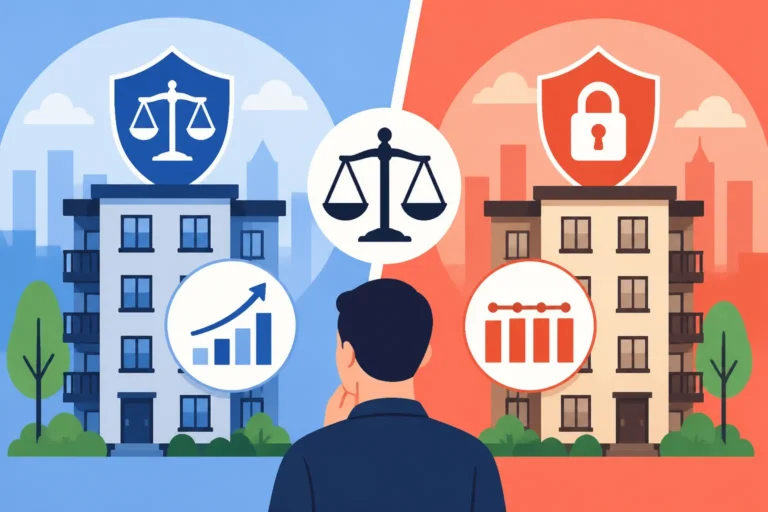
One of the biggest factors determining how you're charged for utilities is the type of metering system in place at your rental property. This distinction is crucial because it dictates the landlord's method of charging and the transparency you can expect.
Master Metering: The Shared Bill Scenario
Imagine living in an apartment building where only one main meter tracks the water usage for all the units combined. This is what we call master metering. In this setup, the entire property receives a single utility bill from the service provider – be it for water, gas, or electricity. As a tenant, you won't have a direct account with the utility company. Instead, your landlord or property management company receives the master bill and then typically distributes the costs among the tenants. This can feel inherently unfair to many renters. Why should your diligent efforts to conserve water matter if your next-door neighbor takes three hour-long showers a day? This shared responsibility can lead to tension and feelings of being overcharged, especially if you believe your personal usage is far less than what you're being asked to pay. Some states, like California, have very specific regulations about how landlords can pass on master-metered utility costs, often requiring detailed disclosures and strict adherence to certain allocation methods.
Submetering: Individual Tracking
On the flip side, submetering offers a more individualized approach. In a submetered property, each rental unit has its own meter, specifically tracking its consumption of water, electricity, or gas. While the property might still have a master meter, the submeters allow for precise measurement of each tenant's usage. This means that if you're mindful of your electricity consumption, your bill should reflect those efforts, rather than being influenced by a neighbor's energy-intensive habits. Sometimes, the landlord will set up direct accounts with the utility company for each submetered unit, meaning you pay the utility provider directly, just like a homeowner. Other times, the landlord might still receive the master bill and then bill you based on your submeter's readings, often adding a small administrative fee, which must be clearly stated in your lease and adhere to state laws. The benefit here is clear: you pay for what you use, providing a fairer and more transparent billing experience, similar to what you'd find in a single-family home rental.
Lease Agreement Clauses and Disclosures
Your lease agreement isn't just a document that tells you when rent is due; it's the rulebook for your tenancy, including how utilities are handled. It's absolutely critical to understand what your lease says about water and other utility charges before you sign on the dotted line, and certainly before you move in.
What to Look For in Your Lease
When you're reviewing your lease, pay extremely close attention to any sections labeled "Utilities," "Additional Charges," or "Tenant Responsibilities." This is where your landlord should clearly outline which utilities are included in your rent (if any), and which you are responsible for. It should specify how you will be charged for those utilities. For instance, if you're in a master-metered building, the lease should explain the allocation method — is it based on the number of occupants, the square footage of your unit, or a flat fee? It should also disclose any administrative fees for billing or processing. If the lease is vague, or if it simply says "tenant pays all utilities" without further detail in a master-metered scenario, that's a huge red flag. A properly drafted lease for a master-metered property should lay out the specific formula or methodology used to calculate your share of the utility costs. This level of detail helps prevent misunderstandings and disputes down the road.
Required Disclosures from Landlords
Beyond what's explicitly stated in the lease, many states have laws that require landlords to make specific disclosures about utility billing. These disclosures are designed to protect tenants and ensure transparency. For example, in some jurisdictions, if a landlord uses a Ratio Utility Billing System (RUBS), they might be legally obligated to provide a written explanation of the RUBS formula, an example calculation, and even access to the master utility bills upon request. This allows you to verify that the charges are being calculated correctly and not being inflated. Some states also have specific rules about whether landlords can mark up utility costs or only charge the actual cost. Ignoring these disclosure requirements can be a serious legal misstep for landlords and provides a strong basis for tenants to dispute charges. Always check your state and local landlord-tenant laws to understand what disclosures your landlord is required to provide.
When Your Landlord Can Legally Charge for Water and Utilities
It's common for tenants to assume that all utilities are their responsibility, but the legalities around how a landlord charges can be quite intricate. Depending on the setup and your state's laws, there are several scenarios where a landlord can indeed pass on utility costs to you.
Direct Billing in Separately Metered Units
This is often the most straightforward and least contentious method of utility billing in a rental. When your unit has its own dedicated meter for a utility, such as electricity, gas, or even water, it means your usage is tracked independently of other units in the building.
Individual Accounts with Utility Providers
In this ideal scenario, you, as the tenant, simply set up an account directly with the utility company (e.g., your local power company, water department, or gas provider). Think of it like owning a home; you're responsible for your own consumption, and the bill comes straight to you. Your landlord has no involvement in the billing process beyond ensuring the meter is in place and perhaps assisting with the initial setup if needed. This method is often seen in single-family rental homes, duplexes where each side is individually metered, or newer apartment complexes designed with separate metering for each unit. This provides full transparency, as your bill directly reflects your usage, and you have direct control over your account, including managing payments and inquiring about usage fluctuations.
Landlord as a "Reseller" of Utilities
While less common for primary utilities like electricity, some landlords in submetered properties might act as a "reseller" of utilities. This means the landlord still receives a master bill, but then uses your individual submeter readings to calculate your specific charge. In such cases, the landlord typically sends you a separate bill for your utility usage. It's critical for tenants to understand if this is the case, as many states have strict rules about how landlords can re-bill utilities. For instance, landlords generally cannot mark up the cost of the utility; they can only charge you what the utility company charges them for your specific consumption, plus any legally allowed administrative fees. Tools like RentRedi can help landlords manage these complex billing processes transparently, allowing them to accurately track individual unit usage and generate clear invoices for tenants without adding illegal markups. This method requires strong communication and clear documentation to ensure fairness for both parties.
Allocating Costs in Master-Metered Properties (RUBS)
When a property has a single master meter for a utility (most commonly water and sewer, but sometimes gas or electricity in older buildings), the landlord can't simply send you an individual bill from the utility company because there isn't one. Instead, they often use an allocation method, with Ratio Utility Billing Systems (RUBS) being the most common.
How RUBS Systems Work
RUBS systems are designed to fairly distribute the cost of a master-metered utility among tenants in a multi-unit property. While the intention is good, the execution and perceived fairness can vary wildly. Common factors used in RUBS calculations include:
- Occupancy: Your share might be based on the number of people living in your unit. For example, a two-person household might pay double what a one-person household pays, regardless of actual usage.
- Square Footage: Your utility bill could be proportional to the size of your apartment. A larger unit often means a larger share of the overall bill, assuming more space equates to more usage.
- Number of Bedrooms: Similar to occupancy, this assumes a certain number of occupants per bedroom, thus allocating costs based on unit size and potential resident count.
- Fixture Count: Some systems allocate based on the number of water-using fixtures in your unit (toilets, sinks, showers).
Let's say a landlord receives a $1,000 water bill for a 10-unit building. If they use an occupancy-based RUBS system and there are a total of 20 residents in the building, each resident might be allocated $50 ($1,000 / 20 residents). If your unit has 2 residents, your water bill would be $100. This method, while attempting to be fair, often leads to frustration because individual conservation efforts might not feel adequately rewarded, especially if other tenants are wasteful. Some states, like Texas, allow RUBS but require clear disclosure in the lease, while others, like Massachusetts, have much stricter limitations or outright prohibitions on RUBS for certain utilities.
Legality and Scrutiny of RUBS
The legality of RUBS systems varies significantly from state to state, and sometimes even by city or county. In places where RUBS is permitted, there are usually stringent requirements for disclosure and methodology. Your lease should explicitly state that a RUBS system is in use, detail the exact formula or factors being used for calculation, and explain any associated administrative fees. If your landlord uses a RUBS system, you have the right to scrutinize the charges. You should be able to request to see the master utility bills to ensure the total amount being charged to tenants doesn't exceed the actual bill the landlord received. Landlords using property management software like RentRedi can provide tenants with easy access to these details, enhancing transparency and trust. If you suspect the RUBS calculation is unfair or deviates from the lease terms, you have grounds to dispute it. Knowing How to Dispute Security Deposit Deductions principles can also apply to disputing utility charges: document everything, communicate in writing, and cite your lease and local laws.
Common Area Utilities
Beyond the utilities directly consumed within your apartment unit, many multi-unit rental properties have shared spaces that require utilities to operate. These are known as common area utilities, and landlords typically can pass on a portion of these costs to tenants.
What Qualifies as Common Area Utilities
Common area utilities are those necessary for the upkeep and function of shared spaces that all tenants benefit from. This can include:
- Hallway Lighting: The electricity used to light corridors, stairwells, and entryways.
- Laundry Room Utilities: Water, electricity, and gas for shared washing machines and dryers.
- Fitness Center/Lounge Utilities: Heating, cooling, and electricity for amenity spaces.
- Outdoor Lighting: Lighting for parking lots, pathways, and building exteriors.
- Landscaping Water: Water used for irrigation of shared green spaces.
- Shared Hot Water Heaters/Boilers: In some older buildings, a central system provides hot water or heat to all units, and the fuel cost for this system is considered a common area utility.
These are services that benefit the entire community, and it's generally accepted that tenants contribute to their cost.
How Common Area Charges are Typically Handled
Charges for common area utilities are almost always outlined in your lease agreement. They might be:
- Included in Rent: The simplest method, where the landlord simply factors these costs into the base rent, and you don't see a separate line item.
- Separate Flat Fee: Your lease might specify a fixed monthly fee that covers your share of common area utilities.
- Pro-rata Share: Similar to RUBS, the landlord might divide the common area utility bill based on factors like your unit's square footage or the number of occupants.
For example, your lease might state a $30 monthly "common area utility fee," or it might explain that 5% of the total building's electricity bill is allocated to common areas and then divided equally among the 20 units. It's crucial that your lease clearly spells out how these charges are assessed. If it's a separate fee, ensure you understand the calculation method. These charges are usually legal, provided they are reasonable, disclosed in advance in the lease, and not used by the landlord to make a profit. Just like with individual unit utilities, if you feel these charges are excessive or not clearly defined, your lease is your first point of reference.
What a Landlord Cannot Legally Charge For or How
While landlords have the right to pass on legitimate utility costs under certain conditions, there are clear lines they cannot cross. Many tenant protections exist to prevent landlords from overcharging, imposing hidden fees, or using utilities as a means of control. Understanding these limitations is key to protecting yourself.
Undisclosed Charges and Surprise Bills
Imagine moving into an apartment, diligently paying your stated rent and the few utilities you set up directly, only to be hit with an unexpected, vaguely explained bill for "water usage" months later. This kind of surprise is not only frustrating but often illegal.
The Importance of Lease Transparency
The golden rule in landlord-tenant law is that if it's not in the lease, it generally can't be charged. Any utility charge, whether for water, gas, electricity, or trash, must be clearly and unambiguously stated in your written lease agreement. This includes not just what you're responsible for, but also how that cost will be determined (e.g., direct bill, RUBS formula, flat fee). If your lease says nothing about you paying for water, and you haven't agreed to it through a separate addendum, your landlord typically cannot retroactively bill you for it. This is why a thorough review of your lease before signing is paramount. Look for phrases like "tenant is responsible for all utilities," and if you see them, ask for clarification on how that responsibility will be met for each utility, especially if there's no individual metering.
The Illegality of Surprise Fees
A landlord cannot invent new fees or suddenly start charging for a utility that was previously included in the rent without proper notice and a lease amendment, or, in a month-to-month tenancy, proper notice of a rent increase that incorporates these new costs. For example, if your lease states that water is included, your landlord can't suddenly send you a bill for water halfway through your lease term without changing the terms of your lease, which usually requires mutual agreement. Even if a utility is mentioned, a landlord cannot add on arbitrary "processing fees" or "convenience fees" that are not detailed in the lease and allowed by state law. These unexpected charges undermine the trust between landlord and tenant and are a common cause for disputes. Always refer back to your signed lease and What to Include in a Lease Agreement to ensure charges are legitimate.
Excessive or Unfair Billing Practices
Beyond simply disclosing charges, the way a landlord calculates and presents utility costs must also adhere to principles of fairness and legal limits. This is where many tenants feel taken advantage of, particularly in master-metered properties.
Prohibited Markups on Utility Costs
One of the most significant protections for tenants is the general prohibition against landlords making a profit on utilities. In most states, if a landlord re-bills utilities (meaning they receive a master bill and then charge tenants), they can only charge you the actual cost of your consumption. They cannot add a percentage markup to generate extra income. For example, if the master water bill for the building is $500, and your allocated share is $50, the landlord cannot charge you $60 for that $50 share just because they feel like it. Any administrative fees charged for the service of billing must also be reasonable and clearly outlined in the lease, and some states even cap these fees or prohibit them entirely. If you're being charged for utilities and suspect your landlord is inflating the costs, you have the right to request documentation, such as the original master utility bills, to compare against your charges. Landlords who use reliable property management systems often find it easier to provide this transparency.
Unfair RUBS Application and Lease Violations
While RUBS systems can be legal, their application can sometimes be unfair or even violate the terms of the lease or state law. If a RUBS formula disproportionately burdens certain tenants, or if the landlord changes the formula without proper notice or consent, it could be grounds for a dispute. For instance, if a landlord allocates water costs based on square footage, but there's a significant leak in a common area bathroom that runs for weeks, tenants are effectively paying for the landlord's neglect of a maintenance issue. Similarly, if your lease specifies an occupancy-based RUBS, but the landlord consistently miscounts occupants or fails to adjust for changes, the billing becomes inaccurate. It's also illegal for a landlord to shut off utilities if you dispute a charge, even if you withhold the disputed amount from your rent. Cutting off essential services like water or electricity is a severe form of Illegal Self-Help Eviction Lockouts & Utility Shutoffs and carries significant penalties for landlords.
Self-Help Shutoffs and Retaliation
This is a critically important area of tenant protection. No matter how frustrated a landlord might be with a tenant, or how much a tenant might owe, a landlord can never legally shut off a tenant's utilities to force them out or pressure them into paying.
The Illegality of Utility Shutoffs
Access to essential utilities like water, heat, and electricity is part of the "implied warranty of habitability" – the legal guarantee that your rental unit is safe and livable. When a landlord intentionally cuts off these services, it's considered a self-help eviction. This is illegal in all states and can result in severe penalties for the landlord, including significant fines and, in some cases, liability for damages equal to several months' rent or actual damages, whichever is greater. Even if a tenant is behind on rent or utility payments, the landlord must follow the legal eviction process. They cannot take matters into their own hands by disconnecting services. If your landlord threatens or actually shuts off your utilities, contact a local tenant rights organization or legal aid immediately.
Retaliatory Actions for Utility Disputes
It's also illegal for a landlord to retaliate against a tenant who asserts their rights regarding utility billing. For example, if you legitimately dispute an unfair water charge, and in response, your landlord refuses to make necessary repairs, increases your rent disproportionately, or tries to evict you without cause, that could be considered Landlord Retaliation After a Repair Request. Many states have laws that protect tenants from such actions, often stipulating a period (e.g., 60 to 180 days) during which certain landlord actions are presumed to be retaliatory if they occur after a tenant complains about habitability or enforces their rights. If you suspect retaliation, document everything: dates, times, communications, and the specific actions taken by your landlord. This evidence will be crucial if you need to pursue legal action.
Your Rights as a Tenant Regarding Utility Charges
As a tenant, you're not powerless when it comes to utility billing. You have specific rights designed to ensure fairness and transparency. Knowing these rights and how to exercise them can make a huge difference in avoiding unfair charges and resolving disputes.
Reviewing Your Lease and Utility Addendums
Your lease is your primary defense and your guide. Before you do anything else, you need to understand exactly what you've agreed to.
Step-by-Step Lease Examination
When tackling your lease, don't just skim. Get a highlighter and systematically go through every clause related to utilities, fees, and tenant responsibilities. Look for:
- Specific Utility Mentions: Does it list water, sewer, gas, electricity, trash, internet separately? Which ones are included in rent, and which are your responsibility?
- Billing Method: If you're responsible for a utility, does it explain how you'll be charged? Is it direct billing, a RUBS system, a flat fee, or a pro-rata share?
- RUBS Formula: If a RUBS system is mentioned, is the specific formula or allocation method detailed (e.g., based on occupancy, square footage, number of bedrooms)? Is an example calculation provided?
- Administrative Fees: Are there any additional fees for the landlord to manage utility billing? Are these amounts fixed or a percentage?
- Notice Requirements: Does the lease outline any notice periods for changes to utility billing or for increasing utility-related fees?
- Dispute Process: Does it mention how to dispute charges? (Though most leases won't, it's good to check).
If anything is unclear, ambiguous, or missing, make a note of it. This is your foundation for any discussion or dispute. Remember, your lease also dictates aspects like Security Deposit Deductions: Full List of Allowed Charges, so a comprehensive understanding of all clauses is vital.
What Questions to Ask and How to Document
If, after reviewing your lease, you still have questions or find ambiguities, don't hesitate to ask your landlord or property manager for clarification. Do so in writing (email is great) so you have a record. For instance, if your lease states you pay for water but doesn't explain the method, ask: "Could you please clarify how water usage is billed? Is it submetered, or do you use a Ratio Utility Billing System? If RUBS, what is the exact formula used to calculate my portion?" Always keep copies of all communications, whether it's an email, a certified letter, or even notes from a phone call. This documentation is invaluable if a dispute arises. Creating a system for tracking your conversations and any documents related to your tenancy, similar to how you would How to Document Your Apartment at Move-In, can save you a lot of headaches down the line.
Requesting Documentation and Usage Records
Transparency is a cornerstone of fair utility billing. If your landlord is charging you for a utility, especially in a master-metered property, you have a right to understand how those charges are derived.
Your Right to See Master Utility Bills
If your landlord is using a RUBS system or any other allocation method for a master-metered utility, you generally have a right to inspect the original master utility bills from the service provider. This allows you to verify that the total amount being charged to tenants aligns with what the landlord is actually being billed. For example, if your landlord charges $1,200 for water across all units, but the master bill from the city water department is only $800, that's a clear red flag that markups or unfair calculations might be occurring.
To request this documentation, send a written request to your landlord. Be polite but firm. State that you would like to review the past X months of master utility bills for the specific service (e.g., water/sewer) that you are being charged for. Give them a reasonable timeframe to respond (e.g., 7-10 business days). Landlords using modern property management platforms like RentRedi are often equipped to easily share these types of documents digitally, making the process much smoother and more transparent for everyone involved. Keeping detailed records of your requests and any responses you receive is crucial for your personal records.
How to Review and What to Look For
Once you receive the master bills, compare the total charges on those bills with the total amount your landlord is collectively charging all tenants. The total amount charged to tenants for that utility should not exceed the master bill (plus any legally permitted administrative fees, if applicable and disclosed in your lease). Also, examine the dates on the master bill to ensure they correspond to the billing period you're being charged for. If you notice significant discrepancies or believe the allocation method isn't being applied correctly based on your lease, you have a solid basis to dispute the charges. This process empowers you to ensure you’re not paying more than your fair share.
Disputing Unfair or Incorrect Charges
Discovering an unfair or incorrect utility charge can be incredibly frustrating. The good news is you have avenues to dispute these charges and seek a resolution.
Initial Communication with Your Landlord
The first step is always to communicate directly with your landlord or property manager. Do this in writing. Craft a clear, concise letter or email outlining your concerns. Reference your lease agreement, specifically the sections pertaining to utilities. Explain why you believe the charge is incorrect or unfair, citing any discrepancies you found after reviewing master bills or comparing charges to your actual usage if submetered. For example, you might write: "I am disputing the water charge for March 2026 of $120. As per Clause 5b of my lease, water is allocated based on a 2-person occupancy. I have reviewed the master bill for March, and my calculated share based on the disclosed formula should be $85, not $120." Attach any supporting documentation, like your lease, copies of master bills (if you have them), or photos if the issue relates to a leak. Request a specific resolution, such as a credit to your account or a recalculation of the charge.
Escalating the Dispute
If your landlord is unresponsive, dismissive, or refuses to correct an unfair charge, you'll need to escalate.
- Send a Demand Letter: Consider sending a formal Security Deposit Demand Letter How-To + Template can be adapted to utility disputes. This is a more formal written request, often sent via certified mail, stating your intent to pursue further action if the issue isn't resolved.
- Contact Tenant Rights Organizations: Many cities and states have non-profit tenant rights organizations that offer free or low-cost advice and mediation services. They can help you understand specific local laws and guide you through the next steps.
- Government Agencies: Your local housing authority or consumer protection agency might be able to intervene or offer guidance. They often have departments that handle landlord-tenant disputes related to unfair billing practices.
- Small Claims Court: As a last resort, if the amount in dispute is substantial and you have clear evidence, you may consider taking your landlord to small claims court. This is often where issues related to Suing a Landlord for Your Deposit Small Claims & Penalties are resolved, and similar principles apply to utility disputes. Be prepared with all your documentation, including your lease, communications, and any proof of unfair charges.
State-Specific Regulations and Best Practices
It's impossible to overstate this: landlord-tenant law, particularly concerning utilities, is incredibly localized. What's perfectly legal in one state might be a serious violation in another. Always verify the rules in your specific location.
Key States with Specific Utility Billing Laws
While the general principles of transparency and fairness apply, individual states have carved out specific regulations that dictate how landlords can charge for water and other utilities.
- California: California is known for having some of the most comprehensive tenant protections. For master-metered utilities, landlords often must offer submetering or use a specific allocation method that complies with state law. Disclosures are strict, and landlords generally cannot profit from reselling utilities. There are even specific energy disclosure requirements when a tenant is responsible for electric or gas. In some cities, like Los Angeles, additional rules may apply regarding the passing on of utility costs.
- New York: New York, especially New York City, has complex laws. In many cases, landlords of multi-unit buildings are required to provide heat and hot water as part of the rent. If utilities are to be paid by the tenant, they must typically be separately metered. RUBS systems are often prohibited for residential tenants in certain areas or under specific circumstances. For example, if your landlord has an individual meter for each unit, you might get a separate bill, but if it's a single building meter, tenants cannot be charged separately for water or sewage. This is why knowing the specifics of Security Deposit Interest in New York or Rent Control in New York City is just as important as knowing utility laws there.
- Massachusetts: In Massachusetts, landlords generally cannot charge tenants for water and sewer in most residential units unless certain conditions are met, primarily related to separate metering for each unit and specific fixtures. They cannot shut off utilities for non-payment of rent, making this a critical tenant protection. If you have questions about utilities or Maximum Security Deposit in Massachusetts, local tenant advocacy groups are a great resource.
- Texas: Texas allows landlords to charge for water and wastewater using various allocation methods, including submetering and RUBS, provided these methods are clearly outlined in the lease. However, landlords cannot charge administrative fees for utility billing that exceed 8% of the actual cost of the utility for that billing period, or a set amount defined by statute (currently $25), whichever is less. Landlords are also generally required to provide tenants with a copy of the utility bill from which their charges are derived, if requested.
- Florida: In Florida, landlords can charge tenants for utilities if specified in the lease. While not as restrictive as some other states, landlords cannot profit from the resale of utilities. Submetering is common, but if a landlord is allocating master-metered services, the method must be reasonable and clearly disclosed. Any administrative fees must also be reasonable.
This table provides a general overview of common utility billing methods and their implications for tenants. Keep in mind that specific rules and regulations vary greatly by state and even local municipality.
| Billing Method | Description | Common Utilities | Tenant Pays Utility Provider Directly | Landlord Bills Tenant Directly | Pros for Tenant | Cons for Tenant |
|---|---|---|---|---|---|---|
| Direct Billing (Submetered) | Each unit has its own meter; tenant sets up account with utility company. | Electricity, Gas, Water | Yes | No | Pays for exact usage, full transparency, control | Initial setup required, responsible for full bill |
| Landlord Re-billing (Submetered) | Each unit has its own meter; landlord receives master bill, then bills tenant based on submeter readings. | Electricity, Gas, Water | No | Yes | Pays for exact usage, still fairly transparent | Potential for administrative fees, relies on landlord's honesty |
| Ratio Utility Billing System (RUBS) | Master-metered property; landlord allocates costs based on factors like occupancy, square footage, etc. | Water, Sewer, sometimes Gas | No | Yes | No direct setup needed | Less transparent, individual conservation less impactful, potential for unfairness |
| Included in Rent | Utility cost is factored into the monthly rent payment. | Water, Heat, Trash | No | No | Simplest, predictable, no separate bills | No incentive for conservation, cost is hidden |
| Flat Fee | A fixed monthly charge for a specific utility, regardless of usage. | Water, Trash | No | Yes | Predictable cost | No incentive for conservation, can be unfair if usage is low |
| Common Area Allocation | Tenants pay a portion of utilities for shared spaces (hallways, laundry rooms). | Electricity, Water, Gas | No | Yes (often within rent or separate fee) | Contributes to shared amenities | Can be opaque, often bundled with other charges |
Proactive Steps for Tenants
The best defense against unfair utility charges is a good offense. Being proactive and informed can save you a lot of grief and money.
Document Everything at Move-In
Before you even turn on a light switch, thoroughly document the condition of your apartment when you move in. This includes taking photos and videos of utility hookups, any existing meters, and the general condition of the plumbing or electrical systems. If you notice a leaky faucet or a constantly running toilet during your Move-In / Move-Out Inspection Guide, report it immediately in writing to your landlord. Not only is it a repair issue (which falls under Landlord Repair Responsibilities What They Must Fix), but it could also directly impact your water bill if you're responsible for it, even if allocated via RUBS. This documentation helps prove that any excessive usage wasn't due to your negligence but rather a pre-existing condition or a maintenance issue that the landlord should address.
Keep Records of All Payments and Communications
Treat utility bills and communications like gold. Maintain a meticulous record of every utility bill you receive, every payment you make, and every piece of correspondence with your landlord regarding utilities. This includes emails, certified letters, and even notes from phone conversations (with dates and times). Use a secure system, whether it's a physical folder or a digital archive. This paper trail is your strongest ally if you ever need to dispute a charge or prove your case in a formal setting. For example, if you're on a RUBS system and you ask for the master bill, keep a record of your request and their response. If your landlord uses a tenant portal like RentRedi, utilize it to track your payments and view any shared documents regarding utility breakdowns.
Understand Your Local Ordinances
Beyond state laws, many cities and counties have their own specific ordinances regarding tenant utility billing. These local rules can sometimes offer even greater protections than state law. For instance, some cities might have strict caps on administrative fees for utility re-billing, or they might outright prohibit certain RUBS methods. A quick search for "[Your City] tenant utility rights" or contacting your local housing authority can provide invaluable information. Being knowledgeable about these hyper-local rules empowers you to effectively challenge any landlord practices that don't comply. This vigilance ensures you're not paying for your landlord's ignorance or intentional overcharges.
Disclaimer
Please note that this guide provides general information about landlord-tenant laws regarding utility charges. Landlord-tenant laws vary significantly by state, county, and city, and are subject to change. This content is not intended as legal advice. For specific legal guidance regarding your situation, please consult with a qualified attorney in your jurisdiction or a local tenant rights organization.