Rent Control in New York City
Living in New York City is an experience like no other, but it comes with its own unique set of challenges, and arguably one of the biggest headaches for tenants is the ever-present anxiety around rising rents. It feels like every time your lease is up, you're bracing for another significant increase, making it harder and harder to afford to stay in the neighborhoods you love. This guide is here to shed light on a crucial topic for many NYC residents: rent control and rent stabilization, explaining what they mean for your wallet and your rights as a renter in this demanding city.
Understanding Rent Control and Rent Stabilization in NYC
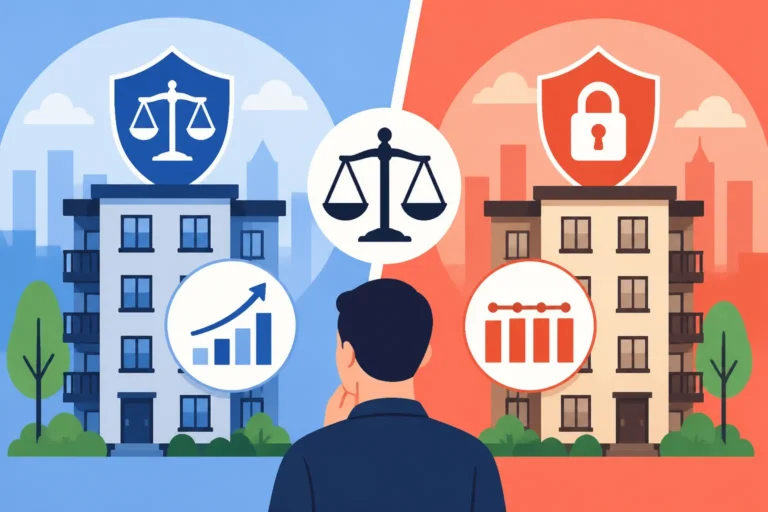
It's easy to get these two terms mixed up, and honestly, landlords often rely on that confusion. But understanding the difference between rent control and rent stabilization is absolutely crucial if you want to protect yourself from unfair rent hikes in New York City. These regulations are designed to provide a degree of affordability and stability for tenants, but they apply to very specific types of apartments.
The Key Differences: Control vs. Stabilization
Let's break down the nuances because they are significant. When people talk about "rent control" in NYC, they often use it as a catch-all for any apartment with protected rent. However, true rent control is actually quite rare these days. We're talking about a vestige of post-World War II emergency housing laws. To qualify for true rent control, a tenant generally needs to have been living in the same apartment continuously since July 1, 1971, or have inherited the tenancy from a family member who did. These apartments are typically in buildings constructed before 1947, and the tenant or their family must have been in occupancy since before 1953. The rent increases are extremely limited and are governed by a maximum base rent (MBR) system, reviewed every two years. If you're living in a genuinely rent-controlled apartment, you're holding onto a piece of history, and your rent increases will be minimal compared to the market.
Rent stabilization, on the other hand, is far more common and affects hundreds of thousands of apartments across the city. This system began in 1969 to address a housing shortage and is regularly renewed and modified by state legislature, most recently with the Housing Stability and Tenant Protection Act of 2019. Rent-stabilized apartments are typically found in buildings constructed before January 1, 1974, that contain six or more units. They can also include buildings built later if they received special tax benefits, such as J-51 or 421-a abatements, which require them to offer rent-stabilized leases. Unlike rent control, where increases are tied to an MBR, rent increases for stabilized units are set annually by the NYC Rent Guidelines Board (RGB) for one-year and two-year lease renewals. This means your landlord can't just hike up the rent to whatever they want; there are specific percentages they must adhere to. The system is complex, but it provides a vital buffer against the sky-high market rates common in neighborhoods like Manhattan's Upper West Side or Brooklyn's Bushwick.
Eligibility for Rent Control and Rent Stabilization
So, how do you figure out if your apartment falls under one of these protections? It's not always obvious, and landlords aren't always forthcoming.
For rent control, as mentioned, the criteria are very stringent. You generally need to be a continuous tenant (or successor) in the same unit since July 1, 1971, in a building constructed before 1947, and the tenancy must have existed prior to 1953. Because of these strict requirements, the number of truly rent-controlled units dwindles every year. If you suspect your apartment might be rent-controlled, it's often because your rent is significantly lower than similar units in your neighborhood, and you've been there for decades.
Rent stabilization has broader eligibility, but it still requires some digging. The most common criteria are:
- The building was built before January 1, 1974, and has six or more apartment units. This is the big one.
- The building was built after 1974 but received a tax abatement, like a J-51 or 421-a, which mandates rent stabilization. These tax benefits are often given to developers for renovating or constructing buildings, and in exchange, they must keep a certain number of units rent-stabilized for a period.
- The apartment was formerly rent-controlled and became vacant. These units automatically convert to rent stabilization.
To determine if your apartment is rent-stabilized, the best first step is to contact New York State Homes and Community Renewal (HCR), the agency that oversees these programs. You can request your apartment's rent history by filling out a form, and they will provide you with a detailed record. This history will show past rent increases, any registrations with HCR, and whether the apartment has ever been stabilized. If you're just moving into a building, you can also ask your landlord for the lease rider that explicitly states if the unit is rent-stabilized. Don't be shy about asking – this is your right. Remember that apartment search platforms like StreetEasy or Zillow might sometimes indicate if a unit is stabilized, but it's always best to verify directly with HCR.
Here's a quick overview of the distinctions:
| Feature | Rent Control | Rent Stabilization |
|---|---|---|
| Eligibility | Tenant in same unit since 1971 (or family successor); building built pre-1947. | Building built pre-1974 with 6+ units OR received certain tax abatements. |
| Prevalence | Very rare (tens of thousands) | Widespread (hundreds of thousands) |
| Rent Increases | Governed by Maximum Base Rent (MBR) system, reviewed biennially. | Set annually by the NYC Rent Guidelines Board (RGB) for 1- or 2-year leases. |
| Tenancy | Often generational, long-term occupancy. | Can apply to new tenants as long as the unit remains stabilized. |
| Vacancy | Unit generally remains controlled until tenant leaves. | Unit typically remains stabilized even after tenant leaves. |
Navigating Rent Increases Under NYC Regulations
Even with rent control or stabilization, it's not a free pass. Landlords have legal ways to increase rent, and sometimes they try illegal ones. Knowing the rules empowers you to challenge questionable charges and protect your tenancy.
How Rent Increases Are Determined
For rent-stabilized apartments, the NYC Rent Guidelines Board (RGB) is the ultimate authority on annual increases. Each year, usually in June, the RGB votes on the permissible percentage increases for one-year and two-year lease renewals. These percentages apply to leases beginning on or after October 1st of that year. For instance, in a recent cycle, the RGB might have allowed a 2.75% increase for a one-year lease and a 5.25% increase for a two-year lease. Your landlord cannot charge more than these approved percentages on your renewal lease. It’s critical to remember that if your lease started in January, your renewal rent increase would be based on the RGB guidelines in effect for leases beginning after October 1st, applying to your renewal period.
Beyond these annual RGB increases, landlords of rent-stabilized units can sometimes get additional increases through two specific mechanisms:
- Major Capital Improvements (MCIs): These are building-wide upgrades that benefit all tenants, like a new roof, boiler, or elevator. Landlords can apply to HCR for a temporary rent surcharge to recoup a portion of these costs. This increase is typically spread over many years and is added on top of your regular RGB increase. However, the 2019 housing laws significantly curtailed MCIs, limiting the amount landlords can pass on and making them temporary rather than permanent additions to the rent.
- Individual Apartment Improvements (IAIs): If a tenant moves out and the landlord makes substantial improvements to an apartment, they can claim an IAI. The 2019 laws also limited these, capping the amount a landlord can spend and how much of that cost can be passed on to a new tenant as a permanent rent increase. Historically, IAIs were a major way landlords destabilized units, but now they are less impactful.
For rent-controlled apartments, the increases are much more predictable and less frequent. They are typically tied to the Maximum Base Rent (MBR) system, which is adjusted every two years by HCR. This system takes into account operating and maintenance costs, property taxes, and other factors to set a cap on the rent. Landlords can only raise the rent to the MBR if they are providing essential services and maintaining the building in good condition.
Common Landlord Tactics and How to Respond
Unfortunately, not all landlords play by the rules. Many try to skirt regulations or outright ignore them, especially with the hope of converting rent-stabilized units to market-rate.
One of the most common issues is an illegal rent increase. This could be a landlord asking for more than the RGB-approved percentage for a stabilized unit, or failing to properly justify an increase in a controlled unit. If you receive a renewal lease with a rent increase that seems too high, or if your landlord claims your unit is no longer stabilized without clear justification, you need to act. Always check the official RGB guidelines for the year your lease is set to renew. If the proposed increase exceeds these, you have a strong case.
Another tactic involves harassment to force tenants out. This can manifest in many ways: refusing to make necessary repairs, initiating frivolous eviction proceedings, or creating uninhabitable conditions. For example, a landlord might delay fixing a leaky ceiling for months or let a pest infestation go unchecked, hoping you'll get fed up and leave. This is a form of constructive eviction, and it's illegal. You have a right to a habitable apartment under the Implied Warranty of Habitability Explained. Document everything meticulously. Keep records of all communication, photos of the issues, and dates of incidents. If your landlord consistently fails to address issues, you might need to How to Request Repairs in Writing and consider filing a complaint with HPD.
Some landlords might try to claim your rent-stabilized apartment is now deregulated because the rent crossed a certain threshold, or because of prior renovations. The 2019 housing laws largely eliminated vacancy decontrol, which allowed landlords to deregulate units once the rent hit a specific amount upon vacancy. Now, virtually all rent-stabilized apartments remain stabilized, even after a tenant moves out, unless specific, narrow conditions are met for high-rent vacancy deregulation that still exist for a very small number of units. This makes it harder for landlords to remove units from the stabilization program.
It's also not uncommon for landlords to charge various extra fees that may or may not be legal. You might encounter things like "convenience fees" for online rent payments or excessive late fees. Familiarize yourself with Late Fee Laws & Limits by State to know what's permissible. If you suspect an illegal increase, it's crucial to understand What to Do About an Illegal Rent Increase. Remember, using an organized system like RentRedi to pay your rent and communicate with your landlord can create a clear, documented history of your payments and interactions, which is invaluable if you ever need to dispute a charge or prove compliance.
Your Rights and Resources as an NYC Tenant
Understanding your rights is half the battle; knowing where to turn for help is the other. New York City has robust tenant protections, but you need to know how to access them.
Essential Tenant Rights
As a tenant in a rent-controlled or rent-stabilized apartment, you have several fundamental rights designed to ensure stability and fair treatment:
- Right to a Renewal Lease: If you are in a rent-stabilized apartment, your landlord must offer you a renewal lease with the RGB-approved increase. They cannot simply refuse to renew your lease without a legally valid cause, such as a lease violation or owner occupancy. This stability is one of the biggest benefits of rent stabilization.
- Right to a Habitable Apartment: This is perhaps the most fundamental right of any tenant in New York State, regardless of rent regulation status. Your landlord is legally obligated to maintain your apartment and building in a safe and livable condition. This means providing heat and hot water, addressing leaks, exterminating pests, and ensuring the structural integrity of the building. If they fail to do so, you have the right to demand repairs. You can learn more about this through the Implied Warranty of Habitability Explained.
- Protection Against Harassment and Retaliation: Landlords cannot harass you to try and force you out of your apartment, nor can they retaliate against you for exercising your tenant rights (e.g., requesting repairs or organizing with other tenants). Harassment can include intentional neglect of repairs, repeated unjustified lawsuits, or threats. If you experience retaliation, you can report your landlord through official channels. Learn more about How to Report a Landlord Code Violations & Retaliation.
- Security Deposit Protections: New York State law caps security deposits at one month's rent. Landlords must return your security deposit within 14 days of you moving out, providing an itemized statement for any deductions. If your landlord withholds your deposit unfairly or past the deadline, you have options for recourse. A good resource for this is How to Get Your Security Deposit Back. Additionally, for general information, review Maximum Security Deposit Limits by State.
- Timely Notice for Rent Increases: Even for market-rate units, landlords in NYC must provide sufficient notice for rent increases. For stabilized units, this notice is typically part of your lease renewal offer. However, knowing your Rent Increase Notice Periods by State is important for all tenants.
Where to Find Help and Information
Navigating the complexities of NYC landlord-tenant law can feel overwhelming, but you don't have to do it alone. Numerous resources are available to help you understand your rights and take action.
- New York State Homes and Community Renewal (HCR): This is the primary state agency overseeing rent regulation. HCR can provide your apartment's rent history, investigate complaints of overcharges, and offer guidance on rent-controlled and rent-stabilized units. Their website is a treasure trove of forms and information.
- NYC Department of Housing Preservation and Development (HPD): HPD is responsible for enforcing housing quality standards. If your landlord isn't making repairs, or if there are unsafe conditions in your building, you can file a complaint with HPD. They can issue violations and, in severe cases, initiate emergency repairs themselves, charging the landlord.
- Tenant Advocacy Groups: Organizations like the Met Council on Housing, Legal Aid Society, or New York Legal Assistance Group (NYLAG) provide free or low-cost legal assistance and organizing support for tenants. They often have walk-in clinics or hotlines where you can get advice. These groups are invaluable for tenants facing eviction, harassment, or illegal rent hikes.
- Community Boards and Elected Officials: Your local community board or city council member's office can often provide resources, referrals, and sometimes even mediate disputes with landlords.
- Online Platforms and Apps: Keeping meticulous records is paramount. While not a government agency, using a robust platform like RentRedi for rent payments and communication can create an ironclad digital trail. It ensures that every payment is recorded, and every message to your landlord is time-stamped, which is invaluable evidence if you ever need to dispute a claim or document an issue. For more general advice on documentation, see Rent Receipts & Payment Records.
Practical Steps for Rent-Controlled or Stabilized Tenants
Being a proactive tenant is your best defense against unfair practices. There are concrete steps you can take to protect your tenancy and ensure your landlord adheres to the law.
Document Everything
This cannot be stressed enough: documentation is your superpower as an NYC tenant. Assume that any dispute with your landlord might eventually end up in housing court, and prepare accordingly.
- Keep Records of All Communication: Whether it's a repair request, a question about your lease, or a complaint about a building issue, put it in writing. Email is great because it creates a clear timestamp. If you must communicate by phone, follow up with an email summarizing the conversation. For example, if you call your landlord about a persistent leak, immediately send an email stating, "Following up on our call today, [date, time] regarding the leak in my kitchen ceiling. As discussed, the leak is still active, and I request that it be fully repaired by [date]."
- Photograph and Video Evidence: Before you move in, during your tenancy, and when you move out, take extensive photos and videos of your apartment's condition. This is crucial for distinguishing Normal Wear and Tear vs Damage: Complete Guide and ensuring your Move-In / Move-Out Inspection Guide is thorough. If a problem arises, document it with pictures and videos, noting the date and time. This visual evidence can be incredibly powerful in proving conditions, especially if your landlord claims tenant-caused damage.
- Maintain Financial Records: Keep copies of all lease agreements, lease renewals, rent receipts, and any other financial transactions with your landlord. This includes proof of security deposit payments. Digital records are convenient, but also consider having physical copies of key documents. This will be invaluable if you ever need to challenge an illegal rent increase or dispute deductions from your security deposit. When paying rent, especially if you use a service like RentRedi, make sure you keep the confirmation emails and any in-app notifications. These platforms make it easier to track your payments and communications, providing a clear audit trail should you ever need it.
- Log Incidents: Keep a written log of any incidents, big or small, that impact your tenancy. This could be a timeline of repair requests, instances of noise from neighbors, or any perceived harassment from your landlord or building staff. Include dates, times, specific details, and names of anyone involved.
Challenging Unlawful Practices
If you believe your landlord is violating rent control or stabilization laws, or engaging in illegal practices, you have avenues for challenging them.
- File a Complaint with HCR or HPD: As discussed, these agencies are your first line of defense. HCR handles rent overcharge complaints and issues related to lease renewals for stabilized tenants. HPD handles complaints about housing conditions and landlord failures to make repairs. Filing a complaint initiates an investigation and puts your landlord on notice.
- Send a Demand Letter: Sometimes, a formal letter from a tenant, especially one that cites specific laws, can be enough to get a landlord to comply. You can send a security deposit demand letter if your deposit is being unlawfully withheld. This can also apply to illegal rent increases, citing the relevant RGB guidelines.
- Consider Legal Action: If informal complaints and letters don't work, you might need to pursue legal action. For minor disputes, small claims court can be an option, especially for security deposit issues. If the situation is more complex, such as persistent harassment, a significant overcharge, or a failure to provide essential services, you might need to consult with a tenant lawyer. Tenant attorneys specialize in these cases and can guide you through the process, potentially recovering damages for you. For example, if your landlord wrongfully withholds your security deposit, you might be able to sue them in small claims court, as outlined in Suing a Landlord for Your Deposit (Small Claims & Penalties).
- Seek Tenant Organizing Support: In some buildings, tenants organize collectively to address systemic issues with a landlord. There is strength in numbers, and tenant unions or associations can exert significant pressure. Organizations like the Met Council on Housing can provide guidance on how to organize effectively.
Remember, the laws are complex and change, but your fundamental rights to a safe, habitable, and fairly priced home are robust in New York City. Stay informed, stay organized, and don't be afraid to assert your rights.
Disclaimer
This guide provides general information about landlord-tenant laws in New York City and is not intended as legal advice. Laws can change, and individual situations vary greatly. For specific legal guidance regarding your tenancy, always consult with a qualified attorney or tenant advocacy organization in New York State.