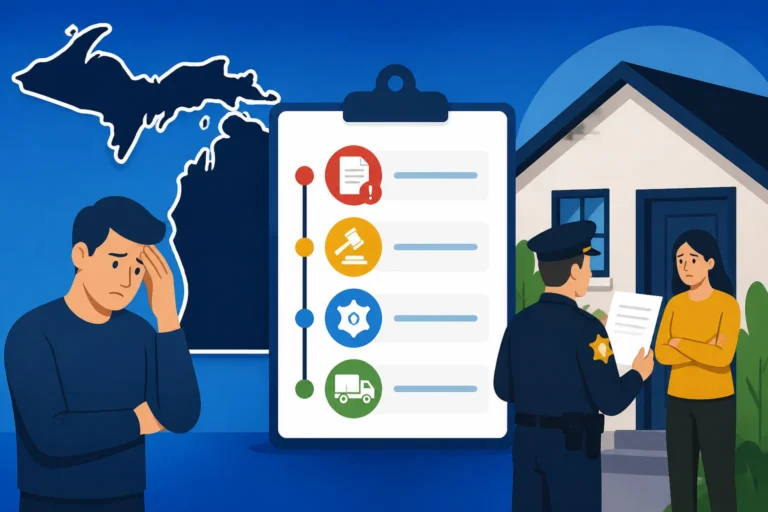
Can I Be Evicted for Being One Day Late on Rent?
The fear of being late on rent, even by a single day, is a crushing weight many tenants carry. You worry about angry phone calls, exorbitant late fees, or worse—a notice taped to your door that spells eviction. It’s a completely understandable concern, especially when every dollar counts and housing feels so precarious. This guide will walk you through the realities of being one day late on rent, what your landlord can and cannot do, and how to protect yourself.
The Short Answer: Usually No, But It's Complicated
Let's cut right to the chase: In most cases, you won't be immediately evicted for being just one day late on rent. The legal eviction process is lengthy, expensive for landlords, and governed by strict tenant protection laws that prevent such swift and severe action. However, being one day late can trigger other consequences, most notably late fees, and it puts you on your landlord's radar.
It’s a common misconception that if rent is due on the 1st and you don't pay until the 2nd, you're suddenly facing homelessness. That's rarely how it works in the real world, thankfully. Landlord-tenant laws are designed with a series of steps to ensure due process. No landlord can simply kick you out because your payment didn't clear at midnight on the due date.
Understanding Rent Grace Periods
One of the biggest reasons you won't typically face immediate eviction is the concept of a grace period. A grace period is a short window of time after the official rent due date during which you can still pay your rent without incurring a late fee. These periods are not universally mandated by law, but they are very common in lease agreements and sometimes required by state or local ordinances.
For instance, many leases include a grace period of three to five days. If your rent is due on the 1st, a five-day grace period means you have until the 6th to pay without penalty. After that, late fees can be applied. It's vital to remember that a grace period doesn't mean your rent isn't "due" on the 1st; it simply means there's a buffer before financial penalties start. Some states, like Texas, have a statutory grace period of at least one full day before a landlord can charge a late fee, regardless of what the lease says. This is why understanding Rent Grace Periods & When Rent Is Late is so important.
Lease Agreements are Key
Your lease agreement is the foundational document that outlines the terms of your tenancy, including when rent is due, what constitutes a late payment, and any associated fees. This is where you'll find the specific details about your rent payment schedule and any grace periods. It's crucial to read your lease thoroughly, not just when you sign it, but also when you have questions or concerns about rent payments.
Many leases will explicitly state something like, "Rent is due on the 1st of each month. A grace period of five calendar days is provided. If rent is not received by the 6th, a late fee of X will be assessed." This clause governs the initial repercussions of a late payment. While a lease is a contract, it's also important to know that it cannot override state or local laws that offer greater protections to tenants. For example, if your lease says there's no grace period, but your state law requires a 3-day grace period before a late fee, the state law takes precedence. When negotiating or reviewing a lease, knowing What to Include in a Lease Agreement can help you spot these details.
What Happens When Rent Is Late by One Day
So, if eviction isn't typically the immediate consequence, what does happen if your rent is a day late? The process usually involves a series of steps designed to encourage payment before escalating to legal action.
Late Fees Usually Kick In First
The most immediate and common consequence of being one day late, especially if you're outside any specified grace period, is the assessment of a late fee. Landlords charge these fees to compensate for the administrative burden of chasing down late payments and to incentivize tenants to pay on time.
The amount of a late fee and when it can be charged are often regulated by state and local laws. For instance, in California, late fees must be a "reasonable estimate" of the actual costs incurred by the landlord due to the late payment, and they generally cannot exceed a certain percentage or fixed amount. Other states, like Texas, have specific caps, such as 10% of the monthly rent for properties with four or fewer units, or 12% for those with more. It's illegal in most places for a landlord to charge a "late fee on a late fee" or to make late fees excessively high to punish tenants. Understanding Late Fee Laws & Limits by State is absolutely essential for every renter to ensure they aren't being unfairly penalized. If you believe your late fee is unreasonable or illegal, you have the right to dispute it.
The Notice to Pay or Quit
If rent remains unpaid beyond the grace period and any initial warnings, the next formal step a landlord can take is to serve you a "Notice to Pay or Quit." This isn't an eviction notice itself, but rather a legal precursor to filing an eviction lawsuit. It's a formal written demand that gives you a specific amount of time to either pay the overdue rent (and often any accumulated late fees) or "quit" (move out) the property.
The notice period varies by state, but common timeframes are 3, 5, or 10 days. For example, in California, a landlord typically must serve a 3-Day Notice to Pay or Quit before proceeding with an eviction for nonpayment of rent. In New York, it might be a 14-day notice. If you pay the full amount specified in the notice within that timeframe, the landlord usually cannot proceed with the eviction. If you don't pay or move out, the landlord can then file an unlawful detainer lawsuit (the formal term for eviction) in court. This notice is a critical document, and understanding 3-Day Notice to Pay or Quit Explained can help you navigate this stressful situation.
Why Landlords Rarely Evict for One Day Late Rent
While the legal mechanism for eviction exists, landlords typically avoid jumping straight to it for a single day's delay in rent. There are significant practical and legal hurdles they must clear.
The Cost and Time of Eviction
Eviction is a long, costly, and often emotionally draining process for landlords. It's not as simple as changing the locks. From a landlord's perspective, initiating an eviction for a tenant who is only one day late, especially if it's an isolated incident, often doesn't make financial sense.
Consider the expenses involved:
- Court Filing Fees: These can range from a few hundred dollars to more, depending on the jurisdiction.
- Attorney Fees: Many landlords hire lawyers, which can quickly add up to thousands of dollars.
- Process Server Fees: Notices must be served correctly, often by a professional process server.
- Lost Rent: During the entire eviction process, which can take weeks or even months, the landlord isn't receiving rent. This lost income is a significant hit.
- Property Turnover Costs: Once a tenant is evicted, the landlord then faces costs to clean, repair, and re-rent the unit.
For these reasons, many landlords prefer to work with a tenant who is usually reliable but has a one-off issue. Tools like DoorLoop, a popular property management software, help landlords track these costs and understand the true financial impact of an eviction, often encouraging them to seek alternative resolutions where possible.
Legal Requirements and Due Process
Tenant protection laws are robust in many states and localities, ensuring that landlords follow a strict legal process before a tenant can be removed from their home. This "due process" is designed to prevent arbitrary or retaliatory evictions and gives tenants opportunities to remedy issues.
A landlord cannot bypass the courts and resort to "self-help" eviction methods, such as changing locks, shutting off utilities, or removing a tenant's belongings. These actions are illegal in all states and can result in significant penalties for the landlord. If you find yourself facing such tactics, it's important to know about Illegal Self-Help Eviction (Lockouts & Utility Shutoffs) and your rights. Instead, landlords must:
- Serve Proper Notice: Provide the tenant with a legally compliant notice (like the Notice to Pay or Quit).
- File an Eviction Lawsuit: If the notice isn't cured, the landlord must file a complaint with the appropriate court.
- Tenant Responds: The tenant has the right to respond to the lawsuit and present their defense.
- Court Hearing: Both parties typically appear before a judge, who makes a ruling based on the evidence.
- Writ of Possession: If the landlord wins, they receive a "Writ of Possession" (or similar document) which authorizes law enforcement (e.g., the sheriff) to physically remove the tenant if they still refuse to leave.
Each step has specific timelines and requirements that must be met. This extended process makes immediate eviction for a minor, single-day delay practically impossible and legally unsound. The entire Eviction Process by State (Step-by-Step) is designed to be deliberative, not instantaneous.
Your Rights and What to Do If You're One Day Late
Even if an immediate eviction isn't likely, it's still stressful to be late on rent. The best approach is always proactive communication and understanding your rights.
Communicate Immediately with Your Landlord
The absolute best thing you can do if you anticipate or realize you're going to be even one day late on rent is to communicate with your landlord immediately. Honesty and transparency can go a long way in maintaining a good landlord-tenant relationship and preventing escalation.
Here's how to approach it:
- Be Proactive: As soon as you know rent will be late, reach out. Don't wait for them to contact you.
- Explain the Situation (Briefly): You don't need to overshare, but a brief, honest explanation can help. "I had an unexpected emergency expense, and my paycheck is delayed until the 5th" is often sufficient.
- Provide a Specific Payment Date: Tell them exactly when you will pay the rent in full. "I will pay the full rent, plus any applicable late fees, by the 5th of the month."
- Get Agreement in Writing: If your landlord agrees to a short delay or waives a late fee, get it in writing (email or text is usually fine). This protects both of you.
Many landlords appreciate proactive communication and are often willing to work with good tenants, especially if it's a first-time occurrence. They'd rather get paid a few days late than start a costly eviction process.
Understand Your State's Eviction Laws
Knowledge is power, especially when it comes to your housing. Familiarize yourself with the specific landlord-tenant laws in your state and even your local municipality. These laws dictate:
- Grace Periods: Whether there's a legally required grace period before late fees can be charged.
- Late Fee Limits: The maximum amount a landlord can charge for late rent.
- Notice Requirements: The type of notice (e.g., Notice to Pay or Quit) and the minimum number of days it must provide before a landlord can file for eviction.
- Eviction Process: The exact steps a landlord must follow to legally evict a tenant.
Websites like LawDepot offer templates for legal documents and general information about rental laws, which can be a good starting point for landlords, but tenants can also use such resources to understand the standard practices. Knowing your rights, such as how to address unlawful deductions from your security deposit if issues arise, is crucial, as covered in topics like Tenant Rights If Landlord Won't Return Deposit. If things escalate to an eviction lawsuit, understanding How to Answer an Eviction Lawsuit becomes paramount.
Document Everything
In any landlord-tenant interaction, especially concerning money or potential disputes, documentation is your best friend. Keep a meticulous record of everything:
- Rent Payments: Keep copies of checks, money order receipts, or screenshots of online payment confirmations.
- Communication: Save all emails, text messages, and letters between you and your landlord, especially those discussing late rent, payment plans, or disputes. Note down dates, times, and summaries of phone calls.
- Notices: Keep copies of any notices you receive from your landlord (e.g., a Notice to Pay or Quit).
This paper trail can be invaluable if a dispute arises or if you ever need to defend yourself in court. It provides concrete evidence of your actions and communications, which can protect you from false accusations or misunderstandings.
Here’s a quick overview of typical grace periods and notice periods in a few states:
| State | Typical Lease Grace Period | Statutory Grace Period (Before Late Fee) | Notice to Pay or Quit Period |
|---|---|---|---|
| California | 3-5 days | None required by state law (lease governs) | 3 days |
| Texas | 3-5 days | 1 full day | 3 days |
| New York | 3-5 days | 5 days (before late fee can be charged) | 14 days |
| Florida | 3-5 days | None required by state law (lease governs) | 3 days |
| Illinois | 5-7 days | 5 days (before late fee can be charged) | 5 days |
| Massachusetts | 3-7 days | 30 days (before late fee can be charged) | 14 days |
Note: These are general guidelines. Always check specific state and local laws, as nuances and exceptions may apply.
Being one day late on rent is stressful, but it's crucial to remember that it almost never leads to immediate eviction. Understanding your lease, communicating promptly with your landlord, and knowing your tenant rights are your strongest defenses. Always aim to pay your rent on time, but if life throws a curveball, proactive steps can help you navigate the situation without panic.
Disclaimer
Please remember that this article provides general information and is not a substitute for legal advice. Landlord-tenant laws vary significantly by state and locality, and situations can be complex. If you are facing a potential eviction or have specific legal questions, it is highly recommended to consult with a qualified attorney in your area.