NYC Good Cause Eviction & Rent Increases
Navigating the rental market in New York City can feel like a high-stakes game of chess, especially when you're faced with an unexpected or exorbitant rent increase. Many tenants live in fear of being priced out of their homes or unfairly evicted without a real reason. This comprehensive guide will break down New York City's "Good Cause Eviction" law, explaining how it protects tenants from unwarranted evictions and unreasonable rent hikes, and what you can do if you believe your rights are being violated.
Understanding the Good Cause Eviction Law in NYC
For years, tenants in non-rent-stabilized apartments in New York City often felt vulnerable to the whims of their landlords. There was a pervasive fear that if you complained about repairs or simply didn't agree to a steep rent increase, you could be told to pack your bags with little recourse. The Good Cause Eviction law, which came into effect as part of the Housing Stability and Tenant Protection Act of 2019, aimed to change that dynamic, bringing a much-needed layer of protection to many market-rate renters across the state. It essentially states that a landlord cannot evict a tenant or refuse to renew a lease without a "good cause," as defined by law.
What "Good Cause" Actually Means for Tenants
The concept of "good cause" is absolutely central to this law, and it's designed to prevent arbitrary evictions. Before this law, if your apartment wasn't rent-stabilized or rent-controlled, a landlord could simply decide not to renew your lease when it expired, or they could serve you with a 30-day, 60-day, or 90-day notice to vacate without giving any reason at all. Now, with Good Cause Eviction, landlords need a legitimate, legally recognized reason to evict you or decline a lease renewal.
What constitutes "good cause"? It typically includes things like failing to pay rent, violating a substantial term of your lease (like having unauthorized occupants or pets against the lease agreement), causing nuisance or damage to the property beyond normal wear and tear, or using the premises for illegal activity. It also covers situations where the landlord seeks to recover the unit for their own primary residence or that of an immediate family member. What it doesn't mean is that a landlord can just decide they want you out because they found someone willing to pay more, or because you asked them to fix a leaky faucet. This shift has been a huge relief for many tenants who now have a clearer understanding of their security.
Who Is Covered and Who Isn't
While the Good Cause Eviction law provides significant safeguards, it's really important to understand that it doesn't apply to every single rental unit in New York City. The law primarily targets market-rate apartments that are not already covered by existing rent stabilization or rent control laws. However, there are some significant exemptions that can make things tricky. Generally, the law applies to apartments in buildings that contain six or more units, but there are specific carve-outs.
For example, owner-occupied buildings with fewer than four units are often exempt, as are co-ops, condominiums, and certain rentals where the rent is considered "high-rent" (though this threshold is indexed to inflation and varies). Additionally, if your building was constructed after January 1, 2009, it might also be exempt for a certain period. These exemptions mean that while the law provides a safety net for many, it's not universal. It’s always best to check your specific situation and understand if your apartment falls under the protection of this critical legislation. Knowing where you stand can prevent a lot of stress down the line.
How It Protects Against Arbitrary Evictions
The core protection offered by Good Cause Eviction is the elimination of "no-fault" evictions for covered tenants. This means a landlord cannot simply decide not to renew your lease at the end of its term without a justifiable reason that aligns with the law's definition of "good cause." This is a monumental shift from previous norms, where many tenants lived with the constant anxiety that their lease might not be renewed if they didn't acquiesce to every landlord demand.
Imagine a scenario where you've lived in your apartment for five years, always paid rent on time, and maintained the property perfectly. Under the old system, your landlord could simply send you a notice that they wouldn't be renewing your lease, and you'd have no legal grounds to fight it, forcing you to find a new place to live, often at a higher rent. With Good Cause, if your apartment is covered, your landlord would need to demonstrate one of the aforementioned "good causes" – like you consistently failing to pay rent or causing significant damage – to not renew your lease or to evict you. This creates much-needed stability for tenants, allowing them to truly build a home without the looming threat of an arbitrary displacement. It's about giving tenants peace of mind and some control over their housing future.
Navigating Rent Increases Under Good Cause Eviction
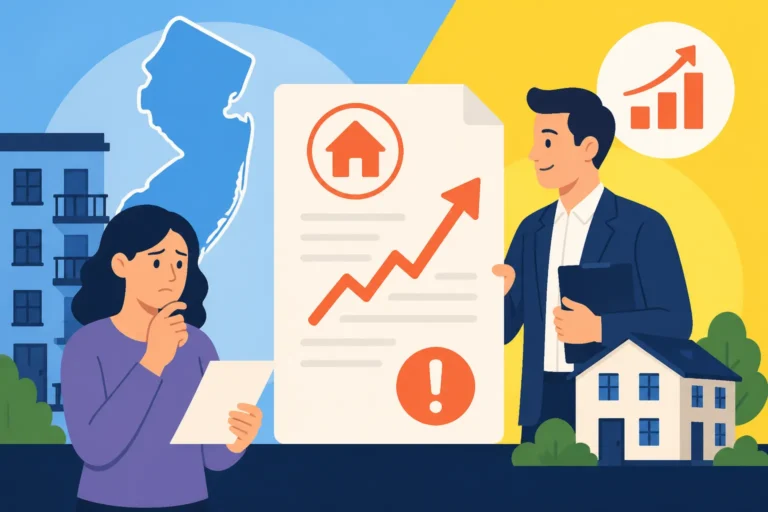
Beyond just protecting against arbitrary evictions, the Good Cause Eviction law also takes aim at another major tenant headache in NYC: exorbitant rent increases. For years, landlords in unregulated units could raise rent by any amount they desired, often forcing tenants to either accept unsustainable increases or move out. The new law introduces a standard to challenge what it deems "unconscionable" rent hikes, providing a mechanism for tenants to dispute increases that seem designed to push them out.
The "Unconscionable" Rent Increase Standard
One of the most revolutionary aspects of the Good Cause Eviction law is its introduction of a standard for "unconscionable" rent increases. This means that if a landlord proposes a rent increase above a certain percentage, that increase can be considered "presumptively unconscionable." Currently, the threshold for a presumptively unconscionable rent increase is an increase of more than 5% plus the Consumer Price Index (CPI), or 10%, whichever is lower. This isn't a hard cap on rent increases like rent stabilization, but it shifts the burden of proof.
If your landlord tries to raise your rent beyond this threshold, it’s not automatically illegal, but the law considers it an attempt to constructively evict you. In such a situation, the burden falls on the landlord to justify why such a large increase is necessary. They would have to prove to a court that the increase is not intended to displace the tenant and is justified by legitimate expenses or market conditions. This provides tenants with a powerful tool to negotiate or fight against extreme increases that were previously unchallenged. It's a significant step towards fairness in a market often characterized by rapid, unchecked rent hikes.
How Rent Increases Are Determined and Disputed
So, how does this actually play out in real life if your landlord proposes a rent increase that seems excessive? First, your landlord must provide you with a notice of their intent to raise the rent. If that proposed increase exceeds the "presumptively unconscionable" threshold, you have grounds to dispute it. The process often begins with communication, where you might try to negotiate with your landlord. Platforms like RentRedi can sometimes facilitate communication between tenants and landlords, making it easier to document attempts at negotiation or to receive official notices.
If negotiations fail, and your landlord still insists on an unreasonable increase, your options typically involve filing a case in housing court. There, a judge will examine whether the proposed rent increase is indeed "unconscionable" and if the landlord can provide sufficient justification for it. The court will consider factors such as the landlord's operating expenses, property taxes, and the cost of any capital improvements. Without good cause for the increase, the court may deem it an attempt to circumvent the good cause eviction protections, potentially limiting the allowable increase or preventing an eviction based on non-payment of the inflated rent. This process can be daunting, but it's a crucial mechanism for tenants to stand up for their rights.
Providing Proper Notice for Rent Changes
Just like with evictions, proper notice is absolutely critical when it comes to rent increases. Your landlord can't just spring a new rent amount on you a few days before it's due. New York law dictates specific notice periods for rent increases, which vary depending on how long you've lived in the apartment. For instance, if you've been in your apartment for less than one year, your landlord generally needs to provide at least 30 days' written notice for a rent increase. If you’ve resided there for one to two years, that notice period extends to 60 days. And for tenants who have lived in their units for two years or more, landlords must provide a minimum of 90 days' written notice before a rent increase can take effect.
These notice periods are not just suggestions; they are legal requirements. If your landlord fails to provide the correct amount of notice, the rent increase might not be legally enforceable, or its effective date could be pushed back until proper notice has been given. This is a fundamental tenant protection that ensures you have adequate time to budget for the new rent or to explore your options, including whether to contest an "unconscionable" increase. Always check the specific laws in your area regarding Rent Increase Notice Periods by State.
Exemptions and Limitations to Good Cause Eviction
While the Good Cause Eviction law is a powerful tool for tenant protection, it’s not a one-size-fits-all solution. There are specific situations and types of properties that are exempt from its provisions. Understanding these exemptions is crucial, as they determine whether you can invoke the law's protections or if you need to explore other avenues to safeguard your tenancy. It can be a real headache to think you're covered only to find out you're not, so let's clear up some of those murky areas.
Buildings and Units Not Covered
The Good Cause Eviction law specifically excludes certain types of rental units and buildings from its protections. These exclusions are a significant factor in determining your rights as a tenant. For example, units in buildings with fewer than four residential units are often exempt if the owner occupies one of the units as their primary residence. This is a common situation for tenants renting in smaller brownstones or duplexes where the landlord lives on-site. The rationale here is often to protect smaller landlords from the complexities of the law.
Additionally, units in buildings constructed after January 1, 2009, are typically exempt from good cause for a period of 30 years from the date of initial occupancy, though some exceptions apply depending on location. Certain high-rent units or luxury apartments with rents above a specific threshold (which is subject to annual adjustments and often quite high in places like Manhattan) can also be excluded. These exemptions mean that a significant portion of the rental market may not fall under Good Cause protections, highlighting the patchwork nature of tenant laws even within New York City. Understanding these nuances is paramount for both tenants and landlords.
Owner-Occupancy and Other Specific Scenarios
One of the most frequently misunderstood exemptions involves owner-occupancy. As mentioned, small owner-occupied buildings with a limited number of units (often three or fewer, not including the owner's unit) can be exempt from Good Cause Eviction. This allows an owner who lives in their own building more flexibility in managing their property, including choosing not to renew a lease for non-specified reasons. However, if the owner doesn't live in the building, or if the building has four or more units, these exemptions generally don't apply.
Beyond owner-occupancy, other specific scenarios can create limitations. For instance, the law doesn't apply to housing provided by employers to employees (like a superintendent's apartment), transient occupancy in hotels or other short-term rentals, or housing in hospitals, monasteries, or similar institutions. Furthermore, if a lease is for a truly temporary stay, perhaps for specific construction work, it might also fall outside the scope. These exemptions demonstrate the law's intent to focus on long-term, primary residences in traditional landlord-tenant relationships, rather than every possible housing arrangement. It’s always important to consider the specifics of your lease and living arrangement when assessing if you are covered.
The Importance of a Written Lease and Renewal Offers
In the context of Good Cause Eviction, having a clear, written lease agreement is not just good practice—it's absolutely essential. Your lease is the foundational document that outlines the terms of your tenancy, your responsibilities, and those of your landlord. Without a written lease, proving the terms of your agreement, or even the existence of a tenancy, can become significantly more challenging. While verbal agreements can sometimes be legally binding, they are notoriously difficult to enforce in court, especially when disputes arise over rent increases or eviction grounds.
Under Good Cause, if your lease is expiring, your landlord is typically required to offer a renewal lease on similar terms, unless they have "good cause" not to. This is where the protection really kicks in. If they offer a renewal with an "unconscionable" rent increase, you have grounds to dispute it. If they simply refuse to offer a renewal without good cause, you can challenge that too. However, these protections rely heavily on the existence of a formal lease. If you're currently on a month-to-month arrangement without an underlying lease, your rights might differ, and it's always advisable to consult legal counsel to understand your specific standing, especially concerning Fixed-Term vs Month-to-Month Leases.
Tenant Rights and What to Do If Your Landlord Violates the Law
It's one thing to know your rights, but it's another entirely to enforce them, especially when you're up against a landlord who might be more experienced in navigating the legal landscape. If you suspect your landlord is violating the Good Cause Eviction law, whether through an unfair rent increase or an attempt at an arbitrary eviction, there are concrete steps you can take. Don't feel powerless; the law is there to protect you, but you need to know how to use it.
Documenting Everything and Seeking Advice
The golden rule of any landlord-tenant dispute is simple: document, document, document. This cannot be stressed enough. From the moment you move in, keep meticulous records of everything related to your tenancy. This includes:
- Your lease agreement and any amendments.
- All rent payment receipts or bank statements showing payments (services like RentRedi can provide excellent digital records).
- Any communication with your landlord, whether it's emails, text messages, or certified letters. If you have a phone call, follow up with an email summarizing what was discussed.
- Photos or videos of the apartment's condition at move-in and move-out, and any issues that arise during your tenancy.
- Copies of any notices received from your landlord, especially those related to rent increases or lease non-renewal.
This evidence will be invaluable if you need to challenge your landlord in court. Beyond documentation, seeking legal advice early is crucial. Organizations like Legal Aid Society, Legal Services NYC, or your local tenant advocacy groups can offer free or low-cost consultations. They can help you understand the specifics of the Good Cause Eviction law as it applies to your situation and guide you on the best course of action. They can also explain the implications of different Eviction Notice Types.
Challenging Evictions and Excessive Rent Increases
If your landlord serves you with an eviction notice that you believe lacks "good cause" or attempts to impose an "unconscionable" rent increase, you have the right to challenge it.
For an eviction challenge, you would typically need to appear in Housing Court and present your defense. This usually involves demonstrating that your landlord does not have a legally recognized "good cause" for eviction as defined by the law. You'll need to show that you've adhered to the terms of your lease, paid rent on time, and haven't caused any damage or nuisance. You may also argue that the notice was improperly served or that the landlord's stated reason is retaliatory. This process can be complex, and having legal representation can significantly improve your chances. Understanding How to Fight an Eviction (Tenant Guide) is paramount.
When it comes to excessive rent increases, the process often starts similarly, with negotiations and documented attempts to resolve the issue. If the landlord persists with an increase above the "presumptively unconscionable" threshold, you can challenge it in Housing Court. The court will then determine if the increase is indeed unconscionable and if the landlord can provide sufficient justification for it. Remember, the burden of proof shifts to the landlord in these situations.
Resources and Legal Aid for Tenants
New York City offers a robust network of resources for tenants facing housing issues. If you're feeling overwhelmed, don't hesitate to reach out. The Metropolitan Council on Housing is a tenant's rights organization that provides counseling and organizes tenants. The Housing Preservation and Development (HPD) offers various services, including addressing code violations that might underpin disputes.
For direct legal assistance, consider these reputable organizations:
- Legal Aid Society: Provides free legal services to low-income New Yorkers, often handling eviction defense and tenant rights cases.
- Legal Services NYC: Another major provider of free civil legal services, including housing assistance, to individuals and families in poverty.
- Housing Court Answers: A non-profit that provides information to self-represented litigants in Housing Court, though they don't offer legal advice.
These organizations can help you draft a Security Deposit Demand Letter (How-To + Template), understand How to Dispute Security Deposit Deductions, or navigate complex eviction proceedings. Utilizing these resources can make a significant difference in protecting your tenancy and ensuring your landlord adheres to the law.
Landlord Considerations and Best Practices
While Good Cause Eviction primarily protects tenants, it also sets clear guidelines for landlords, encouraging fair practices and fostering more stable tenancy relationships. For landlords, understanding and adhering to these laws isn't just about avoiding legal trouble; it's about building trust, reducing tenant turnover, and maintaining a positive reputation in a competitive market. Ignoring these regulations can lead to costly legal battles and reputational damage.
Adhering to Notice Requirements and Rent Increase Guidelines
For landlords, strict adherence to notice requirements is non-negotiable. Whether it's a notice to renew a lease, a notice of a rent increase, or an eviction notice, all communications must follow the legally mandated timelines and formats. As discussed, the length of notice for a rent increase depends on the tenancy duration: 30 days for less than a year, 60 days for one to two years, and 90 days for two years or more. Failing to provide proper notice can invalidate an eviction or delay the implementation of a rent increase.
When considering rent increases, landlords must be mindful of the "presumptively unconscionable" threshold. While you might feel justified in raising rent due to increased operating costs or property taxes, any increase exceeding 5% plus CPI (or 10%, whichever is lower) could trigger a legal challenge where you'd bear the burden of proof. It's prudent to conduct thorough research, perhaps using platforms like RentRedi to track market rates and expenses, and clearly justify any significant increase. Proactive communication with tenants about the reasons for an increase can sometimes mitigate disputes, explaining changes in expenses rather than simply demanding more.
The Importance of Maintaining Good Records
Just as important for tenants, maintaining detailed records is paramount for landlords. Comprehensive documentation serves as your primary defense in any potential legal dispute. This includes:
- Lease Agreements: Keep signed copies of all leases, lease renewals, and any addendums.
- Rent Payment Records: Document all rent payments, including dates received, amounts, and any late fees applied. Digital payment systems can automate this and provide clear audit trails.
- Communication: Keep records of all written communication with tenants, including emails, text messages, and certified letters regarding repairs, lease violations, or rent changes.
- Property Condition: Document the condition of the property at move-in and move-out with detailed inspection reports and photographic evidence. A thorough Move-In / Move-Out Inspection Guide can save a lot of headaches.
- Repair and Maintenance Records: Maintain logs of all repair requests, the date they were addressed, and the costs involved. This is crucial if you ever need to justify deductions from a security deposit or explain operating expenses for a rent increase.
Good record-keeping isn't just a legal shield; it's a foundation for good property management, helping you stay organized and professional.
Navigating Lease Renewals and Tenant Relations
Good Cause Eviction has significantly altered how landlords approach lease renewals. Previously, a non-renewal could be a simple business decision. Now, it must be based on "good cause." This encourages landlords to foster positive tenant relations and address issues proactively rather than waiting for a lease to expire. When a lease is approaching its end, landlords should offer a renewal unless there's a legitimate, legally defensible reason not to.
Consider offering renewal leases well in advance of the deadline, giving tenants ample time to review and respond. If you anticipate a rent increase, provide the legally required notice and be prepared to articulate the reasons behind any significant hike. For landlords managing multiple properties, efficient systems for tracking lease terms and tenant communications, like those offered by RentRedi, can be incredibly beneficial. Addressing tenant concerns promptly, maintaining the property, and being transparent can help prevent small issues from escalating into legal challenges, ultimately contributing to a more stable and profitable rental business.
The Future of Good Cause Eviction in New York
The Good Cause Eviction law, while a significant step for tenant protections in New York, is still a relatively young piece of legislation. Its implementation has sparked ongoing discussions, legal challenges, and calls for further amendments, reflecting the complex and often contentious nature of landlord-tenant relations in a dense urban environment like NYC.
Ongoing Legislative Debates and Potential Changes
Since its inception, the Good Cause Eviction law has been a subject of continuous legislative debate. Proponents argue that it doesn't go far enough to protect tenants, advocating for stronger universal rent control or broader applicability to cover more units and buildings. They point to the ongoing housing crisis and the need for more robust tenant safeguards. On the other hand, landlord groups often argue that the law is overly burdensome, restricts their ability to manage their properties effectively, and disincentivizes investment in rental housing. They often push for expanding exemptions or softening the "unconscionable" rent increase threshold.
These debates are often highly localized, with different cities and counties across New York State having their own interpretations or specific needs. For instance, discussions around concepts like Rent Stabilization vs Rent Control continue to shape the broader conversation around tenant protections. The political landscape frequently shifts, and what might be proposed in Albany one year could be revised or abandoned the next. Staying informed through tenant advocacy groups or landlord associations is key to understanding potential changes.
Impact on the NYC Rental Market
The Good Cause Eviction law has undeniably had an impact on the New York City rental market, though its full, long-term effects are still being assessed. For many tenants in unregulated units, it has provided a newfound sense of security, reducing the fear of arbitrary displacement. This increased stability can lead to longer tenancies and stronger community ties.
However, some argue that the law has also contributed to hesitancy among some landlords to make significant capital improvements, fearing they won't be able to recover costs through rent increases if challenged. Others suggest it has made landlords more selective during the tenant screening process, trying to avoid any potential disputes down the line, potentially affecting those with less-than-perfect rental histories or No Rental History. The nuances of the market are complex, and it's a constant balancing act between protecting tenants and ensuring a viable environment for property owners. The law's long-term effect on rent prices and housing supply remains a topic of ongoing study and discussion.
Staying Informed About Your Rights
Given the evolving nature of landlord-tenant laws, especially in a dynamic city like New York, remaining informed is not just a recommendation—it's a necessity. Both tenants and landlords need to actively track legislative changes, court rulings, and local regulations to ensure they are compliant and protected.
For tenants, joining local tenant associations or subscribing to newsletters from tenant advocacy groups can provide timely updates on your rights and any changes to the Good Cause Eviction law. Organizations like the Department of Housing and Community Renewal (DHCR) often publish guides and FAQs that clarify current regulations. If you're considering challenging an eviction or a rent increase, remember that the specific details of your situation matter, and consulting with a legal professional specializing in landlord-tenant law is always the best course of action. Ignorance of the law is rarely a valid defense, so proactive engagement with information is your strongest ally.
Disclaimer
Please remember that this guide provides general information about NYC's Good Cause Eviction law and is not intended as legal advice. Landlord-tenant laws are complex and can vary based on specific circumstances and ongoing legislative changes. For personalized legal guidance, always consult with a qualified attorney or housing legal aid organization.