Is There a Maximum Rent Increase Percentage?
It’s a tale as old as time for renters: that knot in your stomach when the lease renewal notice lands in your inbox, often accompanied by the dreaded news of a rent increase. You scan the numbers, your heart sinks, and the immediate question that pops into your head is, "Can they even do that? Is there a maximum rent increase percentage they have to stick to?" This uncertainty is completely valid, and frankly, the rules around rent increases can feel like a tangled mess. This guide aims to untangle that knot, giving you a clear picture of what's allowed and what's not when it comes to rent hikes, helping you feel more in control of your housing situation.
The General Rule: No Federal Cap, State and Local Variation is Key
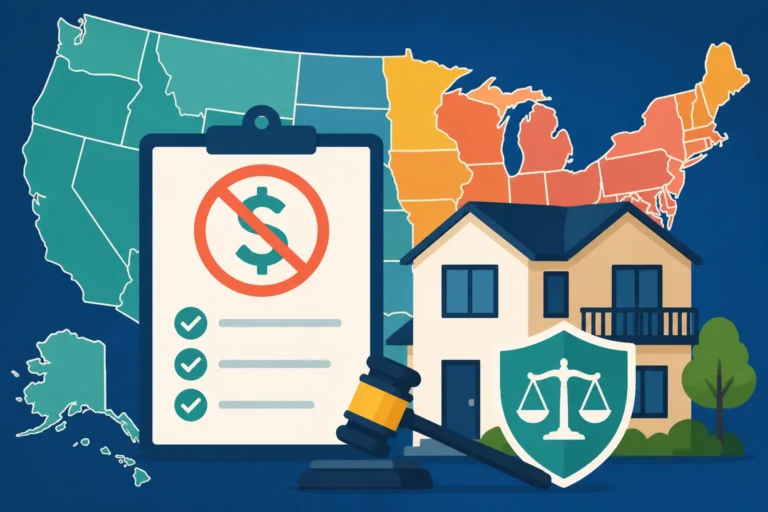
Let's address the big question right upfront: Is there a maximum rent increase percentage that applies everywhere in the United States? The short, often frustrating answer is a resounding "No." There isn't a federal law that dictates how much a landlord can raise your rent. This means that, unlike some other renter protections, the rules about rent increases are largely left up to individual states, counties, and even specific cities to decide. It’s this fragmented legal landscape that makes understanding your rights so incredibly confusing. You could be living in a bustling city with strict caps, and then move a few miles down the road to a different municipality where landlords have free rein.
For many, many renters across the country, especially those outside of major metropolitan areas, landlords generally have the ability to raise rent by any amount they deem necessary. This "market rate" approach allows property owners to adjust rents based on a variety of factors: the demand for housing, rising property taxes, increased insurance costs, maintenance expenses, and even just what comparable units in the area are fetching. If you're renting a home in a non-regulated suburban area of, say, Phoenix, Arizona, or Houston, Texas, your landlord likely isn't bound by a percentage cap. This can be a tough pill to swallow, leaving tenants feeling incredibly vulnerable to sudden and significant jumps in their monthly housing costs. That feeling of dread when a notice arrives, proposing a rent hike that feels impossible to meet, is a reality for countless individuals and families.
However, this doesn't mean you're entirely without recourse, or that no protections exist. It simply means that your first step, and the most crucial one, is to look beyond broad assumptions and dive deep into the specific laws of your state, county, and city. Many tenants mistakenly believe a universal rule applies, only to discover too late that they either had protections they weren't aware of or, conversely, were in a truly unregulated market. Checking your local ordinances is the absolute starting point. It's the most effective way to protect yourself from an unexpected rent increase that might be perfectly legal but financially devastating, or, even better, to discover that your proposed increase might actually be illegal.
Where Rent Caps Exist: Understanding Rent Control and Rent Stabilization
While the federal government remains hands-off, the tide is slowly turning at the state and local levels. A growing number of states and many cities have taken steps to regulate how much landlords can increase rent. These regulations typically fall into two main categories: rent control and rent stabilization. While often used interchangeably, there are subtle but important differences, and both are designed to prevent excessive rent hikes, promote housing affordability, and protect tenants from displacement, especially in areas with high housing demand.
States with Statewide Rent Caps
Some states have adopted broader rent cap laws that apply across many, though not all, rental properties within their borders. These statewide measures often provide a baseline level of protection.
- California: California is a prime example, having enacted the Tenant Protection Act of 2019 (AB 1482). This landmark law limits annual rent increases to 5% plus the percentage change in the cost of living index (CPI) for the region, or 10%, whichever amount is lower. So, if the CPI for your area is 4%, the maximum increase would be 9% (5% + 4%). However, it’s not a one-size-fits-all solution. Properties built within the last 15 years are generally exempt, as are single-family homes and condominiums, provided they are not owned by corporate entities or real estate investment trusts (REITs). This means while many tenants are protected, specific property types remain outside the cap. For anyone renting in California, understanding if your specific unit is covered by these protections is absolutely essential. We dive deeper into this topic in our article, California AB 1482 Rent Cap Explained.
- Oregon: Oregon broke ground in 2019 by becoming the first state to pass a statewide rent control law (SB 608). It limits annual rent increases to 7% plus the regional Consumer Price Index (CPI). Similar to California, it includes exemptions, particularly for buildings less than 15 years old. The intent of this legislation was to address rapidly escalating rents in cities like Portland, offering a much-needed layer of stability for long-term residents.
- Maryland: While Maryland doesn't impose a strict percentage cap statewide, it has enacted legislation that requires landlords to provide at least 90 days' notice for any rent increase exceeding 10%. This doesn't limit the amount of the increase but provides tenants significantly more time to adjust, budget, or seek alternative housing if the hike is substantial. Furthermore, certain counties within Maryland, such as Montgomery County, have their own, more stringent rent stabilization laws.
These statewide initiatives represent a significant step towards balancing landlord interests with tenant protections. However, always remember that exemptions are common, and the devil is in the details, so thorough research into your specific situation is key.
Cities and Local Jurisdictions with Stronger Rent Regulations
Beyond statewide laws, many cities and counties have implemented their own rent control or rent stabilization ordinances. These local rules are often more restrictive and detailed than state-level caps and are typically found in major urban centers grappling with severe housing shortages and affordability crises.
- New York City: New York City boasts one of the most intricate and well-known rent regulation systems in the nation. It features a dual system of rent control (for a shrinking number of tenancies established before 1971) and rent stabilization. Rent stabilization applies to a much larger segment of the city's housing stock, primarily covering buildings with six or more units constructed between 1947 and 1974, as well as newer buildings that received certain tax abatements. The city's Rent Guidelines Board annually sets the allowable percentage increases for rent-stabilized apartments, which can range from 0% for one-year leases to a small percentage for two-year leases. Navigating these rules requires constant vigilance, and many landlords rely on robust property management tools like RentRedi to keep meticulous records and ensure compliance with these complex, ever-evolving regulations.
- Washington D.C.: The District of Columbia also operates a comprehensive rent stabilization program. This program generally limits annual rent increases for most rental units to the percentage change in the Consumer Price Index (CPI) plus 2%, with an overall cap of 10%. However, there are exemptions for newer units (those built after 1975) and properties owned by small landlords with four or fewer units. These protections are vital for maintaining housing affordability in many of D.C.'s older neighborhoods.
- California Cities (Beyond Statewide Caps): Even with California's AB 1482, many cities within the state, such as Los Angeles, San Francisco, Oakland, and Berkeley, maintain their own rent control ordinances that predate the statewide law and often offer stronger protections.
- Los Angeles: Many units in Los Angeles fall under its Rent Stabilization Ordinance (RSO), which limits annual increases based on the CPI. For example, in recent years, increases for RSO units have typically been capped around 4%, with additional allowances if the landlord provides all utilities.
- San Francisco: This city has some of the longest-standing and strongest rent control laws, covering units built before June 13, 1979. Increases are directly tied to a small percentage of the CPI, typically resulting in very modest annual adjustments.
- New Jersey: While New Jersey lacks a statewide rent cap, many of its municipalities have enacted their own rent control ordinances. Cities like Newark, Jersey City, and Fort Lee have local laws that vary significantly, with some capping increases at a specific percentage (e.g., 4% or 5%) or linking them to the CPI. Renters in New Jersey must research their specific city or town regulations to understand their rights. For instance, in Jersey City, annual increases for rent-controlled units are often limited to 4% of the current rent, or 6% if the landlord covers utility costs.
- St. Paul, Minnesota: Following a voter referendum in 2021, St. Paul implemented a rent control ordinance that initially capped annual increases at a strict 3% regardless of inflation. This was one of the nation's most stringent caps and sparked considerable debate, eventually leading to some modifications, including a 15-year exemption for new construction. This example highlights how rent control policies are often dynamic and can be adjusted based on local economic conditions and community feedback.
It's clear that determining whether your rental unit is subject to any of these local or state-specific regulations is absolutely paramount. Never assume; always conduct thorough research into your local laws. Consulting with a local tenant's rights organization is often the best course of action, as they possess the most current information and can help you pinpoint whether your landlord's proposed increase is legally sound.
Here's a simplified overview of how rent increase regulations can vary:
| Location | Type of Regulation | General Rent Increase Limit | Common Exemptions | Key Takeaways |
|---|---|---|---|---|
| Federal (USA) | None | No legal cap | N/A | Most properties fall under local/state laws, or no caps. |
| California | Statewide Rent Stabilization | 5% + local CPI, or 10% (whichever is lower) | New construction (15 years), some single-family homes | Covers majority of units, but check exemptions carefully. |
| Oregon | Statewide Rent Stabilization | 7% + regional CPI | New construction (15 years) | Pioneering statewide rent control law. |
| New York City | Rent Control/Stabilization | Set annually by Rent Guidelines Board (0-6% typically) | Building age, size, tax abatements | Highly complex system, affects vast numbers of rentals. |
| Washington D.C. | Rent Stabilization | CPI + 2% (max 10%) | Post-1975 construction, very small landlords | Critical for affordability in many D.C. neighborhoods. |
| St. Paul, MN | Local Rent Control | 3% (with some adjustments/exemptions) | New construction (15 years) | One of the most stringent caps, shows local power. |
Please remember: This table provides general guidance. Rent laws are complex and constantly evolving. Always verify specifics for your exact location.
Factors Influencing Rent Increases Even Without Hard Caps
Even if you reside in an area without strict rent control laws, your landlord isn't entirely free to raise rent arbitrarily without facing potential repercussions or practical limitations. Several factors influence how much a landlord can and should raise rent. Understanding these can empower you to negotiate, plan, or simply better understand your position.
Lease Agreements and Notice Requirements
The most fundamental document governing your tenancy, including rent increases, is your lease agreement. If you are currently under a fixed-term lease (such as a 12-month contract), your rent amount is typically locked in for the entire duration of that lease. A landlord cannot legally increase your rent mid-lease unless there's an extremely rare and specific clause in the agreement allowing for such changes, or if you agree to an amendment. The rent agreed upon at the signing of your lease is your fixed obligation.
However, when your fixed-term lease is nearing its end, or if you're on a month-to-month rental agreement, your landlord usually needs to provide you with proper written notice before implementing a rent increase. This isn't about the amount of the increase, but rather the timing and method of notification. These notice periods vary significantly by state and sometimes even by the size of the proposed increase. For instance, in some states, a simple 30-day notice might suffice for any increase, while in others, an increase exceeding a certain percentage (e.g., 10%) might mandate a longer notice period, such as 60 or even 90 days. California, for example, requires a 30-day notice for increases of 10% or less, and a 60-day notice for increases exceeding 10%. It's crucial to check your specific state's Rent Increase Notice Periods by State to ensure your landlord adheres to the legal requirements. If proper notice isn't given, the rent increase might be invalid, at least until the correct notice period has passed.
Additionally, it's illegal for a rent increase to be retaliatory or discriminatory. If you've recently exercised your tenant rights, such as reporting necessary repairs (like a persistent plumbing issue or a broken furnace) or complaining about a landlord's violation of the lease, and then suddenly receive an unusually large rent increase notice, it could potentially be considered a retaliatory eviction attempt. Similarly, landlords are prohibited from increasing rent in a manner that discriminates against tenants based on protected characteristics like race, religion, familial status, or disability. These protections are vital to ensure fair housing practices.
Market Conditions and Comparable Rents
For landlords operating in markets without rent control, the prevailing market rate is often the most significant factor driving rent increases. Landlords will typically research comparable properties in the area—units of similar size, with similar amenities, and in similar locations—to determine what other landlords are charging. If your current rent is noticeably below market value for your neighborhood, a landlord might propose a larger increase to bring it in line with current market trends. Conversely, if your rent is already at or even above what similar units are renting for, a drastic increase might suggest they are trying to force you out or are simply being unreasonable.
As a tenant, you can conduct your own market research. Websites like Zillow, Apartments.com, and Craigslist are great resources for finding listings of comparable units in your immediate neighborhood. This information can be a powerful tool for negotiation. If you can objectively demonstrate that your proposed new rent is substantially higher than what similar properties are asking, your landlord might be more amenable to negotiation, especially if you've been a reliable tenant. Most landlords prefer to avoid vacancies due to the costs associated with cleaning, repairs, marketing, tenant screening, and lost rent during the vacancy period. Maintaining a good tenant, even at a slightly lower rent, can often be more financially prudent than risking a long vacancy.
Tenant Retention and Negotiation Power
Believe it or not, good tenants are a valuable asset for any landlord. If you have a track record of consistently paying rent on time, maintaining the property well, and generally being a low-maintenance resident, you often have more leverage than you realize. The financial and logistical burdens associated with tenant turnover can be considerable for a landlord. This is where open and clear communication with your landlord or property management company (many of whom use platforms like RentRedi to streamline their communication and record-keeping) becomes absolutely essential.
If you receive a rent increase notice, don't automatically assume you must accept it or immediately plan to move. Consider crafting a polite, well-reasoned letter or email to your landlord. In it, you can highlight your history as a responsible tenant, referencing timely payments and good care of the property. You can also cite your research on comparable rents in the area, respectfully pointing out if the proposed increase seems out of step with the market. Express your appreciation for the apartment and your desire to continue your tenancy. Sometimes, a landlord will be willing to compromise on the increase to retain a reliable tenant, particularly if the proposed hike is aggressive. This negotiation won't always succeed, but it is almost always worth the effort. Approaching the conversation professionally and respectfully often yields better outcomes than an emotional or confrontational stance.
What to Do If You Believe Your Rent Increase is Illegal or Unreasonable
Receiving a rent increase, especially one that feels unjustifiable or potentially illegal, can be incredibly daunting. However, it's crucial to remember that you have rights and various options available. Taking systematic and proactive steps can often lead to a favorable resolution or at least clarify your legal standing.
Document Everything and Review Your Lease
Your immediate priority should be to gather and meticulously organize all relevant documentation. This includes your current lease agreement, any prior rent increase notices, comprehensive records of your rent payments (many modern property managers use systems like RentRedi to make these records easily accessible), and any written communication you've had with your landlord regarding repairs, maintenance, or other issues. Review your current lease agreement thoroughly, paying close attention to clauses related to rent increases, notice periods, and renewal terms. Ascertain whether your lease specifies a fixed term or if you are on a month-to-month arrangement, as this significantly impacts when and how your rent can be raised. The terms of your lease are the bedrock of your tenancy rights.
Crucially, you must also carefully document the rent increase notice itself. Record the exact date you received it, the new proposed rent amount, and its effective date. Is the percentage of the increase clearly stated? These details are vital if you need to challenge the increase later. Additionally, compare the date the notice was sent to the date you received it to verify if the landlord provided the legally required notice period, as specific state or local laws dictate these timelines. If the notice period is insufficient, the increase may be temporarily invalid. It's also wise to refresh your understanding of your Security Deposit Laws by State in case a move-out becomes necessary due to an unaffordable increase.
Research Local and State Laws Thoroughly
As reiterated throughout this guide, rent control and stabilization laws are highly localized. It is imperative that you do not rely on generalized information or anecdotes from others who live in different areas. You must research the specific landlord-tenant laws for your precise city, county, and state.
- Consult your state's Attorney General's office or Department of Housing: Most state governmental bodies offer online resources, frequently asked questions (FAQs), and often detailed tenant handbooks that outline tenant rights and landlord obligations, including rules around rent increases.
- Check your city or county government website: Look for departments such as a "housing department," "tenant resources," or a "rent control board." If your municipality has rent control or stabilization, these bodies will provide explicit information on annual caps, specific exemptions, and the formal process for filing a tenant complaint. For example, if you're in Los Angeles, you'd navigate to the LA Housing Department website; if you're in Seattle, you'd check the Seattle Department of Construction & Inspections.
- Seek out local tenant advocacy organizations: Groups like the Tenants Union of Washington State or the Housing Rights Committee of San Francisco are invaluable resources. They specialize in assisting renters in understanding and enforcing their rights. These organizations frequently offer free resources, helplines, or legal clinics where you can obtain personalized advice, tailored to the nuanced local regulations they navigate daily. They can also help clarify issues such as What to Do If a Landlord Misses the Deposit Deadline or Tenant Rights If Landlord Won't Return Deposit should your situation escalate to the point of vacating the property.
Verifying whether your specific rental property is covered by any rent control or stabilization ordinance is paramount, as many laws include exemptions for newer buildings, single-family homes, or properties owned by small landlords. Confirming your unit's status is a critical step.
Communicate and Negotiate with Your Landlord
Once you have meticulously documented your situation and thoroughly researched the applicable laws, consider initiating communication with your landlord or property management company. This communication should always be in writing (email is preferable as it creates a dated record) and maintain a polite yet firm tone.
- Clearly state your understanding of the law: If you believe the proposed rent increase exceeds a legal cap, respectfully and clearly articulate which specific law or ordinance you believe is being violated. Refer to the precise percentage caps or notice requirements.
- Present a compelling case for negotiation: Even if there isn't a legal cap, you still have the option to negotiate. Emphasize your positive tenancy history—consistent on-time rent payments, diligent property maintenance, and minimal disturbances. Reference the comparable rents you discovered during your market research, respectfully pointing out if the proposed increase appears out of step with local market rates. A savvy landlord often understands the value of a reliable tenant and may prefer a slightly smaller increase over the costs and uncertainties associated with finding a new renter.
- Propose a reasonable alternative: Suggest a more modest rent increase or perhaps a longer lease term at your current rate in exchange for increased stability.
- Prepare for various outcomes: If your negotiation efforts prove unsuccessful, you will then need to weigh your options: accept the increase, choose to move out, or consider escalating the issue through formal channels.
It's important to recognize that even if your landlord utilizes a professional property management platform like RentRedi to streamline their operations and tenant communications, they are still unequivocally bound by all applicable local and state landlord-tenant laws. While these systems aid in organization, they do not exempt landlords from their legal responsibilities.
Pursuing Formal Action
Should direct negotiation fail and you firmly believe the rent increase is illegal, you might need to consider more formal avenues for resolution.
- File a complaint with a local housing authority or rent board: If your city or county operates under a rent control ordinance, they will have a specific process for tenants to file formal complaints regarding illegal rent increases. These governmental bodies have the authority to investigate the complaint and, if a violation is found, can issue orders requiring the landlord to reduce the rent or even mandate refunds for any overpayments.
- Consider small claims court: In certain situations, if a landlord attempts to enforce an illegal increase or wrongfully withholds your security deposit after you vacate due to an untenable increase, pursuing action in small claims court might be an option. This is generally considered a last resort but can be an effective way to recover funds or challenge clear legal infractions. Before initiating such proceedings, ensure you understand concepts like Double vs Treble Damages for Wrongful Withholding, which some states impose as penalties for landlords who improperly withhold deposits. Always seek legal counsel from an attorney or a tenant rights advisor before embarking on formal legal action.
- Understand your options for breaking a lease: If the rent increase, while legal, makes your housing genuinely unaffordable, you may need to explore your options for How to Break a Lease (Without Penalty Where Possible). While breaking a lease can carry consequences, in some circumstances, it may be the most viable solution, and understanding your rights in such a scenario is equally important.
Navigating the complexities of rent increases can be an overwhelming experience, but by arming yourself with knowledge, maintaining thorough documentation, and adopting a proactive approach, you significantly enhance your ability to protect your financial well-being and maintain housing stability.
Disclaimer
This article is for general informational purposes only and does not constitute professional advice. Laws and regulations vary by location and change over time. Consult a qualified professional for guidance on your specific situation.