Lease Agreement Template for New York
Navigating the rental landscape in New York can often feel like deciphering a secret code, especially when it comes to the legalities of a lease agreement. Many landlords and tenants in bustling cities like New York City, Rochester, or Albany struggle to ensure their rental contracts are not only comprehensive but also fully compliant with the Empire State's often intricate and tenant-protective laws. This comprehensive guide is designed to clarify the essential elements of a New York lease agreement, offering a clear understanding of what makes a template legally sound and effective for both parties.
Understanding the Basics of a New York Lease Agreement
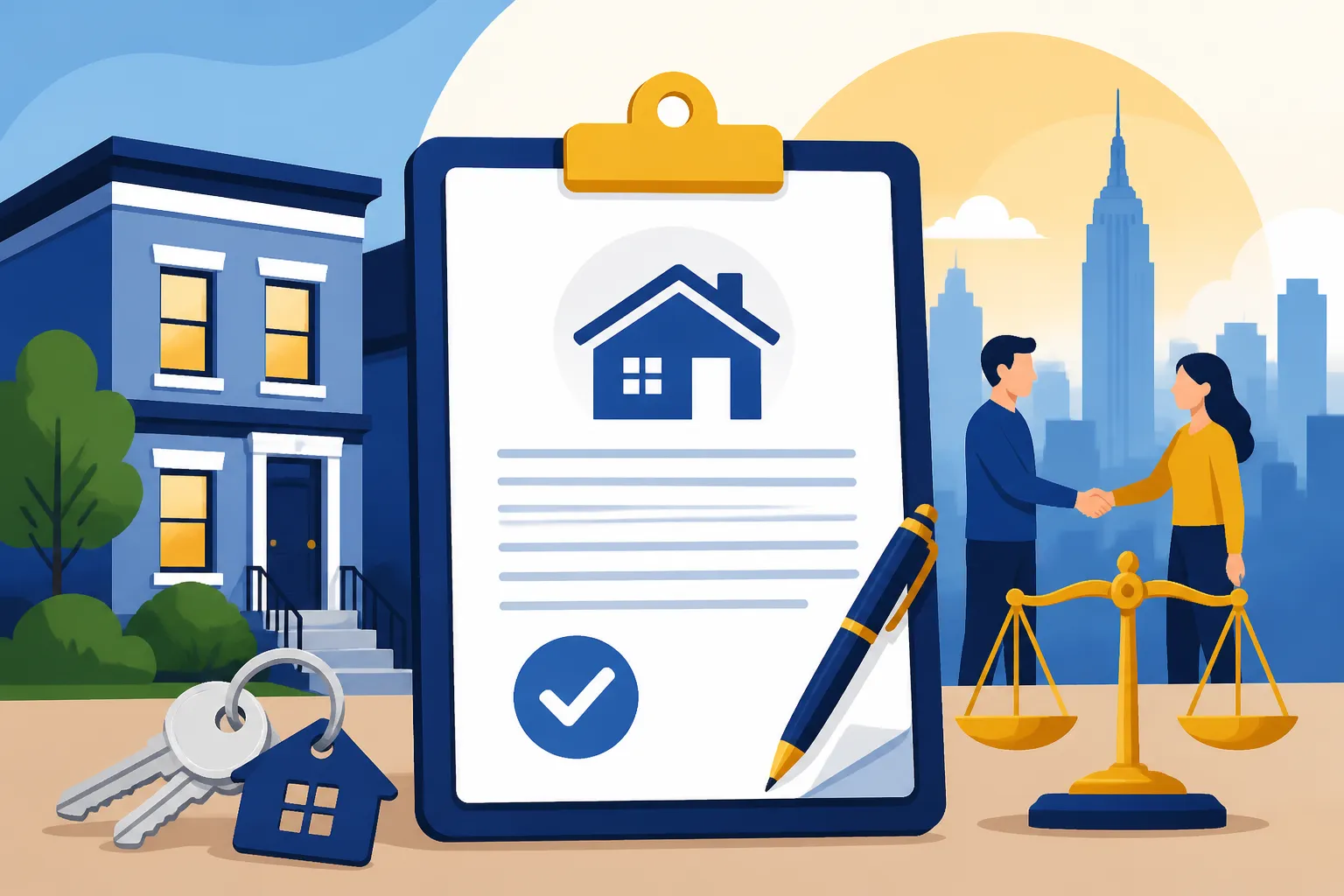
A lease agreement in New York is a legally binding contract between a landlord and a tenant that outlines the terms and conditions of renting a property. Unlike a casual handshake, this document provides protection for both parties, detailing everything from rent payment schedules to responsibilities for maintenance. It's not just a formality; it's the bedrock of the entire tenancy. Without a clear and comprehensive lease, misunderstandings can quickly escalate into costly legal disputes.
What Makes a Lease Legally Binding in New York
For a New York lease agreement to hold up in court, it generally needs a few critical components to be present and clearly articulated. First and foremost, there must be a clear offer and acceptance. This means the landlord offers the property for rent under specific terms, and the tenant agrees to those terms. Consideration, usually in the form of rent, is also vital – a promise to pay for the right to occupy the property. Capacity to contract is also key; both parties must be of legal age and sound mind. Finally, the lease must have a lawful purpose; you can't lease a property for illegal activities, for instance.
Beyond these common contract principles, New York law requires certain specifics. For example, the lease must be in writing if the term is for more than one year. While verbal agreements for less than a year might be technically enforceable, they are highly discouraged due to the difficulty of proof. A written lease removes ambiguity and ensures all parties are on the same page from the outset. Many landlords, even for month-to-month tenancies, opt for a written agreement to establish clear expectations and protect their interests.
Fixed-Term vs. Month-to-Month Leases in New York
When you're looking at a New York lease template, you'll primarily encounter two main types: fixed-term leases and month-to-month leases. Each has its own set of characteristics and implications for both landlords and tenants.
A fixed-term lease is for a specific period, often six months or one year. During this time, the rent usually remains constant, and neither party can unilaterally terminate the agreement without penalty, unless specific clauses are included or legal grounds exist, such as military deployment or uninhabitable conditions. This offers stability for tenants, knowing their rent won't change and they won't be asked to move suddenly. For landlords, it provides a predictable income stream and reduces vacancy rates. However, if a tenant needs to break a lease, it can lead to complications and potential financial penalties, though New York law generally requires landlords to mitigate damages by trying to re-rent the unit.
A month-to-month lease, on the other hand, renews automatically every month until either the landlord or tenant provides proper notice to terminate. This offers much greater flexibility. Tenants can move out with relatively short notice (typically 30 days, but can vary by locality and length of tenancy), and landlords can adjust rent or terminate the tenancy with similar notice. While flexible, this arrangement means less stability. Rent can be raised more frequently, and tenants might face shorter deadlines to find a new place. For landlords, it means potentially more frequent turnovers and the need to issue a Rent Increase Notice Periods by State or a notice to vacate more regularly. It's crucial to understand these distinctions when choosing the right rental agreement for your situation in New York.
Key Legal Requirements and Tenant Protections in New York
New York state has some of the most robust tenant protections in the nation, meaning there are specific rules and disclosures landlords must include in their lease agreements. These aren't optional; they're designed to safeguard tenants' rights and promote fair housing practices across the state, from bustling Brooklyn to quiet upstate towns.
Security Deposit Rules and Limits
One of the most significant areas of tenant protection in New York revolves around security deposits. As of the Housing Stability and Tenant Protection Act of 2019 (HSTPA), landlords can generally only charge a maximum of one month's rent for a security deposit. This applies statewide, regardless of whether you're renting in Manhattan or Syracuse. For an in-depth look, check out our guide on Maximum Security Deposit Limits by State.
Beyond the limit, landlords in New York have strict rules about how they must handle your deposit. They must hold it in an interest-bearing account in a New York state bank, though they aren't always required to pay the tenant the interest earned, depending on the property type and location. Tenants are also entitled to a written receipt for their security deposit. After you move out, your landlord has 14 days to return your security deposit, minus any lawful deductions. If they plan to make deductions, they must provide an itemized statement detailing the repairs or damages within that same 14-day window. If your landlord fails to do this, they forfeit the right to keep any portion of the deposit. You can learn more about this in our article, How Long Does a Landlord Have to Return Your Deposit?.
| Aspect | New York State Law (Generally) |
|---|---|
| Maximum Deposit | One (1) month's rent |
| Holding Requirement | Held in an interest-bearing account in a New York state bank. |
| Interest Payment | Varies. In New York City, landlords in buildings with six or more units must pay annual interest. Elsewhere, not always required for all units. |
| Return Deadline | Within 14 days after the tenant vacates the premises. |
| Itemized Statement | Must be provided within 14 days if deductions are made. Failure to do so means the landlord forfeits any right to the deposit. |
| Non-Refundable Fees | Generally prohibited (e.g., non-refundable pet fees are illegal, but pet rent may be permissible). |
Required Disclosures and Clauses
New York lease agreements must include several specific disclosures to comply with state law. These aren't just suggestions; they're mandatory elements designed to inform tenants and ensure transparency.
One crucial disclosure is the lead-based paint disclosure for properties built before 1978. Landlords must inform tenants about any known lead-based paint hazards and provide them with a pamphlet approved by the Environmental Protection Agency. This is a federal requirement, but it’s an absolute must for older buildings throughout New York.
Another key disclosure relates to the New York State Tenants' Rights Guide. Landlords are required to provide tenants with a copy of this guide at the commencement of the tenancy. This comprehensive document outlines tenants' rights and responsibilities, landlord duties, and key aspects of rental law. Many landlords find tools like those offered by LawDepot or TurboTenant helpful for ensuring these disclosures are correctly integrated into their lease templates, streamlining the process and reducing the risk of oversight.
Furthermore, leases must clearly state the name and address of the landlord or the landlord's agent for receiving notices and demands. This ensures tenants know exactly who to contact for official communications or in case of emergencies, which is especially important in a state with such a high density of rental properties. Without this information, tenants might struggle to exercise their rights effectively, such as sending a Security Deposit Demand Letter How-To + Template if issues arise.
Essential Clauses Every New York Lease Template Needs
A strong New York lease agreement goes beyond just the rent amount and due date. It acts as a comprehensive roadmap for the entire tenancy, detailing expectations, rights, and responsibilities for both parties. Missing key clauses can leave either the landlord or tenant vulnerable to disputes or unexpected issues down the line.
Rent Payment Details and Late Fees
The lease must clearly spell out the rent amount, the due date (usually the first of the month), and the acceptable methods of payment. Will you accept checks, online payments, money orders? It's all crucial to include. What about late fees? New York law has specific limitations on these. Generally, a late fee cannot be more than $50 or 5% of the monthly rent, whichever is less. This applies statewide. Also, landlords cannot charge a late fee until rent is at least five days late, thanks to the grace period established by the HSTPA. This is a critical protection for tenants, preventing landlords from penalizing them for minor delays.
For example, if your rent is $1,000, the maximum late fee would be $50. If your rent is $800, the maximum late fee would be 5% of that, which is $40. It's also important to specify exactly when the rent is considered late. Our article on Late Fee Laws & Limits by State provides a deeper dive into these regulations, which are vital for compliance in New York. The lease should clearly state that tenants have a minimum five-day grace period before any late fees can be assessed.
Repair and Maintenance Responsibilities
Who fixes what? This is one of the most common points of contention between landlords and tenants. A clear lease agreement leaves no room for doubt. New York's implied warranty of habitability means landlords must maintain the property in a safe and livable condition. This includes providing essential services like heat, hot water, and a structurally sound building. Your lease should explicitly state the landlord's obligations for major repairs, structural issues, and essential utility maintenance.
Tenants, on the other hand, are typically responsible for keeping the premises clean, disposing of trash properly, and avoiding intentional damage. The lease should outline these tenant responsibilities clearly. What happens if a light bulb burns out? Usually, that's on the tenant. What about a leaky roof? Definitely the landlord. Clarifying these points upfront minimizes friction. It's a good idea to detail the process for submitting repair requests, specifying that they should be in writing, to create a clear paper trail. This protects tenants who need to document issues and landlords who need to track maintenance. Understanding Landlord Repair Responsibilities What They Must Fix is crucial for both parties.
Occupancy Limits and Subletting
The lease should clearly state who is permitted to live in the rental unit. This is vital for landlords to manage wear and tear, maintain property safety, and comply with local occupancy laws. Generally, the lease will list all adult occupants, and any additional residents may require landlord approval and potentially an amendment to the lease.
Subletting is another area that needs explicit attention. In New York, tenants generally have a right to request to sublet, but landlords can refuse for reasonable grounds. The lease should outline the specific procedures for requesting to sublet, including the need for written consent from the landlord, and any conditions for approval. For instance, the landlord might require a background check on the prospective subtenant. Without a clear clause, tenants might assume they have free rein, which could lead to lease violations. Many municipalities, like New York City, have their own specific rules regarding subletting, so a template should be adaptable or comprehensive enough to cover these nuances. This also ties into important considerations like Roommate Agreements & Co-Tenancy and understanding how to add or remove individuals from a lease.
Beyond the Template: Best Practices for Landlords and Tenants
Having a solid New York lease agreement template is a fantastic starting point, but the interaction between landlord and tenant involves more than just a piece of paper. Both parties have roles to play in ensuring a smooth and legally compliant tenancy.
The Importance of Documentation
For landlords, meticulous record-keeping is your best friend. This starts even before the tenant moves in. A thorough Move-In / Move-Out Inspection Guide completed with the tenant, detailing the condition of the property, is invaluable. Take photos or videos of every room, appliance, and any existing minor damages. This documentation can be the cornerstone of defending any security deposit deductions you might make later. Similarly, keep copies of all communications with tenants, especially those related to repair requests, late rent notices, or lease violations. Email and certified mail provide clear paper trails.
For tenants, documenting everything is equally critical. Upon moving in, take your own photos or videos, ideally with the landlord present, to create an independent record of the property's condition. If you notice issues, report them in writing immediately. Keep copies of your lease, all rent receipts, and any correspondence with your landlord. This documentation becomes your evidence if you ever need to How to Dispute Security Deposit Deductions or address landlord negligence. For example, if you report a leaky faucet, the date and method of your written notification (email, certified letter) are crucial for demonstrating that you informed the landlord in a timely manner.
Communication is Key
While a lease agreement is a legal document, healthy landlord-tenant relationships are built on clear and respectful communication. For landlords, this means responding promptly to tenant inquiries and maintenance requests. If you plan to enter the property for repairs or inspections, provide proper notice as required by New York law (typically 24 hours). Be transparent about any changes to the property, even minor ones.
For tenants, don't wait for issues to fester. If rent will be late, communicate with your landlord before the due date. If a repair is needed, follow the procedures outlined in your lease and put it in writing. Open lines of communication can often resolve minor disputes before they escalate, preventing the need to delve into complex legal procedures. For instance, if you're considering a lease renewal, initiating a conversation early can lead to a more favorable outcome for both sides, rather than waiting for an automatic renewal clause to kick in.
Ongoing Compliance and Updates
Landlord-tenant laws in New York are not static; they can and do change. The Housing Stability and Tenant Protection Act of 2019 was a massive overhaul, and smaller amendments or new local ordinances can pop up regularly. Landlords must stay informed about these changes to ensure their lease agreements and practices remain compliant. Subscribing to legal updates or consulting with a local attorney or property management expert is a wise investment. Using reputable platforms like LawDepot or TurboTenant for lease templates can help, as these services often update their documents to reflect current legal requirements.
Tenants should also familiarize themselves with their rights, especially the New York State Tenants' Rights Guide that your landlord is required to provide. If you notice a clause in your lease that seems questionable or receive a notice you don't understand, don't hesitate to seek clarification or legal advice. An informed tenant is an empowered tenant. Regularly reviewing your lease, especially around renewal periods, ensures you're aware of your obligations and rights. Understanding topics like Lease Renewals & Automatic Renewal Clauses can prevent surprises.
Disclaimer
Please remember that this article provides general information and guidance regarding New York lease agreements and is not intended as legal advice. Landlord-tenant laws are complex and can vary significantly by municipality within New York State (e.g., New York City often has additional regulations). It is always recommended to consult with a qualified attorney or housing legal professional for advice tailored to your specific situation and location.