How to Evict a Tenant in South Carolina
Dealing with a tenant who isn't upholding their end of the lease can be incredibly frustrating and stressful. Whether it's unpaid rent, property damage, or constant lease violations, getting to the point where you need to consider eviction is tough for any landlord. You've invested time, money, and effort into your property, and when things go south, you need clear, actionable steps. This comprehensive guide is here to walk you through the precise legal process for how to evict a tenant in South Carolina, ensuring you follow every rule to protect your rights and your investment.
Understanding South Carolina Eviction Laws
Navigating the eviction process in South Carolina can feel like sifting through a dense legal textbook, but understanding the core principles is crucial before you even think about serving a notice. South Carolina has specific laws that govern when and how a landlord can remove a tenant from their property, all designed to ensure fairness for both parties. Ignoring these laws, even unintentionally, can lead to serious legal setbacks, delays, and even financial penalties.
Just Cause vs. No Cause Evictions
In South Carolina, nearly all evictions require a "just cause." This means you can't simply wake up one day and decide you want a tenant out without a legitimate, legally recognized reason. The days of simply asking someone to leave with no explanation are long gone, especially if they have a valid lease agreement. A just cause usually stems from a tenant's breach of the lease agreement or their failure to adhere to their responsibilities as outlined by state law.
For example, a tenant consistently failing to pay rent on time, causing significant damage to the property beyond normal wear and tear, or engaging in illegal activities on the premises would all constitute just cause for eviction. The lease itself is often your best friend here, as it outlines the expectations and rules for the tenancy. Any serious deviation from those agreed-upon terms can be a basis for eviction. Without a "just cause," your eviction attempt will likely fail, wasting your precious time and resources.
Common Legal Grounds for Eviction
So, what exactly counts as a legal reason to evict someone in the Palmetto State? South Carolina law recognizes several primary grounds for eviction, and it's essential to identify which one applies to your specific situation before moving forward. The most common reason, by far, is nonpayment of rent. When a tenant misses their rent payment, it directly violates the lease agreement and gives you a clear path to begin the eviction process. It’s important to remember that even if the tenant is only a few days late, if they haven't paid by the time the proper notice period expires, you can proceed.
Another significant ground for eviction is a lease violation. This can encompass a wide range of issues, such as having unauthorized pets, exceeding occupancy limits, causing excessive noise that disturbs neighbors, or altering the property without permission. The key here is that the violation must be a material breach of the lease, meaning it's a significant departure from the terms that affects the landlord's interest or the property's integrity. For instance, a tenant frequently hosting loud parties after 10 PM despite a quiet hours clause in the lease would be a clear violation. Illegal activity, such as drug manufacturing or dealing on the property, is also a serious ground for eviction and often warrants an expedited process due to its severe nature. Finally, holding over after the lease term has expired is another valid reason. If a tenant stays past their lease end date without renewing or establishing a new agreement, they become a "holdover" tenant, and you can initiate eviction proceedings to regain possession of your property.
Prohibited Self-Help Evictions
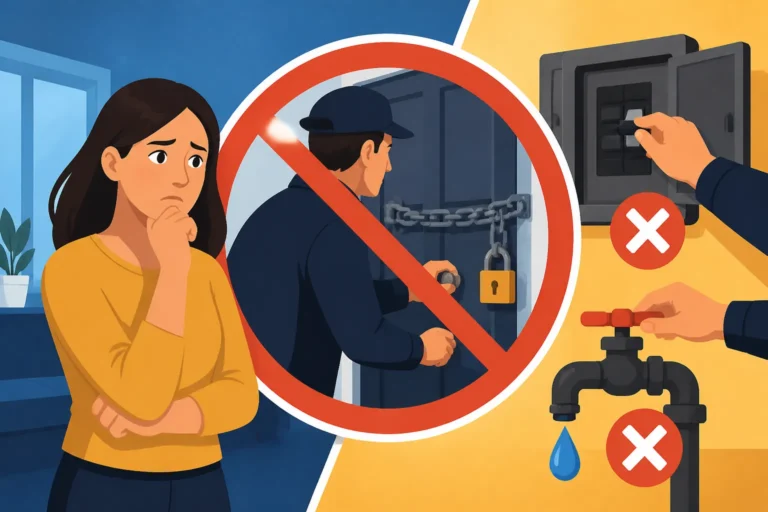
Now, this is a crucial point that many new landlords, and even some seasoned ones, mistakenly stumble on. In South Carolina, it is absolutely, unequivocally illegal for a landlord to engage in "self-help" evictions. This means you cannot take matters into your own hands to force a tenant out of your property, no matter how frustrated you become. Things like changing the locks, shutting off utilities (water, electricity, gas), removing the tenant's belongings, or even intimidating them to leave are strictly forbidden.
These actions are not only illegal but can open you up to significant lawsuits, where the tenant could seek actual damages, attorney's fees, and even punitive damages. Imagine a scenario where a tenant hasn't paid rent for two months, and you're at your wit's end. You might think, "I'll just turn off the power, that'll get them out!" Don't do it. Instead, you must follow the legal eviction process. The courts are there to provide a lawful means of regaining possession of your property. Any attempt to circumvent the legal system will put you in a worse position, potentially facing penalties for illegal self-help eviction. Always remember, the only legal way to remove a tenant is through a court-ordered eviction process.
The South Carolina Eviction Process Step-by-Step
Evicting a tenant in South Carolina is a multi-step legal process that requires precision and adherence to specific timelines. Skipping a step or making an error in documentation can easily derail your efforts and force you to start over. It's not a quick fix, but by understanding and diligently following each stage, you can navigate it successfully. Many landlords find tools like LawDepot helpful for generating accurate legal forms, but always double-check against current state laws.
Serving Proper Eviction Notice
The first, and arguably most critical, step in the South Carolina eviction process is providing the tenant with a proper eviction notice. This isn't just a casual conversation; it's a formal legal document that informs the tenant of the reason for eviction and the timeframe they have to either remedy the situation or vacate the premises. For nonpayment of rent, South Carolina law typically requires a 5-day "pay or quit" notice. This notice tells the tenant they have five days to pay the overdue rent, or they must move out. If they fail to do either, you can proceed with filing an eviction lawsuit.
For lease violations other than nonpayment, or if the landlord wants to terminate a month-to-month tenancy, a 14-day "cure or quit" notice or a 30-day notice to quit is often required. The 14-day notice gives the tenant two weeks to fix the violation (e.g., remove an unauthorized pet) or face eviction. If they don't fix it within that period, you can move forward. For month-to-month tenancies, you generally need to provide at least 30 days' written notice to terminate the tenancy, even without a specific "cause." It's imperative that the notice is served correctly. This often means personal delivery, certified mail with a return receipt, or posting it conspicuously on the property, depending on the specific circumstances and local rules. Improper service can invalidate the entire notice and force you to restart the clock, leading to significant delays. Remember that specific situations, such as an eviction for illegal activity, may have different notice periods, so always confirm the exact requirements for your county.
Filing an Eviction Lawsuit Summons and Complaint
If the tenant fails to comply with the eviction notice (i.e., they don't pay rent, fix the violation, or move out) within the specified timeframe, your next step is to formally initiate an eviction lawsuit. This is done by filing a "Summons and Complaint for Ejectment" with the appropriate court. In South Carolina, these cases are typically handled in Magistrate's Court (also known as small claims court). You'll need to fill out the necessary forms, which typically include details about the property, the tenant, the reason for eviction, and proof that proper notice was served.
Once you file these documents, a copy must then be "served" on the tenant by a sheriff or a private process server. This isn't something you can do yourself; it needs to be done by an authorized third party to ensure proper legal notification. The summons informs the tenant that an eviction case has been filed against them and provides a deadline by which they must respond to the court. If the tenant doesn't respond within the specified time, usually around 10 to 30 days depending on the method of service and local court rules, you might be able to get a default judgment, which would speed up the process considerably. However, many tenants do respond, which leads to the next step: a court hearing.
The Eviction Hearing and Judgment
If the tenant responds to the summons, a court date will be set for an eviction hearing. This is your opportunity, as the landlord, to present your case to the magistrate. It’s absolutely critical that you come prepared with all relevant documentation. This includes:
- A copy of the lease agreement.
- Proof of proper eviction notice service (e.g., certified mail receipt, affidavit of service).
- Records of unpaid rent or specific details of lease violations (e.g., ledgers, photographs, communication logs).
- Any correspondence between you and the tenant regarding the issues.
You'll need to clearly articulate why you are seeking eviction and provide evidence to support your claims. The tenant will also have an opportunity to present their defense, which might include arguments that the landlord failed to maintain the property (breaching the Implied Warranty of Habitability Explained), that the notice was improper, or that the landlord is engaging in Retaliatory Eviction Defense. The magistrate will listen to both sides, review the evidence, and then issue a judgment. If the judgment is in your favor, the court will typically issue an "Order of Ejectment," granting you possession of the property. If the tenant wins, they remain in the property, and you'll need to re-evaluate your legal strategy. Understanding the Eviction Process by State (Step-by-Step) can help clarify nuances.
Writ of Ejectment and Tenant Removal
Even after you receive a favorable judgment from the court, the tenant doesn't automatically pack up and leave. The next step is to obtain a "Writ of Ejectment" (sometimes called a Writ of Possession), which is an official court order directing a law enforcement officer, typically the sheriff, to physically remove the tenant from the property if they still refuse to leave. You usually have to request this writ from the court after the judgment is issued and any appeal period has passed.
Once the writ is issued, you will deliver it to the local sheriff's department. The sheriff will then schedule a time to go to the property and legally enforce the eviction. They will serve the tenant with the writ, giving them a final deadline (often 24 hours in South Carolina) to vacate. If the tenant still has not left by that deadline, the sheriff will return and supervise their removal from the premises. This is the only legal way to physically remove a tenant from your property. Never attempt to remove a tenant yourself, even with a court order. Let law enforcement handle the physical removal to avoid any liability issues. For comprehensive property management, software like DoorLoop can help keep all your eviction documents organized and streamline communication throughout this demanding process.
Important Considerations for South Carolina Landlords
While the step-by-step process might seem straightforward, the reality of evicting a tenant can be complex. There are many factors that can influence the outcome, from meticulous record-keeping to understanding tenant defenses. Being aware of these additional considerations can save you significant headaches and costs down the line.
Documenting Everything Meticulously
This cannot be stressed enough: document, document, document! In landlord-tenant disputes, particularly evictions, your word against the tenant's often won't hold up in court without solid evidence. Every interaction, every repair request, every rent payment (or lack thereof), and every notice served should be recorded. Think of yourself as building a detailed case file from the very beginning of the tenancy.
Keep copies of:
- The signed lease agreement and any addendums.
- All rent payment records, including dates, amounts, and any late fees.
- Written communication with the tenant (emails, texts, letters) regarding issues like repairs, lease violations, or rent reminders.
- Photographs or videos of property condition at move-in and any damage caused during the tenancy.
- Copies of all notices served to the tenant, with proof of delivery (e.g., certified mail receipts, process server affidavits).
- Detailed notes of phone calls or in-person conversations, including dates, times, and summaries of what was discussed.
This meticulous record-keeping acts as your undeniable proof in court. Without it, a tenant's claim that they paid rent or never received a notice could undermine your entire case. Tools like LawDepot can assist in creating standardized forms, but maintaining organized records is your ongoing responsibility. This level of detail also helps you accurately track deadlines, which is critical when it comes to things like the Security Deposit Return Deadline in South Carolina.
Avoiding Retaliation and Discrimination
South Carolina landlords, like those across the country, are legally prohibited from engaging in retaliatory eviction or discrimination. A retaliatory eviction occurs when a landlord attempts to evict a tenant in response to the tenant exercising their legal rights. For example, if a tenant complains to a housing authority about unsafe living conditions or requests repairs that are the landlord's responsibility, and you immediately serve them an eviction notice, that could be seen as retaliation.
Similarly, discrimination is strictly illegal. The Fair Housing Act protects tenants from discrimination based on race, color, national origin, religion, sex (including gender identity and sexual orientation), familial status, and disability. Some states and local jurisdictions in South Carolina might have additional protected classes. You cannot evict a tenant, or refuse to renew their lease, based on any of these protected characteristics. Even if you have a valid reason for eviction, if a tenant can prove that your true motive was discriminatory or retaliatory, your eviction case will fail, and you could face severe penalties and lawsuits. Always ensure your actions are based solely on legitimate, non-discriminatory, and non-retaliatory reasons related to the lease agreement or state law. For more on this, you can check out information on Fair Housing Act: Protected Classes Explained.
Potential Costs and Timelines
Evicting a tenant is rarely a quick or cheap process. Landlords often underestimate the financial and time commitment involved, which can lead to further stress. In South Carolina, you can expect to incur various costs throughout the eviction process. These typically include:
- Court filing fees: These vary by county but are generally a few hundred dollars.
- Service of process fees: Paying the sheriff or a private process server to deliver the summons and complaint can cost anywhere from $30 to $100 per tenant.
- Writ of Ejectment fees: Another fee for the court order to physically remove the tenant.
- Attorney fees: While you can represent yourself in Magistrate's Court, many landlords opt for legal counsel, which can significantly increase costs but also improves the chances of a smooth process.
- Lost rent: This is often the biggest financial hit, as you won't be collecting rent while the eviction process unfolds.
- Property damage and cleaning: Once the tenant is out, you may face costs for repairs, cleaning, and turning over the unit, especially if they left property behind or caused damage beyond what a security deposit can cover, as detailed in What Can a Landlord Deduct From a Security Deposit?.
As for timelines, an eviction in South Carolina can take anywhere from a few weeks to several months, depending on how quickly the court system moves, whether the tenant contests the eviction, and if there are any appeals. Even a seemingly straightforward case for nonpayment of rent might take 3-4 weeks from the initial notice to the final writ of ejectment. A contested case with appeals could drag on much longer. This extended timeline underscores the importance of having financial reserves to cover mortgage payments and other expenses during periods of vacancy and non-payment. Software like DoorLoop can help landlords track these costs and manage properties more efficiently.
Navigating Special Circumstances
Not all evictions are created equal, and some situations present unique challenges that require careful navigation. For instance, what if you're dealing with How to Evict a Tenant Without a Lease? While still possible, the process might differ slightly, often requiring a longer notice period for termination of tenancy rather than a "pay or quit" or "cure or quit" notice. Understanding these nuances is key.
Another common special circumstance involves How to Evict a Roommate or Family Member. If they are not on the lease, they might be considered an "occupant" or "guest" rather than a tenant, which can complicate things. In such cases, you might still need to go through a formal eviction, even if they never paid rent or signed an agreement. Squatters present another distinct challenge. While South Carolina has laws regarding Squatters' Rights and Adverse Possession by State, generally, you'll still need to follow a legal process to remove them, though it might be different from a typical tenant eviction. Always consult with a local attorney if your situation involves these or other complex scenarios to ensure you're following the correct legal path and protecting your interests.
| Eviction Ground | Initial Notice Period (SC) | Typical Court Process Duration | Sheriff Removal Time (Post-Writ) |
|---|---|---|---|
| Nonpayment of Rent | 5-Day Pay or Quit | 2-4 Weeks | 24 Hours – 5 Days |
| Lease Violation | 14-Day Cure or Quit | 2-6 Weeks | 24 Hours – 5 Days |
| No-Cause (Month-to-Month) | 30-Day Notice to Quit | 2-6 Weeks | 24 Hours – 5 Days |
| Illegal Activity | 14-Day Unconditional Quit | 2-4 Weeks (can be expedited) | 24 Hours – 5 Days |
| Holdover Tenant | Varies (often 30 days) | 2-6 Weeks | 24 Hours – 5 Days |
Disclaimer
Please remember that this guide provides general information about landlord-tenant law in South Carolina and should not be considered legal advice. Landlord-tenant laws are complex and can change. For advice specific to your situation, it is always recommended to consult with a qualified attorney in South Carolina.