How to Break a Lease in Georgia
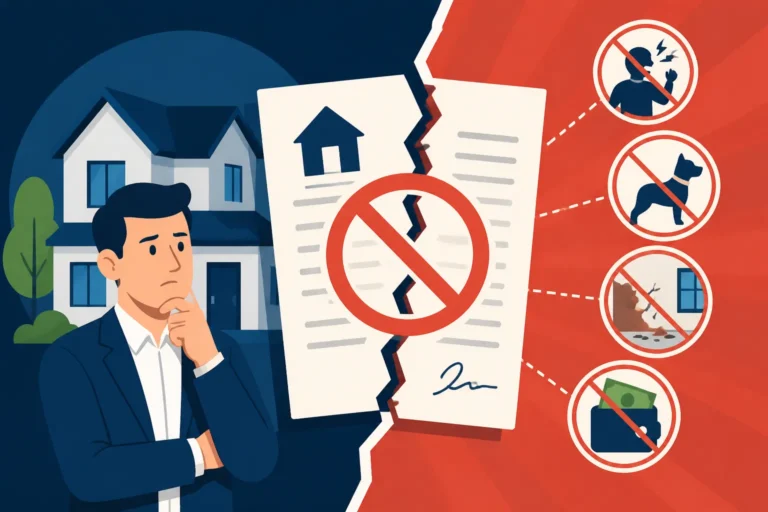
Finding yourself in a situation where you need to break a lease in Georgia can feel incredibly overwhelming, especially when you’re unsure about your rights, the potential costs, and the proper steps to take. It's a common dilemma, often brought on by unexpected life changes like a job relocation, family emergency, or even issues with the rental itself. This guide aims to demystify the process, walking you through the legal justifications and practical strategies for ending your lease early in Georgia, helping you navigate this tricky landlord-tenant landscape with confidence.
Understanding Your Lease Agreement in Georgia
Before you even think about packing a single box or having a conversation with your landlord, the very first and most crucial step is to pull out your lease agreement. This document is a legally binding contract, and it holds all the specific terms and conditions you agreed to when you moved in. Many tenants skim over these details, only to realize later how important they are. In Georgia, like many other states, the lease agreement is the primary source of truth for your rental relationship.
Key Lease Clauses to Look For
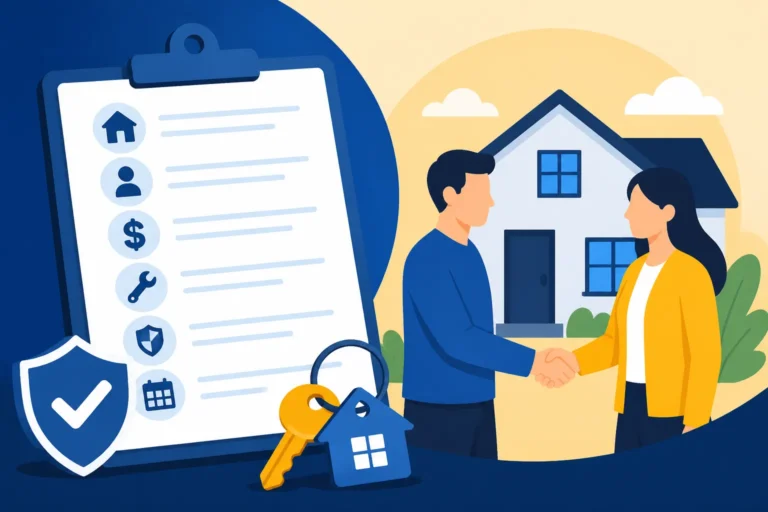
Your lease is more than just a piece of paper; it’s a detailed roadmap of your tenancy. You need to scrutinize every section, particularly those related to ending your agreement.
The most critical clause to locate is any mention of an "early termination clause." Some landlords, especially those managing larger apartment complexes or using standardized forms from services like LawDepot, include specific provisions outlining what happens if you break the lease. This clause might detail a specific penalty, such as two months' rent, or it might outline a process you need to follow, like giving a certain amount of notice and assisting in finding a new tenant. If your lease has such a clause, it essentially provides a contractual way out, albeit usually with a financial cost. It’s always best to be prepared for these scenarios, which we discuss further in our guide on what to expect when you have an Early Lease Termination Clause Explained
Beyond early termination, look for sections on "subletting" and "lease assignment." Subletting means you find someone to live in your unit and pay rent to you, and you, in turn, pay your landlord. Lease assignment means you transfer the entire lease agreement to a new tenant, effectively removing yourself from the contract's obligations. Many leases prohibit these actions without the landlord's explicit written consent, or they lay out a specific approval process. Knowing if these options are available to you, even with restrictions, can provide alternative avenues to minimize your financial burden.
Fixed-Term vs. Month-to-Month Leases
The type of lease you have significantly impacts your ability to break it. Most tenants in Georgia sign a "fixed-term lease," typically for 12 months. This type of lease legally binds you to the property for the entire duration, meaning you're responsible for rent until the lease expires or a new tenant takes over, even if you move out early. Breaking a fixed-term lease without a legal justification almost always incurs some form of penalty.
In contrast, a "month-to-month lease" offers much more flexibility. This agreement renews automatically each month and can be terminated by either the tenant or the landlord with proper notice, usually 30 or 60 days in Georgia. If you have a month-to-month agreement, giving the required notice means you aren't "breaking" the lease at all; you're simply terminating it as per the agreed-upon terms. This is a key distinction, and understanding whether you have a Fixed-Term vs Month-to-Month Leases
Legal Justifications for Breaking a Lease in Georgia
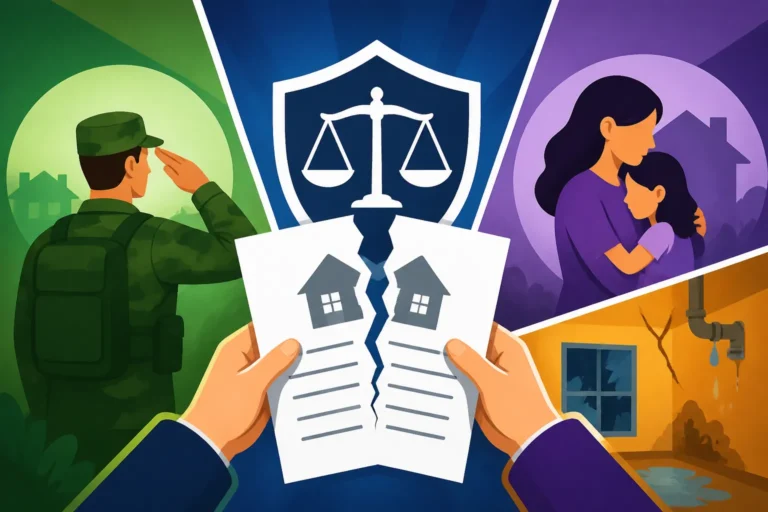
While your lease agreement is a contract, there are specific circumstances where Georgia law, or federal law, allows you to legally break your lease without facing the typical penalties. These situations are often related to ensuring tenant safety, respecting military service, or addressing severe landlord negligence. It’s important to understand these specific protections, as they can save you significant financial and legal headaches.
Uninhabitable Living Conditions
Every tenant in Georgia has a right to a safe and livable home. This is protected by what's known as the "implied warranty of habitability." If your landlord fails to maintain the property to a reasonable standard, making it unsafe or uninhabitable, you might have grounds to break your lease. What constitutes "uninhabitable"? Think about severe issues that impact your health and safety, such as:
- Lack of essential utilities (water, heat, electricity) for an extended period, not due to your fault.
- Major structural problems (e.g., collapsed ceilings, severe roof leaks).
- Serious pest infestations (like bed bugs or rodents) that the landlord refuses to address.
- Non-functioning plumbing or sewage systems.
- Dangerous electrical wiring.
Before you consider breaking your lease for uninhabitable conditions, it's crucial to follow a specific process. First, you must notify your landlord in writing about the issue, describing the problem clearly and requesting repairs. It’s vital to keep a copy of this notice and send it via certified mail with a return receipt requested, creating a paper trail. Give them a "reasonable" amount of time to fix the problem – what's reasonable often depends on the severity of the issue, but generally, a few days for urgent repairs and longer for less critical ones. If the landlord fails to act within that timeframe, or if the conditions persist, then you might have a legal basis to move out and terminate the lease without penalty. Our guide on Breaking a Lease Due to Mold or Uninhabitable Conditions
Active Military Duty (SCRA)
For active service members, federal law provides robust protections under the Servicemembers Civil Relief Act (SCRA). If you enter military service, receive permanent change of station (PCS) orders, or are deployed for 90 days or more, the SCRA allows you to terminate your lease early without penalty. This is a federal law, so it applies uniformly across all states, including Georgia.
To properly invoke the SCRA, you must:
- Provide written notice to your landlord.
- Include a copy of your military orders or a letter from your commanding officer verifying your deployment or PCS.
- The termination becomes effective 30 days after the next rent payment is due, following your notice. For example, if rent is due on the 1st, and you give notice on May 15th, your lease would terminate on July 1st.
This protection is invaluable for military families who often face unpredictable relocation demands. For a detailed walkthrough of the process, check out our resource on Military (SCRA) Lease Termination Step-by-Step
Landlord Harassment or Privacy Violations
While not as common, a pattern of landlord harassment or significant violations of your privacy can also be grounds to legally break a lease in Georgia. Landlords have a right to access their property, but they must do so within legal bounds. This generally means providing reasonable notice (often 24-48 hours, though Georgia law doesn't specify a minimum, it implies "reasonable") before entering your unit for non-emergency reasons.
Examples of potential harassment or privacy violations include:
- Entering your apartment without notice or permission.
- Showing the apartment to prospective tenants without proper notice.
- Frequently dropping by or calling without legitimate reason.
- Shutting off utilities to force you out (which is illegal self-help eviction).
If you experience these issues, document everything: dates, times, witnesses, and specific incidents. Send written notices to your landlord demanding they cease the behavior. If the harassment continues despite your written requests, it could be argued that the landlord has constructively evicted you, meaning they’ve made the property unlivable through their actions. Consulting with a local attorney is highly recommended in such situations to ensure you follow the correct legal path.
Domestic Violence or Stalking Protections
Georgia law provides specific protections for tenants who are victims of family violence. Under O.C.G.A. § 44-7-23, a tenant who is a victim of family violence (as defined by state law) may terminate their lease early if they provide the landlord with proper documentation. This documentation typically includes a copy of a protective order, a police report, or a statement from a qualified third party (like a counselor or shelter advocate).
Similar to the SCRA, there’s a specific process to follow:
- Provide written notice to your landlord.
- Include certified documentation of the domestic violence.
- The termination typically becomes effective 30 days after the next rent payment is due, or earlier if the lease specifies.
This critical protection allows victims to escape dangerous situations without being penalized for their housing arrangements. Our comprehensive guide on Domestic Violence Lease Termination by State
Strategies for Minimizing Penalties When Breaking a Lease
Sometimes, life throws a curveball, and you need to move for reasons that aren't legally protected, like a new job offer in a different state, a sudden medical need that requires moving closer to family, or even just needing more space. In these cases, you’ll want to do everything you can to minimize the financial repercussions. Georgia law, like many other states, generally requires tenants who break their lease to be responsible for the remaining rent until the lease term ends or a new tenant is found. However, there are proactive steps you can take.
Negotiating with Your Landlord
One of the most effective, yet often overlooked, strategies is open and honest communication with your landlord. Many landlords are more reasonable than tenants give them credit for, especially if you approach them professionally and promptly.
- Communicate Early and Honestly: As soon as you know you need to move, reach out to your landlord. Explain your situation clearly and respectfully. The more notice you give, the better your chances of a favorable outcome.
- Propose Solutions: Don't just present the problem; offer solutions. Suggest helping to find a new tenant, or offer to pay a one-time early termination fee if your lease doesn’t already specify one.
- Highlight Your Good Tenancy: Remind them you've been a responsible tenant, paid rent on time, and maintained the property well. This can build goodwill.
- Be Prepared to Compromise: Your landlord isn't obligated to let you off the hook. Be ready to negotiate. They might agree to release you from the lease if you forfeit your security deposit or pay an additional month's rent. Compare this to the potential cost of paying rent for several more months.
- Get Everything in Writing: Any agreement you reach with your landlord must be put in writing and signed by both parties. This prevents misunderstandings and protects you legally.
Finding a Replacement Tenant (Subletting or Assignment)
Even if your lease doesn't explicitly allow subletting or assignment, it's worth discussing these options with your landlord. In Georgia, landlords generally have a "duty to mitigate damages." This means they are legally required to make reasonable efforts to re-rent the property after you move out, rather than simply letting it sit vacant and charging you all the remaining rent.
- Offer to Help Find a New Tenant: This is where you can be proactive. Ask your landlord if you can help advertise the unit, show it to prospective renters, and even screen applicants. Sites like Zillow, Apartments.com, or local Facebook groups can be good places to start. This demonstrates your commitment to minimizing their loss and your own liability.
- Understand Landlord's Rights: While they have a duty to mitigate, landlords don't have to accept any tenant you find. They can apply their usual screening criteria (credit, income, rental history) to new applicants. They also aren't required to prioritize your unit over other vacant properties they own.
- Subletting vs. Assignment:
- Subletting: You remain the primary tenant on the lease and are responsible for ensuring the subtenant pays rent and adheres to lease terms. The subtenant pays you, and you pay the landlord. This can be complex and carries more risk for you.
- Assignment: You transfer all your rights and responsibilities under the lease to a new tenant. Once the landlord approves and the assignment is formally completed, you are typically released from future obligations. This is generally the preferred option if available.
- Formalize the Agreement: If your landlord agrees to a sublet or assignment, ensure all necessary paperwork is completed, signed by all parties, and clearly states your release from the lease, if applicable. Legal document services like LawDepot can offer templates for sublease agreements or assignment forms that adhere to legal standards.
Understanding your landlord’s Landlord Duty to Mitigate Damages Explained
Understanding Financial Liabilities
When you break a lease without legal justification, you're typically responsible for the rent until the end of the lease term or until a new tenant moves in, whichever comes first. However, the exact financial liability can vary significantly.
- Remaining Rent: This is the primary concern. If your lease has six months left at $1,500/month, you could theoretically be on the hook for $9,000. However, the landlord’s duty to mitigate damages will likely reduce this.
- Early Termination Fees: If your lease includes an early termination clause, it will likely specify a fixed fee (e.g., two months' rent). Paying this fee releases you from further obligations. This can be a predictable way to exit the lease.
- Marketing and Re-rental Costs: Your landlord might charge you for the costs associated with finding a new tenant, such as advertising fees, tenant screening costs, and commissions paid to real estate agents. These must be reasonable and documented.
- Security Deposit: Your security deposit can be withheld by the landlord to cover unpaid rent, damages beyond normal wear and tear, or early termination fees. It’s important to understand Security Deposit and Broken Lease: What Happens
- Collections and Credit Impact: If you simply abandon the property and stop paying, your landlord can send the debt to collections, which will severely damage your credit score, or even sue you for the owed amounts. This is why proactive communication and negotiation are always better than simply leaving. Our guide on How Much Does It Cost to Break a Lease?
Here’s a quick overview of potential outcomes when breaking a lease:
| Scenario | Legal Justification? | Potential Outcomes | Best Action for Tenant |
|---|---|---|---|
| Uninhabitable Conditions | Yes | Lease terminated without penalty. Landlord may dispute. | Document all issues (photos, videos), send certified written notice for repairs, allow reasonable time, consult local tenant rights organizations or an attorney if landlord fails to act. |
| Active Military Duty (SCRA) | Yes | Lease terminated without penalty after proper notice. | Provide written notice with military orders or commanding officer's letter. |
| Domestic Violence/Stalking | Yes | Lease terminated without penalty after proper notice. | Provide written notice with certified documentation (protective order, police report, etc.). Seek support from victim advocacy groups. |
| Landlord Harassment | Yes (potential) | Lease terminated without penalty, but often requires legal action to prove constructive eviction. | Document all incidents, send certified written demands for cessation of harassment, consider consulting an attorney. |
| Job Relocation / Personal Reasons | No | Responsible for rent until new tenant found or lease ends; potential early termination fees; loss of security deposit; re-rental costs. | Communicate immediately with landlord, try to negotiate an exit agreement, offer to help find a new tenant (sublet/assignment), understand the landlord's duty to mitigate damages. Get all agreements in writing. |
| Lease Abandonment (No Notice) | No | Full liability for remaining rent, significant damage to credit score, potential lawsuit, difficulty renting in the future. | Avoid at all costs. Always communicate and follow a formal process, even if it means paying some penalties. |
The Formal Process of Notifying Your Landlord
No matter your reason for needing to break your lease, the most important step is always clear, timely, and documented communication with your landlord. Ignoring the situation or simply disappearing is the absolute worst thing you can do, as it will likely lead to greater financial and legal consequences.
Sending a Written Notice
Once you’ve reviewed your lease and considered your options, the next step is to formally notify your landlord. This notice must always be in writing. A phone call, text message, or casual conversation isn't sufficient, as it leaves no verifiable record.
Your written notice should include:
- Your intention to vacate the property and the date you plan to move out.
- The reason for breaking the lease (if it's a legally protected reason, reference the specific law, e.g., SCRA).
- A clear request for them to acknowledge your notice and discuss the next steps.
- Your new forwarding address for the return of your security deposit and any future communications.
It’s advisable to send this letter via certified mail with a return receipt requested. This provides you with proof that the landlord received the notice and on what date. Many online legal services, including LawDepot, provide templates for official How to Write a Notice to Vacate
Documenting Everything
A paper trail is your best friend when dealing with any landlord-tenant issue, especially breaking a lease. From the moment you even think about moving out early, start documenting.
- Copies of all correspondence: Keep copies of every letter, email, or even relevant text messages exchanged with your landlord.
- Photos and videos: Document the condition of your unit before you move out. Take timestamped photos and videos of every room, appliance, and fixture. This is especially crucial if you anticipate disputes over your security deposit.
- Move-out inspection: Request a joint move-out inspection with your landlord. If they refuse or cannot make it, document the unit's condition yourself.
- Financial records: Keep records of all rent payments, any early termination fees paid, and receipts for any re-rental costs you might incur.
This meticulous documentation can be invaluable if a dispute arises later, particularly if your landlord attempts to withhold your security deposit improperly or charge you for damages you didn't cause. In the unfortunate event of a legal dispute, having a clear record of communication and the property's condition will strengthen your position. For more on what happens when a lease is broken, consider reading What Happens If You Break a Lease?
When to Seek Legal Advice
Navigating landlord-tenant law can be complex, and while this guide provides general information for Georgia, every situation is unique. If you're facing a particularly difficult landlord, significant financial penalties, or feel your rights are being violated, don't hesitate to seek legal counsel.
An attorney specializing in landlord-tenant law can:
- Review your lease and advise you on your specific rights and obligations.
- Help you understand if you have legal grounds to break your lease without penalty.
- Negotiate with your landlord on your behalf.
- Represent you in court if necessary, such as if you need to consider Suing a Landlord for Your Deposit Small Claims & Penalties
- Provide guidance on how to properly document your claims and notices.
Organizations like Georgia Legal Aid or local tenant unions can also offer free or low-cost legal assistance and resources. Sometimes, simply knowing your rights and having a professional to guide you can make all the difference in achieving a fair outcome when you need to How to Get Out of a Lease You Just Signed
Disclaimer
Please remember that this article provides general information and is not a substitute for legal advice. Landlord-tenant laws can be complex and are subject to change. Always consult with a qualified attorney or housing counselor in Georgia for advice tailored to your specific situation.