How to Break a Lease in Florida
Life happens, and sometimes, despite your best intentions and signing on the dotted line, you find yourself needing to move out of your rental before your lease is up. It’s a stressful situation that many renters in Florida face, filled with questions about financial penalties, legal repercussions, and whether there’s even a way out. This comprehensive guide is here to walk you through the ins and outs of how to break a lease in Florida, empowering you with the knowledge to navigate this challenging time with clarity and confidence.
Understanding Your Lease Agreement in Florida
Before you even think about packing a single box or calling your landlord, you absolutely must understand the terms of your lease agreement. This document is the cornerstone of your tenancy, outlining the rights and responsibilities of both you and your landlord. In Florida, lease agreements are legally binding contracts, and breaking one prematurely can have significant consequences if not handled correctly.
The Importance of a Written Lease
While verbal agreements might exist, in Florida, a written lease agreement is the gold standard for good reason. It provides a clear, undeniable record of what was agreed upon, from the monthly rent amount to who is responsible for utilities and, critically, what happens if you need to end the lease early. Without a written lease, proving specific terms in court can become a "he-said, she-said" nightmare, making it incredibly difficult to defend your actions or seek recourse. Many landlords use professional services like LawDepot or TurboTenant to create clear, legally sound lease agreements that leave little room for ambiguity. If you haven't thoroughly read your lease, now is the time to sit down with a highlighter and go through every single clause, especially those pertaining to early termination.
Common Lease Clauses Affecting Early Termination
Look closely for sections that specifically address what happens if you break the lease. Some leases in Florida might include:
- Early Termination Clause: This is your best friend if it exists. An early termination clause will often spell out the exact penalties for breaking a lease, such as a flat fee (often two months' rent) or forfeiture of your security deposit. If your lease has this, it provides a clear pathway, albeit one with a cost, for ending your tenancy legally and cleanly. Always understand an early lease termination clause explained fully.
- Subletting Clause: Some leases allow you to sublet your unit, meaning you find a new tenant to take over your responsibilities for the remainder of your lease term. However, this usually requires landlord approval, and you might still be liable if the new tenant defaults.
- Lease Assignment Clause: Similar to subletting, assigning a lease means you transfer all your rights and responsibilities to a new tenant. Again, landlord approval is almost always required, and the original tenant may or may not be released from all liability depending on the agreement.
- Liquidated Damages Clause: This clause sets a predetermined amount of money you owe if you break the lease, rather than the landlord having to calculate actual damages. Florida law does allow for these in certain circumstances, but they must be reasonable.
If your lease doesn't explicitly have an early termination clause, don't despair. Florida law still provides some pathways and protections, but it means you'll have to rely on general landlord-tenant statutes and the principle of "mitigation of damages."
Legal Justifications for Breaking a Lease in Florida
While breaking a lease usually comes with financial penalties, there are specific legal reasons in Florida that allow tenants to terminate their lease early without facing significant financial repercussions. These reasons are often tied to specific circumstances that make continuing the tenancy untenable or legally protected.
Valid Reasons Without Penalty
Florida law outlines several scenarios where a tenant can legally break a lease without being held responsible for future rent payments. These include:
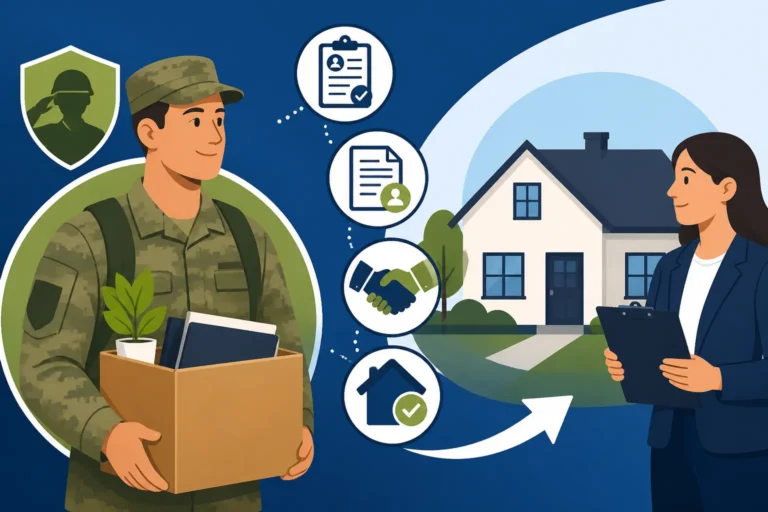
- Active Military Duty (Servicemembers Civil Relief Act – SCRA): If you are a servicemember who receives permanent change of station (PCS) orders or orders to deploy for 90 days or more, the SCRA allows you to terminate your lease early. You must provide written notice to your landlord, along with a copy of your orders, usually 30 days before your desired termination date. This protection is a significant relief for military families. To learn more, check out military (SCRA) lease termination step-by-step.
- Serious Health and Safety Violations: Florida landlords have a legal duty to maintain a habitable living environment. If your landlord fails to make necessary repairs to serious issues that affect your health and safety – such as a lack of hot water, a broken HVAC system in extreme temperatures, a severe pest infestation, or structural problems – you might have grounds to break the lease. However, you must first provide proper written notice of the issue and give the landlord a reasonable opportunity to fix it. Generally, a "reasonable opportunity" means seven days in Florida for most essential services. If they fail to fix it, you might be able to move out and terminate the lease, potentially claiming constructive eviction.
- Landlord Harassment or Privacy Violations: Landlords in Florida must provide "reasonable notice" before entering your unit, typically 12 hours, and can only enter for specific, legitimate reasons (like repairs or inspections). If your landlord repeatedly enters your home without proper notice or consent, or engages in other forms of harassment, you may have grounds to terminate the lease. Document every instance thoroughly.
- Domestic Violence, Sexual Violence, Stalking, or Repeat Violence: Florida Statute 83.56(1)(e) offers protections for tenants who are victims of domestic violence, sexual violence, stalking, or repeat violence. To legally terminate the lease, the tenant must provide the landlord with written notice and proper documentation, such as an injunction for protection, a police report, or a domestic violence advocate's statement. This allows victims to escape unsafe living situations.
When Breaking a Lease Might Be Justified (But Still Risky)
Beyond the legally enshrined reasons, there are other situations where breaking a lease might seem justified, but they don't automatically exempt you from liability under Florida law. These often require careful negotiation with your landlord or a strong case in court.
- Uninhabitable Conditions (Beyond Basic Repairs): While a lack of essential services is a clear violation, what if the property becomes truly uninhabitable due to something more catastrophic, like a major fire or flood, through no fault of your own? In such cases, the lease may be terminated, but the specifics depend on the severity of the damage and the lease language. You'll want to review your lease carefully for clauses on casualty damage.
- Landlord Breach of Lease: If your landlord violates a significant term of the lease agreement that isn't a habitability issue (for example, failing to provide an amenity specifically promised in the lease, like a dedicated parking spot that's then revoked), you might argue for lease termination. However, this is usually a more complex legal argument and often requires you to prove the breach was substantial and unresolved after written notice. Understanding lease violations & what counts can be crucial here.
It’s crucial to understand that simply being unhappy with your apartment, a new job relocation (unless military), or a difficult roommate generally won't be enough to break a lease without penalty in Florida.
Unjustified Reasons and the Consequences
For any reason not explicitly protected by Florida law or specified in your lease's early termination clause, breaking your lease is considered a breach of contract. This means you could face several serious consequences:
- Financial Liability for Remaining Rent: The most common consequence is being held responsible for the rent for the remainder of your lease term, or until the landlord finds a new tenant, whichever comes first. This is where the concept of "mitigation of damages" comes into play, which we’ll discuss next.
- Loss of Security Deposit: It's highly likely your landlord will keep your entire security deposit to cover lost rent, re-rental costs, or damages. You might be interested in learning what can a landlord deduct from a security deposit.
- Collection Actions and Credit Damage: If you owe a significant amount of money that you don't pay, your landlord might send the debt to a collection agency, which can severely impact your credit score. An eviction filing, even if you move out before a final judgment, can also negatively affect your ability to rent in the future.
- Lawsuit: Your landlord could sue you in small claims court for unpaid rent, re-rental costs, and other damages incurred due to your lease breach. This can be costly and time-consuming. To get a full picture of the potential financial burden, it's wise to consider how much does it cost to break a lease?
| Reason for Breaking Lease | Florida Legal Protection | Potential Financial Penalties | Actionable Steps |
|---|---|---|---|
| Active Military Orders | ✅ Yes (SCRA) | Minimal/None | Written notice + orders |
| Uninhabitable Conditions | ✅ Yes (Health/Safety) | Minimal/None | Written notice, reasonable time for repair, documentation |
| Landlord Harassment | ✅ Yes | Minimal/None | Document incidents, written notice |
| Domestic/Sexual Violence | ✅ Yes (FL Statute 83.56) | Minimal/None | Written notice + legal documentation |
| Job Relocation | ❌ No | High | Negotiate with landlord, assist in finding new tenant |
| Buying a House | ❌ No | High | Negotiate with landlord, assist in finding new tenant |
| Financial Hardship | ❌ No | High | Negotiate with landlord, assist in finding new tenant |
| Medical Reasons | ❌ No | High | Negotiate with landlord, assist in finding new tenant |
The Financial Ramifications of Breaking a Lease Early
Let’s be honest, for most people, the biggest concern when breaking a lease is the money. No one wants to be on the hook for thousands of dollars in rent for an apartment they’re no longer living in. Understanding your financial liability and your landlord’s responsibilities can help you navigate this tricky terrain.
Understanding Your Liability
In Florida, if you break your lease for an unjustified reason, you are generally liable for the remaining rent for the entire lease term. This can feel like a huge burden, but there's a critical legal principle that often limits this liability: the landlord's duty to mitigate damages. Without this, imagine owing a year's worth of rent on an empty apartment!
Mitigation of Damages: The Landlord's Responsibility
Florida law places a duty on landlords to "mitigate damages" when a tenant breaks a lease. This means your landlord cannot just sit back and collect rent from you for an empty unit. They are legally obligated to make a reasonable effort to find a new tenant to re-rent the property. This process should be similar to how they would market the property if it were simply vacant at the end of a lease term. For instance, if your landlord lists the property on popular rental sites like Zillow or Apartments.com, conducts showings, and processes applications from prospective tenants promptly, they are likely fulfilling their duty.
If the landlord successfully re-rents the property, your liability for rent payments generally ends when the new tenant moves in and starts paying rent. However, you might still be responsible for the period the unit was vacant, as well as any legitimate re-rental costs (e.g., advertising fees, screening costs, or a pro-rated real estate commission). If your landlord, for example, uses a service like TurboTenant to quickly list and screen new applicants, they're actively mitigating damages. You should always insist on your landlord fulfilling their landlord duty to mitigate damages explained in detail.
Negotiating a Lease Buyout
Sometimes, the cleanest solution for both parties is a lease buyout. This is an agreement where you pay a lump sum to your landlord in exchange for being released from all further obligations under the lease. The amount is negotiable, but it often equals two or three months' rent, plus any re-rental fees.
Why would a landlord agree to this? It provides them with immediate cash flow to cover the vacancy and re-rental costs, without having to pursue you for months of rent or take you to court. For you, it offers peace of mind and a clear financial exit, allowing you to move on without the lingering worry of future payments. Always get a lease buyout agreement in writing, signed by both parties, stating that you are fully released from the lease.
Step-by-Step Guide to Breaking a Lease in Florida
So, you've decided you need to break your lease. What's the best way to approach it to minimize stress and financial impact? Follow these steps diligently.
Review Your Lease Carefully
This cannot be stressed enough. Before you do anything else, grab your lease agreement and read it thoroughly, specifically looking for clauses related to early termination, subletting, or assignment. Some leases even have specific early termination fees built-in, which might be your easiest, albeit costly, route out. You might find a specific "Early Lease Termination Clause Explained" that clarifies everything. Take notes on any relevant sections.
Communicate with Your Landlord in Writing
As soon as you know you need to break your lease, communicate with your landlord. While a phone call is a good first step, all formal communication must be in writing. This creates a paper trail, which is invaluable if a dispute arises later. Send a certified letter with a return receipt requested, or an email with read receipts, clearly stating your intention to vacate and the proposed date. Explain your situation calmly and professionally. Avoid emotional language.
This initial communication is also where you can bring up any legal justifications you might have for breaking the lease (e.g., military orders, unaddressed habitability issues, domestic violence). If you're going the negotiation route, propose a lease buyout amount or offer to help find a new tenant. For template guidance, consider how to write a notice to vacate.
Document Everything
From the moment you consider breaking your lease until you hand over the keys, document everything.
- Photos/Videos: Take detailed photos and videos of the property's condition before you leave. This helps protect your security deposit from unjustified deductions.
- Correspondence: Keep copies of all letters, emails, and even detailed notes from phone calls with your landlord. Date everything.
- Efforts to Mitigate: If you’re helping to find a new tenant, keep records of inquiries, showings, and applications you forward to your landlord.
This documentation will be your best friend if you ever need to dispute deductions from your security deposit or defend yourself in court. This also ties into the importance of creating a clear record, especially if you ever need to dispute security deposit deductions.
Assist in Finding a Replacement Tenant
Even if your landlord has a duty to mitigate damages, actively helping them find a replacement tenant can significantly reduce your financial liability.
- Offer to Show the Unit: With your landlord's permission and proper notice, offer to show the unit to prospective tenants.
- Spread the Word: Share the listing with your network, on social media, or local housing groups.
- Pre-Screen (with landlord approval): You could even offer to pre-screen potential tenants, gathering applications and passing along qualified candidates to your landlord. Just be sure to follow all fair housing laws.
Remember, the goal is to get a new, qualified tenant into the property as quickly as possible. The sooner that happens, the sooner your obligation to pay rent ends. This proactive approach can make a huge difference in the overall cost of what happens if you break a lease.
Final Thoughts on Breaking a Lease in Florida
Breaking a lease in Florida can feel overwhelming, but it's not an impossible task. By understanding your lease, knowing your legal rights and obligations under Florida law, communicating proactively and professionally with your landlord, and documenting every step of the process, you can navigate this situation effectively. While it often comes with a financial cost, careful planning and negotiation can help minimize the impact. Always prioritize written communication and remember that showing good faith, even when you're the one breaking the contract, can go a long way in achieving a more amicable resolution.
Disclaimer
This article is for general informational purposes only and does not constitute professional advice. Laws and regulations vary by location and change over time. Consult a qualified professional for guidance on your specific situation.