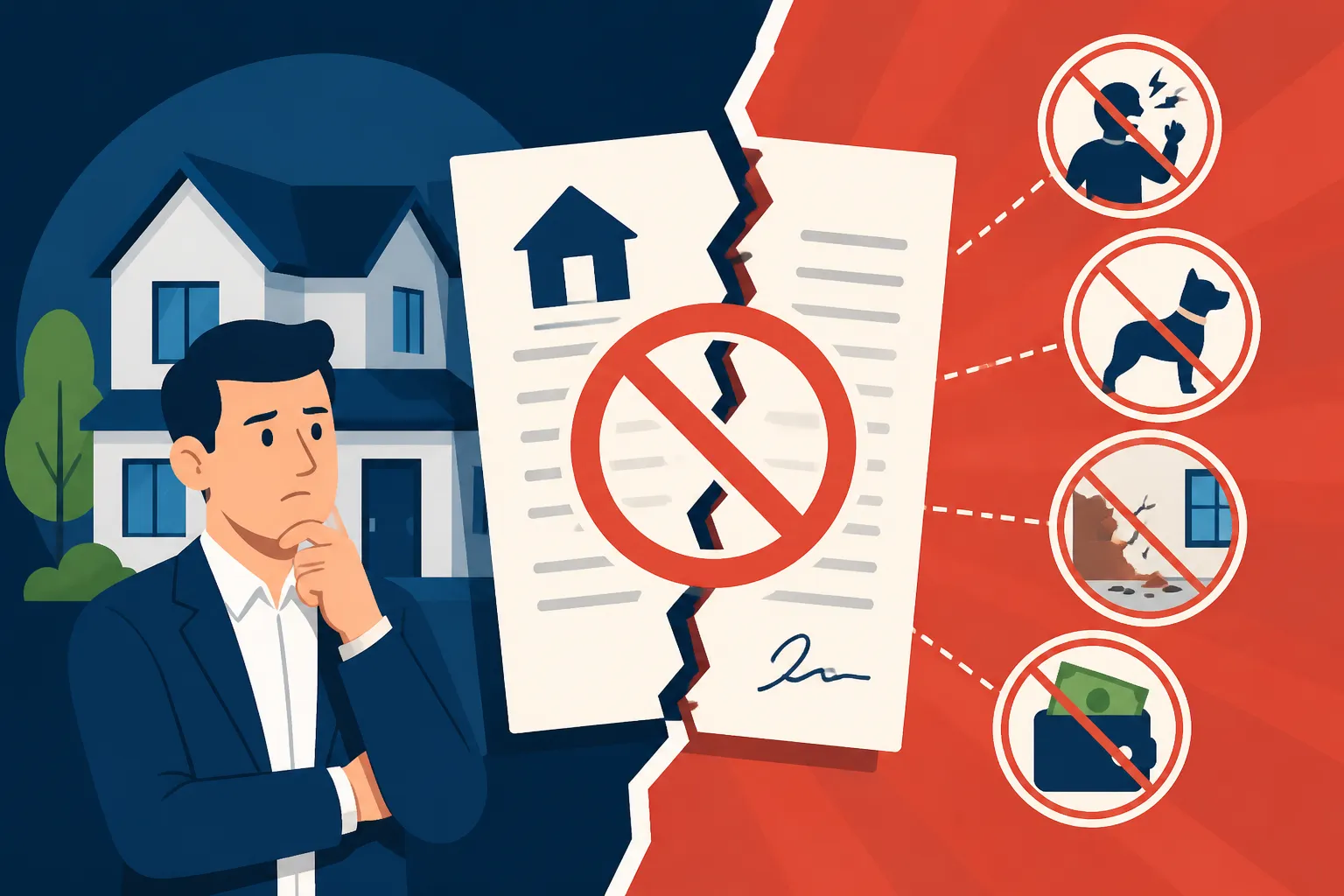
What Voids a Lease?
There’s nothing quite like the knot in your stomach when you’re wondering if that paper you signed, the one that dictates your housing situation, is actually worth the paper it's printed on. Whether you're a tenant worried about an unfair clause or a landlord questioning a tenant's actions, the legal validity of a lease agreement is a big deal. This comprehensive guide will walk you through the various scenarios that can render a lease agreement void or voidable, helping you understand your rights and responsibilities.
Understanding the Basics of a Valid Lease Agreement
Before we dive into what can break a lease, it's crucial to understand what makes one solid in the first place. A lease isn't just a casual handshake; it's a legally binding contract with specific requirements to ensure it holds up in court. If any of these foundational elements are missing or improperly handled, it can lay the groundwork for a lease to be challenged.
Essential Elements for Enforceability
For a lease agreement to be considered legally enforceable, it typically needs several key components. Think of it like baking a cake – miss a major ingredient, and it just won't come out right. First and foremost, there must be an offer (the landlord offers to rent the property) and acceptance (the tenant agrees to rent it). This sounds simple, but it needs to be clear and unambiguous. Beyond that, there must be consideration, which in a rental agreement, is usually the exchange of the property for rent payments. Both parties must also have the legal capacity to enter into a contract, meaning they must be of sound mind and legal age. For instance, a minor generally cannot enter into a binding lease agreement.
Another critical element is the intent to create a legal relationship. This ensures that both landlord and tenant understand they are entering into a serious, legal obligation, not just a casual arrangement. Finally, and perhaps most importantly, the lease must contain definite terms. This includes things like the names of the landlord and tenant, a clear description of the property, the amount of rent, when it's due, the lease duration, and any specific conditions or rules. Vague language or missing essential details can seriously weaken the enforceability of the entire agreement. It's often a good idea to ensure all these details are explicitly laid out, perhaps even using a platform like LawDepot to generate a robust, state-specific lease. You can find more detail on What to Include in a Lease Agreement in another one of our guides.
Common Pitfalls in Lease Creation
Even with the best intentions, mistakes happen when creating a lease, and these can sometimes lead to disputes over its validity. One frequent pitfall is incomplete information. For example, if the lease doesn't specify the start and end dates, or if it lacks a clear definition of the rented premises (e.g., "the apartment at 123 Main St." versus "Apartment 3B at 123 Main St."), it could be problematic. Ambiguous language is another big one; using terms that can be interpreted in multiple ways can cause headaches down the line. Imagine a clause that says "tenant must keep the yard tidy," but doesn't define "tidy" – does that mean mowing, weeding, or just picking up trash?
Another common issue arises when a lease isn't properly signed or witnessed, especially in jurisdictions where certain formalities are required for lease agreements of a specific duration. For instance, some states require leases longer than a year to be in writing and signed by both parties to be enforceable. Oral agreements, while sometimes legally recognized, can be incredibly difficult to prove and are ripe for misunderstandings. It's always best practice to have a written lease that both parties sign and receive a copy of. These kinds of fundamental errors, even if unintentional, can open the door to arguments about whether the lease is truly valid. Learning about What Makes a Lease Legally Binding? can help prevent these issues.
When a Lease is "Void Ab Initio" From the Start
The term "void ab initio" is legal jargon meaning "void from the beginning." This is a big deal because it implies that the lease agreement was never legally valid, as if it never existed at all. It's not just a matter of breaking the lease; it's about the lease fundamentally lacking the legal legs to stand on from day one.
Illegality of the Contract
One of the most clear-cut ways a lease can be void from the start is if its purpose or terms are illegal. If the very subject matter of the contract violates the law, then the contract cannot be enforced. For example, if a landlord knowingly leases a property for illegal activities, such as operating an unlicensed business or a drug lab, the lease itself would be illegal and thus void. Similarly, if the property itself is illegal, such as a dwelling unit that was never zoned for residential use or lacks the necessary permits and certificates of occupancy, any lease signed for it could be considered void.
Consider a scenario in a city like Boston where a landlord rents out a basement unit that has no proper egress windows, insufficient ventilation, and doesn't meet fire safety codes. If this unit is legally declared uninhabitable from the get-go due to code violations that make it unsafe or unhealthy to live in, the lease signed for it might be deemed void due to its inherent illegality. The law generally won't uphold agreements that promote or rely on illegal circumstances.
Fraud or Misrepresentation
Fraud or substantial misrepresentation can also make a lease void ab initio. This occurs when one party deliberately makes false statements or conceals crucial information to induce the other party to sign the lease. Imagine a landlord who tells a prospective tenant that the apartment has brand-new, functioning central air conditioning, when in reality, the AC unit is broken beyond repair and hasn't worked in years. If the tenant signs the lease based on this false representation and can prove it was a deliberate lie designed to mislead them, they might be able to argue that the lease is void.
The key here is that the misrepresentation must be material – meaning it must relate to a significant aspect of the property or the terms of the lease that would have influenced the tenant's decision to rent. Simply saying "the apartment has great vibes" wouldn't count, but lying about a known structural issue or ongoing pest infestation absolutely could. Similarly, if a tenant misrepresents their income or identity with forged documents to secure a lease, that could also lead to the lease being voided by the landlord.
Lack of Capacity
For a lease to be legally valid, all parties involved must have the legal capacity to enter into a contract. This primarily means they must be of legal age and possess the mental competence to understand the terms and consequences of the agreement. In most states, the legal age for entering a contract is 18. If a landlord signs a lease with someone who is 17, that minor can usually void the contract at their discretion, although they might still be liable for rent if they occupied the property.
Mental incompetence is another factor. If an individual suffers from a severe mental illness or impairment that prevents them from understanding the nature of the contract, a court might deem the lease void or voidable. This isn't about being forgetful; it's about a fundamental inability to grasp the contractual obligations. For example, if it could be proven that a tenant with a diagnosed severe cognitive impairment signed a complex lease without understanding its implications, the lease could potentially be voided due to their lack of capacity. This protects vulnerable individuals from being taken advantage of in contractual agreements.
Situations That Render a Lease Voidable
While a "void ab initio" lease was never truly valid, a "voidable" lease is different. A voidable lease is one that can be legally canceled or invalidated by one of the parties, typically the injured party, but it remains valid until that party takes action to void it. This gives the injured party an option, rather than an automatic nullification.
Material Breach of Contract
A material breach of contract occurs when one party fails to fulfill a significant part of their obligations under the lease agreement. This failure is so substantial that it defeats the essential purpose of the contract. For example, if a landlord repeatedly fails to maintain essential services, like providing heat in winter or hot water, it could be considered a material breach of the Implied Warranty of Habitability Explained. This warranty is a fundamental promise from the landlord that the property will be safe and livable.
If a tenant breaks a core clause in the lease, such as habitually paying rent late without any grace period, or if they severely damage the property beyond normal wear and tear, these could also be material breaches. The key distinction is "material." Minor infractions, like a tenant occasionally leaving trash cans out too long, typically won't be enough to void a lease. However, if a tenant constantly hosts loud parties in violation of quiet hours and disturbs other tenants, despite repeated warnings, this might escalate to a material breach that could lead to eviction, and potentially, the landlord seeking to void the lease for their non-compliance. When such a breach occurs, the non-breaching party usually has the option to terminate the lease and potentially seek damages.
Uninhabitable Conditions
One of the most common reasons tenants seek to void a lease is due to uninhabitable conditions. Every state has laws protecting tenants' rights to a safe and livable home. If a property becomes truly uninhabitable, meaning it poses a risk to the tenant's health or safety and the landlord fails to remedy the situation after proper notice, the tenant often has the right to break the lease without penalty. This is a powerful tenant right. Examples of uninhabitable conditions include a lack of heat in freezing temperatures, a severe mold infestation, a non-functioning plumbing system, or serious structural defects.
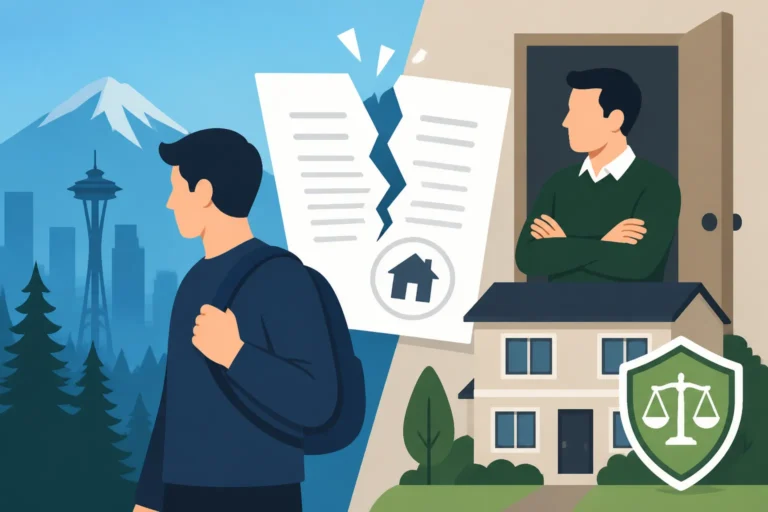
For instance, imagine you're renting an apartment in Seattle, and a persistent leak from the roof leads to severe water damage and black mold spreading across a significant portion of your bedroom and living room. You report it to your landlord multiple times, but they drag their feet on repairs, letting the problem fester. In this situation, the apartment is no longer safe or healthy to live in. After giving your landlord proper notice and a reasonable amount of time to fix the issue (which can vary by state but is often 7 to 30 days for major issues, or much less for emergencies like no heat/hot water), you might be able to declare the lease void and move out. This is a "constructive eviction" because the conditions force you to leave, even if the landlord hasn't physically removed you. If you're dealing with issues like this, our guide on Breaking a Lease Due to Mold or Uninhabitable Conditions can provide more specific steps.
Mutual Agreement or Release
Sometimes, both parties simply agree that the lease isn't working out and decide to terminate it early. This is called a mutual agreement or mutual release. This isn't technically voiding the lease due to a defect; rather, it's a consensual termination where both the landlord and tenant agree to dissolve the contractual obligations. Perhaps a tenant receives a job offer in another city and needs to move quickly, or a landlord decides to sell the property.
In these situations, the original lease was valid, but both parties decide to end it early. It’s crucial that this agreement is put in writing and signed by everyone involved to avoid future misunderstandings. This written agreement should clearly state that the original lease is terminated, effective on a specific date, and address any outstanding issues like the return of the security deposit or final rent payments. Without such a clear, written release, either party could potentially still hold the other to the terms of the original lease.
How State and Local Laws Impact Lease Validity
Landlord-tenant law is incredibly localized, meaning what's legal and what can void a lease can differ significantly from one state, and even one city, to another. These laws are designed to protect both parties and ensure fair housing practices.
Violations of Specific Landlord-Tenant Statutes
Many states have specific statutes that, if violated, can render a lease invalid or unenforceable. These often relate to fundamental tenant rights or landlord obligations. For example, some states have strict laws about how much a landlord can charge for a security deposit. If a landlord charges more than the maximum legal limit, say in California where it's typically two months' rent for an unfurnished unit, the lease might not be fully void, but the excessive portion of the deposit would be illegal and recoverable by the tenant. In some cases, repeated or egregious violations could lead to the tenant voiding the lease.
Similarly, specific requirements exist for providing tenants with certain disclosures, like lead-based paint warnings for older properties, or information about shared utility billing. Failure to provide these mandatory disclosures could, in some jurisdictions, make the lease voidable by the tenant. It's a landlord's responsibility to stay updated on the Security Deposit Laws by State (2026) and other specific requirements, as ignorance of the law is generally not a valid defense.
Rent Control and Rent Stabilization Ordinances
In cities with rent control or rent stabilization ordinances, violating these regulations can significantly impact a lease's validity. These laws dictate how much and how often a landlord can raise rent, and often provide additional protections against eviction without cause. New York City, San Francisco, and Los Angeles are well-known for their complex rent control rules. If a landlord in one of these areas tries to implement an illegal rent increase beyond the allowable percentage, the lease itself won't be void, but the illegal increase portion of the rent would be unenforceable, and the tenant would only be obligated to pay the legal rent.
In some extreme cases, repeated and deliberate violations of rent control laws could lead to more severe consequences, potentially allowing a tenant to break their lease without penalty or even entitling them to damages. For example, if a landlord attempts to evict a tenant in a rent-controlled unit for a reason not permitted by law, that eviction would be illegal, and the tenant's lease would remain valid. Understanding the nuances of Rent Control & Rent Stabilization Explained is crucial for both landlords and tenants in these regulated markets.
Fair Housing Act Violations
The Fair Housing Act is a federal law that prohibits discrimination in housing based on race, color, national origin, religion, sex (including sexual orientation and gender identity), familial status, and disability. Many states and localities also have their own fair housing laws that add additional protected classes. If a lease agreement contains discriminatory clauses or was entered into as a result of discriminatory practices, it can be voided, and the landlord could face severe penalties.
For instance, a clause that states "no children allowed" in a general rental property would violate familial status protections and would be illegal and unenforceable, potentially making the lease voidable by the tenant who was discriminated against. Similarly, if a landlord refuses to make a reasonable accommodation for a tenant with a disability, such as allowing a service animal despite a "no pets" policy, and this leads to the tenant being unable to live in the unit, the tenant might argue the lease is voidable due to the discriminatory practice. Fair housing is a serious matter, and any lease tainted by discrimination can be severely challenged.
Tenant and Landlord Actions That Can Lead to Lease Termination or Invalidity
Beyond legal requirements and foundational defects, certain actions by either the tenant or the landlord during the tenancy can effectively terminate or invalidate a lease, even if it was initially perfectly sound. These situations often involve breaches of trust or fundamental agreements.
Abandonment of the Property
When a tenant completely abandons the rental property before the lease term is up, it creates a complex situation. Legally, abandonment typically means the tenant has moved out permanently without any intention of returning, stopped paying rent, and removed most of their belongings. Simply going on an extended vacation doesn't count, but a clear departure with no communication does. In many states, if a tenant abandons the property, the landlord has a duty to mitigate damages, meaning they must make reasonable efforts to re-rent the unit.
If the landlord successfully re-rents the property, the original lease effectively ends, and the tenant's liability for rent is typically limited to the period the unit was vacant. However, the landlord might still pursue the original tenant for any lost rent, cleaning costs, or re-leasing fees. In some cases, abandonment can lead to the landlord terminating the lease unilaterally. It's not strictly "voiding" the lease in the traditional sense, but the tenant's actions render the original agreement impractical and lead to its early cessation. Our guide on What Happens If You Break a Lease? delves deeper into these consequences.
Unauthorized Subletting or Assignment
Most lease agreements contain clauses that prohibit or restrict subletting or assigning the lease without the landlord's explicit written permission. Subletting means the original tenant (sublessor) rents out the property to a new tenant (sublessee) while remaining ultimately responsible to the landlord. Assignment means the original tenant transfers their entire lease interest to a new tenant, who then becomes directly responsible to the landlord.
If a tenant sublets or assigns their lease without obtaining the required consent, they are in breach of the lease agreement. This breach can give the landlord grounds to terminate the original lease and evict both the original tenant and the unauthorized sublessee or assignee. While the original lease itself might not be "void" from the start, the unauthorized action can provide the landlord with a legal basis to void the agreement as it stands and regain possession of the property. For a more detailed look, check out our guide on Subletting & Lease Assignment Explained.
Retaliation or Harassment
Tenants have rights, and landlords are prohibited from retaliating against tenants for exercising those rights. Retaliatory actions often include trying to raise rent excessively, reducing services, or attempting to evict a tenant simply because they complained about uninhabitable conditions, reported a code violation, or joined a tenant's union. If a landlord engages in such retaliatory behavior, and a tenant can prove it, the landlord's actions might provide grounds for the tenant to terminate the lease.
Similarly, landlord harassment, which can include unlawful entries into the property without proper notice, threats, or creating a hostile living environment, can also provide a tenant with grounds to void the lease and move out. For example, in states like New York or California, tenants are afforded a right to "quiet enjoyment" of their property. If a landlord repeatedly enters the apartment without 24 hours' notice, or constantly harasses a tenant, it disrupts this right. In these serious situations, a court might determine that the landlord's actions have effectively voided their side of the agreement, allowing the tenant to leave without penalty. This is why knowing How to Report a Landlord (Code Violations & Retaliation) is so important.
Steps to Take If You Believe Your Lease is Void or Voidable
Realizing your lease might be void or voidable can be overwhelming, but there are clear, actionable steps you can take. Don't panic; instead, focus on gathering information and seeking appropriate guidance.
Gathering Documentation and Evidence
The absolute first thing you need to do is become an expert record-keeper. If you believe your lease is void or voidable, you'll need concrete evidence to support your claim. This means:
- Reviewing your lease agreement: Read every clause carefully. Highlight anything that seems amiss or that your landlord may have violated.
- Collecting communication: Keep copies of all correspondence with your landlord or property management, whether it's emails, text messages, certified letters, or even detailed notes of phone calls (including dates, times, and what was discussed).
- Documenting conditions: If the issue involves property conditions (like mold, lack of heat, or disrepair), take photos and videos with timestamps. Get professional inspections if possible, and save all reports.
- Financial records: Maintain records of rent payments, utility bills, and any expenses you've incurred due to the problem (e.g., hotel stays due to lack of heat, medical bills from mold exposure).
- Witness statements: If there are neighbors or other individuals who can corroborate your claims, get their contact information and, if possible, signed statements.
The more evidence you have, the stronger your position will be. Without solid proof, it becomes a "he said, she said" situation, which is rarely in your favor. When documenting conditions, our Move-In / Move-Out Inspection Guide can give you an idea of the thoroughness required.
Seeking Legal Counsel
Navigating landlord-tenant laws can be incredibly complex, and states have different statutes of limitations and specific procedures for voiding a lease or breaking it without penalty. This is why getting advice from a qualified legal professional is almost always a good idea. An attorney specializing in landlord-tenant law can review your specific situation, evaluate your evidence, and advise you on the best course of action based on your state and local laws. They can help you understand if your lease is truly void, voidable, or if there's another path to resolution, such as using the "repair and deduct" remedy or pursuing damages.
Many legal aid societies offer free or low-cost consultations for tenants, and some bar associations have referral services. Don't try to go it alone if you're facing a serious dispute. Even if you ultimately decide not to pursue a lawsuit, having legal advice can empower you to negotiate more effectively and understand the potential outcomes. Platforms like TurboTenant sometimes offer resources that can help landlords navigate legal issues as well, ensuring they are compliant and prepared.
Negotiation and Dispute Resolution
Sometimes, the best solution doesn't involve going to court. If you believe your lease is voidable, or you have strong grounds to terminate it, you might first try to negotiate directly with your landlord. Present your evidence clearly and calmly, explain your legal position, and propose a solution, such as an early lease termination agreement. Having a lawyer draft a letter on your behalf or advise you during negotiations can be very effective.
If direct negotiation fails, mediation is another excellent option. A neutral third party (the mediator) helps both sides communicate and reach a mutually agreeable solution. Mediation is typically less adversarial, less costly, and faster than going to court. Many cities and counties offer free or low-cost mediation services for landlord-tenant disputes. This approach can help preserve a working relationship if both parties are willing to compromise, and can save everyone a lot of time, stress, and legal fees. Remember, while a lease may be voidable, resolving it amicably is often the least painful path forward.
Understanding Lease Validity: Void vs. Voidable
To help clarify the differences, here's a quick comparison of void and voidable leases:
| Feature | Void Lease (Void Ab Initio) | Voidable Lease |
|---|---|---|
| Legal Status | Never legally existed; unenforceable from the start. | Valid until one party, usually the injured party, takes action to void it. |
| Why it Occurs | Illegal purpose, fraud (in some cases), lack of capacity, impossible terms. | Material breach of contract, misrepresentation, duress, undue influence, certain landlord-tenant law violations. |
| Action Required | No legal action is strictly required to invalidate it, as it was never valid. | The injured party must take legal action or formally declare it void. |
| Who Can Enforce | Neither party can enforce it. | The non-injured party can usually enforce it until the injured party voids it. |
| Example | Lease for an illegal dwelling unit; lease signed by a severely mentally incapacitated individual. | Lease where landlord fails to provide heat in winter; lease signed under threat. |
Disclaimer
The information provided in this guide is intended for general informational purposes only and does not constitute legal advice. Landlord-tenant laws vary significantly by jurisdiction, and the specifics of your situation may require professional legal counsel. Always consult with a qualified attorney or housing expert for advice tailored to your particular circumstances. Relying solely on the information presented here without seeking professional guidance is not recommended.