Can You Be Evicted While on a Payment Plan?
It’s a truly gut-wrenching feeling when you’re facing a potential eviction. The stress of falling behind on rent is immense, and often, tenants try their best to work something out with their landlord, like a payment plan. You might think, "Okay, I've made an agreement, I'm trying to catch up, so I'm safe, right?" Unfortunately, the reality is far more complex, and sometimes, even with a payment plan in place, the threat of eviction can still loom large. This guide will meticulously break down the intricate relationship between payment plans and eviction proceedings, helping you understand your rights and the potential pitfalls, so you can navigate this challenging situation with as much clarity as possible.
Understanding Eviction and Payment Plans – The Basics
Before diving into the specifics of payment plans and evictions, it’s crucial to understand what each of these terms truly means in the eyes of the law. This clarity can help you identify legitimate processes from potential oversteps.
What Constitutes an Eviction?
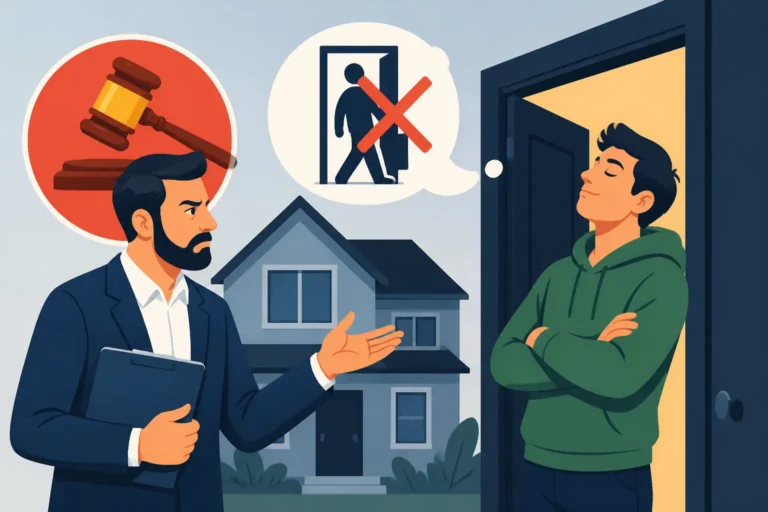
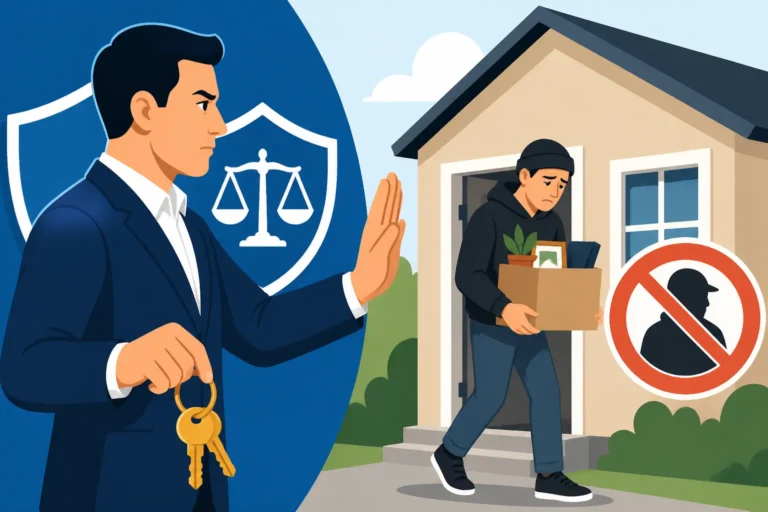
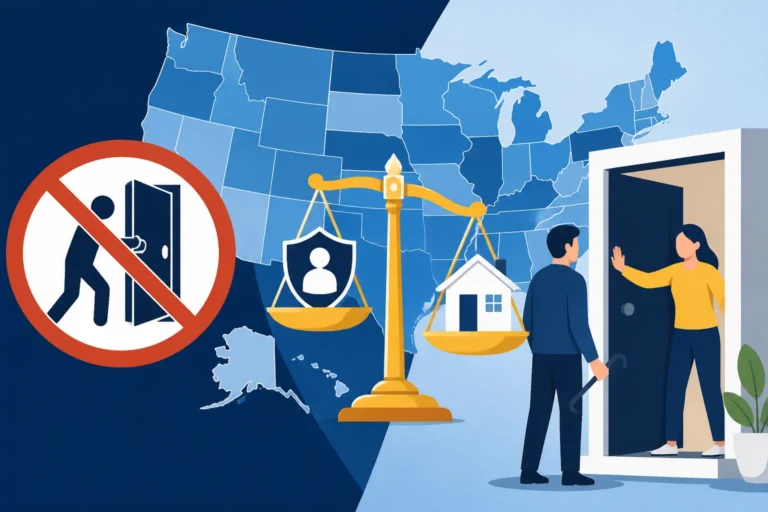
First and foremost, an eviction is a formal, legal process by which a landlord removes a tenant from a rental property. It’s not simply a landlord telling you to leave, nor is it a notice taped to your door. A lawful eviction always involves a court order, meaning the landlord has filed a lawsuit (often called an unlawful detainer lawsuit) and received a judgment from a judge. Without this, any attempt by a landlord to remove you from the property—like changing locks, shutting off utilities, or removing your belongings—is considered an illegal self-help eviction. These actions are strictly prohibited in every state and can carry serious penalties for landlords.
The process typically begins with the landlord serving a formal eviction notice, such as a 3-Day Notice to Pay or Quit Explained, which informs the tenant of a lease violation (like non-payment of rent) and provides a specific timeframe to remedy the issue or move out. If the tenant doesn't comply, the landlord then files a case in court. This entire Eviction Process by State (Step-by-Step) is designed to protect both parties, ensuring due process is followed. It can be a long, drawn-out affair, often taking weeks or even months, depending on the state and court backlog.
The Purpose of a Payment Plan
A payment plan, in the context of landlord-tenant relations, is an agreement between the landlord and tenant to pay back overdue rent over a specified period. These plans are usually initiated when a tenant falls behind on rent and wants to avoid eviction, and a landlord is willing to work with them to recover the money owed. The fundamental purpose of such a plan is to prevent the escalation of a rent default into a full-blown eviction lawsuit. For the tenant, it offers a lifeline, a chance to get back on track without losing their home. For the landlord, it's often a pragmatic choice: recovering outstanding rent can be less costly and time-consuming than going through a formal eviction, finding a new tenant, and dealing with potential property damages.
These agreements can range from informal, verbal understandings to highly structured, legally binding written contracts. The effectiveness and enforceability of a payment plan significantly depend on how it’s established and documented. A good payment plan isn't just about paying back the old rent; it often includes continued payment of current rent as it becomes due. This mutual understanding aims to mitigate losses for the landlord while offering the tenant a path forward.
The Delicate Dance: Payment Plans and Eviction Notices
The interaction between a payment plan and an eviction notice is where things get particularly tricky. Whether you're protected depends heavily on the nature of your agreement and the timing of any notices.
When a Payment Plan Goes Unofficial
Many tenants, in a moment of panic or a desire to quickly resolve issues, might verbally agree with their landlord to a payment plan. "Don't worry, I'll pay you an extra $200 each week until I'm caught up," might be a common sentiment. While such informal, verbal agreements might feel like a good-faith effort and can sometimes work out, they are inherently risky for both parties, but especially for the tenant. The biggest problem with a verbal agreement is proving its existence and its terms. If a dispute arises, it becomes a "he said, she said" scenario, which is notoriously difficult to resolve in court.
Imagine you're renting a place in Los Angeles, you fall behind, and your landlord, a nice individual, says, "Just pay me an extra $100 every two weeks, and we'll call it even." You diligently make those payments. However, if that landlord later changes their mind, or if they sell the property, or even if they simply forget the details of your conversation, they could still proceed with an eviction based on the original outstanding balance. Without a written record, you have very little to present to a judge to prove that a payment plan was ever agreed upon, let alone that you adhered to it. This leaves tenants incredibly vulnerable to an eviction for nonpayment of rent, even if they believed they were upholding their end of an agreement.
The Impact of a Formal Written Agreement
A written agreement can dramatically alter the course of an eviction. If a landlord has already issued an eviction notice (like a Notice to Pay or Quit) and you then enter into a written payment plan, the agreement should explicitly state that the eviction proceedings are paused, stayed, or dismissed upon successful completion of the payment plan. In some cases, a judge might even order an eviction to be "conditionally dismissed" if a payment plan is entered into, meaning the case will be reopened only if the tenant breaches the plan. For instance, if you receive a Security Deposit Demand Letter How-To + Template in California for unpaid rent, a well-drafted payment plan might lead to a complete withdrawal of that demand once the debt is settled, assuming the agreement states so. A written agreement provides a clear roadmap and evidence that a resolution was reached, offering a significant layer of protection against eviction as long as you uphold your side of the bargain.
Legalities of Eviction During an Active Payment Plan
So, you've got a payment plan. Great! But what are the legal ramifications if something goes wrong, or if your landlord tries to evict you anyway?
Breach of a Written Payment Agreement
The moment a written payment agreement is established, it becomes a new, enforceable contract. If you, the tenant, fail to make a payment according to the agreed-upon schedule, you are officially in breach of that agreement. Most written payment plans will have a clause that specifies the consequences of such a breach. Often, this means the original eviction proceedings, which might have been paused or conditionally dismissed, can be immediately reactivated or a new eviction process can begin.
Let's say you're in New York City and you've entered into a written agreement to pay back three months of overdue rent in four installments. You make the first two payments on time, but then unforeseen circumstances (like a car repair or medical emergency) cause you to miss the third. Even if you only miss it by a day, or by a small amount, your landlord might have the legal right to consider the entire agreement null and void. The courts generally uphold the "strict adherence" principle for these types of agreements. This means that even a minor deviation from the terms can be grounds for the landlord to revert to pursuing the original eviction. They don't have to re-serve the initial Eviction Notice Types Pay or Quit, Cure or Quit, Unconditional if the agreement specified that the eviction process would resume upon breach. This is why meticulous record-keeping of your payments is absolutely crucial. Every payment should be documented, ideally with receipts or bank statements, confirming the date and amount paid.
Eviction Notices Pre- and Post-Agreement
Understanding when an eviction notice is valid in relation to a payment plan is key. If a landlord issues an eviction notice (e.g., a "Notice to Pay Rent or Quit") before a payment plan is agreed upon, that notice remains legally effective unless the payment plan explicitly states otherwise. A strong, written payment agreement will often supersede or at least delay the enforcement of any prior eviction notices. For example, if you're behind on rent and receive a 14-day notice to pay or quit in Pennsylvania, but then you and your landlord sign a payment plan agreement that extends your repayment period over two months, that written agreement effectively puts the notice on hold or negates it, provided you meet the terms.
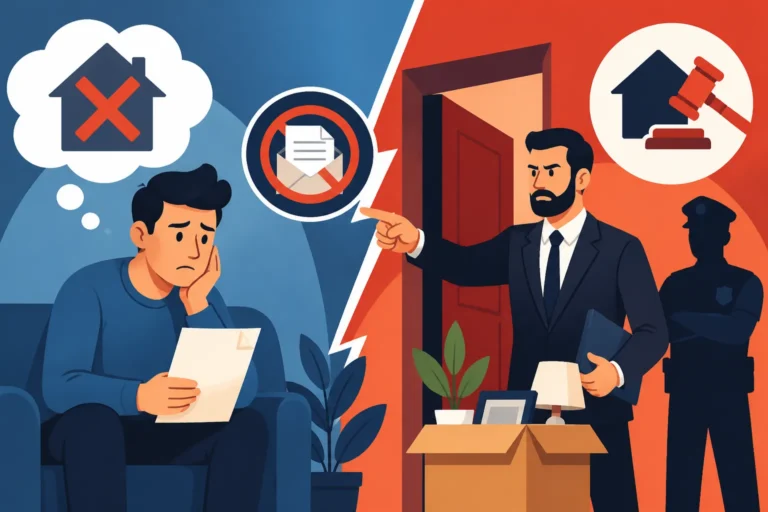
However, if you breach a written payment plan, the landlord might not need to issue a brand new eviction notice. The original notice, if it was only paused, could become immediately enforceable again, or the payment plan itself might stipulate that a breach allows the landlord to proceed directly with filing an unlawful detainer lawsuit. This is why the specific language in your payment plan agreement is so vital. It should clearly outline whether the previous notices are voided, stayed, or simply paused, and what exact steps the landlord can take if you fail to meet the new terms. This nuanced interaction is a common point of contention, and it's where tenants often feel blindsided, believing their ongoing efforts protect them when, legally, a single missed step can reactivate the eviction process.
State-Specific Nuances and Tenant Protections
It’s easy to assume landlord-tenant laws are uniform across the country, but that couldn't be further from the truth. The rules governing evictions and payment plans can vary significantly from state to state, and even city to city.
Variation in State Laws
Every state has its own unique set of Security Deposit Laws by State 2026 and eviction procedures, and this includes how payment plans are treated in the context of an eviction. Some states are more tenant-friendly, offering additional protections even when a payment plan is involved. For instance, in states with strong tenant rights, a judge might be more inclined to offer a conditional dismissal of an eviction case if a payment plan is genuinely being followed, or they might require the landlord to issue a new notice to quit if a payment plan is breached, giving the tenant another chance to cure the default. Conversely, in other states, the courts might take a stricter stance, enforcing the terms of a written payment plan without much leeway if a tenant defaults.
Consider a tenant in Washington State, which has fairly robust tenant protections. If they agree to a payment plan with their landlord, and then miss a payment, the landlord might still be required to issue a new, formal 14-day notice to pay or vacate, rather than immediately resuming a prior eviction case. This gives the tenant another opportunity to correct the situation. However, in a state like Texas, which is generally more landlord-friendly, a breach of a payment plan might allow the landlord to proceed much more quickly with a How to Evict a Tenant action without needing to issue a new notice, especially if the original eviction case was merely paused and not fully dismissed. Understanding your local laws, including specific "cure" periods that allow tenants to fix a violation, is paramount. This can often mean the difference between keeping your home and facing a swift removal.
Proving Compliance or Disputing Breach
If your landlord attempts to evict you while you believe you are adhering to a payment plan, the burden of proof will largely fall on you, the tenant. You will need to demonstrate to the court that you have fulfilled your obligations under the payment agreement. This is precisely why documentation is not just a good idea, but an absolute necessity. Keep meticulous records of every payment made: check stubs, bank transfer confirmations, money order receipts, or even screenshots of online payment portals. Ensure these records clearly show the date, amount, and recipient. Furthermore, retain copies of all correspondence related to the payment plan, including emails, text messages, and certified letters.
If your landlord claims you breached the agreement when you believe you haven't, you must be prepared to dispute this claim in court. For example, if your landlord says you missed a payment, but your bank statement clearly shows the transaction went through on time, that's powerful evidence. You'll need to present this evidence clearly and concisely during an What Happens at an Eviction Court Hearing?. Sometimes, a dispute can arise over the interpretation of the payment plan's terms. Did you pay the exact amount on the exact date, or was there a minor discrepancy? Having all communications, including any agreements or acknowledgments of payment from the landlord, will strengthen your position significantly. This kind of careful record-keeping is often the tenant's strongest defense in such situations.
Strategic Steps for Tenants on a Payment Plan
Facing a potential eviction, even with a payment plan, is daunting. However, there are concrete steps you can take to protect yourself and increase your chances of a positive outcome.
Documenting Everything
I know I've said it before, but it bears repeating: documentation is your shield. From the very first conversation about a payment plan, start a paper trail. If you have a verbal agreement, follow up with an email or text message to the landlord summarizing your understanding of the terms. For instance, "Hi [Landlord's Name], just confirming our conversation today: I will pay $X on [Date 1], $Y on [Date 2], and $Z on [Date 3] to clear the outstanding balance of $Total. Please let me know if this sounds correct." This creates a record, even if it's not a formal contract. When it comes to making payments, use methods that provide clear proof of transaction, like certified checks, money orders, or online payment systems that offer receipts. Avoid cash if possible, unless you receive a signed, dated receipt for every single payment.
For crucial documents, like the formal written payment agreement itself or a letter disputing a false breach claim, consider sending them via certified mail with a return receipt requested. This provides undeniable proof that the landlord received the document and when they received it. This comprehensive approach to record-keeping extends beyond just payment plans; it's also vital for things like your initial move-in condition. Take extensive photos and videos when you move in, to accurately How to Document Your Apartment at Move-In, protecting your security deposit later on. Remember, in any legal dispute, verifiable evidence is king.
What to Do if Your Landlord Evicts You Anyway
If, despite your best efforts and adherence to a payment plan, your landlord proceeds with an eviction, do not panic and do not ignore it. Ignoring an eviction notice or summons is the worst thing you can do, as it will almost certainly result in a default judgment against you. Your first step should be to respond to the What Is an Unlawful Detainer? lawsuit within the timeframe specified by your state's laws (often 5-7 days after being served the summons). This usually involves filing a written answer with the court, stating your defense – in this case, the existence of the payment plan and your compliance with its terms.
Gather all your documentation: the written payment plan agreement, all payment receipts, and any communication with your landlord regarding the plan. This evidence will be crucial when you appear in court. Seeking legal advice is highly recommended at this stage. Many communities offer free or low-cost legal aid for tenants. Organizations like Legal Aid Societies or local bar associations can provide assistance or referrals. They can help you understand How to Stop or Fight an Eviction (Tenant Guide) and represent you in court. Sometimes, mediation might be an option, where a neutral third party helps you and your landlord reach a resolution. If the eviction is truly unjust, you might be able to pursue a claim for Double vs Treble Damages for Wrongful Withholding if your landlord is acting in bad faith.
Preventing Eviction: Proactive Measures
The best offense is a good defense, and when it comes to eviction, being proactive and informed is your strongest strategy.
Open Communication and Negotiation
As soon as you foresee or experience difficulty paying rent, reach out to your landlord. Don't wait until you've received a formal notice. Open and honest communication can often prevent situations from escalating. Explain your circumstances transparently. Many landlords, especially those managing their own properties or smaller portfolios, would prefer to work with a tenant who communicates rather than pursue an expensive and time-consuming eviction. Negotiate for a reasonable payment plan that you genuinely believe you can stick to. Be realistic about your financial situation. For example, if you anticipate receiving a bonus in two months, suggest a larger payment then, coupled with smaller, manageable payments in the interim.
It's a two-way street. While you're asking for flexibility, consider what you can offer in return to incentivize your landlord. Perhaps you can offer to help with some minor property maintenance, or agree to a slightly longer lease renewal if things stabilize. Landlords using modern property management software like DoorLoop often have better systems in place for tracking payments and communications, which can make such negotiations smoother and more transparent for both sides. The goal is to build trust and find a solution that benefits everyone, avoiding the adversarial court process altogether.
Understanding Your Rights and Resources
Knowledge truly is power when you're a tenant. Familiarize yourself with your specific tenant rights regarding rent payments, eviction procedures, and habitability standards in your state and city. There are numerous resources available to help you understand these complex laws. Tenant unions, non-profit housing counseling agencies, and legal aid societies are excellent places to start. These organizations can provide invaluable advice, help you draft letters, or even offer legal representation.
For instance, if you're battling a landlord who refuses to make necessary repairs, understanding your rights regarding Withholding Rent & Rent Escrow could be crucial. If you feel you're being unfairly evicted or retaliated against, these resources can guide you on how to report a landlord and fight for your tenancy. Regularly review your lease agreement to understand your contractual obligations and the landlord's responsibilities. Knowing what to expect and what avenues are open to you can significantly reduce stress and empower you to advocate for yourself effectively. Don't be afraid to ask for help; there are many dedicated organizations whose mission is to support tenants through difficult times.
Comparison: Verbal vs. Written Payment Plans
To help clarify the differences and risks, here's a quick comparison of verbal versus written payment plans:
| Feature | Verbal Payment Plan | Written Payment Plan |
|---|---|---|
| Enforceability | Difficult to prove in court | Legally binding and highly enforceable |
| Clarity of Terms | Prone to misinterpretation, forgotten details | Clearly outlines all terms and conditions |
| Tenant Protection | Minimal; landlord can often proceed with eviction | Strong; delays or dismisses eviction if adhered to |
| Landlord Protection | Minimal; difficult to collect if tenant defaults | Strong; clear grounds for eviction upon breach |
| Evidence in Court | "He said, she said" scenario; weak evidence | Documented proof; strong evidence |
| Risk for Tenant | High; vulnerable to landlord changing mind or forgetting | Low if terms are met; high if terms are breached |
| Recommendation | Avoid whenever possible | Always opt for a written agreement |
Disclaimer
This article is for general informational purposes only and does not constitute professional advice. Laws and regulations vary by location and change over time. Consult a qualified professional for guidance on your specific situation.