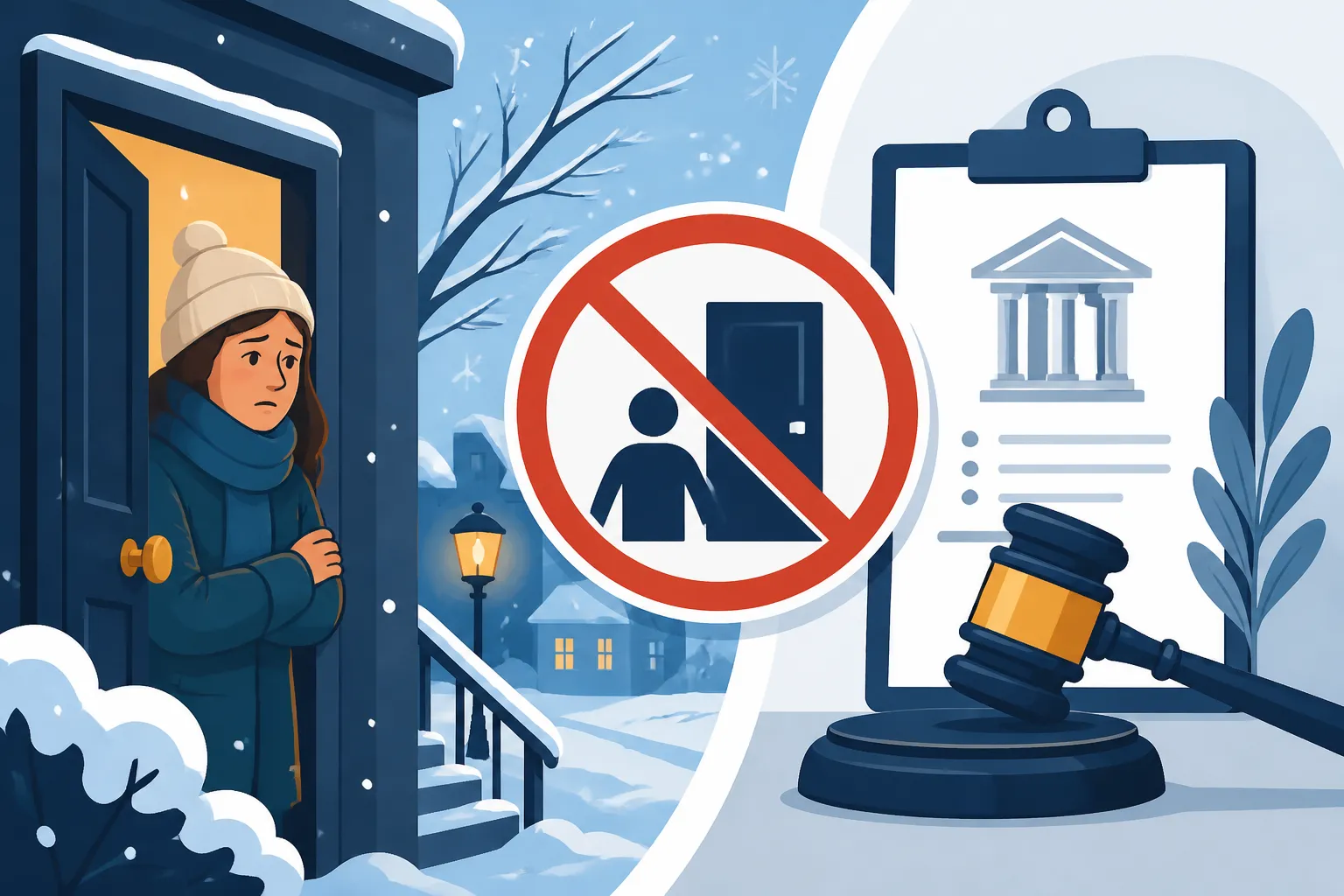
Can You Be Evicted in Winter?
The biting cold of winter often brings with it a unique set of worries for renters, especially the chilling thought of being without a home when temperatures drop. It’s a very real and understandable fear to wonder if your landlord can still evict you when the weather outside is truly frightful. This guide is here to shed light on the realities of winter evictions, debunk common myths, and arm you with the knowledge you need to navigate these challenging situations.
The Myth of the “Winter Eviction Moratorium”
It's a persistent rumor that often circulates when the days get shorter and the nights get colder: the idea that landlords can't evict tenants during winter. Many people genuinely believe there's a blanket "winter eviction ban" that protects tenants from being forced out into the cold. While this sentiment comes from a place of compassion and concern for vulnerable individuals, the truth is a bit more nuanced, and unfortunately, less universally protective than many hope.
Understanding Eviction Protections vs. Seasonal Bans
The notion of a universal "winter eviction moratorium" is largely a myth. In most parts of the United States, there isn't a federal or even statewide law that explicitly prohibits evictions just because it's winter or cold outside. Landlords are generally able to proceed with the eviction process year-round, provided they follow all legal procedures. This misconception often stems from past, temporary protections, such as those implemented during the COVID-19 pandemic, where various federal, state, and local governments enacted eviction moratoriums to prevent mass displacement during a public health crisis. However, these were emergency measures, not standard, seasonal tenant rights.
When those pandemic-era protections expired, the regular eviction laws largely reverted to their previous state. So, if you hear someone say, "They can't evict you in winter," it's crucial to understand that this is rarely true in a broad sense. The legal grounds for eviction, like nonpayment of rent or lease violations, remain valid regardless of the season. The courts continue to hear cases, and sheriffs continue to execute writs of possession.
State and Local Variations: Where Exceptions Might Exist
While a blanket winter ban is uncommon, it's also true that landlord-tenant law is incredibly localized, with significant differences from state to state and even city to city. Some specific jurisdictions might have very narrow, temporary provisions that could offer a slight delay in evictions under extreme circumstances, but these are exceptions, not the rule. For instance, a very small number of municipalities or counties might have ordinances that could technically delay the final physical removal (the lockout by the sheriff) if outdoor temperatures drop below a certain dangerously low threshold.
These specific scenarios are often tied to public health and safety emergencies, not a general "no evictions in winter" rule. They are usually short-lived and only delay the inevitable, rather than canceling the eviction altogether. For example, a city might issue a severe weather alert that causes administrative offices, including courts or sheriff's departments, to temporarily suspend non-emergency operations. This could result in a brief pause in eviction proceedings or lockouts simply because the relevant authorities are not functioning at full capacity due to safety concerns. However, the legal eviction case itself would still be in progress and would resume as soon as conditions allowed. It's vital for any tenant facing eviction to research Eviction Process by State (Step-by-Step) and their local municipality's specific ordinances very carefully, as these niche protections are far from universal.
Standard Eviction Procedures Still Apply in Winter
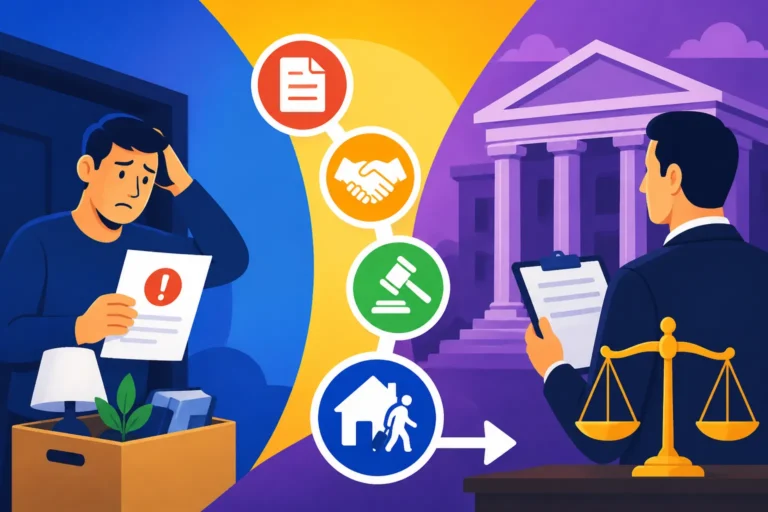
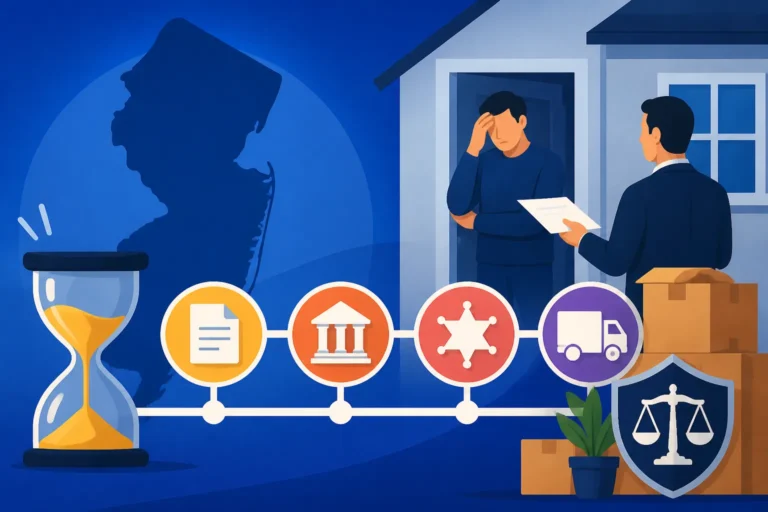
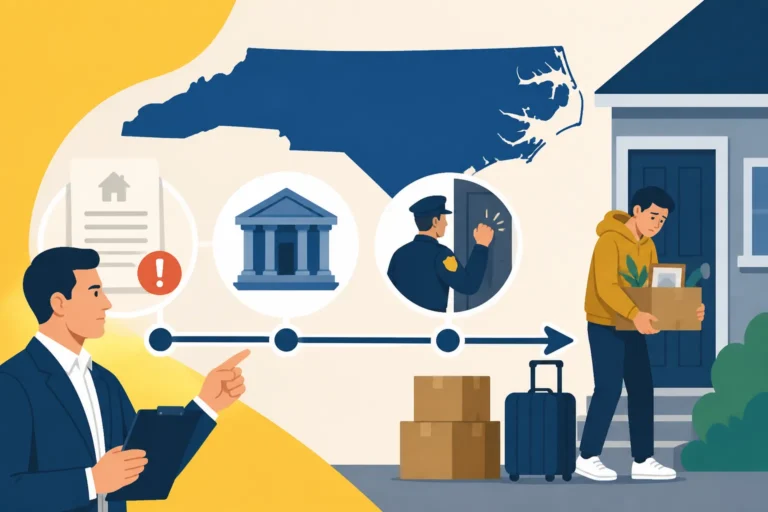
The core legal process for eviction doesn't typically grind to a halt when the weather turns cold. Whether it's the middle of July or the dead of January, landlords must follow specific legal steps to remove a tenant. These steps are designed to protect both parties and ensure due process, and they generally don't fluctuate with the seasons.
The Notice Requirement: Your First Warning
Before a landlord can even think about taking you to court, they must serve you with a proper eviction notice. This is usually the first official warning you'll receive that your tenancy is in jeopardy. The type of notice and the amount of time it gives you to respond depend heavily on the reason for the eviction and your state's laws.
For instance, if you've fallen behind on rent, your landlord might serve you a 3-Day Notice to Pay or Quit Explained. This notice gives you a short window, often 3 to 5 days, to either pay the overdue rent or move out. If you've violated a term of your lease, like having an unauthorized pet, you might receive a "Cure or Quit" notice, which allows you to fix the violation (cure it) within a set timeframe, usually 10 to 30 days, or face eviction. In some severe cases, like engaging in illegal activity on the property, an "Unconditional Quit" notice might be used, meaning you have to move out with no chance to fix the issue. The key takeaway here is that these timelines are typically prescribed by state law and are not altered by the presence of snow on the ground or freezing temperatures. A notice issued on December 1st carries the same legal weight as one issued on June 1st.
Court Filings and Hearings: The Legal Battleground
If the notice period expires and the tenant hasn't complied (e.g., paid rent, moved out, or fixed the lease violation), the landlord can then proceed to file an eviction lawsuit in court. This is often called an "unlawful detainer" action, meaning the tenant is unlawfully holding onto the property. Once the landlord files, the tenant will be served with a summons and complaint, officially notifying them of the lawsuit and the date of their court hearing.
This court hearing is where the legal battle takes place. Both the landlord and the tenant will present their arguments, evidence, and any defenses they might have. The judge will listen to both sides and make a ruling. It's a formal legal process, and courts, much like other essential government services, remain open and operational throughout the winter months. While a particularly severe blizzard might cause a temporary courthouse closure or delay a single hearing by a day or two, this is a logistical issue, not a legal protection against eviction. The case will simply be rescheduled. Therefore, relying on winter weather to halt the judicial system is not a viable strategy for tenants facing eviction.
The Writ of Possession and Sheriff’s Role
If the landlord wins the eviction lawsuit, the court will issue a judgment in their favor. The next critical step for the landlord is typically to obtain a "Writ of Possession" (sometimes called a "Writ of Restitution"). This court order legally authorizes law enforcement, usually the county sheriff or marshal, to physically remove the tenant and their belongings from the property.
Once the sheriff receives the writ, they will typically post a final notice on the tenant's door, informing them of the exact date and time of the lockout. This final notice period is often very short, sometimes as little as 24 to 48 hours, though it can vary by state and local regulations. When that date arrives, the sheriff will arrive at the property, supervise the removal of the tenant and their possessions, and formally return possession of the property to the landlord. This final, physical eviction — the actual lockout — also proceeds in winter. Sheriffs' departments are staffed and operate year-round, and their duties include enforcing court orders like writs of possession, regardless of the temperature or holiday season. This can be one of the most devastating aspects of facing an eviction during the colder months, as finding immediate alternative housing and moving in freezing conditions presents significant logistical and personal challenges.
Specific Protections That Could Impact Winter Evictions
While a broad "winter eviction ban" is a myth, there are certain tenant protections that, by their nature, might offer some relief or create specific legal hurdles for landlords during the colder months. These aren't seasonal bans but rather fundamental tenant rights that become particularly critical when temperatures drop.
Habitability Issues: No Heat or Essential Services
One of the most important tenant protections is the "implied warranty of habitability." This legal principle, recognized in most states, means that landlords are legally obligated to provide and maintain a safe and livable living environment for their tenants. In winter, this duty takes on heightened importance, especially concerning heat and essential services. A unit without adequate heat, hot water, or structural integrity to keep out the elements can quickly become uninhabitable.
If a landlord fails to provide these critical services, especially heat during cold weather, it can constitute a serious lease violation on their part. In such cases, a tenant might have legal recourse, which could include the right to make repairs and deduct the cost from rent (where permitted by state law), to withhold rent and place it in an escrow account, or even to break the lease without penalty due to the uninhabitable conditions. Some states, like Massachusetts, have specific regulations regarding minimum indoor temperatures that landlords must maintain during winter. If your landlord is trying to evict you for non-payment, but they've simultaneously failed to provide adequate heat, you might have a strong defense. It's crucial to understand Tenant Rights With No Heat in Winter and know your state's specific laws regarding No Heat / No Hot Water / No AC: Your Rights as these conditions can sometimes even lead to what's known as "constructive eviction," where the property becomes so unlivable that the tenant is forced to move out. Always document these issues rigorously and formally notify your landlord in writing.
Emergency Declarations and Temporary Moratoriums
It's important to distinguish between a routine winter and an officially declared emergency. While there's no inherent winter eviction ban, governments do have the power to enact temporary eviction moratoriums or provide other forms of relief during emergencies. We saw this on a large scale during the COVID-19 pandemic, when federal, state, and local governments put various eviction bans in place. These were often tied to public health crises or natural disasters, not just the calendar season.
For instance, if a severe winter storm caused widespread power outages, structural damage, or declared a state of emergency, a governor or local authority might implement a temporary halt on evictions to prevent further displacement. However, these are extraordinary measures, usually for a limited duration, and are specifically linked to the emergency itself rather than just the season. They are not guaranteed every winter and typically require an official declaration to take effect. If you are facing eviction during an emergency, it's essential to check if any such temporary protections are in place in your area.
Protections for Vulnerable Populations
Certain groups of tenants may have additional protections that, while not specific to winter, could provide a lifeline if an eviction notice arrives during the colder months. For example, military service members and their families are often protected under the Servicemembers Civil Relief Act (SCRA), which can provide for a stay (postponement) of eviction proceedings in certain situations.
Additionally, tenants participating in specific housing programs, such as Section 8 or other subsidized housing, may have different eviction processes or require more stringent adherence to regulations by their landlords. Local tenant protection laws, such as those that prevent discrimination based on source of income, might also indirectly offer some stability. While these protections aren't tied to the season, they are always good to be aware of and can become particularly critical when facing housing instability in unfavorable weather conditions. Always consult with legal counsel or a tenant advocacy group if you believe you fall into a protected class.
Practical Considerations for Landlords and Tenants During Cold Weather
Beyond the strict legal framework, there are practical realities and human factors that can influence how evictions play out in winter. These aren't necessarily legal loopholes but rather considerations that can sometimes lead to different outcomes or approaches.
Landlord’s Duty to Mitigate Damages
Many states, including California and New York, have laws requiring landlords to "mitigate damages" if a tenant breaks a lease or is evicted. What does this mean? It means the landlord has a legal duty to make reasonable efforts to re-rent the property after a tenant moves out prematurely or is evicted, rather than just letting it sit vacant and charging the former tenant for all lost rent. If the landlord quickly finds a new tenant, the original tenant's financial liability for unpaid rent is reduced or even eliminated from that point forward.
Here's where winter comes into play: finding a new tenant can be significantly harder in winter. People often prefer to move during warmer months, and property showings can be more challenging due to weather conditions. This could mean a longer vacancy period for the landlord. While this doesn't stop the eviction process, it might subtly influence a landlord's decision. Some landlords might be more open to a negotiation or Cash for Keys: How It Works agreement (where the landlord pays the tenant to move out quickly and amicably) if they believe it will allow them to get a new tenant in faster than a lengthy, contested eviction process that drags on through the cold season. It’s not a legal defense against eviction, but a strategic consideration that both parties might weigh. Property management platforms like DoorLoop can assist landlords in marketing vacancies efficiently, potentially shortening the re-rental period even in tough seasons.
The Human Element: Empathy and Negotiation
While the legal system can seem cold and impersonal, both landlords and tenants are, at the end of the day, people. The optics of evicting a family into freezing temperatures can be particularly harsh, both for the individuals involved and sometimes for the landlord's reputation, especially in smaller communities. This isn't a legal protection, but it can sometimes lead to a different approach.
A landlord, out of personal conscience or a desire to avoid negative publicity, might be more willing to negotiate a payment plan, a delayed move-out date, or even connect the tenant with local social services during winter. Tenants should always consider reaching out to their landlord to discuss their situation, even if an eviction notice has been served. Open and honest communication, along with a concrete plan, can sometimes lead to a more amicable resolution than a contentious court battle. Exploring options like Eviction Mediation: How It Works can also be beneficial, providing a neutral third party to facilitate discussions and reach a mutually agreeable solution. Legal document providers like LawDepot offer templates for formal agreements or payment plans that can help solidify any negotiated terms between landlord and tenant.
Navigating the Challenges of Moving in Winter
Regardless of the legalities, moving out of an apartment in winter presents undeniable practical challenges. Icing conditions make driving and carrying boxes treacherous. Freezing temperatures make it uncomfortable, if not dangerous, to spend extended periods outdoors loading moving trucks. Finding available and affordable movers can also be harder, and the cost might increase due to demand or hazardous conditions.
For tenants facing eviction, this reality can compound the stress and difficulty of finding new housing. Many landlords require first and last month's rent plus a security deposit, which can be a significant financial hurdle. The availability of rental units can also be lower in winter in some markets, making the search even more arduous. These factors highlight why the prospect of a winter eviction is so terrifying and why it's so important for tenants to be proactive in understanding their rights and seeking help well before the final stages of an eviction.
What to Do If You’re Facing Eviction in Winter
Facing eviction is always stressful, but the thought of it happening in winter can add a whole new layer of anxiety. If you find yourself in this situation, it’s critical to act quickly, know your rights, and seek support.
Know Your Rights and Local Laws
The absolute first step is to thoroughly understand the specific landlord-tenant laws in your state and local municipality. These laws dictate everything from proper notice periods to what constitutes a legal eviction defense. Don't rely on hearsay or what you've heard from friends; get the actual facts.
Start by reviewing your lease agreement carefully. Does it outline the terms for late rent, lease violations, or breaking the lease? Next, research your state's eviction laws. For example, some states have longer notice periods, while others have stronger protections regarding habitability. Pay particular attention to rules about essential services like heat. If your heating system is broken and your landlord isn't fixing it, this could be a major violation of your rights under the implied warranty of habitability. This might provide a defense against an eviction, or at least give you leverage. Remember, knowledge is power in these situations. Resources like state housing authorities or legal aid websites often provide summaries of tenant rights, or you can even consult platforms like LawDepot for region-specific legal document templates and information to understand the formal process your landlord might use.
Seek Legal Aid and Housing Assistance
You don't have to face an eviction alone. There are numerous organizations and services designed to help tenants navigate this complex process. Legal aid societies often provide free or low-cost legal assistance to tenants who can't afford an attorney. These lawyers specialize in landlord-tenant law and can advise you on your options, review your eviction notice, help you prepare for court, and even represent you in court.
Beyond legal help, look into local housing assistance programs. Many cities and counties have programs that offer emergency rental assistance, help with security deposits for new housing, or connections to temporary shelters. Community action agencies, non-profit tenant advocacy groups, and even local churches or charities often have resources available, especially during the colder months when the need for housing assistance is most acute. These organizations can also help you understand How to Stop or Fight an Eviction (Tenant Guide) and prevent further displacement.
Document Everything
In any landlord-tenant dispute, documentation is your best friend. From the moment you receive an eviction notice, start a detailed paper trail.
- Keep copies of all communication: This includes the eviction notice itself, any letters or emails you send to your landlord (especially repair requests), and any responses you receive.
- Photograph and video record: Before you move in, during your tenancy, and definitely before you move out, take extensive photos and videos of the property's condition. This is especially important if the eviction is related to property damage or cleaning charges. If you're disputing habitability issues, document the problem (e.g., a broken furnace, mold, pest infestation) with date-stamped photos and videos.
- Financial records: Maintain clear records of all rent payments, security deposits, and any other fees. Bank statements, canceled checks, or receipts are crucial.
- Witness statements: If there are any witnesses to events or conditions, get their contact information and, if possible, a written statement.
This comprehensive documentation will be invaluable if you end up in court, as it provides objective evidence to support your claims and challenges any false accusations from your landlord. Consider documenting your apartment at move-in with a thorough Move-In / Move-Out Inspection Guide or by following tips on How to Document Your Apartment at Move-In.
Key Differences: Winter Eviction Myths vs. Realities
Navigating the complexities of landlord-tenant law during winter can be confusing due to widespread misconceptions. Here's a clear breakdown of common myths versus the actual legal realities.
| Myth | Reality |
|---|---|
| There's a blanket legal ban on evictions in winter or during cold weather. | FALSE. In most jurisdictions across the U.S., standard eviction laws and procedures apply year-round. There is no general "winter eviction moratorium." |
| Landlords cannot evict if temperatures are dangerously cold or freezing. | MOSTLY FALSE. While extreme weather might cause temporary administrative delays (e.g., court closures), it rarely stops the eviction process itself. However, a landlord's failure to provide heat in dangerous cold can be a strong defense if it makes the unit uninhabitable. |
| You automatically get an extension on your move-out date due to the season. | FALSE. Extensions are rare and typically require a strong legal defense, specific hardship, or negotiation with the landlord. The court-ordered move-out date generally stands regardless of weather. |
| Courts won't hear eviction cases until spring. | FALSE. Courts operate continuously throughout the year. Eviction cases are heard and processed in winter just as they would be in any other season. |
| Sheriffs won't perform lockouts in winter. | FALSE. Law enforcement (sheriffs, marshals) enforce writs of possession year-round. They will proceed with physical removal of tenants and their belongings even in cold weather, following the court order. |
| It's easier to win an eviction case because it's cold outside. | FALSE. The legal grounds for eviction (e.g., non-payment, lease violation) don't change with the season. You still need a valid legal defense based on landlord-tenant laws, not just the weather. |
Disclaimer
This article is for general informational purposes only and does not constitute professional advice. Laws and regulations vary by location and change over time. Consult a qualified professional for guidance on your specific situation.