What Happens If I Break My Lease and Move Out?
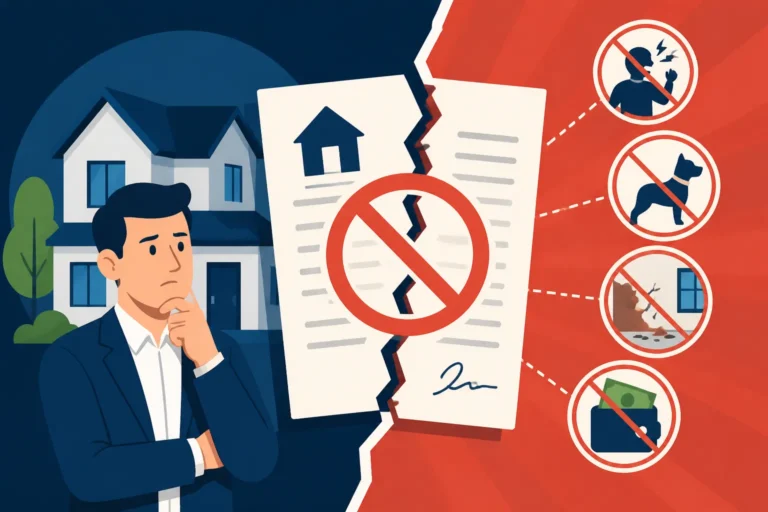
It's a tough spot to be in: life throws a curveball, and suddenly you need to move out of your rental before your lease is up. The stress of leaving, finding a new place, and packing is already immense, but looming over it all is the terrifying question of what actually happens if you break your lease and just move out. This comprehensive guide will walk you through the potential consequences, your rights, and actionable steps to take if you find yourself needing to end your tenancy early.
Understanding Your Lease Agreement and Tenant Obligations
Before you even think about packing a single box, the very first step is to pull out your lease agreement. This document is the bedrock of your tenancy, outlining the rules, responsibilities, and, crucially, the consequences of an early departure. Many tenants feel overwhelmed by the legal jargon, but understanding key clauses can save you a world of trouble and expense.
Fixed-Term vs. Month-to-Month Leases
The type of lease you have profoundly impacts what happens if you move out early. A fixed-term lease is for a set period, often 6 or 12 months, during which both you and the landlord are legally bound. If you break this agreement, you're usually on the hook for the remaining rent or other penalties. On the other hand, a month-to-month lease offers much more flexibility. Typically, you only need to provide a 30-day (or sometimes 60-day) written notice to terminate the tenancy, and you won't face penalties for "breaking" it since there's no fixed term to break. Always double-check your agreement for the specific notice period required for a month-to-month arrangement. This distinction is paramount and often misunderstood. If you're unsure, consulting a resource like LawDepot for a general understanding of lease agreements can be helpful.
Early Termination Clauses and Penalties
Many modern lease agreements include an "early termination clause." This section spells out exactly what happens if a tenant needs to move out before the lease expires. Some leases might allow you to break the lease early in exchange for a specific fee, often equivalent to one or two months' rent, or by forfeiting your security deposit. This kind of clause can actually be a lifeline, as it provides a clear, predefined pathway out of the lease without the uncertainty of potentially owing rent for the entire remaining term.
However, not all leases have this, and if yours doesn't, the default position is usually that you're responsible for the full amount of rent until the lease term ends or a new tenant is found. It’s also crucial to remember that even if there's an early termination fee, your landlord might still be able to pursue you for additional damages or lost rent if the fee doesn't fully cover their losses. Understanding these clauses is key to assessing your risk if you decide to break your lease.
The Financial Fallout: What You'll Likely Owe
Breaking a lease and moving out isn't usually a free pass, and the financial consequences can be significant. It's not just about losing your security deposit; you could be liable for a range of costs that landlords incur due to your early departure. This is where many tenants get caught off guard, assuming that simply moving out means their financial responsibility ends.
Unpaid Rent and Lease Break Fees
The most obvious financial obligation is the rent. If you leave before your lease is up, you're generally responsible for paying rent for the remainder of the lease term, or until a new tenant moves in, whichever comes first. This can be a hefty sum, especially if you have many months left on your lease. For example, if you're paying $1,500 a month and have 6 months left, you could theoretically owe $9,000!
Beyond the rent, many leases include specific lease break fees or liquidated damages clauses. These are pre-determined amounts designed to compensate the landlord for the inconvenience and costs associated with your early departure. As mentioned, if your lease has an early termination clause, it will likely detail this fee. If your lease doesn't have such a clause, your landlord might still try to charge you for their actual damages, which can include lost rent, advertising costs, and tenant screening fees. These can add up quickly, so it's vital to know your potential liabilities.
Re-renting Costs and Property Damages
When a tenant breaks a lease, landlords incur costs to find a new renter. These re-renting expenses can include advertising fees, the time spent showing the property, and administrative costs for processing new applications. While many states require landlords to mitigate damages (meaning they must try to find a new tenant), they are often allowed to pass these reasonable re-renting costs onto the former tenant.
Furthermore, if you leave the property in a state that requires more than "normal wear and tear" repairs, your landlord can deduct these costs from your security deposit. Things like large holes in walls, broken fixtures, or excessive cleaning beyond what’s typically expected for a move-out are usually considered damages. It’s crucial to document the condition of your apartment at move-in and move-out to protect yourself. A comprehensive Move-In / Move-Out Inspection Guide can help you navigate this process effectively.
Here's a breakdown of common financial obligations:
| Obligation Type | Description | Potential Cost Impact |
|---|---|---|
| Unpaid Rent | Rent due for the period between your departure and when a new tenant moves in, or the lease end date. | Can be thousands, depending on remaining lease term |
| Early Termination Fee | A specific fee outlined in the lease for breaking it early. | Typically 1-2 months' rent |
| Re-renting Costs | Advertising, tenant screening, agent fees incurred by the landlord to find a new tenant. | Varies, usually a few hundred dollars |
| Damages Beyond Wear and Tear | Costs to repair tenant-caused damage (e.g., large holes, broken appliances, excessive cleaning). | Varies widely, depending on extent of damage |
| Lost Security Deposit | Often forfeited to cover initial landlord losses or a portion of the early termination fee. | Equal to your deposit amount |
Landlord's Duty to Mitigate Damages
One of the most important aspects of breaking a lease and moving out is understanding the landlord's duty to mitigate damages. This legal concept is designed to protect tenants from excessive financial burdens after an early departure. It means your landlord can't just sit back and let the rent accumulate; they have a legal obligation to try and re-rent the property reasonably quickly.
What Mitigation of Damages Means in Practice
In essence, if you break your lease, your landlord must make a good-faith effort to find a replacement tenant. They can't simply leave the property vacant for the remainder of your lease term and expect you to pay all the rent. This usually involves actively advertising the unit, showing it to prospective renters, and generally treating it as they would any other vacancy. The goal is to minimize the financial loss for both parties.
However, "good-faith effort" doesn't mean they have to accept the first applicant or rent it for less than market value. They can still enforce their standard screening criteria, such as credit checks or income requirements, which might be handled efficiently through platforms like TurboTenant. If they find a new tenant, your financial responsibility for rent typically ends on the day the new tenant's lease begins. This is why it's crucial for you to be aware of this principle, as it can significantly reduce your financial exposure. For more detailed information, exploring an article like Landlord Duty to Mitigate Damages Explained could be very beneficial.
Tenant's Role in Assisting Mitigation
While the primary duty to mitigate falls on the landlord, tenants can often play an active role in helping the process along. This can include:
- Providing ample notice: Giving your landlord as much advance notice as possible of your intent to vacate.
- Helping find a replacement tenant: With your landlord's permission, you might be able to find a suitable replacement tenant yourself. This could involve advertising the unit (again, with landlord approval) or suggesting potential renters. Remember, the landlord still has the right to screen and approve any prospective tenant.
- Keeping the property show-ready: Ensuring the unit is clean and accessible for showings while you're still living there, or immediately after you move out.
- Subletting or Assignment: Depending on your lease and state laws, you might be able to Subletting & Lease Assignment Explained. Subletting means you find someone to live in your place and pay you rent, while you remain responsible to the landlord. Assignment means you transfer your entire lease to a new tenant, who then becomes directly responsible to the landlord. Always get your landlord's written consent before attempting either of these.
Taking these proactive steps can not only expedite finding a new tenant but also demonstrate your good faith, which might be helpful if you end up in a dispute with your landlord.
Legal Consequences and Your Rental History
Beyond the immediate financial costs, breaking a lease and moving out can have longer-term legal and reputational consequences that can affect your ability to rent in the future. It’s not just about what you owe now, but how this action might follow you.
Small Claims Court and Collections
If your landlord incurs significant losses due to your lease break and you fail to pay the amounts they claim are owed, they might decide to pursue legal action. This typically happens in small claims court, where they can sue you for unpaid rent, re-renting costs, and any damages beyond your security deposit. If the court rules in the landlord's favor, you'll be legally obligated to pay the judgment amount. This judgment can then be collected through various means, such as wage garnishment or liens on your assets, depending on state law.
Furthermore, if the landlord turns the debt over to a collections agency, it can severely impact your credit score. A collection account on your credit report can linger for up to seven years, making it difficult to secure loans, mortgages, or even other rental properties in the future. The stress of dealing with court proceedings and collections is something most people want to avoid at all costs.
Impact on Credit Score and Future Renting
As mentioned, a landlord reporting an unpaid debt to a credit bureau or securing a court judgment against you can significantly damage your credit score. A low credit score or a negative mark from a previous landlord can be a major hurdle when applying for future rentals. Landlords use tenant screening services to check credit reports, eviction histories, and previous landlord references. An eviction or a history of breaking leases is a huge red flag.
Imagine applying for a new apartment, only to be denied because a background check reveals a previous lease break or an unpaid judgment. Many landlords will simply move on to the next applicant, especially in competitive rental markets. This can lead to a cycle where finding housing becomes increasingly difficult, forcing you into less desirable (and potentially more expensive) housing situations, or requiring a cosigner. Understanding how Breaking a Lease and Your Credit Score can impact your financial future is crucial before making any decisions.
Strategies to Minimize Your Losses
While breaking a lease can feel like a daunting situation, there are proactive steps you can take to mitigate the financial and legal fallout. It’s all about communication, documentation, and understanding your rights.
Negotiating with Your Landlord
The best approach, if at all possible, is to open a dialogue with your landlord. Many landlords are reasonable and would prefer to work out an arrangement rather than pursue a costly and time-consuming legal battle. When you approach them, come prepared with a clear explanation of your situation (without going into excessive personal detail) and a proposed solution.
You might offer to:
- Pay an early termination fee: If your lease doesn't specify one, propose a reasonable amount, like one or two months' rent, in exchange for being released from the lease.
- Find a qualified replacement tenant: Offer to actively market the unit and find suitable applicants for your landlord to screen.
- Forfeit your security deposit: While not ideal, sometimes it's better to forfeit a deposit than to be on the hook for many months of rent.
- Continue paying rent for a limited time: Offer to pay rent for an agreed-upon period (e.g., 60 days) to give them time to find a new tenant.
Always get any agreement you make in writing, signed by both you and the landlord. This written agreement will serve as your protection against future claims.
Documenting Everything
In any landlord-tenant dispute, documentation is your best friend. From the moment you realize you might need to break your lease, start documenting everything.
- Written notice: Send your landlord a formal, written notice of your intent to vacate early. Even if it's not a legal notice to vacate, it shows good faith.
- Communication records: Keep copies of all emails, letters, and text messages exchanged with your landlord regarding your departure. If you have phone conversations, follow up with an email summarizing what was discussed.
- Move-out condition: Thoroughly photograph and video record the condition of the apartment when you leave. Date-stamp everything. This is vital in case your landlord tries to deduct for damages you didn't cause.
- Advertising efforts: If you help find a new tenant, keep records of your advertising efforts (e.g., screenshots of listings, communications with prospective tenants).
This meticulous record-keeping can be invaluable if you end up in a dispute, demonstrating your efforts to cooperate and fulfilling your obligations.
Understanding State-Specific Laws
Landlord-tenant laws vary significantly from state to state, and even city to city. What might be allowed in Texas could be entirely different in California. Some states have specific rules regarding a landlord's duty to mitigate damages, while others might not explicitly require it but courts generally enforce it.
It's crucial to research your local and state laws regarding early lease termination, security deposit returns, and a landlord's responsibilities. Many states also have specific provisions for certain situations, such as military deployment (under the Servicemembers Civil Relief Act, or SCRA) or domestic violence, which allow tenants to break leases without penalty. Knowing your rights under these specific circumstances can provide a legal pathway out that avoids the consequences of a general lease break. For information on specific return deadlines, check out resources like How Long Does a Landlord Have to Return My Deposit in California? or search for your state.
Taking the time to understand your legal standing is perhaps the most important strategy you can employ to minimize your losses.
Disclaimer
This article is for general informational purposes only and does not constitute professional advice. Laws and regulations vary by location and change over time. Consult a qualified professional for guidance on your specific situation.