How Do I Get Out of My Lease Early?
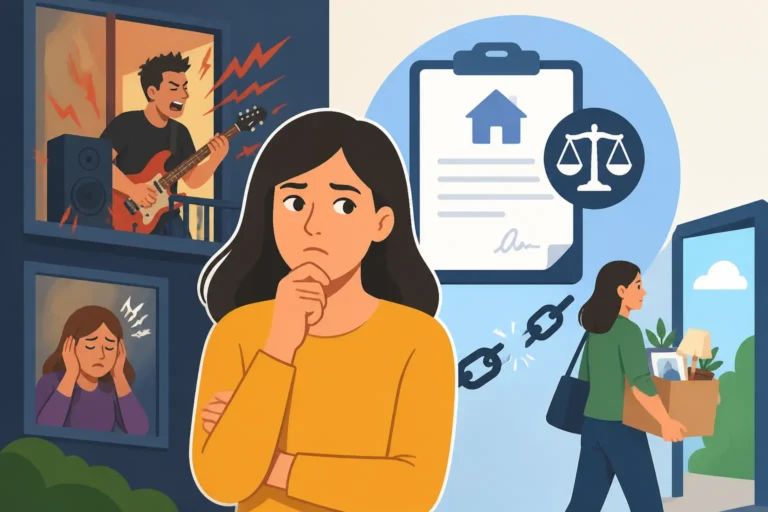
Getting out of a lease early can feel like trying to escape a legal maze, especially when life throws unexpected curveballs your way. Whether it's a sudden job relocation, a family emergency, or simply an unbearable living situation, the thought of being tied to a rental agreement can be incredibly stressful. This comprehensive guide is here to demystify the process, walking you through the various ways you might be able to exit your lease early, both legally and through negotiation, while minimizing potential penalties.
Understanding Your Lease Agreement
Before you even think about packing a single box, the absolute first thing you need to do is pull out your lease agreement. This document, often pages long and filled with legal jargon, is the contract governing your tenancy, and it holds most of the answers to your questions about an early exit. Many tenants skim over these crucial details during the excitement of moving in, only to find themselves lost when they need to leave.
Fixed-Term vs. Month-to-Month Leases
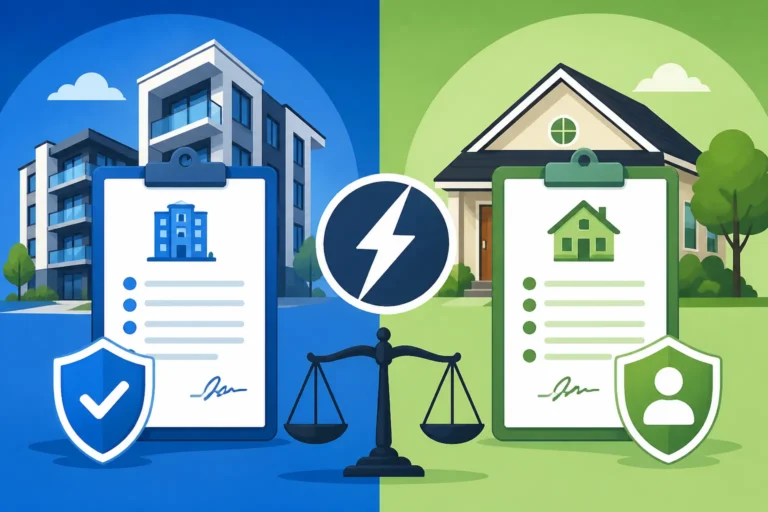
It's vital to understand what kind of lease you actually have. Most renters operate under one of two main types:
- Fixed-Term Lease: This is the most common type, where you agree to rent a property for a specific period, typically 6 or 12 months, for a set monthly rent. During this period, both you and your landlord are bound by the terms. Breaking a fixed-term lease is generally more complex and often comes with penalties, as you're breaking a legally binding agreement to pay rent for the entire term. The landlord relies on this agreement for stable income, and if you leave early, they lose that predictability. This is precisely why understanding the difference between a Fixed-Term vs Month-to-Month Leases is your first step.
- Month-to-Month Lease: This type of agreement renews automatically every month. It offers much more flexibility for both tenants and landlords. If you're on a month-to-month lease, you can usually terminate it by providing proper written notice, often 30 or 60 days, as specified in your agreement or by state law. There are usually no penalties for ending a month-to-month lease, as long as you provide the required notice.
If you're unsure which type of lease you have, read your document carefully. Look for phrases like "term of lease" or "renewal period." If it specifies an end date, it’s a fixed-term lease. If it simply states a monthly payment and no fixed end date beyond the first month, you likely have a month-to-month arrangement.
The Importance of Your Lease Document
Think of your lease as the rulebook for your tenancy. It's not just a piece of paper; it's a legally enforceable contract. Every clause, every paragraph, could impact your ability to get out early and what consequences you might face. When reviewing it, pay close attention to sections titled "Early Termination," "Breach of Lease," "Subletting," "Assignment," or "Notice to Vacate."
Many tenants make the mistake of assuming all leases are the same, but they can vary significantly depending on the landlord, the property management company, and even the state. A lease drafted by a service like LawDepot might include specific clauses for early termination that a generic template might not. Taking the time to read through it, perhaps even highlighting key sections, can save you a world of trouble and expense down the line. Don't rely on memory or what a friend told you about their lease in a different city; your specific document is the only one that matters here.
Early Termination Clauses
Some forward-thinking landlords or property management companies include an "early termination clause" right in the lease. This is your golden ticket if you find yourself needing to leave before the agreed-upon end date. These clauses lay out the specific conditions, fees, and notice requirements for tenants who need to break the lease.
For example, an early termination clause might state that you can break the lease by giving 60 days' written notice and paying a fee equal to two months' rent. While this might sound like a hefty sum, it's often a pre-negotiated, fixed cost that prevents further financial liability, such as having to pay rent until a new tenant is found. It provides a clear path and predictable costs, which can be a huge relief compared to the uncertainty of an illegal breach. If your lease has such a clause, follow it precisely. It's the cleanest way out. If you're wondering How Much Does It Cost to Break a Lease? without such a clause, the answer can be much more ambiguous and potentially higher.
Legally Permissible Reasons to Break a Lease Early
While most leases are binding, there are specific situations where the law allows you to break your lease without penalty. These are not loopholes but protections designed to safeguard tenants under certain circumstances. Knowing these rights is crucial because they can save you from significant financial hardship. Understanding Legal Reasons to Break a Lease (SCRA, DV, Uninhabitable) is empowering.
Active Military Duty (SCRA)
The Servicemembers Civil Relief Act (SCRA) provides vital protections for active-duty military personnel. If you are called to active duty, receive permanent change of station (PCS) orders, or deploy for 90 days or more, the SCRA allows you to terminate your lease early without penalty.
To qualify, you typically need to:
- Provide written notice to your landlord.
- Deliver a copy of your military orders or a letter from your commanding officer verifying your deployment.
- Your tenancy will terminate 30 days after the next rent payment is due, following your notice.
For instance, if your rent is due on the 1st of the month, and you provide notice and orders on July 15th, your lease would terminate on September 1st. This is a federal law, so it applies across all states, offering significant peace of mind to military families who often face unexpected relocations.
Domestic Violence or Sexual Assault
Many states have laws that allow victims of domestic violence, sexual assault, stalking, or elder abuse to terminate their lease early. These laws are critical for ensuring the safety and well-being of individuals in dangerous situations, allowing them to escape without being trapped by a rental contract.
The requirements usually involve providing specific documentation to your landlord, such as a protective order, a police report, or a statement from a qualified third party (like a doctor, counselor, or domestic violence advocate). The specific process varies by state and locality, but generally, you'll need to provide written notice and the required documentation. For example, in California, a tenant has 14 days after giving notice to provide proof. These provisions ensure that survivors can move to safety without facing financial penalties for breaking a lease.
Uninhabitable Living Conditions
Landlords have a legal responsibility, known as the "implied warranty of habitability," to provide a safe, healthy, and livable environment. This means ensuring that the property has essential utilities like heat, hot water, electricity, and is free from severe structural defects, pest infestations, or hazardous mold. If your landlord fails to maintain these basic living standards and refuses to make necessary repairs after proper written notice, you might have grounds to break your lease.
Imagine your furnace breaks in the dead of winter in Chicago, and despite repeated written requests, your landlord takes weeks to fix it, leaving you without adequate heat. In such a scenario, after following specific state-mandated steps (like sending a How to Request Repairs in Writing and allowing a "reasonable time" for repairs), you could potentially argue that the property is uninhabitable and legally terminate your lease. However, you cannot simply move out; you must follow the correct legal procedure, which often involves giving your landlord ample opportunity to remedy the situation first. Consult resources on the Implied Warranty of Habitability Explained for state-specific details.
Landlord Harassment or Privacy Violations
Tenants have a right to "quiet enjoyment" of their rental property, which includes the right to privacy. Landlords generally cannot enter your apartment without proper notice (usually 24 or 48 hours, depending on state law) and for a valid reason (e.g., repairs, inspections, showing to prospective tenants).
If your landlord repeatedly enters your home without notice, harasses you, or creates an environment that significantly interferes with your ability to enjoy your home, this could be considered a constructive eviction. A constructive eviction occurs when the landlord's actions make the property uninhabitable or force the tenant to move out, effectively breaking the lease. This is a serious claim and requires thorough documentation of every incident. Always keep detailed records of dates, times, witnesses, and communications.
Lease Violations by the Landlord
Beyond habitability issues, a landlord can violate other terms of the lease agreement. For example, if your lease specifies certain amenities (like a working gym or laundry facilities) that are consistently unavailable or broken, or if the landlord fails to perform other promised services. If the landlord breaches a material term of the lease, you might be able to terminate the agreement without penalty.
It's critical that the landlord's violation is material, meaning it significantly impacts your tenancy, not a minor inconvenience. For example, if your landlord consistently charges you more than the agreed-upon rent or fails to properly maintain shared spaces as per the lease, these could be grounds for a breach. Similar to uninhabitable conditions, you must typically provide written notice to the landlord about the violation and give them a chance to fix it before you can legally terminate the lease. Documenting these breaches meticulously is key if you decide to pursue this route.
Strategies for Negotiating an Early Lease Termination
When legal grounds for breaking a lease aren't available, or if you prefer to avoid potential legal battles, negotiation with your landlord is often the next best approach. This can be a more amicable and predictable way to get out of your lease early, though it usually involves some financial cost.
Open Communication with Your Landlord
The very first and often most effective step is simply to talk to your landlord. Many landlords are more reasonable than tenants expect, especially if approached respectfully and proactively. Explain your situation honestly and clearly. Is it a job transfer, a health issue, or a family crisis? Provide as much detail as you're comfortable with, and most importantly, propose a solution.
For example, you might offer to forfeit your security deposit, pay an extra month's rent, or even help them find a new tenant. Remember, a landlord's primary concern is minimizing their financial loss. If you can present a plan that addresses this, they might be willing to work with you. A property management tool like TurboTenant can help landlords find new tenants efficiently, which could make them more amenable to an early exit if they know the property won't sit vacant for long. Always get any agreement you reach in writing, signed by both parties, to avoid future misunderstandings. This written agreement essentially replaces your original lease termination clause, if one exists, or creates one if it doesn't.
Finding a Replacement Tenant
This is one of the most common and effective negotiation tactics. If you can find a qualified replacement tenant to take over your lease, your landlord might be willing to release you from your obligations. Many states have a legal principle called "landlord's duty to mitigate damages," which means landlords are legally required to make a reasonable effort to find a new tenant if you break your lease. If they don't, they might not be able to charge you for the full remaining rent.
Here's how this usually works:
- Propose a replacement: Find someone who meets the landlord's screening criteria (credit score, income, rental history).
- Facilitate the screening process: Help your landlord screen the potential tenant by providing their contact information and encouraging them to apply.
- Offer to pay re-rental costs: You might offer to cover the application fee, advertising costs, or a portion of the landlord's time spent showing the unit.
You're essentially doing the landlord's job for them, which can be a strong incentive. Be aware, however, that the landlord still has the right to approve or reject any prospective tenant, as long as their reasons are non-discriminatory and align with their standard screening process. You can explore more about Subletting & Lease Assignment Explained as related options, where you either lease to someone else or transfer your lease entirely.
Cash for Keys Agreement
A "cash for keys" agreement is a mutual termination strategy where you offer your landlord a lump sum of money in exchange for them releasing you from your lease obligations and waiving any further claims. This can be beneficial for both parties: you get out of your lease cleanly, and the landlord receives immediate compensation for their potential losses (lost rent, re-rental costs, etc.) without having to pursue you legally.
This is particularly useful if you need to move quickly and don't have time to find a replacement tenant or navigate complex legal arguments. The amount offered can vary widely, but it often ranges from one to three months' rent. It’s a negotiation, so be prepared to make an offer and for your landlord to counter. As always, ensure this agreement is fully documented in writing, explicitly stating that both parties release each other from all future lease obligations once the payment is made and you've vacated the property.
Potential Consequences of Breaking a Lease Illegally
If you break your lease without a legally permissible reason or without negotiating a mutual agreement with your landlord, you could face several serious repercussions. It’s important to understand these risks before making a decision to simply pack up and leave. Many tenants underestimate the long-term impact of an unaddressed lease breach. Consider what might happen if you just move out, as detailed in What Happens If You Break a Lease?.
Financial Penalties
The most immediate and common consequence is financial. When you sign a fixed-term lease, you are legally obligated to pay rent for the entire term of the lease. If you leave early, your landlord can typically hold you responsible for:
- Remaining rent: Until a new tenant is found, or until the lease term expires, whichever comes first. Remember the landlord's duty to mitigate damages, though – they must actively try to re-rent the unit.
- Re-rental costs: This can include advertising fees, tenant screening costs, and even a real estate agent's commission if they use one to find a new tenant.
- Early termination fees: If your lease includes a specific early termination clause, you'll be on the hook for that fee.
- Loss of security deposit: Your landlord will almost certainly keep your entire security deposit to cover some of their losses, though this must be itemized and legal.
For example, if you have six months left on a $1,500/month lease in Denver, Colorado, and you simply move out, you could be liable for up to $9,000 in rent, plus re-rental costs, unless the landlord quickly finds a new tenant. This is why attempting to negotiate or find a replacement is almost always in your best financial interest.
Impact on Your Rental History and Credit
Beyond the immediate financial hit, breaking a lease can severely damage your rental history. Most landlords conduct thorough background checks, which include contacting previous landlords. If a prospective landlord learns you broke a lease, they might be hesitant to rent to you, making it difficult to find housing in the future.
Furthermore, if you owe your previous landlord significant money (for unpaid rent or damages beyond your security deposit), they might send the debt to collections. This can have a devastating impact on your credit score, potentially lowering it by hundreds of points and staying on your report for up to seven years. A poor credit score can affect your ability to get loans, mortgages, or even future rental applications. Knowing the full scope of Breaking a Lease and Your Credit Score is essential.
Legal Action
While less common for smaller amounts, a landlord can sue you in small claims court or even a higher court for the money you owe if you break your lease. If they win the judgment, they can pursue various collection methods, such as wage garnishment, bank account levies, or liens on property you own.
Navigating a legal battle can be incredibly stressful, time-consuming, and expensive, even if you represent yourself. While you might have defenses (like the landlord failing their duty to mitigate damages), going to court is rarely an ideal solution for either party. Landlords often use legal services like LawDepot or TurboTenant to streamline their lease agreements and potentially their collection processes, so they may be well-prepared to pursue legal action if necessary. Preventing the situation from escalating to court is always the preferable outcome. Understanding the Eviction Process by State (Step-by-Step) can also illustrate the severe legal consequences if a landlord decides to pursue this path following an unaddressed lease breach.
Disclaimer
Please remember, I’m a lifestyle blogger and SEO writer, not a legal professional. The information provided in this guide is intended for general informational purposes only and does not constitute legal advice. Landlord-tenant laws vary significantly by state and locality, and these laws can change. Always consult with a qualified attorney or housing counselor in your area for advice specific to your situation. Never take action that could impact your legal or financial standing without professional legal counsel.