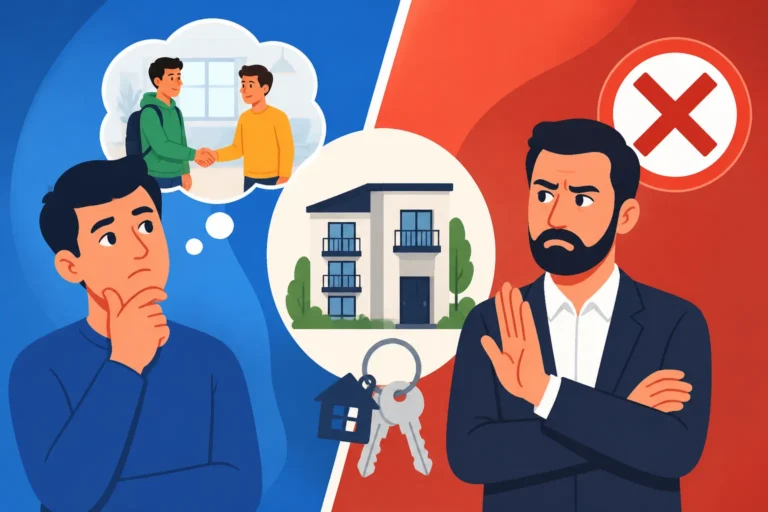
Subletting Laws in Oregon
Navigating the complexities of tenancy can be tough, especially when life throws you a curveball and you need to relocate or downsize before your lease is up. Many renters find themselves in a bind, wondering if they can find someone else to take over their rental without breaking their lease and incurring hefty penalties. This comprehensive guide will walk you through the ins and outs of subletting in Oregon, helping both tenants and landlords understand their rights and responsibilities under the state's specific laws.
Understanding Subletting in Oregon
Subletting often seems like a magic word that lets you off the hook for a lease you no longer need. But in reality, it's a specific legal arrangement that comes with its own set of rules and nuances, especially here in Oregon. It’s not simply handing off your keys; it's entering into a new, albeit temporary, landlord-tenant relationship with another individual.
What Subletting Really Means
At its core, subletting occurs when a current tenant (the "master tenant" or "sublessor") leases all or part of their rental unit to another individual (the "subtenant" or "sublessee") for a portion of their original lease term. The original tenant remains primarily responsible to the landlord for rent payments and adherence to the terms of the original lease agreement. Think of it this way: you’re still the "main character" in the story with your landlord, but now you have a sidekick helping you with your duties, like paying rent, and in return, you’re providing them a place to live.
This differs significantly from a full lease assignment, where the original tenant is completely replaced by a new tenant, and their legal obligations to the landlord typically end. With a sublet, your name is still on the dotted line with the property owner. This means if your subtenant decides to skip out on rent or causes damage, you, the master tenant, are the one the landlord will come after first. It's a significant point of liability that many tenants don't fully grasp until it's too late.
Why Tenants Choose to Sublet
There are a myriad of reasons why a tenant might consider subletting their Oregon apartment or house. Sometimes, it’s a temporary job relocation that takes them out of state for a few months, and they don't want to break their lease entirely. Other times, it might be a study abroad program, a long vacation, or even just needing to save money by having a roommate for a period, even if the lease was originally just for one person. Life happens, and circumstances change, and subletting can offer a flexible solution to avoid the financial burden of an empty apartment or the penalties associated with breaking a lease.
For landlords, understanding these common scenarios can help frame discussions around consent. While it might seem like extra paperwork, a well-managed sublet can prevent a vacant unit or a messy lease break, which often costs everyone more in the long run.
Tenant's Right to Sublet in Oregon
Unlike some states where tenants might have an implied right to sublet, Oregon law is pretty clear: your ability to sublet largely depends on the terms of your original lease agreement and obtaining your landlord's consent. It's not an automatic right, and simply assuming you can do it can lead to serious complications.
Checking Your Original Lease Agreement
The very first step for any Oregon tenant considering a sublet is to meticulously review their existing lease agreement. This document is the cornerstone of your tenancy and will dictate much of what you can and cannot do regarding your rental. Look for clauses specifically mentioning "subletting," "assignment," or "transfer of tenancy."
Some leases explicitly prohibit subletting. If this is the case, you generally cannot sublet without your landlord’s express permission, and doing so could be a direct violation of your lease, potentially leading to an Eviction for a Lease Violation. Other leases might allow subletting with the landlord's written consent, which is the most common scenario. A rarer clause might explicitly permit subletting without consent, but this is highly unusual, especially in today's rental market. Remember, ignoring a "no subletting" clause is a significant risk, and it's always best to communicate openly with your landlord.
The Importance of Landlord Consent
Even if your lease doesn't expressly forbid subletting, Oregon law (specifically under ORS 90.305) generally requires tenants to obtain their landlord's written consent before subletting or assigning their lease. This isn't just a formality; it's a crucial legal step that protects both you and your landlord. Without it, you could face penalties for unauthorized occupants or even eviction.
The good news is that in Oregon, if your lease requires landlord consent for subletting, the landlord generally cannot unreasonably withhold that consent. This means they can't just say "no" because they don't feel like it. They need a legitimate, objective reason related to their legitimate business interests as a landlord. We’ll delve deeper into what constitutes "reasonable" vs. "unreasonable" denial in the next section. But for now, understand that getting that written permission is paramount. It’s a good idea to put your request in writing and keep a copy for your records, detailing why you need to sublet and who the proposed subtenant is. This formal approach can protect you down the line.
The Landlord's Role: Approvals, Denials, and Restrictions
For landlords in Oregon, a subletting request from a tenant can feel like a mixed bag. On one hand, it shows the tenant is trying to be responsible and avoid a lease break. On the other, it introduces a new person into your property whom you didn't screen directly. Knowing your rights and obligations when faced with such a request is crucial to maintaining a healthy landlord-tenant relationship and staying compliant with the law.
Grounds for Reasonable Denial
Oregon law dictates that a landlord cannot unreasonably deny a request to sublet. So, what counts as "reasonable" grounds for refusal? Generally, it boils down to legitimate business reasons, similar to the criteria you’d use for any new tenant. Here are some common examples:
- Financial Instability of the Proposed Subtenant: If the prospective subtenant doesn't meet your established income requirements or has a poor credit history, you can reasonably deny the request. Just as you screen your primary tenants for financial capability, you have the right to ensure the subtenant can cover their portion of the rent. Using tools like Tenant Screening Services Compared can help you verify this information consistently.
- Poor Rental History or Prior Evictions: If a background check reveals the subtenant has a history of lease violations, property damage, or past evictions, this is a strong, reasonable basis for denial. You’re looking to protect your property and your investment.
- Criminal Background: A criminal history, especially for offenses that could pose a risk to other tenants, the property, or the neighborhood, is another valid reason for denial. However, be mindful of fair housing laws and HUD guidance regarding criminal history, which generally advise against blanket bans for all criminal records.
- Exceeding Occupancy Limits: If the proposed sublet would cause the total number of occupants in the unit to exceed the legal occupancy limits for the property or local ordinances, you can refuse the request.
- Violating Existing Lease Terms: If the subtenant has a pet, and your master lease has a strict no-pet policy (and it’s not a service or emotional support animal), or if they intend to use the property in a way that violates other lease terms, you have grounds to deny.
It’s essential that your reasons for denial are objective, non-discriminatory, and can be clearly articulated. Document everything, just in case.
What Constitutes Unreasonable Denial
Conversely, denying a sublet request for arbitrary or discriminatory reasons is considered unreasonable and could put you, the landlord, in legal hot water. Here are examples of what Oregon law would likely consider an unreasonable denial:
- Discrimination: Refusing a subtenant based on their race, color, national origin, religion, sex, familial status (e.g., having children), disability, or other protected classes under federal and Oregon state law is illegal. This also extends to source of income discrimination in some localities, so be aware of specific city ordinances.
- Personal Dislike: You simply don't "like" the look of the subtenant or have a gut feeling without any objective criteria to back it up.
- Wanting a Higher Rent: You deny the sublet because you think you could re-rent the unit yourself for more money. While landlords can raise rent at renewal, they generally can't deny a qualified subtenant to pursue a higher profit mid-lease.
- Refusal Without Explanation: Failing to provide a clear, written reason for the denial when requested by the tenant can be seen as unreasonable.
Landlords should respond to sublet requests promptly and in writing. If you deny the request, clearly state your specific, objective reasons. A transparent process protects everyone involved.
Permitted Lease Modifications or Fees
When approving a sublet, landlords in Oregon typically cannot impose new, unreasonable conditions on the original tenant or charge excessive fees. While you might want to screen the new subtenant (which is reasonable), you generally can’t charge a new application fee to the original tenant just for processing the sublet. You can pass along actual, reasonable costs incurred for screening the subtenant, such as the cost of a credit report or background check.
Some landlords might try to amend the master lease to reflect the subletting arrangement, which could be permissible if mutually agreed upon. However, any new terms or fees must be reasonable and directly related to the legitimate interests of the landlord. For example, if the subtenant introduces a pet, a reasonable pet deposit or pet rent might be allowable if it aligns with your existing pet policies and is applied consistently. It’s always best to formalize any changes with a lease addendum to avoid misunderstandings.
Crafting a Solid Sublease Agreement in Oregon
Once your landlord gives their green light, the next critical step is to draft a comprehensive sublease agreement. This document outlines the terms of the relationship between you, the master tenant (sublessor), and your new subtenant. Without a clear agreement, you're opening yourself up to significant risk.
Essential Elements of an Oregon Sublease Agreement
A solid sublease agreement should mirror many elements of a standard lease, but with the added layer of the master tenant’s responsibility to the original landlord. Here’s what you absolutely need to include:
- Parties Involved: Clearly identify the master tenant (sublessor) and the subtenant (sublessee), including full legal names and contact information.
- Property Address: The full address of the rental unit being sublet.
- Term of Sublease: Start and end dates of the sublease. This must be shorter than or equal to the remaining term of the original lease. For example, if your original lease ends on December 31st, your sublease cannot extend beyond that date.
- Rent Amount and Due Date: Specify the exact amount of rent the subtenant will pay, the due date, and how payments should be made (e.g., online transfer, check). It’s common for the subtenant to pay the master tenant, who then pays the landlord.
- Security Deposit: If you're collecting a security deposit from the subtenant, the amount, conditions for return, and how it will be held must be clearly stated, adhering to Oregon's security deposit laws, including the maximum security deposit limits by state. Remember, you become the subtenant's landlord in this regard.
- Utilities: Detail who is responsible for which utilities (electricity, gas, water, internet). Will the subtenant pay you directly for their share, or will they set up their own accounts?
- Reference to Original Lease: Crucially, the sublease should state that the subtenant is bound by all the terms and conditions of the original lease agreement between the master tenant and the landlord. Attach a copy of the original lease to the sublease agreement.
- Landlord's Consent: Include a clause confirming that the landlord has provided written consent for the sublet.
- Maintenance and Repairs: Clarify how repair requests will be handled. Typically, the subtenant reports issues to the master tenant, who then communicates with the landlord.
- Rules and Regulations: Any specific house rules, pet policies (if applicable), or community guidelines must be reiterated.
- Signatures: All parties (master tenant, subtenant, and ideally, the original landlord as an acknowledgment) should sign and date the agreement.
Many online legal platforms, like LawDepot, offer customizable sublease agreement templates that can be adapted for Oregon-specific requirements. However, it's always a good idea to have an attorney review it to ensure it fully protects your interests.
Obligations of the Master Tenant
When you sublet, you essentially become a landlord to your subtenant. This means you take on a host of new responsibilities, which can be a surprise to many first-time sublessors.
- Rent Collection and Payment: You are responsible for collecting rent from your subtenant and ensuring the full rent for the unit is paid to your landlord on time. If your subtenant doesn't pay, you still owe the full amount to your landlord.
- Property Maintenance: While major repairs are still the original landlord’s responsibility, you might be the first point of contact for your subtenant’s maintenance requests. You are also responsible for ensuring the subtenant maintains the property as per the original lease, preventing undue Normal Wear and Tear vs Damage: Complete Guide.
- Compliance with Original Lease: You must ensure your subtenant abides by all terms of the original lease. Any violation by the subtenant is ultimately your responsibility in the eyes of your landlord.
- Legal Compliance: You must comply with all landlord-tenant laws in Oregon concerning your relationship with your subtenant, including proper handling of their security deposit and providing adequate notice for entry.
This dual role can be challenging, but clear communication and a well-drafted sublease agreement can significantly ease the burden.
Subtenant's Rights and Responsibilities
Just like any tenant, a subtenant in Oregon has certain rights and responsibilities, even though their primary relationship is with the master tenant.
- Right to Habitability: The subtenant has a right to a safe and habitable living environment, just as if they were renting directly from the property owner.
- Privacy: Subtenants are entitled to reasonable privacy, and the master tenant must adhere to Oregon's rules regarding landlord entry.
- Following Sublease Terms: The subtenant is obligated to pay rent on time, maintain the property, and abide by all rules set forth in the sublease and the original lease.
- Returning the Property: At the end of the sublease term, the subtenant must return the property in good condition, accounting for normal wear and tear.
It's a delicate balance, but by being upfront about expectations and responsibilities from the beginning, both master tenants and subtenants can navigate this arrangement more smoothly.
Potential Pitfalls and How to Avoid Them
Subletting in Oregon can be a fantastic solution, but like any legal arrangement, it comes with potential risks. Being aware of these common pitfalls and taking proactive steps to avoid them can save you a lot of headache and heartache down the road.
Risks for the Master Tenant
As the master tenant, you bear the most significant risk in a subletting arrangement. Remember, you’re still the one on the hook for the original lease.
- Financial Liability: This is arguably the biggest risk. If your subtenant fails to pay rent, damages the property beyond their security deposit, or skips out early, your landlord will come after you for the money. This could lead to a hit on your credit score, collections, or even legal action against you. To mitigate this, thoroughly screen potential subtenants, just as a landlord would. Platforms like TurboTenant can help you conduct comprehensive background and credit checks.
- Property Damage: While the subtenant pays for their own damage, you are responsible for ensuring those repairs are made or paid for. If the damage exceeds the subtenant's deposit, you might have to cover the difference and then pursue the subtenant for reimbursement. Document the condition of the property meticulously with photos and videos before the subtenant moves in.
- Lease Violations: If your subtenant breaks any terms of the original lease – perhaps by having unauthorized guests, making too much noise, or violating pet rules – your landlord can hold you responsible. This could lead to notices to cure the violation or even eviction proceedings against you. Clear communication and a comprehensive sublease agreement are your best defense.
- Eviction: In a worst-case scenario, if your subtenant's actions lead to an eviction, it will likely be an eviction against you, the master tenant, as well, potentially making it harder for you to find housing in the future. Understanding the Eviction Process by State in Oregon is crucial.
To avoid these risks, be incredibly diligent in selecting a subtenant. Treat the screening process as seriously as a landlord would, including checking references and verifying income.
Risks for the Subtenant
While the master tenant typically assumes more risk, subtenants also face unique challenges in these arrangements.
- Lack of Direct Relationship with Landlord: Often, the subtenant has no direct legal relationship with the property owner. This means if the master tenant fails to pay rent to the landlord, the subtenant could face eviction even if they've paid their portion. It also means they might have limited recourse if the master tenant isn't fulfilling their "landlord" duties, such as ensuring repairs are made.
- Unclear Rights: Without a clear sublease agreement, subtenants might be unsure of their rights regarding things like security deposit return, notice for entry, or quiet enjoyment. Always ensure there is a written, signed sublease.
- Master Tenant Absconding: If the master tenant moves out and disappears without paying the original landlord, the subtenant could be left in a precarious position, potentially owing rent to a landlord they never directly contracted with or facing an eviction.
- Deposit Return Issues: If the master tenant is unreliable, getting your security deposit back at the end of the sublease term can be a challenge. The master tenant is responsible for returning it, not the original landlord. Document the condition of the unit thoroughly when you move in and out to protect your deposit.
Subtenants can protect themselves by insisting on a written sublease, understanding the terms of the original lease, and verifying the master tenant's credibility. It’s also wise to ensure the original landlord is aware and has consented to the sublet.
Tips for a Smooth Subletting Process
For both parties, communication, documentation, and adherence to legal requirements are key.
- Get it in Writing, Always: From the landlord’s consent to the sublease agreement itself, ensure every step is documented in writing and signed by all relevant parties.
- Screen Thoroughly: Whether you’re the master tenant looking for a subtenant or the landlord evaluating a subtenant, conduct full background, credit, and rental history checks.
- Be Transparent: The master tenant should provide the subtenant with a copy of the original lease and openly discuss all terms and responsibilities. The landlord should be transparent with their approval process.
- Understand Your State Laws: Familiarize yourself with Subletting & Lease Assignment Explained as well as specific Oregon landlord-tenant laws, especially concerning security deposits and eviction procedures.
- Consider Professional Help: If you’re unsure about drafting the agreement or navigating complex situations, don't hesitate to consult with a legal professional.
By taking these precautions, you can significantly reduce the risks associated with subletting and ensure a more positive experience for everyone involved.
| Feature | Master Tenant's Role (Sublessor) | Subtenant's Role (Sublessee) | Original Landlord's Role (Property Owner) |
|---|---|---|---|
| Primary Lease Obligation | To the original landlord (for full rent & terms) | To the master tenant (for sublease rent & terms) | To the master tenant (per original lease) |
| Rent Payment Chain | Collects from subtenant, pays full rent to landlord | Pays rent to master tenant | Receives full rent from master tenant |
| Primary Responsibility For Property Damage | To the original landlord | To the master tenant | To the master tenant (for any damage not repaired) |
| Security Deposit | Pays deposit to original landlord, collects from subtenant | Pays deposit to master tenant, expects return from them | Receives deposit from master tenant, returns to them |
| Maintenance Requests | Receives from subtenant, forwards to original landlord | Reports issues to master tenant | Responds to master tenant's requests |
| Lease Violations | Held accountable by original landlord for subtenant's actions | Held accountable by master tenant | Enforces original lease against master tenant |
| Eviction Risk | Can be evicted by landlord if subtenant defaults | Can be evicted by master tenant (or original landlord in some cases) | Initiates eviction against master tenant |
| Agreement | Has original lease with landlord, sublease with subtenant | Has sublease with master tenant | Has original lease with master tenant |
| Legal Standing | Remains a tenant to landlord, becomes a landlord to subtenant | Tenant to master tenant | Landlord to master tenant |
Final Thoughts on Subletting in Oregon
Subletting in Oregon is definitely an option for many tenants who find themselves needing to vacate their rental temporarily. However, it's not a simple handshake deal. It requires careful consideration, open communication, and strict adherence to the law. For master tenants, remember that you retain significant responsibilities to your landlord, even when someone else is living in your space. For subtenants, understanding that your primary relationship is with the master tenant, not necessarily the property owner, is key. And for landlords, approaching subletting requests with reasonableness and clear criteria will help you avoid legal issues while potentially maintaining a consistent rental income.
Always start by reviewing the original lease, getting everything in writing, and understanding your rights and obligations under Oregon's landlord-tenant laws. This proactive approach ensures that everyone involved has a clear understanding of the arrangement, minimizing potential conflicts and leading to a smoother experience for all.
Disclaimer
Please remember that this article provides general information and guidance regarding subletting laws in Oregon. Landlord-tenant laws are complex and can change, and specific situations may require personalized legal advice. This content is not a substitute for legal counsel from a qualified attorney licensed in Oregon. Always consult with a legal professional for advice pertaining to your specific circumstances.