What Happens If You Break a Lease?
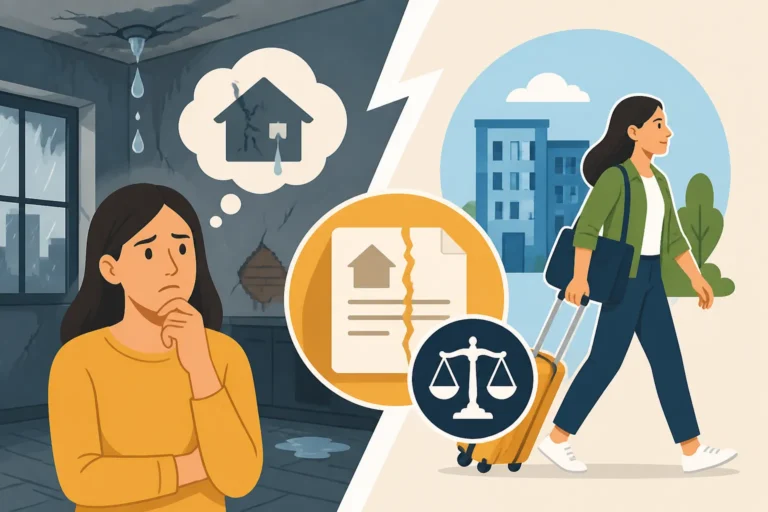
Moving out before your lease term is up can feel like a really tempting solution to a tough situation – maybe you got a new job offer in another city, your living situation has become unbearable, or perhaps personal circumstances have simply made staying impossible. It's a common dilemma, and the frustration of feeling trapped by a contract you no longer want or can't afford is very real. This guide is here to walk you through exactly what happens if you break a lease, covering the potential financial, legal, and personal repercussions, and more importantly, how you might be able to navigate this challenging process with as few negative consequences as possible.
Understanding Your Lease Agreement
Before you even think about packing a single box, the first and most critical step is to truly understand the document you signed: your lease agreement. This isn't just a formality; it's a legally binding contract that outlines the rights and responsibilities of both you, the tenant, and your landlord. Many people skim over the details when they're excited to move in, but those clauses about early termination or what happens if you leave can come back to bite you if you're not careful.
What Constitutes Breaking a Lease?
Breaking a lease, in its simplest terms, means you terminate a fixed-term rental agreement before its agreed-upon end date, without a legally recognized justification or the landlord's explicit permission. It's not just about physically moving out; it's about ending your contractual obligation to pay rent and abide by the lease terms. For example, if you sign a 12-month lease starting January 1st and decide to move out on June 30th without any prior arrangement, you've broken the lease. This applies even if you give your landlord notice, because the notice doesn't automatically negate the remaining months on the contract.
This is a key distinction from, say, ending a month-to-month tenancy, which usually just requires a proper notice period, typically 30 or 60 days, as outlined in your agreement or state law. With a fixed-term lease, you're locked in for the entire period. Ignorance of the terms won't excuse you from the consequences, which is why it's so important to review your lease thoroughly. Many leases, especially those drafted by professional property management companies or legal services like LawDepot, will have specific clauses detailing the process and penalties for early termination.
Fixed-Term vs. Month-to-Month Agreements
The type of lease you have profoundly impacts what happens if you decide to move out early. A fixed-term lease is for a specific, set period, like six months, one year, or even two years. During this time, both you and your landlord are bound by its terms. You cannot simply leave without repercussions, and your landlord cannot simply evict you without cause (unless specified conditions are met). The stability of a fixed-term lease is often seen as a benefit, but it comes with the drawback of less flexibility.
On the other hand, a month-to-month agreement (sometimes called a periodic tenancy) offers much more flexibility. Instead of a long-term commitment, the lease renews automatically each month until either party gives proper written notice to terminate. The required notice period is typically 30 days, though it can vary by state and even by local ordinance, sometimes requiring 60 or even 90 days. For instance, in some parts of California, a 30-day notice is sufficient if you've lived there for less than a year, but it becomes 60 days if you've been there longer. If you're on a month-to-month lease, leaving with proper notice is not "breaking a lease"; it's simply ending your tenancy as per the agreement, and it typically carries no penalties beyond paying rent for the notice period. Understanding these fundamental differences is the first step in knowing where you stand.
Immediate Financial Consequences
One of the biggest anxieties about breaking a lease is the financial hit. It's not just about losing your security deposit; the costs can quickly escalate and become a significant burden. Landlords are generally entitled to recover their losses when a tenant breaks a lease, and these losses can include continued rent, advertising costs, and re-rental fees.
Continued Rent Liability
When you break a fixed-term lease, your primary financial obligation doesn't just disappear. You are generally still responsible for paying rent until the end of your original lease term, or until the landlord finds a new tenant, whichever comes first. This is a crucial concept often referred to as "mitigation of damages." Most states require landlords to make a reasonable effort to find a new tenant (to "mitigate" their financial damages) rather than just letting the property sit vacant and charging you rent for the entire lease term.
However, "reasonable effort" can be a gray area. A landlord might list the property on popular rental sites like Zillow or Apartments.com, put up a "for rent" sign, and show it to prospective tenants. But they aren't usually required to rent it for less than market value or to prioritize your unit over others they own. If it takes them two months to find a suitable replacement tenant, you could be on the hook for those two months of rent, even if you've already moved out. Imagine you have six months left on a $1,500/month lease. If it takes your landlord two months to re-rent the property, you could still owe $3,000 in rent. This can feel incredibly unfair, especially if you're already paying rent on a new place, but it's a standard consequence of breaking the contract. For more details, explore our guide on Landlord Duty to Mitigate Damages Explained.
Loss of Security Deposit
It's almost a given that if you break your lease, your security deposit will be the first thing your landlord goes after to cover their losses. The security deposit is designed to cover unpaid rent, damages beyond normal wear and tear, and sometimes, early termination fees. If you've skipped out on a month's rent or the landlord incurs costs finding a new tenant, they can absolutely use your security deposit to offset these expenses.
In many states, landlords are required to provide an itemized statement of deductions from your security deposit. This statement should clearly explain what your deposit was used for, whether it was for unpaid rent, cleaning costs, or re-rental fees. If their losses exceed your security deposit, they might pursue you for the remainder. For example, if your security deposit was $1,000, but they incurred $1,500 in lost rent and advertising fees, they could keep the $1,000 and still demand the additional $500. This is a major reason why securing your How to Get Your Security Deposit Back after breaking a lease is exceptionally difficult, if not impossible, unless you have a legally justified reason.
Early Termination Fees and Penalties
Beyond the lost rent and security deposit, many leases include specific clauses for early termination fees. These fees are essentially a pre-negotiated penalty designed to compensate the landlord for the inconvenience and costs associated with finding a new tenant. They can range from a flat fee (e.g., one or two months' rent) to a percentage of the remaining lease value. The legality and limits of these fees vary significantly by state and even by city.
For instance, in some states like Texas, an early termination fee must be explicitly stated in the lease agreement to be enforceable. If it's not, the landlord can generally only charge actual damages (like lost rent and re-rental costs). In other areas, rent control ordinances might cap such fees. It's vital to check your specific lease document for an "early termination clause" or a "liquidated damages" clause. If your lease specifies an early termination fee, and it's considered reasonable under state law, you'll likely be responsible for paying it. This is where using services like TurboTenant for landlords can help ensure their leases are compliant with local laws, but it also means tenants need to be extra vigilant about what they're signing. Always review your lease carefully, and if you have questions, consider consulting a local housing authority or legal professional.
Here's a simplified table comparing common financial impacts:
| Consequence | Description | Typical Cost Example |
|---|---|---|
| Continued Rent Liability | Responsible for rent until lease ends or new tenant found (landlord must mitigate damages). | 1-3 months of rent (e.g., $1,500-$4,500) |
| Loss of Security Deposit | Deposit is often used to cover landlord's losses, including unpaid rent or re-rental costs. | Full deposit (e.g., $1,000-$2,500) |
| Early Termination Fee | A specific fee, if stipulated in the lease, to cover landlord's inconvenience. | 1-2 months' rent, or a flat fee (e.g., $1,500-$3,000) |
| Re-rental & Advertising Costs | Expenses incurred by the landlord to advertise and process new applications. | $100-$500 |
| Legal Fees | If the landlord pursues legal action to recover losses. | Varies widely, potentially thousands of dollars |
Long-Term Impacts on Your Tenant Profile
The immediate financial hit can be tough, but breaking a lease can also cast a long shadow over your rental future. It can make it significantly harder to find a new place to live, potentially for years to come. Landlords rely heavily on past rental history to assess risk, and a broken lease is often seen as a major red flag.
Damage to Rental History
Your rental history is like your credit report for housing. It’s a record of your past tenancies, including how well you paid rent, if you caused damage, and crucially, if you fulfilled your lease obligations. When you break a lease, this negative mark goes onto your rental history. Future landlords, especially those using comprehensive tenant screening services, will almost certainly see it. It tells them you defaulted on a prior contract, which immediately raises concerns about your reliability as a tenant.
Consider a scenario: you apply for a new apartment in a competitive market like Seattle. The landlord receives multiple applications. If your application shows a broken lease, even if you explain the circumstances, another applicant with a spotless record might be chosen over you. It's not necessarily about whether you're a "bad" person, but about how landlords perceive risk. To them, a broken lease suggests you might do it again, and they want tenants who will honor their agreements. This can mean needing a co-signer, paying an extra large security deposit, or being outright denied for rentals in the future.
Credit Score Implications
While breaking a lease doesn't directly appear on your credit report the same way a missed loan payment would, the financial fallout can absolutely impact your credit score. If your landlord seeks to recover unpaid rent, early termination fees, or damages that exceed your security deposit, and you don't pay them, they can send the debt to a collections agency.
Once a debt is in collections, it will show up on your credit report and can significantly lower your credit score. A low credit score makes it harder to get approved for loans, credit cards, and even future rental applications. It can stay on your credit report for up to seven years. Furthermore, if the landlord takes you to court and wins a judgment against you for unpaid amounts, that judgment can also appear on your credit report, further damaging your financial standing. While many people focus on their ability to pay rent, overlooking these credit implications can have far-reaching consequences that extend beyond just housing. For more information on this, check out our article on Breaking a Lease and Your Credit Score.
Potential Difficulties Finding Future Housing
This is the cumulative effect of a damaged rental history and a dinged credit score. Imagine trying to rent a new place after you've broken a lease. Most landlords will ask for references from previous landlords. If your previous landlord reports that you broke your lease and left them with unpaid rent or fees, it will be very challenging to secure a new lease. Some landlords might even have a strict policy against renting to anyone with a broken lease on their record.
You might find yourself in a position where the only landlords willing to rent to you are those with less stringent screening processes, which sometimes means less desirable properties or landlords who charge higher rents or larger security deposits to offset the perceived risk. In some cases, you might even need to consider alternative housing arrangements, like shared living situations, where individual rental history checks might be less rigorous. It's a tough spot to be in, and it underscores the importance of trying to work something out with your current landlord rather than just walking away.
Legal Actions a Landlord Might Take
It's easy to think of breaking a lease as simply moving out, but from a landlord's perspective, it's a breach of contract, and they have legal avenues to pursue you for their losses. Ignoring the situation won't make it go away; it often just escalates the problem.
Debt Collection and Lawsuits
If you fail to pay the rent or fees your landlord is owed after breaking a lease, they have several options. Initially, they might send demand letters, which are formal requests for payment. If these go unanswered, they could turn the debt over to a third-party collections agency. As mentioned, this will negatively impact your credit score and can be a persistent headache. Collections agencies are relentless and will attempt to contact you repeatedly to recover the debt.
Beyond collections, a landlord can also choose to sue you in civil court, typically small claims court if the amount owed falls within the state's limits (which vary, but are often up to $5,000, $10,000, or even $15,000 in some states like California). In a lawsuit, the landlord would present evidence of the lease, your breach, and their financial damages (unpaid rent, re-rental costs, early termination fees, etc.). If they win, the court will issue a judgment against you. This judgment is a legal order to pay the landlord and can lead to wage garnishment, bank account levies, or liens on your property. While you might think a landlord won't bother suing over a few thousand dollars, many absolutely will, especially if they use professional property management services that have standardized procedures for such situations.
Eviction Proceedings and Records
Even if you've already moved out, your landlord might initiate an eviction filing against you, especially if you didn't provide proper notice or left significant unpaid rent. While it might seem counterintuitive to evict someone who has already vacated the premises, an eviction judgment serves two purposes: it legally terminates your right to the property and creates an official court record of the non-payment or lease breach.
This eviction record, separate from a typical civil judgment, is a powerful tool for landlords. It almost guarantees that future landlords will deny your applications, regardless of your credit score. Eviction records are easily accessible through tenant screening reports (like those offered by TurboTenant or SmartMove) and are a major deterrent for property owners. Even if you "self-evicted" by moving out, your landlord might still pursue an "unlawful detainer" action to formally clear your name from the property and establish the debt in court. This means that even if you avoid being physically removed by a sheriff, the negative impact of an eviction filing can follow you for years, making future housing very challenging to secure.
Understanding Your Rights and Defenses
It's not all doom and gloom for tenants. Even if you've broken a lease, you still have rights, and there are situations where breaking a lease is legally justified. If your landlord has violated the lease agreement or their legal obligations, you might have a defense against their claims for damages. For instance, if the property was uninhabitable, if the landlord failed to make necessary repairs after repeated requests, or if they violated your right to privacy by entering without proper notice, these could be valid reasons to break a lease without penalty.
Your state's landlord-tenant laws, such as those regarding the Implied Warranty of Habitability Explained, often provide specific protections for tenants. If you believe your landlord has breached their duties, it's crucial to document everything: dates of issues, repair requests in writing, photos, and communication. This documentation can be vital evidence if you end up in court. Remember, a broken lease isn't always a tenant's fault, and understanding your rights can help you build a strong defense or negotiate a more favorable outcome.
Strategies to Mitigate the Fallout
While breaking a lease can seem like a daunting prospect, there are proactive steps you can take to minimize the financial and legal repercussions. The key is communication, understanding your options, and being proactive rather than simply disappearing.
Working with Your Landlord to Find a Replacement Tenant
This is often your best bet for minimizing losses. Many states, like Colorado, require landlords to "mitigate damages," meaning they must make a reasonable effort to re-rent the property after a tenant breaks a lease. You can, and should, assist in this process. Start by communicating with your landlord as soon as you know you need to leave. Offer to help market the property, spread the word, and even find suitable replacement tenants yourself.
For example, if you know someone who is looking for a rental and meets the landlord's screening criteria (credit score, income, rental history), you could present them as a potential new tenant. The landlord isn't obligated to accept just anyone, but they are generally required to consider qualified applicants. If a new tenant moves in quickly, your financial liability for lost rent ceases the day they take occupancy. This collaborative approach can save you a lot of money and keep your relationship with your landlord amicable, which is vital for future rental references. Remember, a good landlord often prefers to work with you to find a solution rather than going through the hassle and expense of a lawsuit.
Subletting or Lease Assignment
Another excellent strategy, if permitted by your lease and local laws, is to find someone to take over your lease. This can be done in two main ways: subletting or lease assignment.
- Subletting: This means you find a new tenant (the subtenant) to live in the property and pay rent directly to you. You, in turn, remain responsible for the original lease agreement with your landlord and continue to pay rent to them. While this can offer some flexibility, you retain ultimate legal and financial responsibility for the property and the subtenant's actions. If the subtenant doesn't pay rent or damages the property, you are still on the hook.
- Lease Assignment: This is a more permanent solution where you transfer all your rights and responsibilities under the lease to a new tenant (the assignee). Once the lease is assigned and approved by the landlord, you are typically released from your obligations. This is often the preferred route if you want a complete break from the property.
Crucially, you generally cannot sublet or assign your lease without your landlord's written permission, unless your state law specifically allows it under certain conditions (like in New York City, where tenants in buildings with four or more units have a right to sublet). Your lease will usually contain a clause addressing subletting and assignment, often requiring landlord consent, which they cannot unreasonably withhold. If your lease is silent on the matter, some states default to allowing it. Always consult your lease and local tenant laws before pursuing this option. Understanding the nuances of Subletting & Lease Assignment Explained can empower you to explore these avenues effectively.
Negotiating a Mutual Termination
Sometimes, the best solution is to simply negotiate an agreement with your landlord to mutually terminate the lease early. This is a formal, written agreement where both parties agree to end the tenancy on a specific date, often with certain conditions attached. These conditions might include you paying an early termination fee (which could be less than the full rent due) or forfeiting your security deposit.
For example, you might offer your landlord two months' rent as an early termination fee in exchange for being released from all further obligations. For a landlord, this can be appealing because it avoids the uncertainty and potential cost of trying to find a replacement tenant and pursuing you for damages. It provides a clean break for everyone. A mutual termination agreement should always be in writing, signed by both you and your landlord, and clearly state that you are released from future liability. This document is your proof that you legally ended your lease and are no longer responsible for the property. Don't rely on verbal agreements; get everything in writing!
Legally Justified Reasons to Break a Lease Without Penalty
While the general rule is that breaking a lease comes with consequences, there are specific circumstances where tenants are legally allowed to terminate a lease early without incurring penalties. These reasons are usually enshrined in state or federal law to protect tenants in difficult or dangerous situations.
Uninhabitable Living Conditions
One of the most common and powerful legal justifications for breaking a lease is if the rental property becomes "uninhabitable." This refers to conditions that threaten a tenant's health or safety, making the dwelling unfit for living. Examples include a lack of essential utilities like heat, hot water, or electricity; a severe pest infestation (like bed bugs or roaches) that the landlord fails to address; dangerous structural issues; or significant mold growth that poses a health risk.
Your landlord has an obligation, known as the Implied Warranty of Habitability Explained, to provide and maintain a safe and livable environment. If they fail to do so, and you've given them proper written notice of the issue and a reasonable amount of time to fix it (which varies by state, often 7 to 30 days depending on the severity), you may be able to move out and break the lease without penalty. However, you cannot simply move out immediately; you must follow specific legal procedures, often involving written communication and documenting the issues. For instance, if your heat goes out in winter in New York and the landlord doesn't fix it after reasonable notice, you might be able to terminate the lease. Always consult local laws and consider seeking legal advice before taking this step.
Military Deployment and Domestic Violence
Federal and state laws provide significant protections for tenants in specific vulnerable situations, allowing them to break a lease without penalty.
- Military Deployment (Servicemembers Civil Relief Act – SCRA): The SCRA is a federal law that protects active-duty military members from certain civil obligations, including lease agreements. If you are an active-duty servicemember who receives permanent change of station (PCS) orders or orders to deploy for at least 90 days, you can break your lease without penalty. You must provide written notice to your landlord and a copy of your military orders. The lease then typically terminates 30 days after the date the next rent payment is due. This is a crucial protection for military families who often face unexpected moves.
- Domestic Violence, Sexual Assault, or Stalking: Many states, including California, Washington, and Illinois, have laws allowing victims of domestic violence, sexual assault, or stalking to terminate their lease early without penalty. These laws typically require the tenant to provide written notice to the landlord, along with documentation such as a protection order, a police report, or a statement from a qualified third-party professional (like a doctor or counselor). The purpose is to allow victims to escape unsafe living situations quickly and without further financial burden. Specific requirements and documentation vary significantly by state, so it's essential to check your local laws carefully.
Landlord Harassment or Privacy Violations
While less common, sustained landlord harassment or repeated violations of a tenant's privacy rights can sometimes be grounds for constructive eviction, allowing a tenant to break a lease. Constructive eviction occurs when a landlord's actions (or inactions) make the property uninhabitable or effectively force the tenant to move out, even if the landlord hasn't formally evicted them.
Examples of such behavior include a landlord repeatedly entering your apartment without proper notice, shutting off utilities without cause, threatening or harassing you, or creating such a nuisance that you cannot reasonably live in the unit. For instance, if a landlord in Boston continually shows up unannounced, demands entry without legal notice, and makes threats, a tenant could argue they've been constructively evicted. However, proving constructive eviction in court can be challenging. You would need clear and consistent documentation of the harassment or privacy violations, including dates, times, witnesses, and any written communications. This is a complex legal area, and it's highly recommended to consult with an attorney specializing in landlord-tenant law before attempting to break a lease on these grounds. Your rights as a tenant extend to having quiet enjoyment of your property, and severe breaches of this can justify early termination.
Disclaimer
Please remember that this article provides general information and insights into landlord-tenant laws. This content is not intended as legal advice, and the specific laws regarding breaking a lease can vary significantly by state, county, and even city. It is always recommended to consult with a qualified legal professional or local housing authority for advice tailored to your specific situation and jurisdiction.