Breaking a Lease Due to Mold or Uninhabitable Conditions
There are few things more frustrating and disheartening than paying good money for a place to live, only to find it riddled with serious problems that threaten your health or safety. When your rental becomes truly uninhabitable, whether due to a widespread mold issue or other severe defects, knowing your rights to break your lease and escape the situation is crucial. This guide will walk you through the often-complex steps and considerations for legally breaking a lease when your living conditions are unacceptable.
Understanding What Makes a Rental Uninhabitable
It’s one thing to have a leaky faucet or a noisy neighbor, but it’s an entirely different beast when your living space genuinely becomes a health hazard or unsafe. The distinction between minor inconveniences and uninhabitable conditions is vital, as it determines your legal right to break a lease without penalty. Landlord-tenant laws across the country generally agree on a baseline standard of livability.
Defining "Uninhabitable Conditions" in Rental Properties
When we talk about "uninhabitable conditions," we're not just complaining about dated appliances or a less-than-perfect paint job. We're talking about severe issues that render a property unfit for human habitation, directly impacting a tenant's health, safety, or basic welfare. These are conditions that violate building codes or state health and safety standards. Think things like a lack of essential utilities, a severe pest infestation, or structural dangers.
For example, if your ceiling has a persistent, growing leak that's causing portions of the plaster to sag precariously, or if your apartment is consistently without heat in the dead of winter in a cold climate, these are strong indicators of an uninhabitable condition. It's about fundamental requirements for safe and healthy living, not cosmetic flaws. Knowing the line between a nuisance and a legal violation is the first step in asserting your rights.
The Implied Warranty of Habitability
At the core of tenant rights regarding uninhabitable conditions is a legal principle known as the "implied warranty of habitability." This isn't usually something explicitly written into your lease agreement; rather, it's an unwritten, inherent promise that every landlord makes to every tenant. It means that the rental property will remain safe, clean, and fit for human habitation throughout the tenancy. It’s a foundational concept you'll want to understand. You can learn more about the Implied Warranty of Habitability Explained in detail.
This warranty ensures that landlords must maintain the property to a minimum standard, providing basic necessities like a functional roof, working plumbing, electricity, and heat (especially in climates where it's essential for survival). If a landlord fails to uphold this warranty, they are essentially breaching their end of the rental agreement, even if no specific clause is being violated. This breach can be the legal grounds for a tenant to take action, including breaking the lease.
Common Uninhabitable Conditions and Their Severity
While mold is often the first thing people think of when discussing uninhabitable conditions, it's far from the only issue. Many other severe problems can make your rental genuinely unlivable, and understanding these can help you identify if your situation warrants breaking your lease.
Mold Infestations: When Is It Severe Enough to Break a Lease?
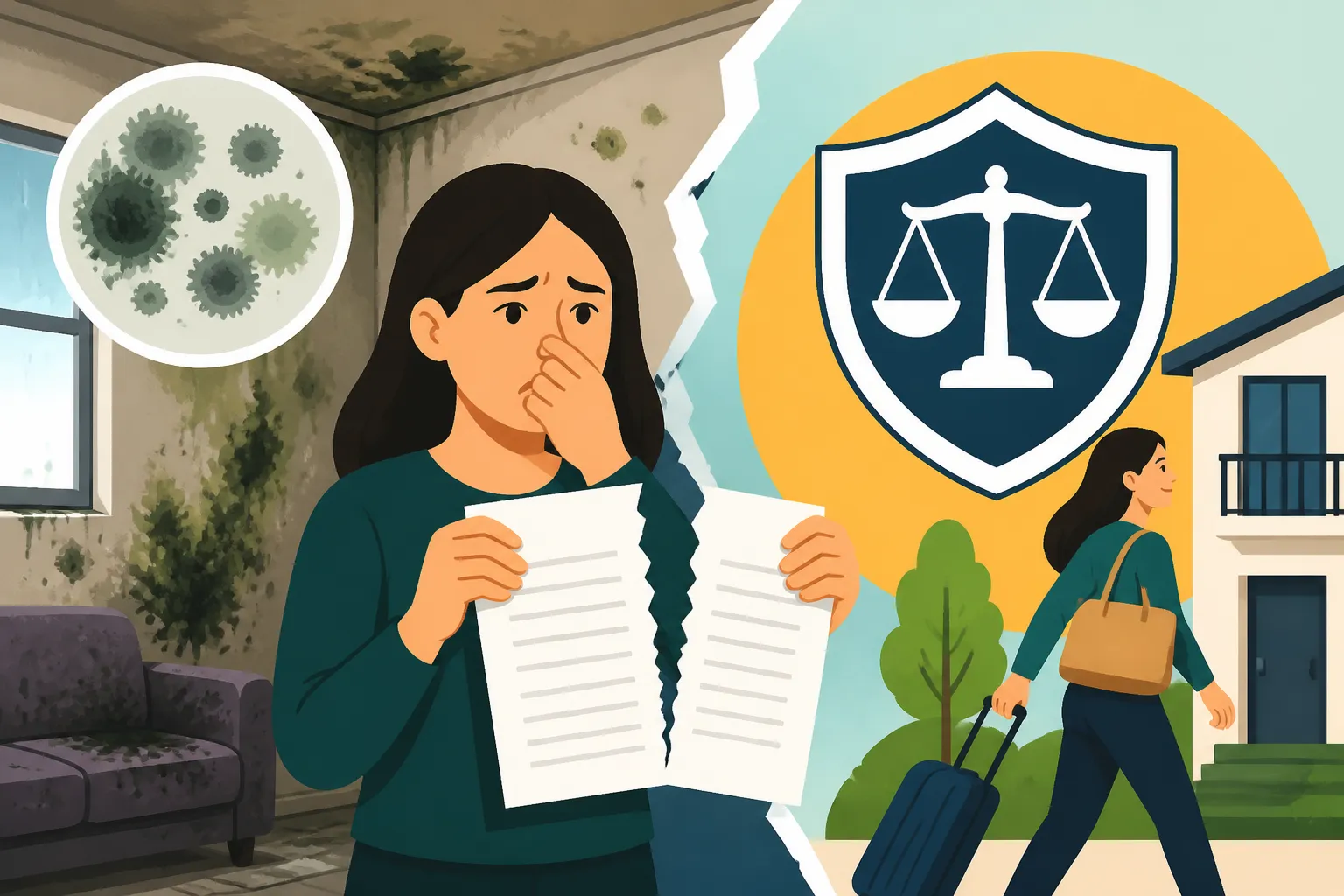
Mold is a tricky beast. A small patch of mildew in the bathroom shower is generally not considered an uninhabitable condition. However, a widespread, pervasive mold infestation—especially the toxic black mold (Stachybotrys chartarum)—that infiltrates walls, carpets, and air ducts is a serious health risk and almost certainly qualifies. This is particularly true if the mold is caused by a landlord’s failure to address a leak or moisture problem.
The key is often the scope and origin. If a landlord ignores significant water damage that leads to extensive mold growth, particularly in areas like walls, ceilings, or under flooring, this can severely impact air quality and pose significant health risks, especially for those with respiratory issues, allergies, or compromised immune systems. Documenting the extent of the mold and any related health symptoms is crucial. For further reading, check out our comprehensive guide on Mold: Landlord Responsibility & Tenant Rights.
Structural Issues, Pests, and Other Safety Hazards
Beyond mold, a host of other problems can render a property uninhabitable. Structural issues, such as a collapsing ceiling, a severely damaged foundation, or compromised staircases, pose immediate physical dangers. These aren't just cosmetic flaws; they are direct threats to the occupants' safety and are usually violations of local building codes.
Severe pest infestations also fall into this category. We're not talking about a couple of ants or a rogue spider. We mean widespread infestations of rodents, cockroaches, or bedbugs that make sleeping or eating in the unit unbearable and unsanitary. These infestations can carry diseases and are notoriously difficult and expensive to eradicate without professional help. If your landlord fails to address such issues within a reasonable timeframe, it can certainly be grounds for action. You might also want to consult a resource like LawDepot to understand the specific language regarding these issues in typical lease agreements.
Utility Failures and Essential Services
A consistent lack of essential utilities is one of the most undeniable signs of an uninhabitable living situation. This includes prolonged absence of heat during cold months, no hot water, or a complete lack of safe, functioning electricity. Imagine trying to live in an apartment in January in Chicago without heat for days on end—that's a clear violation of habitability. Similarly, a severe lack of plumbing or sanitation can make a unit unlivable.
Many states have specific rules about what constitutes an emergency and how quickly a landlord must respond to utility outages. For example, a complete lack of heat or hot water is often considered an emergency repair. If a landlord fails to restore essential services promptly, they are in clear breach of their obligations. Our guide on No Heat / No Hot Water / No AC: Your Rights offers more specific details on tenant protections.
The Step-by-Step Process for Breaking Your Lease
Breaking a lease due to uninhabitable conditions isn't as simple as just packing your bags and leaving. There's a very specific, legally sound process you need to follow to protect yourself from potential financial repercussions. Skipping steps can leave you vulnerable to your landlord suing you for unpaid rent or claiming your security deposit.
Document Everything Thoroughly
The golden rule in any landlord-tenant dispute, especially one involving uninhabitable conditions, is to document, document, document. This means taking pictures and videos of all problematic conditions, from mold growth and water damage to pest activity and structural issues. Date-stamped evidence is your best friend. Make sure these documents clearly show the severity and extent of the problems.
Keep meticulous records of all communication with your landlord or property manager. Note down the dates and times of phone calls, who you spoke to, and what was discussed. Save all emails, text messages, and letters. If you're physically handing over a written notice, make a copy for yourself and have your landlord sign and date your copy to acknowledge receipt. This paper trail is invaluable if you need to go to court.
Notifying Your Landlord in Writing
This is perhaps the most critical step. You absolutely must formally notify your landlord of the uninhabitable conditions in writing. A casual text message or a verbal complaint won't cut it in court. Your written notice should:
- Clearly describe the issues: Be specific about the mold, structural damage, pest infestation, or utility failures.
- State your intention: Explain that these conditions render the property uninhabitable and violate the implied warranty of habitability.
- Demand repairs: Request that the landlord fix the problems within a specific, reasonable timeframe, as dictated by your state's laws (often 7-30 days for major issues, or immediately for emergencies).
- Mention your next steps: Inform them that if the repairs are not made within that timeframe, you intend to exercise your right to terminate the lease due to their breach.
Send this letter via certified mail with a return receipt requested, or deliver it in person and get a signed acknowledgment. This provides irrefutable proof that your landlord received the notice. You can find templates and guidance on creating formal notices through services like LawDepot. A well-crafted Security Deposit Demand Letter How-To + Template can also serve as a good example of formal communication.
Waiting for a Reasonable Time for Repairs
Once you've sent your formal written notice, you must give your landlord a "reasonable time" to make the necessary repairs. What constitutes "reasonable" can vary significantly depending on the severity of the issue and your state's laws. For an urgent problem like no heat in winter, "reasonable" might mean 24-72 hours. For a less immediate but still critical issue like a developing mold problem, it might be 7-14 days. Many states, like California, specify 30 days for general repairs, but often shorter for urgent habitability issues. For state-specific timelines, consult our article on How Long Does a Landlord Have to Make Repairs By State.
If your landlord fails to make the repairs within this timeframe after receiving proper notice, they have failed to uphold their end of the lease agreement and the implied warranty of habitability. This failure is what empowers you to legally break the lease. It's crucial not to abandon the property before this reasonable time has passed, or you could jeopardize your legal standing.
Legal Avenues if Your Landlord Doesn't Act
If, despite your best efforts and clear communication, your landlord still drags their feet or outright refuses to address the uninhabitable conditions, you're not powerless. There are several legal avenues you can pursue to protect yourself and get out of an unhealthy living situation.
Constructive Eviction: The Path to Lease Termination
"Constructive eviction" is the legal theory that allows you to break your lease under these circumstances. It means that while your landlord hasn't physically evicted you, their actions (or inaction) have made the property so unlivable that it's as if they have evicted you. Essentially, the landlord's failure to maintain a habitable environment forces you to move out. If successful in proving constructive eviction, you can terminate your lease without penalty and may even be entitled to damages.
To successfully claim constructive eviction, you generally need to prove three things:
- The conditions were truly uninhabitable: This goes back to your thorough documentation.
- You notified the landlord: You gave them proper written notice of the problems.
- The landlord failed to fix the problems: They did not remedy the issues within a reasonable time.
- You moved out: You vacated the property due to the conditions.
If you can demonstrate all of these, a court will likely side with you, allowing you to break the lease and potentially recover your security deposit and other related expenses. This is why following the proper notification and documentation steps is so critically important.
Repair and Deduct, or Rent Escrow as Alternatives
In some states, before or instead of breaking your lease, you might have other options if your landlord fails to make repairs. These include "repair and deduct" or "rent escrow."
- Repair and Deduct: This allows you to arrange for the necessary repairs yourself (or hire a professional) and then deduct the cost from your next month's rent. However, this option usually comes with strict limits, such as a maximum amount you can deduct (e.g., one month's rent or a certain percentage) and often only for specific types of urgent repairs. The conditions must generally be very severe, and you must have given your landlord proper notice and a reasonable chance to fix it first. It's a risky move if not done perfectly, so always check your state and local laws thoroughly.
- Rent Escrow: In states that allow it, you can pay your rent into an escrow account (held by a court or a third party) instead of directly to your landlord. The funds are released to the landlord only once the repairs are completed. This demonstrates that you're willing to pay rent, but only when the landlord fulfills their obligations. Like repair and deduct, it requires strict adherence to state-specific procedures and usually needs court involvement.
These options are not available in every state or for every situation, and they carry their own risks. Always consult local tenant rights resources or legal counsel before attempting either of these actions. Our article on Withholding Rent & Rent Escrow delves into these options more deeply.
Seeking Legal Aid or Tenant Rights Organizations
Navigating landlord-tenant law can feel overwhelming, especially when you're dealing with the stress of an uninhabitable home. If you're unsure about your rights, the proper steps, or feel your landlord is being unreasonable, don't hesitate to seek help. Many cities and states have tenant rights organizations, legal aid societies, or non-profit housing counseling services that can offer free or low-cost advice. For example, organizations like the Tenants Union of Washington State or Legal Aid Foundation of Los Angeles often provide invaluable assistance.
These groups can help you understand your specific state and local laws, review your documentation, and even assist you in drafting formal notices. They can also advise you on how to proceed if you need to take your landlord to small claims court, perhaps to recover your security deposit or other damages incurred due to their negligence. Services like TurboTenant might also offer resources for understanding local regulations, though their primary focus is often landlord-centric.
Here's a quick comparison of the landlord's and tenant's responsibilities:
| Condition Category | Landlord Responsibility | Tenant Responsibility |
|---|---|---|
| Structural Integrity | Ensure safe foundation, roof, walls, stairs. | Report issues promptly, avoid causing damage. |
| Essential Utilities | Provide working heat, hot water, electricity, plumbing. | Pay utility bills, report outages, avoid misuse. |
| Pest Control | Address widespread infestations (e.g., rats, bedbugs). | Maintain cleanliness, report issues promptly. |
| Mold Issues | Prevent mold from structural leaks, fix moisture problems. | Clean minor surface mold, maintain ventilation. |
| Safety Features | Install and maintain smoke detectors, CO detectors. | Test detectors, replace batteries, report malfunctions. |
| Common Area Maintenance | Keep shared areas safe and clean. | Keep personal areas clean, dispose of trash properly. |
Potential Risks and Important Considerations
Even when you have strong grounds to break your lease due to uninhabitable conditions, there are still risks involved. It's vital to proceed cautiously and understand the potential ramifications. Rushing into a decision or failing to follow proper legal procedures can lead to financial penalties and legal headaches.
Avoiding Accusations of Self-Help Eviction
One of the biggest pitfalls tenants face when breaking a lease for uninhabitable conditions is inadvertently being accused of "self-help." This happens if you move out without properly notifying your landlord or without giving them a reasonable opportunity to make repairs. If you just up and leave, your landlord could argue that you abandoned the property and breached the lease yourself. In such cases, they might try to keep your security deposit, sue you for the remaining rent, or report a negative mark on your rental history.
To avoid this, stick rigidly to the documented notification process. Ensure you have clear evidence of the uninhabitable conditions, your written notice, and your landlord's failure to respond. This legal shield is what prevents your landlord from turning the tables on you and claiming you broke the lease without cause.
Financial Implications and Security Deposit Recovery
Even if you successfully break your lease due to uninhabitable conditions, there might still be financial implications to consider. You will want to move quickly to find new housing, which incurs moving costs and a new security deposit. While you should, in theory, be entitled to the full return of your original security deposit, landlords might still try to make deductions, claiming damage or unpaid rent. You can dispute these deductions, but it might require further legal action, like sending a Security Deposit Demand Letter How-To + Template or filing in small claims court.
Furthermore, if your landlord disputes your claim of uninhabitable conditions, they might attempt to hold you liable for rent until a new tenant is found, claiming you did break the lease. While many states require landlords to "mitigate damages" by actively trying to re-rent the unit, the legal battle can be costly and time-consuming. This is why having robust documentation and following all legal steps precisely is paramount—it significantly strengthens your position to recover your security deposit and avoid ongoing rent liability.
Long-Term Impact on Rental History
Breaking a lease, even for a legitimate reason, can sometimes create a ripple effect on your rental history. While you have a legal right to vacate an uninhabitable property, a landlord who feels slighted or who genuinely believes the conditions weren't that bad might report your lease termination negatively to tenant screening services. This could make it harder to secure future housing.
This is another reason why legal guidance and impeccable documentation are so important. If you can provide a prospective new landlord with a clear, documented timeline of events, including your landlord's failure to maintain a habitable environment and your adherence to legal procedures, it can help mitigate any concerns they might have about your rental history. Proving your landlord was at fault is your best defense against negative marks.
Disclaimer
Please remember that this article provides general information and is not a substitute for legal advice. Landlord-tenant laws vary significantly by state and even by local municipality. Always consult with a qualified attorney or local tenant rights organization to understand your specific rights and obligations in your jurisdiction before taking action regarding your lease or rental property.