Fair Housing Protected Classes in Florida
Navigating the world of renting can feel like a minefield sometimes, especially when you're worried about whether you'll be treated fairly. It's a frustrating reality that discrimination, whether intentional or not, still exists in housing. This comprehensive guide is here to shed light on the fair housing protected classes specifically in Florida, helping both tenants and landlords understand their rights and responsibilities under federal, state, and crucially, local laws.
Understanding Fair Housing Protections in Florida
When we talk about fair housing, we're talking about the fundamental right to choose housing free from discrimination. It's about ensuring everyone has an equal opportunity to rent an apartment, buy a home, or secure a mortgage, regardless of who they are. While the federal government sets a baseline, states and local municipalities can expand upon these protections. Florida, like many states, has its own nuances that are essential to understand.
Federal Fair Housing Act: The Baseline
The bedrock of fair housing in the United States is the federal Fair Housing Act (FHA), established in 1968. This act made it illegal to discriminate in housing-related transactions based on certain characteristics. It was a huge step forward, though many battles were fought to get here.
There are seven core protected classes under the FHA:
- Race: This prevents discrimination based on a person's racial identity. For instance, a landlord can't refuse to rent to someone solely because they are Black, Asian, or any other race.
- Color: Distinct from race, this refers to discrimination based on the shade of a person's skin. Someone might be of the same race as another person but experience discrimination due to a darker or lighter skin tone.
- Religion: This prohibits discrimination against individuals based on their religious beliefs or practices, or lack thereof. A property owner cannot, for example, refuse to rent to a Jewish family or demand that Christian tenets be followed.
- National Origin: This protects individuals from discrimination based on their country of birth, ancestry, ethnicity, or linguistic characteristics. This means someone from Mexico or Vietnam cannot be denied housing because of their heritage.
- Sex: Originally focused on gender, this class has been significantly expanded through legal interpretations and recent guidance from the Department of Housing and Urban Development (HUD) to include sexual orientation and gender identity. This means discriminating against someone because they are LGBTQ+ is illegal under federal law.
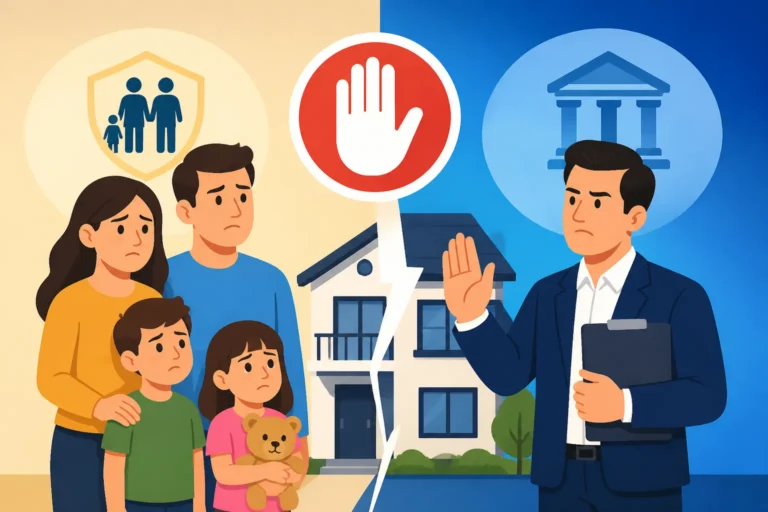
- Familial Status: This protects families with children under 18, pregnant women, and individuals in the process of securing legal custody of children. Landlords cannot, for example, refuse to rent to a single mother with two kids or create "adults-only" policies that exclude families with children, with specific exceptions for qualified senior housing. You can learn more about Familial Status Discrimination No Kids in our detailed guide.
- Disability: This protects individuals with physical or mental impairments that substantially limit one or more major life activities, those with a record of such an impairment, or those regarded as having such an impairment. This includes requiring landlords to provide reasonable accommodations and allow reasonable modifications for tenants with disabilities, which we'll delve into further.
These protections apply to almost all housing types, including apartments, single-family homes, condominiums, and even some senior housing. It also covers a wide range of housing activities, from advertising and showing properties to setting rental terms, imposing fees, and making repairs. A landlord can't, for instance, refuse to fix a broken furnace for a tenant because of their race or charge a higher security deposit to a family with children.
Florida's Specific Protected Classes: Beyond Federal Law
Here's where things get interesting and often a little confusing for people. While the federal Fair Housing Act sets the national standard, individual states have the authority to add additional protected classes beyond those seven. However, Florida's statewide Fair Housing Act, as it stands, largely mirrors the federal law. This means that at the state level, Florida protects the same seven classes: race, color, national origin, religion, sex (including sexual orientation and gender identity), familial status, and disability.
So, if you're looking at Florida's state law, you won't find additional protections for, say, age or marital status, unlike in some other states. This can be a point of frustration for tenants who might assume broader protections exist across the entire state.
The critical takeaway here is that while the state of Florida doesn't add new categories, many individual cities and counties do. These local ordinances can be much more expansive, and they are legally binding within their specific jurisdictions. This patchwork of local laws means that a landlord operating in Miami-Dade County might have different legal obligations than one operating in a more rural part of the state, even if they're both in Florida. Keeping up with these localized rules can be a challenge for property owners, which is why platforms like TurboTenant can be so helpful in providing updated legal resources and guidance.
What Constitutes Housing Discrimination?
Discrimination in housing isn't always overt or easy to spot. Sometimes it's subtle, a feeling you get, or a slight change in the narrative that makes you question if you're being treated differently. Understanding the various forms of discrimination is key for both tenants to recognize it and for landlords to avoid it.
Obvious and Subtle Forms of Discrimination
Housing discrimination can manifest in many ways, from direct refusals to more insidious practices that are harder to pinpoint.
- Direct Refusal to Rent or Sell: This is the most blatant form. A landlord or seller simply states they won't rent or sell to you because of your race, gender, or other protected characteristic. For example, a landlord might say, "We don't rent to people with children here," which is a clear violation of familial status protection unless it's a qualified senior housing community.
- Steering: This subtle tactic involves guiding potential tenants or buyers to or away from certain neighborhoods or properties based on their protected class. Imagine a landlord only showing properties in a predominantly Black neighborhood to Black applicants, or only showing ground-floor units to applicants who use wheelchairs, even if other units are suitable and available. This limits choice and perpetuates segregation.
- Different Terms or Conditions: This occurs when a landlord sets different rules, prices, or conditions for tenants based on their protected class. This could include charging a higher security deposit to someone because of their national origin, imposing stricter rules about guests for tenants with disabilities, or even delaying necessary repairs for tenants of a certain religion. You might wonder, Can a Landlord Keep the Whole Deposit? or if Can a Landlord Charge More Than the Deposit for Damage?, and these questions often arise when tenants suspect they're being treated unfairly.
- False Availability Statements: This is when a landlord tells a prospective tenant that a unit is unavailable, while telling someone from a different protected class that the same unit is available. It’s designed to mask discriminatory practices and can be incredibly frustrating for hopeful renters.
- Harassment: This includes unwelcome conduct related to a person's race, color, religion, sex, national origin, familial status, or disability that interferes with the tenant's enjoyment of their home or rental application process. This can range from offensive jokes to sexual harassment, and it is a serious violation.
- Refusal to Make Reasonable Accommodations: For individuals with disabilities, landlords are required to make reasonable accommodations in rules, policies, practices, or services. If a landlord refuses to make these necessary changes, it's discrimination. This often ties into the protections outlined in Emotional Support Animals & Service Animals FHA Rules.
Understanding Reasonable Accommodations and Modifications
These two concepts are vital for ensuring fair housing for individuals with disabilities. While often used interchangeably, they refer to different types of adjustments.
- Reasonable Accommodation: This refers to a change, exception, or adjustment to a rule, policy, practice, or service that is necessary to afford a person with a disability an equal opportunity to use and enjoy a dwelling. The key is that it doesn't fundamentally alter the nature of the housing or impose an undue financial and administrative burden on the housing provider.
- Examples:
- Allowing a tenant with a disability to have a service animal or emotional support animal, even in a "no pets" building. This is a common and important accommodation, differentiating these animals from standard pets.
- Granting an extension for rent payment due to a disability-related illness that delayed receiving benefits.
- Providing a reserved parking space close to an entrance for a tenant with mobility issues, even if parking is typically first-come, first-served.
- Examples:
- Reasonable Modification: This refers to a structural change made to the premises, either to the interior or exterior of the dwelling or to common areas, that is necessary for a person with a disability to fully use and enjoy their housing.
- Examples:
- Installing a ramp for wheelchair access to the building's entrance.
- Modifying a bathroom to include grab bars or a roll-in shower.
- Lowering countertops in the kitchen to be accessible from a wheelchair.
- Examples:
Generally, the tenant is responsible for the cost of reasonable modifications, and they must often agree to restore the property to its original condition when they move out (though this can sometimes be waived for modifications that benefit future tenants). However, landlords generally bear the cost of reasonable accommodations. These topics are deeply explored in our article on Reasonable Accommodations & Modifications.
Important Local Ordinances in Florida to Know
As mentioned, Florida's state law sticks closely to the federal Fair Housing Act. However, where you'll really see expanded protections is at the local level. Many cities and counties across the state have taken the initiative to pass their own ordinances, adding more layers of protection for their residents. This creates a patchwork legal landscape, making it crucial to know the specific rules for your area.
Spotlight on Key Cities and Counties
Several Florida municipalities have enacted local fair housing laws that go above and beyond federal and state mandates. Here are some prominent examples and the additional classes they protect:
- Miami-Dade County: This populous county stands out with robust protections. Beyond the federal seven, Miami-Dade County prohibits discrimination based on age, marital status, sexual orientation, gender identity, and lawful source of income. This "source of income" protection means a landlord generally cannot refuse to rent to someone solely because they use a Section 8 voucher or other legal forms of income.
- Broward County: Similar to Miami-Dade, Broward County also includes age, marital status, sexual orientation, gender identity, and lawful source of income as protected classes. This means landlords in Fort Lauderdale or Hollywood must be particularly mindful of these expanded categories.
- Orange County (Orlando area): In Orange County, residents are protected based on sexual orientation, gender identity, and marital status, in addition to the federal classes. This ensures a broader scope of non-discrimination in the Orlando metropolitan area.
- City of Gainesville: The city of Gainesville has a comprehensive ordinance, adding age, marital status, sexual orientation, gender identity, and lawful source of income to its list of protected characteristics.
- City of Tampa: In Tampa, sexual orientation, gender identity, and age are added protections, reinforcing a commitment to diverse and inclusive housing.
- City of St. Petersburg: Residents here benefit from additional protections against discrimination based on sexual orientation, gender identity, and marital status.
- City of Orlando: The city's fair housing ordinance includes protections based on sexual orientation, gender identity, marital status, and veteran status.
This list isn't exhaustive, and other local governments might have their own specific protections. For landlords, staying current with these evolving local laws is paramount to avoiding costly legal issues. Resources like TurboTenant can help landlords keep track of their legal obligations, especially when managing properties across different jurisdictions within Florida.
The Importance of Knowing Your Local Rights and Responsibilities
Imagine you're a tenant looking for an apartment in Miami Beach. You're happily married to your partner, but a landlord, after learning your marital status, suddenly says the unit is no longer available. Under Florida's state law, discriminating based on marital status alone might not be explicitly covered, but in Miami-Dade County, it is illegal. If you weren't aware of the local ordinance, you might wrongly assume you have no recourse.
Conversely, for landlords, operating without knowledge of these local ordinances is a major risk. A well-meaning landlord in Gainesville might have a "no Section 8" policy, completely unaware that the city's lawful source of income protection makes such a policy illegal within city limits. This is a common pitfall that can lead to complaints and legal action. Understanding Source-of-Income Discrimination & Section 8 by State is critical, as these laws vary widely.
It's not just about avoiding legal trouble; it's about fostering fair and equitable communities. Both tenants and landlords benefit from a clear understanding of fair housing laws. It promotes trust, reduces conflict, and ensures that housing opportunities are genuinely open to all qualified applicants. Always take the time to research the specific ordinances in your city or county.
Here's a quick overview of key protections:
| Protected Class | Federal Fair Housing Act | Florida State Law | Common Florida Local Ordinances (e.g., Miami-Dade, Broward, Gainesville) |
|---|---|---|---|
| Race | Yes | Yes | Yes |
| Color | Yes | Yes | Yes |
| Religion | Yes | Yes | Yes |
| National Origin | Yes | Yes | Yes |
| Sex | Yes (includes S.O./G.I.) | Yes (includes S.O./G.I.) | Yes (often explicitly lists S.O./G.I.) |
| Familial Status | Yes | Yes | Yes |
| Disability | Yes | Yes | Yes |
| Age | No | No | Yes (in many cities/counties) |
| Marital Status | No | No | Yes (in many cities/counties) |
| Sexual Orientation | Yes (via 'Sex') | Yes (via 'Sex') | Yes (often explicitly listed in local ordinances) |
| Gender Identity | Yes (via 'Sex') | Yes (via 'Sex') | Yes (often explicitly listed in local ordinances) |
| Lawful Source of Income | No | No | Yes (in some cities/counties, like Miami-Dade, Gainesville) |
| Veteran Status | No | No | Yes (in some cities/counties, like Orlando) |
S.O./G.I. = Sexual Orientation / Gender Identity
Navigating Fair Housing as a Tenant or Landlord
Fair housing isn't just a concept; it's a practice that requires vigilance from tenants and diligent adherence from landlords. Knowing your rights and responsibilities helps create a transparent and equitable housing market for everyone.
For Tenants: What to Do If You Suspect Discrimination
Discovering you might be a victim of housing discrimination is a distressing experience. It can feel overwhelming, but you do have options and resources available. Here’s a proactive approach if you suspect discrimination:
- Document Everything: This is your strongest tool. Keep a detailed log of all interactions. Note dates, times, names of individuals you spoke with, specific statements made (even subtle ones), and any actions taken. If you receive an adverse action notice, save it. Documenting your apartment at move-in is also critical, as outlined in our How to Document Your Apartment at Move-In guide.
- Gather Evidence: Collect any relevant materials. This could include copies of rental advertisements, emails, text messages, applications you submitted, photos of the property, or even notes from phone conversations. If a landlord told you a unit was unavailable but an advertisement for it remains online, screenshot it.
- Request Information in Writing: If a landlord denies your application, ask for the reason in writing. This can help clarify if the denial was based on legitimate screening criteria (like credit history) or if it hints at discriminatory motives.
- Contact a Fair Housing Organization: Many non-profit organizations specialize in fair housing and can provide free or low-cost assistance. They can help you understand your rights, investigate your claim, and guide you through the complaint process. Organizations like the Florida Commission on Human Relations (FCHR) or local fair housing councils are excellent resources.
- File a Complaint: You can file a formal complaint with HUD (the Department of Housing and Urban Development) or the FCHR. These agencies investigate claims of discrimination. The process typically involves submitting a written complaint, an investigation, and potentially mediation or legal action if discrimination is found. For severe cases or if you feel your rights have been particularly violated, you can learn more about How to Report a Landlord Code Violations & Retaliation. Understanding what Can a Landlord Deny You? Tenant Guide covers can also prepare you for various outcomes.
Remember, retaliation for filing a fair housing complaint is also illegal. You have the right to seek housing without fear of discrimination, and avenues exist to help you assert that right.
For Landlords: Ensuring Compliance and Avoiding Pitfalls
For property owners, fair housing laws aren't just about avoiding lawsuits; they're about good business practices and ethical conduct. A reputation for fairness can attract and retain good tenants. Here's how to ensure compliance and avoid common pitfalls:
- Establish Consistent, Non-Discriminatory Screening Criteria: Develop clear, objective criteria for tenant screening and apply them uniformly to all applicants. These criteria should be related to legitimate business needs, such as creditworthiness, rental history, and income (often the 3x rent rule). Avoid criteria that could have a "disparate impact" on a protected class. Our comprehensive How to Screen a Tenant Landlord Guide offers valuable insights.
- Advertise Inclusively: Ensure all rental advertisements avoid discriminatory language. Focus on the features of the property, not on preferred tenant demographics. For example, instead of "Perfect for a single professional," try "Ideal for individuals or couples." Use a variety of marketing channels to reach a broad audience.
- Train Your Staff: If you have property managers, leasing agents, or maintenance staff, ensure they are fully trained on federal, state, and local fair housing laws. Even unintentional discrimination by an employee can hold the landlord liable.
- Understand and Implement Reasonable Accommodations and Modifications: Be prepared to evaluate and grant reasonable requests for accommodations and modifications from tenants with disabilities. Have a clear process for handling these requests. This means knowing the difference between a service animal and an emotional support animal, and your obligations for each.
- Keep Meticulous Records: Maintain detailed records of all applications, screening decisions, communications with tenants, and repair requests. This documentation can be invaluable if a discrimination complaint ever arises, demonstrating your consistent and non-discriminatory practices. Platforms like TurboTenant can assist landlords in streamlining their tenant screening and communication, helping to create an auditable trail that supports fair housing compliance. You should also be aware of What a Landlord Can & Cannot Ask during the application process to avoid illegal inquiries.
- Stay Informed on Local Laws: Regularly check the ordinances in the specific cities and counties where you own property. This includes understanding particular rules around Maximum Security Deposit Limits by State or any new protected classes added by local government, like source of income or sexual orientation.
By taking these steps, landlords can create a fair, welcoming environment for all prospective and current tenants, contributing positively to their communities and operating within the bounds of the law. You can dive deeper into related topics like Disparate Impact Explained to further refine your understanding of fair housing.
Disclaimer
Please remember that this guide provides general information about fair housing laws in Florida and is not a substitute for legal advice. Laws can change, and interpretations may vary. If you have specific questions or believe you have experienced or witnessed housing discrimination, it is always best to consult with a qualified attorney or contact a fair housing agency for personalized guidance.