Landlord Repair Duties & Timelines in Alaska
The moment you realize something critical in your rental home is broken – perhaps the furnace coughs its last breath in the dead of an Alaskan winter, or the roof starts leaking after a heavy snowfall – a pit forms in your stomach. You immediately wonder: is this my problem or the landlord's? More importantly, how quickly do they really have to fix it? In Alaska, navigating these repair duties and timelines can feel like slogging through deep snow, but understanding your rights and responsibilities is crucial. This guide will walk you through the specific laws governing landlord repair duties and the expected timelines in Alaska, empowering you to handle these situations effectively.
The Core Duty of Landlords in Alaska: Maintaining a Habitable Home
In Alaska, like in many states, landlords aren't just renting out four walls and a roof; they're providing a home that's safe, healthy, and livable. This isn't just good practice, it's a legal obligation under the Alaska Uniform Residential Landlord and Tenant Act (AS 34.03.010 – AS 34.03.380). This foundational principle is known as the "implied warranty of habitability," meaning your landlord automatically promises that the property is suitable for living, regardless of whether it's explicitly written in your lease.
What "Habitable" Really Means in Alaska
So, what exactly does "habitable" entail under Alaskan law? It's more than just having a roof over your head. It means your rental unit meets certain basic standards for health and safety. Think of it as the non-negotiable checklist for a functional living space.
Firstly, landlords must ensure the premises are maintained in a fit and habitable condition at all times. This includes making all repairs and doing whatever is necessary to keep the property safe and sound. For instance, if the foundation develops a crack that compromises the structural integrity of your home in Fairbanks, your landlord is legally bound to address it. Beyond structural soundness, habitability in Alaska also means:
- Essential Services: This is huge, especially in Alaska. Your landlord must provide running water, hot water, and heat. Imagine going without heat in an Anchorage winter – it's not just uncomfortable, it's a serious health hazard. They also need to provide electricity and gas, unless the property isn't legally required to have these connections or if your lease explicitly states you're responsible for direct connections to public utilities for these services.
- Safety and Sanitation: Your landlord has to keep all common areas clean and safe. This means clear walkways, functioning lights in hallways, and proper waste receptacles. No one wants to live in an apartment building where the shared spaces are neglected, potentially attracting pests or causing accidents.
- Appliances and Facilities: If the landlord provides appliances like a refrigerator or stove, they must maintain them in good working order. The same goes for any other facilities supplied as part of the rental agreement, such as laundry rooms or recreational areas. If your oven stops working in your Juneau apartment, making it impossible to cook, it's typically your landlord's job to fix it.
- Pest Control: While not always explicitly stated as a separate point, a property overrun with pests like rodents or cockroaches would certainly fall short of being habitable. Maintaining a pest-free environment often falls under the general duty to keep the premises safe and sanitary.
It's important to understand that the "implied warranty of habitability" Explained is not a suggestion; it's a fundamental tenant right. Your landlord cannot simply waive this duty in your lease agreement. Any clause attempting to do so is generally unenforceable under Alaska law.
Specific Repair Responsibilities for Alaska Landlords
Delving a bit deeper, Alaska statutes outline more specific areas where landlords bear the responsibility for repairs and maintenance. This helps clarify what they must fix versus what might be considered a tenant's minor upkeep. When you look at the general category of "Landlord Repair Responsibilities (What They Must Fix)", in Alaska, this typically breaks down into several key components:
- Structural Integrity: This encompasses the fundamental components of the building. We're talking roofs, walls, foundations, and floors. If your roof is leaking in Ketchikan, causing damage to your belongings and creating mold hazards, your landlord is absolutely responsible for fixing it. This isn't just about appearance; it's about the safety and structural soundness of your dwelling.
- Plumbing Systems: Functional plumbing is non-negotiable. Landlords must ensure all plumbing fixtures, including toilets, sinks, and showers, are in good working order. This also extends to maintaining the supply of both hot and cold running water. A persistently clogged drain that affects the functionality of your bathroom would be a landlord's issue.
- Heating and Electrical Systems: Given Alaska's climate, a reliable heating system is paramount. Landlords are responsible for providing and maintaining heating facilities that can adequately warm the dwelling. Similarly, all electrical wiring and fixtures must be safe and functional, preventing fire hazards and ensuring you have power. Issues with a faulty furnace or flickering lights throughout the unit fall squarely on the landlord.
- Sanitation and Waste: The landlord must provide and maintain appropriate receptacles for the removal of ashes, garbage, rubbish, and other waste incidental to the occupancy of the dwelling. This is key to preventing pest infestations and maintaining a sanitary environment for all tenants.
- Appliances Provided by the Landlord: If your lease specifies that the landlord provides appliances such as a refrigerator, stove, washer, or dryer, then they are responsible for keeping those appliances in good repair. If the fridge suddenly stops cooling, leading to spoiled food, it's their duty to fix or replace it.
What's not their responsibility? Generally, anything caused by the tenant's negligence, misuse, or willful damage. For example, if you accidentally put a hole in the wall, that's on you. If your pet chews through a doorframe, that's also likely your responsibility. The distinction between Normal Wear and Tear vs Damage: Complete Guide is crucial here. Normal wear and tear – like minor fading of paint or a loose doorknob from regular use – is the landlord's burden. However, damage caused by abuse or neglect by the tenant usually falls to the tenant to repair.
Repair Timelines in Alaska: When is "Reasonable" Actually Due?
Knowing that your landlord has to fix something is one thing, but knowing when they have to fix it is another entirely. Alaska law provides some clear guidelines, but also leaves room for "reasonableness" depending on the severity of the issue. This is where tenants often get frustrated because their definition of "reasonable" might differ vastly from their landlord's.
Emergency Repairs and Immediate Action
When we talk about emergencies, we're discussing issues that pose an immediate threat to your health, safety, or the habitability of your home, especially considering Alaska's often harsh environment. These aren't minor inconveniences; these are situations that make your home unsafe or unlivable right now.
What constitutes an emergency in Alaska?
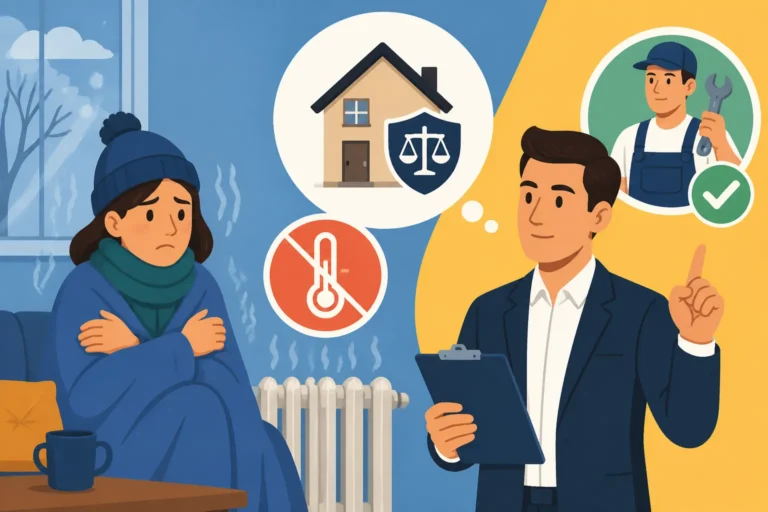
- Loss of Heat in Cold Weather: This is probably the most critical. If your furnace breaks down in the middle of an Alaskan winter, when temperatures can drop far below zero, this is an immediate emergency. Prolonged exposure to cold is a severe health risk.
- No Running Water or Hot Water: A complete lack of water or hot water seriously impairs sanitation and basic living functions.
- Major Electrical Failure: This could include a complete power outage not caused by the utility company, or exposed wiring posing a fire or electrocution risk.
- Gas Leaks: An obvious and immediate hazard.
- Burst Pipes or Significant Water Leaks: These can cause extensive property damage and lead to mold, structural issues, and dangerous slippery surfaces.
- Inoperable Doors or Windows that Compromise Security: If your main entry door can't lock, or a window is shattered, leaving your home vulnerable, that's an emergency.
For these types of critical issues, Alaska law requires landlords to act "as promptly as conditions require." This means there isn't a hard-and-fast number of hours, but the expectation is swift action. If you lose heat in Fairbanks when it's -20°F outside, your landlord should be taking steps to restore heat within hours, not days. They might provide a temporary solution, like space heaters, while awaiting a more permanent repair.
What happens if they don't respond promptly? We'll get into tenant actions later, but the key is that for emergencies, the timeline is compressed. This isn't a situation where you wait 10 days for a response; it's a situation demanding immediate attention from the landlord. Being unable to get in touch with your landlord during an emergency can be incredibly stressful, and tools like TurboTenant's communication features might seem appealing for landlords to streamline contact, but ultimately, responsiveness is key.
Non-Emergency Repairs and the 10-Day Notice
For issues that aren't immediate emergencies but still affect the habitability or enjoyment of your rental, Alaska law provides a more structured timeline. This process hinges on proper communication from the tenant.
Here’s how it generally works for how long a landlord has to make repairs in Alaska:
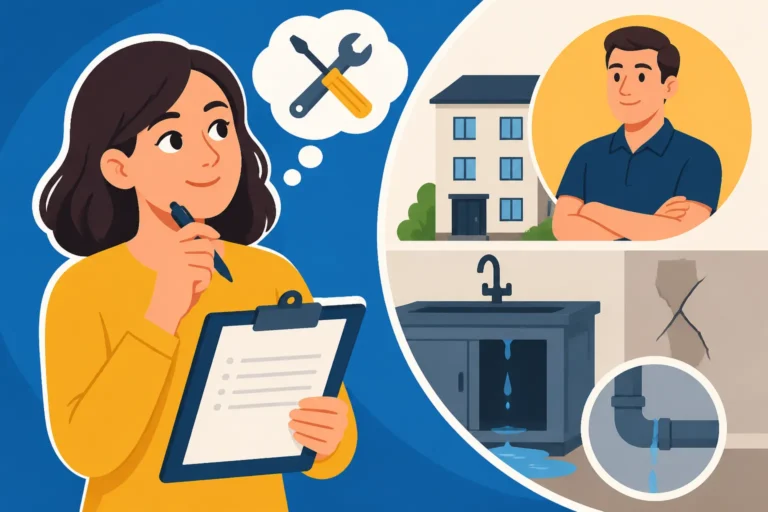
- Written Notice is Paramount: You, as the tenant, must provide your landlord with written notice of the defect or noncompliance. This is not a suggestion; it's a legal requirement. A casual text message or phone call might feel sufficient, but it's often not enough in the eyes of the law. You need to create a clear record. Your notice should describe the problem, mention when you noticed it, and state that you expect it to be fixed.
- The 10-Day Window: Once the landlord receives your written notice, they generally have 10 days to begin making the necessary repairs or to demonstrate that they are actively working to remedy the situation. This doesn't necessarily mean the repair must be completed within 10 days, especially for complex issues, but significant progress or the start of the repair process should be evident. For example, if your stove stopped working, the landlord should contact a repair person and schedule a visit within that 10-day period.
- What if they don't? If your landlord fails to remedy the situation within that 10-day timeframe after receiving your proper written notice, and the noncompliance materially affects your health and safety, then you may have certain legal remedies available to you. This might include terminating the lease, or in specific cases, using the "repair and deduct" option, which we'll cover next.
Think of an issue like a leaky faucet that, while annoying and wasteful, isn't immediately flooding your apartment. This would typically fall under the 10-day notice rule. You'd send a letter (certified mail with a return receipt is always a good idea for documentation) describing the leaky faucet in your kitchen sink, and then you'd wait for your landlord to address it within 10 days. The key here is proper documentation; this is how you protect yourself if the landlord doesn't act. You can find more details on How to Request Repairs in Writing to ensure you follow the correct procedures.
What Tenants Can Do When Landlords Don't Repair
It's one thing to know your landlord's duties and timelines, and quite another when they simply don't uphold their end of the bargain. This is where many tenants feel powerless, but Alaska law provides specific remedies for when landlords fail to make necessary repairs.
Repair and Deduct in Alaska
The "repair and deduct" remedy is one of the most powerful tools tenants have in Alaska, but it comes with strict conditions. It allows you to make a repair yourself (or hire someone) and then deduct the cost from your rent. However, you must follow the rules to the letter to avoid violating your lease and potentially facing eviction.
Here’s how to lawfully use repair and deduct in Alaska:
- Material Noncompliance: The issue must be a "material noncompliance" by the landlord, significantly affecting your health and safety. Minor issues or purely cosmetic problems usually won't qualify.
- Proper Written Notice: You must first give your landlord written notice of the defect. As discussed, this notice needs to clearly describe the problem and state that you expect it to be remedied.
- Landlord Fails to Remedy: Your landlord must then fail to remedy the problem within 10 days after receiving that written notice (or "as promptly as conditions require" for emergencies).
- Cost Limit: This is crucial: the cost of the repair must be less than $200 or one month's rent, whichever is less. This significantly limits the scope of repairs you can undertake using this method. For example, if your rent is $1,500, you can only deduct repairs up to $200. This isn't a remedy for a new furnace, but it could cover a broken window pane or a simple plumbing repair.
- Itemized Statement: After making the repair, you must submit an itemized statement of the work done and the costs incurred to your landlord, along with the reduced rent payment. Keep all receipts and documentation.
Let's say your kitchen sink has been dripping constantly for weeks, wasting water and causing mildew. You send a certified letter to your landlord in Palmer on June 1st, detailing the issue. By June 15th, you've heard nothing and the drip continues. You call a licensed plumber who fixes the leak for $180. If your rent is $1,200, you can pay your next month's rent minus the $180, provided you attach the plumber's invoice to your rent payment.
Failing to meet any of these conditions could put you in breach of your lease. It's always best to consult with legal aid or a tenant rights organization before initiating a repair and deduct, as the consequences of getting it wrong can be severe. For more comprehensive information, you can research Repair and Deduct by State.
Withholding Rent (and why it's usually a bad idea)
While some states have broader provisions for withholding rent, in Alaska, directly withholding your entire rent payment in response to a landlord's failure to make repairs is generally a risky move and typically not permitted unless very specific conditions are met. Unlike the repair and deduct option, which explicitly allows for a deduction from rent after following a process, simply not paying rent can lead to an eviction notice for nonpayment.
The only time withholding rent is explicitly allowed in Alaska for repair issues is if the landlord willfully or negligently fails to provide essential services (like heat, water, electricity, etc.) after receiving written notice. Even then, your options are specific:
- Procure Essential Service: You can obtain the essential service yourself (e.g., buy bottled water if the tap is dry, purchase a space heater for lack of heat) and deduct the actual, reasonable cost from your rent. This is similar to repair and deduct but specifically for essential services, and it still requires an itemized statement.
- Substitute Housing: You can find reasonable substitute housing during the period of noncompliance and be excused from paying rent for the rental unit for that period. You can also recover the actual, reasonable cost of the substitute housing, up to one month's rent.
- Diminution in Value: You can recover damages based on the diminished rental value of the property due to the lack of essential services.
Notice that even in these scenarios, it's not a blanket "don't pay rent." It's about recovering costs or damages directly related to the landlord's failure to provide essential services, and still requires specific steps and documentation. Unilaterally deciding to withhold all rent without following these strict guidelines can put you in a vulnerable position and lead to an eviction filing. You don't want to receive a 3-Day Notice to Pay or Quit Explained if you thought you were within your rights. Many states offer a "rent escrow" option where you pay rent to a court or third party, but Alaska's statute does not explicitly provide for this. Always get legal advice before considering withholding rent.
Seeking Legal Action or Lease Termination
When repair issues are severe, persistent, or fall outside the scope of repair and deduct, tenants in Alaska have additional legal avenues:
- Terminate the Lease: If your landlord fails to remedy a material noncompliance affecting health and safety within 10 days of your written notice (or promptly for emergencies), you have the right to terminate your rental agreement. This means you can move out and are no longer responsible for future rent payments. However, you must move out within a reasonable timeframe after the 10-day notice period. This is a big step, so ensure you have thoroughly documented everything before pursuing it.
- Sue for Damages: If the landlord's failure to make repairs causes you actual damages (e.g., ruined personal property from a leak, increased utility bills due to a faulty furnace, medical bills from conditions caused by mold), you can sue your landlord in small claims court for those damages. If the noncompliance was willful, you might even be able to recover attorney fees. For example, if your landlord knew about a persistent mold problem in your Juneau apartment but refused to address it, and you incurred health issues, you could potentially sue for damages. You might want to consider Suing a Landlord for Your Deposit (Small Claims & Penalties) as a reference point for small claims court procedures, even if the issue isn't about the deposit.
- Injunction: In some extreme cases, you might be able to seek a court order (an injunction) compelling your landlord to make the repairs. This is less common for simple repairs and more for egregious violations of habitability.
- Report Code Violations: If the repair issues violate local housing codes or health ordinances, you can report your landlord to the appropriate city or borough housing authority or health department. For example, if your unit has severe electrical issues that are a fire hazard, contacting the local building inspector in Anchorage could prompt an official investigation and force the landlord to comply. You can learn more about How to Report a Landlord (Code Violations & Retaliation).
When facing a landlord who won't make necessary repairs, understanding these options is key. Each path has its own legal implications, so it's always wise to seek advice from an attorney or a tenant rights organization in Alaska before taking drastic action. Some tenants find support and resources through organizations like Alaska Legal Services Corporation.
Tenant Responsibilities to Ensure Smooth Repairs
While a good portion of this discussion focuses on landlord duties, it's equally important to remember that tenants also have responsibilities when it comes to repairs and maintenance. A proactive, responsible tenant can significantly streamline the repair process and protect their own rights.
Providing Prompt and Proper Notice
This cannot be stressed enough: communication is key, and written communication is king. Many of the tenant remedies discussed above hinge on you, the tenant, providing proper written notice to your landlord.
Here's why and how:
- Legal Requirement: As mentioned, for most non-emergency repairs and for triggering many tenant remedies in Alaska, written notice is a legal prerequisite. Without it, your landlord can argue they were never properly informed of the issue.
- Documentation: Written notice creates a paper trail. If you end up in court, a judge will want to see evidence that you informed your landlord of the problem and gave them a chance to fix it. A text or email might be considered written notice, but a formal letter sent via certified mail with a return receipt provides undeniable proof of delivery and what was communicated.
- Clarity: A written notice allows you to clearly and thoroughly describe the problem. Include details like:
- The specific defect (e.g., "The water heater in the utility closet is leaking from the bottom.")
- When you first noticed it.
- Any impact it's having (e.g., "The leak is causing water to pool on the floor and a musty smell.")
- What you expect the landlord to do (e.g., "Please arrange for repair or replacement of the water heater within the legally required timeline.")
- Date the letter and keep a copy for your records.
Don't wait until a small issue becomes a massive, expensive problem. Notify your landlord as soon as you identify a defect. Early notification gives your landlord more time to act and shows that you are a responsible tenant who cares about the property. Landlords sometimes use property management tools like Steadily for insurance or Lemonade for renters insurance policies, and proper documentation of issues can be helpful for those too, especially if an insurance claim might be involved.
Preventing Damage and Maintaining Cleanliness
Your responsibilities as a tenant aren't limited to just paying rent on time. Alaska law (AS 34.03.120) also outlines duties related to the upkeep of the property. Ignoring these can make you liable for damages and complicate future repair requests.
Tenant duties include:
- Maintaining Cleanliness: You must keep your part of the premises as clean and safe as the condition of the premises permits. This means regularly cleaning your apartment, disposing of trash properly, and avoiding conditions that could attract pests or cause damage.
- Proper Use of Facilities: You're expected to properly use and operate all electrical, plumbing, sanitary, heating, ventilating, air-conditioning, and other facilities and appliances. Don't overload circuits, pour grease down the drain, or use appliances in ways they weren't intended.
- Avoiding Negligent or Willful Damage: This is critical. You, your family, or your guests must not deliberately or negligently destroy, deface, damage, impair, or remove any part of the premises or knowingly permit any person to do so. If you break a window during a party, that repair cost falls to you, not your landlord.
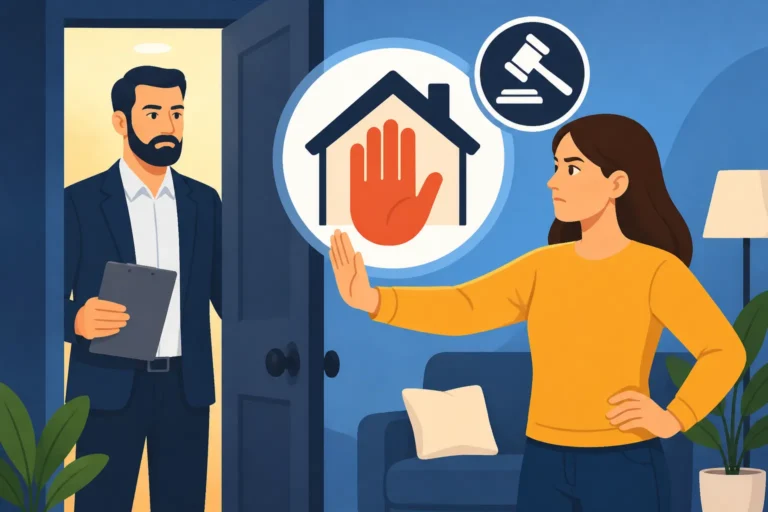
- Allowing Access for Repairs: You must allow your landlord reasonable access to the property to make repairs, provided they give proper notice (usually 24 hours in Alaska, unless it's an emergency). Trying to prevent necessary repairs can be a lease violation.
- Removing Obstructions: Clearing snow and ice from sidewalks and driveways might be a tenant responsibility if specified in your lease, or if it's a single-family home. Clarify these details in your lease agreement.
Understanding your duties helps clarify what your landlord is not responsible for. If a plumbing issue arises because you routinely flush inappropriate items down the toilet, the repair bill will likely be yours. Diligent record-keeping, including taking photos or videos of the apartment at move-in (a good Move-In / Move-Out Inspection Guide can help), can help distinguish between pre-existing conditions and damage you may have caused. By upholding your end of the bargain, you make it much easier to assert your rights when your landlord falls short.
Key Repair Timelines and Tenant Remedies in Alaska
Here's a quick overview of landlord repair duties and the corresponding tenant actions in Alaska:
| Repair Type / Issue | Landlord's Responsibility | Tenant Action (after written notice) | Timeline for Landlord Action |
|---|---|---|---|
| Material noncompliance affecting health/safety | Maintain habitable premises; make necessary repairs. | Terminate Lease: If not remedied. Repair and Deduct: If cost < $200 or 1 month's rent (whichever is less), and landlord fails to remedy in 10 days. Must submit itemized statement. |
10 days |
| Failure to provide essential services (heat, water, etc.) | Provide and maintain essential services (unless tenant responsibility by utility direct connect/lease). | Procure Service & Deduct: Obtain reasonable service and deduct actual, reasonable cost from rent. Substitute Housing: Procure reasonable substitute housing, be excused from rent for that period, and recover costs up to 1 month's rent. Sue for Damages: Recover damages based on diminished rental value, attorney fees if willful/negligent. |
As promptly as conditions require |
| Non-essential, non-health/safety issues | Maintain premises in good repair (if covered by lease/statute). | Negotiate with landlord; may not trigger specific statutory remedies like repair & deduct or termination, but can still lead to legal action for breach of contract or lease if significant. | Reasonable timeframe (depends on issue) |
| Damage caused by tenant or guests | N/A (Tenant's responsibility) | Tenant is responsible for repair costs. Failure to repair could be a lease violation. | N/A |
Note: This table summarizes general provisions of Alaska law. Specific lease terms and circumstances can vary. Always seek legal counsel for specific situations.
Remember, if an uninhabitable condition persists and your landlord fails to act, it might even be a legal reason for Breaking a Lease Due to Mold or Uninhabitable Conditions, but this also requires careful documentation and adherence to specific legal steps.
Disclaimer
Please remember that this article provides general information and guidance regarding landlord repair duties and timelines in Alaska. Landlord-tenant laws can be complex and are subject to change. This content is not a substitute for professional legal advice. For specific legal questions or situations, it is always recommended to consult with a qualified attorney or a tenant rights organization in Alaska.