Can I Call a Repair Person and Charge My Landlord?
It's incredibly frustrating when you're living in a rental and something vital breaks – like your furnace in winter or a leaky pipe that's causing damage – and your landlord just… doesn't do anything about it. You might feel desperate enough to want to just call a repair person yourself, pay for it, and then hand your landlord the bill. While this seems like a straightforward solution, the reality is a lot more complex, and this guide is here to walk you through exactly when, if ever, you can legally do that, and what the safer alternatives are.
Understanding the "Repair and Deduct" Remedy
That feeling of wanting to just fix it yourself and charge your landlord? It has a name in tenant law: the "repair and deduct" remedy. But before you pick up the phone to call a plumber or electrician, it's absolutely critical to understand that this isn't a DIY solution you can just deploy whenever you feel like it. It's a very specific, often legally complex, last-resort option with strict conditions attached.
What Exactly is "Repair and Deduct"?
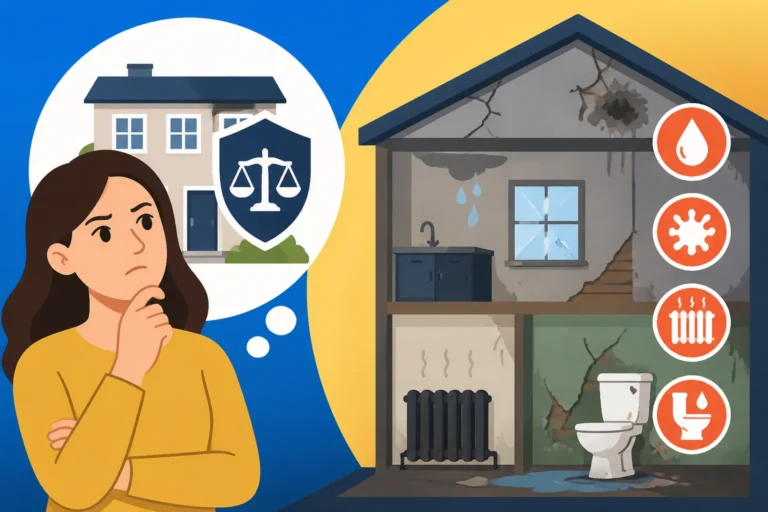
At its core, "repair and deduct" allows a tenant, under very specific circumstances, to pay for a necessary repair in their rental unit and then deduct the cost of that repair from their next month's rent. Sounds simple, right? It rarely is. The key word here is "necessary" – we're talking about issues that directly impact your health and safety, making your home uninhabitable. This isn't for cosmetic fixes or minor annoyances. Think broken heating in freezing temperatures, a lack of hot water, or a serious plumbing leak, not a chipped tile or a squeaky door.
The legal framework for this remedy is often tied to the "Implied Warranty of Habitability Explained", a fundamental principle in landlord-tenant law that basically says your landlord must provide and maintain a safe, sanitary, and livable home. If they fail to do so, and you jump through all the required legal hoops, "repair and deduct" might be an option.
When is it Legally Permissible?
This is where things get tricky, because the rules vary significantly from state to state, and even sometimes by city or county. Generally, for "repair and deduct" to be a valid option, these conditions often need to be met:
- Serious Habitability Issue: The defect must be severe enough to affect your health, safety, or habitability of the premises. This means things like a broken furnace, a major water leak, a lack of electricity, or severe pest infestation. A flickering light bulb, while annoying, typically won't qualify. You should definitely understand "What Is Considered Uninhabitable?" to gauge if your situation qualifies.
- Landlord's Failure to Act: You must have given your landlord proper, documented notice of the problem, and they must have failed to make the repairs within a "reasonable time" as defined by state law. We'll dive into what "reasonable time" means in a bit, but it's rarely immediate.
- No Tenant-Caused Damage: The problem cannot be due to your (or your guests') negligence, misuse, or willful destruction. If you broke the window, you can't deduct the cost of fixing it from your rent.
- Limited Use of Remedy: Many states limit how often you can use "repair and deduct" (e.g., once every 12 months) or cap the amount you can deduct (e.g., one month's rent or a specific dollar amount). Some states don't allow it at all.
State-Specific Variations: It's a Patchwork
Because landlord-tenant laws are primarily state and local, what's perfectly acceptable in one state could lead to an eviction notice in another. For instance, in California, tenants typically can use the repair and deduct remedy if the issue impacts habitability and the landlord fails to act within a "reasonable time" (often 30 days, or shorter for emergencies). The amount deducted is usually limited to one month's rent, and it can only be used twice in any 12-month period.
On the other hand, states like Texas are far more restrictive. While they recognize a landlord's duty to repair, the "repair and deduct" remedy is much more limited, often only available for certain critical issues and after very specific notice periods. Many other states, like New York, generally don't have a statutory "repair and deduct" remedy, though courts might recognize it under certain extreme circumstances, particularly in NYC with its strong tenant protections. This is why looking up "Repair and Deduct by State" is a non-negotiable first step. Don't rely on advice from a friend who lives across the country; their state's laws could be entirely different from yours.
The Strict Conditions and Steps Before Taking Action
This isn't a situation where you can just wake up one morning, decide your landlord isn't moving fast enough, and call in a contractor. There are crucial steps and conditions you must follow to protect yourself legally. Skipping any of these could put you in breach of your lease and even open you up to an eviction filing.
Proper Notice Requirements
This is arguably the most important step. You absolutely cannot proceed with repair and deduct without providing your landlord official, written notice of the issue and their failure to address it.
- Written is Non-Negotiable: Forget phone calls, quick texts, or casual conversations in the hallway. These are almost impossible to prove in court. You need to provide a formal, written notice. This letter should clearly state the problem, reference the section of your lease (if applicable) or state law that requires the landlord to fix it, and give them a deadline to complete the repairs.
- Proof of Delivery: Sending your notice via certified mail with a return receipt requested is often the best way to prove your landlord received it. You could also hand-deliver it and have your landlord sign a copy acknowledging receipt. Remember, you're building a paper trail here. Our guide on "How to Request Repairs in Writing" can provide excellent templates and tips for this crucial step.
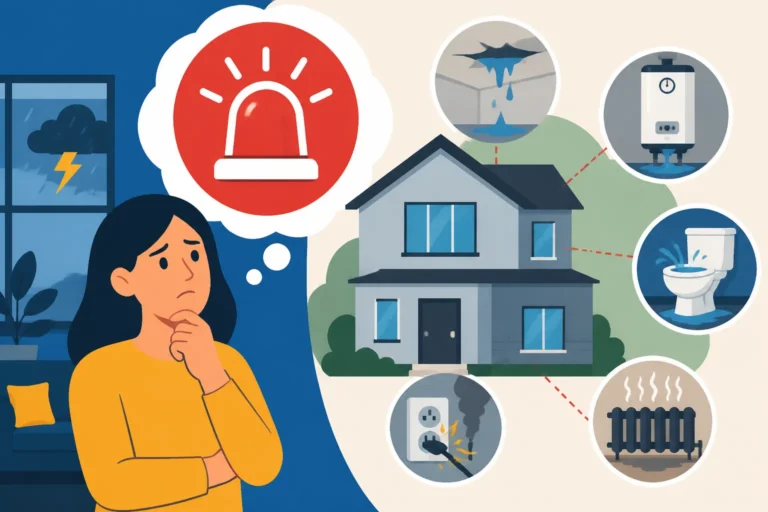
- Reasonable Timeframe: After you've sent proper notice, your landlord generally has a "reasonable time" to make the repairs. What constitutes "reasonable" can vary. For urgent issues affecting health and safety (like no heat in winter or a burst pipe), this might be 24-72 hours. For less urgent but still critical problems, it could be 7 to 30 days. Check your state's specific laws regarding "How Long Does a Landlord Have to Make Repairs? (By State)". If your landlord doesn't act within that legally defined timeframe, and only then, can you begin to consider the next steps for repair and deduct.
Defining "Essential" vs. Non-Essential Repairs
This distinction is crucial. "Repair and deduct" is almost exclusively reserved for defects that render your rental unit unlivable or pose a serious threat to your health and safety.
- Essential Repairs: These are typically things that violate the implied warranty of habitability. Examples include:
- Lack of heat or hot water in cold weather.
- Major plumbing leaks, non-functional toilets.
- No electricity or gas.
- Structural problems (e.g., collapsing ceiling).
- Severe pest infestations (rodents, bed bugs) that the landlord is responsible for.
- Non-functioning appliances that were included in the lease and are essential for basic living (e.g., refrigerator).
- Non-Essential Repairs: These are annoyances or cosmetic issues that, while frustrating, don't make your home uninhabitable. Examples include:
- A dripping faucet.
- A cracked tile.
- Peeling paint.
- Minor holes in walls (not affecting structural integrity).
- A broken dishwasher (unless explicitly stated as essential in your lease and truly necessary for basic sanitation in your living situation).
If you repair a non-essential item and deduct the cost from rent, you could be seen as illegally withholding rent, which can lead to eviction.
Obtaining Estimates and Documentation
If you've given proper notice, the landlord has failed to act within the reasonable timeframe, and the repair is genuinely essential, your next step is to meticulously document everything.
- Get Multiple Estimates: Don't just call the first person you find. Get at least two or three written estimates from qualified, licensed professionals for the repair. This shows you're acting reasonably and trying to get a fair price.
- Keep Receipts and Records: Once the repair is done, keep all invoices, receipts, and any correspondence with the repair person. These are vital for proving your costs.
- Photograph Everything: Before and after photos of the damage and the repair are invaluable. Date-stamp them if possible. This helps to show the severity of the issue and the quality of the repair. Our guide on "How to Document Repair Problems" can give you a lot of practical advice here.
- Notify Your Landlord (Again): After the repair is complete and paid for, send your landlord another written notice, including copies of the estimates, receipts, and photos. Inform them that you will be deducting this amount from your next rent payment, specifying the exact amount and the remaining balance due.
Risks and Potential Pitfalls
Engaging in "repair and deduct" is not without risk. Landlords often view this as illegal rent withholding, even if you follow all the steps.
- Eviction Risk: Your landlord might serve you with an eviction notice for non-payment of rent. You would then have to present your case in court, proving you meticulously followed all legal requirements. This can be a stressful and expensive process.
- Legal Fees: If your landlord decides to pursue an eviction, you could be responsible for their legal fees if you lose. Even if you win, you'll likely incur your own legal costs.
- Credit Score Impact: An eviction on your record, even if ultimately dismissed, can make it incredibly difficult to rent another apartment in the future. Landlords use services like TurboTenant or Steadily to screen tenants, and an eviction filing, regardless of outcome, often shows up.
- Limited Deduction Amount: Remember, many states cap the amount you can deduct. If the repair costs more than that, you might still be on the hook for the difference, or have to sue your landlord in small claims court to recover the rest.
Given these risks, "repair and deduct" should truly be a last resort, used only when you are certain you have a strong legal basis and have followed every single procedural step to the letter.
Alternatives to Repair and Deduct
Sometimes, the "repair and deduct" option is either not legally available in your state, or the risks simply outweigh the benefits. Thankfully, there are other avenues you can explore when your landlord isn't holding up their end of the bargain. These options can often be safer, or at least provide more official backing, than going it alone.
Withholding Rent and Rent Escrow Accounts
While withholding rent outright is generally a big no-no and can lead to immediate eviction, some states offer a more structured approach known as "rent escrow." This isn't just refusing to pay; it's placing your rent money into a separate, neutral bank account, usually managed by the court or a third party, until your landlord makes the necessary repairs.
- How it Works: You typically send your landlord a notice detailing the habitability issue and stating your intent to place rent in an escrow account if repairs aren't made by a certain date. If they still fail to act, you deposit your rent into the escrow account instead of paying your landlord directly. The money sits there, proving you can pay, but won't until the conditions are met.
- Benefits: This demonstrates to a court that you're not trying to skip out on rent, but rather compel your landlord to fulfill their obligations. It removes the landlord's primary argument that you simply haven't paid.
- Risks and Requirements: Like "repair and deduct," this remedy is state-specific and comes with strict rules regarding notice, types of repairs, and the escrow process itself. For example, Pennsylvania allows for rent escrow in certain cases where habitability is breached, but tenants must strictly follow court procedures. Failing to follow these procedures can still lead to an eviction. Always consult "Withholding Rent & Rent Escrow" laws specific to your area.
Calling Code Enforcement
This is often a very effective and less risky alternative, especially when dealing with blatant violations of health and safety standards.
- What Code Enforcement Does: Local housing authorities or municipal code enforcement departments are responsible for ensuring rental properties meet minimum health and safety standards. These standards are often enshrined in local building codes. If your landlord is violating these codes (e.g., no heat, unsafe wiring, severe mold, structural issues), code enforcement can step in.
- The Process: After you report a problem, an inspector will typically visit your unit, assess the issue, and, if violations are found, issue a formal notice to your landlord. This notice will outline the required repairs and a deadline for completion. If the landlord fails to comply, they can face fines or even legal action from the city.
- Benefits: This shifts the burden of enforcement from you, the tenant, to a government agency. It provides an official, third-party validation of the problem, which can be invaluable if you ever end up in court. Plus, landlords often take notices from the city much more seriously than demands from tenants. Learn more about "How to Report a Landlord (Code Violations & Retaliation)".
- Potential Drawbacks: It can take time for an inspector to respond and for the process to unfold. Also, in some rare cases, if the property is found to be severely dilapidated and unrepairable, it could be deemed uninhabitable and condemned, requiring you to move out.
Breaking the Lease for Uninhabitable Conditions
In extreme cases where the rental unit truly becomes unlivable due to your landlord's negligence, and they refuse to make repairs, you might have grounds to break your lease without penalty. This is often referred to as "constructive eviction."
- What it Means: Constructive eviction occurs when a landlord's actions (or inactions) make the property so uninhabitable that you are essentially forced to move out, even though you haven't been physically evicted.
- Conditions: The condition must be severe, the landlord must have received proper notice and failed to remedy it, and you must move out within a reasonable time after the landlord's failure. This is not a casual decision; it should only be considered for truly egregious violations of habitability.
- Risks: If a court later determines the conditions weren't severe enough to warrant constructive eviction, you could be held liable for the remaining rent on your lease. This is a very high-risk strategy. Before considering this, thoroughly research "Breaking a Lease for Uninhabitable Conditions" specific to your state and consult with a legal professional.
Negotiating with Your Landlord
Sometimes, a direct, calm, and well-documented approach can resolve issues without resorting to legal remedies.
- Be Professional: Even if you're frustrated, maintain a professional tone in all communications.
- Propose Solutions: Instead of just demanding, try to propose a solution. "I'm willing to get three estimates for the furnace repair if you agree to deduct the lowest one from next month's rent," might be more productive than a simple threat.
- Mediation: In some areas, landlord-tenant mediation services are available. A neutral third party can help facilitate a discussion and reach a mutually agreeable solution. This is often a less adversarial and less expensive route than litigation.
Practical Considerations and Best Practices
Navigating landlord-tenant issues, especially when repairs are involved, requires diligence and a clear understanding of your rights and responsibilities. These best practices can save you a lot of headache, and potentially a lot of money.
Document Everything
I cannot stress this enough: documentation is your best friend. In any dispute with your landlord, having a clear, chronological record of events is invaluable.
- Communication Records: Keep copies of all written communications with your landlord (letters, emails, certified mail receipts). If you have phone conversations, follow up with an email summarizing what was discussed and agreed upon. "Just confirming our call at 2:30 PM today, where you stated the plumber would be here by Friday. Please let me know if I misunderstood."
- Photos and Videos: Capture evidence of all damage and needed repairs. Date-stamp these if possible. Take photos before and after any repairs are made, even if your landlord is doing them.
- Lease Agreement: Your lease is your contract. Read it thoroughly. It outlines responsibilities, notice periods, and often details procedures for repairs. Refer to it often, and understand the difference between a warranty of habitability and your specific lease terms.
- Financial Records: Keep all receipts for repairs you make, pest control you hire (if the landlord was responsible), or any other expenses incurred due to the landlord's failure to maintain the property.
- Move-In/Move-Out Checklists: Remember that initial checklist you signed when you moved in? It’s crucial. It documents the condition of the apartment when you took possession. If you didn't do one, consider documenting the current condition of your apartment immediately. An "Move-In / Move-Out Inspection Guide" is an important read.
Understanding Your Lease Agreement
Your lease is the binding contract between you and your landlord. While state and local laws always supersede conflicting lease clauses, your lease will often provide the primary framework for your tenancy.
- Repair Clauses: Look for sections detailing repair responsibilities, notification procedures, and timeframes. Some leases might explicitly prohibit "repair and deduct" (though this might not be enforceable if state law allows it).
- Emergency Contact: Ensure you have an emergency contact number for your landlord or property manager. For issues like a burst pipe, you need to be able to reach someone immediately.
- Tenant Responsibilities: Understand what repairs you are responsible for, typically minor maintenance like replacing light bulbs, smoke alarm batteries, or damage caused by your own negligence. If you undertake repairs that are clearly your responsibility, you can't deduct them.
Seeking Legal Advice
When in doubt, always consult a qualified legal professional specializing in landlord-tenant law in your state.
- Tenant Advocacy Groups: Many cities and states have tenant unions or legal aid organizations that offer free or low-cost advice and resources. These groups can often provide state-specific guidance that a general article cannot.
- Attorney Consultation: Before you take any drastic steps like "repair and deduct" or breaking your lease, spending a small amount on a consultation with a lawyer can save you thousands of dollars and immense stress down the line. They can review your specific situation, your lease, and advise you on the legalities and potential risks in your jurisdiction.
- Know Your Rights: Empower yourself by being informed. Resources like this blog are a start, but local legal experts are key for personalized advice.
Tenant Insurance
While not directly related to getting repairs done, tenant insurance, sometimes called renters insurance, is a smart practical consideration. Companies like Lemonade offer affordable plans that can protect you from some of the fallout of unforeseen events.
- Property Protection: If a major issue like a burst pipe (which your landlord should fix) causes damage to your belongings, renters insurance can cover the cost of replacing them. Your landlord's insurance covers the building, not your personal property.
- Liability Coverage: It also provides liability coverage in case someone is injured in your unit and you are found responsible. This helps protect you financially.
- Additional Living Expenses: If your apartment becomes truly uninhabitable and you have to temporarily move out while repairs are being made, many renters insurance policies will cover additional living expenses like hotel stays. This is a huge relief when your landlord is dragging their feet on major repairs.
While not a solution for getting your landlord to make repairs, having a good renters insurance policy is a responsible step that protects you from the financial impacts of property issues, whether your landlord is responsive or not.
By understanding your options, meticulously documenting every step, and seeking professional guidance when necessary, you can navigate landlord-tenant repair disputes more effectively and protect your rights.
Remedy Description When to Use (Generally) Risks
Recommendations for landlords Act with integrity and adhere to landlord duties. Maintain open communication with tenants, respond promptly to repair requests, and ensure the provision of a safe and habitable living environment. Thoroughly understand state-specific tenant laws and honor lease agreements. Employ reliable, licensed repair services like those found on Angi or Thumbtack to address issues promptly. When a tenant approaches you with a repair issue, validate their concern. Immediately schedule a professional assessment or begin making necessary arrangements for remediation. Keep the tenant updated on progress and projected completion times. If costs are high, consider payment plans or working with a handyman network like Mr. Handyman for efficiency. Damage to property, tenant complaints, legal disputes, potential eviction filings, negative reputation, difficulty finding future tenants.
Risks for landlords Legal action, fines, reputation damage, loss of tenants, property devaluation.
Considerations When to Use
Remedy Description When to Use
Description When to Use
Risks When to Use
Description When to Use
Risks
Description When to Use
Description When to Use
Description When to Use
Risks
Description When to Use
Description When to Use
Description When to Use
Description When to Use
Description When to Use
Description When to Use
Description When to Use
Description When to Use
Risks
Disclaimer
Risk: Tenant Charged for Repair A common scenario where things go wrong is when the repair ends up being something the landlord can charge the tenant for, either due to tenant negligence or because it's considered normal wear and tear and your deduction is disallowed.
Disclamer This information is for educational purposes only and not legal advice. Consult a legal professional for guidance on your specific situation.
Disclaimer
Risks Potential conflict, landlord hesitation, possible further negotiation needed.
Disclamer This information is for educational purposes only and not legal advice. Consult a legal professional for guidance on your specific specific situation.
Description When to Use
Description When to Use
This guide is for general educational purposes and should not be considered legal advice. We highly recommend consulting a legal professional or a knowledgeable expert like Steadily for specific situations, as landlord-tenant laws can vary greatly by jurisdiction. Always refer to your local laws and your lease agreement.