How Long Can a Landlord Leave You Without Heat?
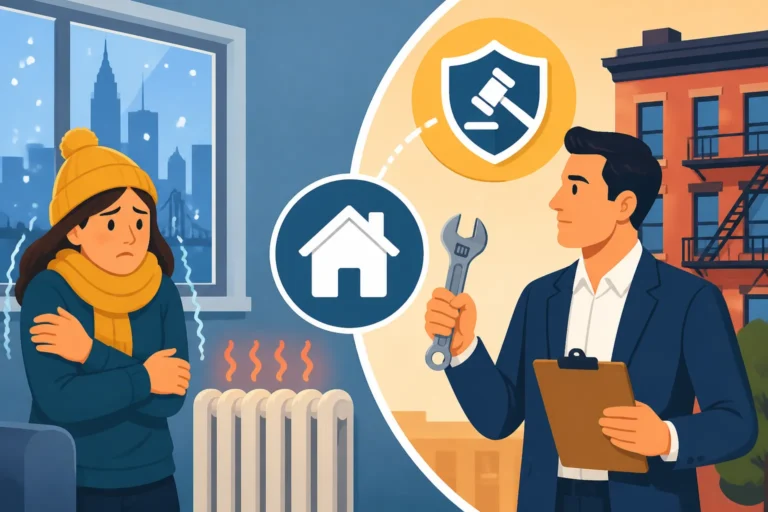
There's nothing quite like waking up in your own home only to realize the heat isn't working, especially when the temperatures outside are plummeting. That bone-chilling cold that seeps into every corner of your apartment isn't just uncomfortable; it can be a serious health and safety concern. You pay good money for a place that's supposed to offer basic comforts, and heat is absolutely essential. So, when your landlord drags their feet, you're left wondering, "How long can a landlord really leave me without heat before I can do something about it?" This guide is here to break down your rights, the common timelines, and the concrete steps you can take to get your heat restored and ensure your living space is safe and warm.
Understanding the Implied Warranty of Habitability and Heat
First things first, let's talk about a core concept in landlord-tenant law: the implied warranty of habitability. This isn't usually something explicitly written into your lease, but it's a fundamental promise that every landlord makes to their tenants, regardless of whether it's spelled out. It essentially means that your rental unit must be safe, clean, and fit for human habitation. A working heating system, especially during colder months, is almost universally considered a crucial component of habitability.
Think about it this way: your apartment isn't just four walls and a roof; it's a place where you're supposed to be able to live comfortably and safely. When the heat goes out, particularly in regions that experience true winter, it quickly compromises that safety and comfort. It's not just about being a little chilly; prolonged exposure to cold can lead to burst pipes, mold growth, and even serious health risks like hypothermia, especially for vulnerable populations like the elderly, young children, or those with medical conditions. This isn't a luxury; it's a necessity. You can dive deeper into this fundamental right by exploring our guide on the Implied Warranty of Habitability Explained.
What Constitutes an Emergency Heat Repair
Not every repair is considered an emergency, but when it comes to heat during cold weather, it almost always is. Most state and local laws classify a lack of essential services like heat, hot water, or electricity as an emergency repair that landlords must address with significant urgency. What's considered "cold weather" can vary, but generally, if outdoor temperatures require heat for comfortable indoor living, a broken heating system falls under this category.
For example, in a city like Boston, if the outside temperature is below 68 degrees Fahrenheit during the day or 62 degrees Fahrenheit at night, landlords are usually required to maintain a minimum indoor temperature. In New York City, landlords must provide heat between October 1st and May 31st, ensuring the apartment reaches at least 68 degrees Fahrenheit during the day and 62 degrees at night. If your heating system completely fails during these periods, it's not a "fix it when you get around to it" situation. It's an urgent matter that demands immediate attention because it directly impacts your health and the structural integrity of the property itself. This distinction is crucial because it often dictates the landlord's required response time and your available remedies if they fail to act.
State-Specific Timelines for Heat Repair
This is where things get a bit tricky because there isn't a single, uniform federal law that dictates precisely how long a landlord can leave you without heat. The timelines vary significantly from state to state, and even within different cities or counties. However, the overarching principle in most places is that landlords must fix essential services like heat within a "reasonable time," which is usually defined more strictly for emergencies.
Many states categorize lack of heat as an "emergency" repair, requiring a faster response than, say, a leaky faucet. For instance, in states like California, a landlord typically has 24 hours to begin fixing an emergency issue once they've been notified. If they don't, tenants might have the option to repair and deduct the cost from their rent. In other states like Texas, landlords generally have a "reasonable" amount of time, often considered to be around 7 days after receiving written notice, but for critical issues like heat, a judge might deem a much shorter period as reasonable. In Massachusetts, landlords are usually required to restore heat within 24 hours of receiving notice if the outdoor temperature is below 68°F during the day or 62°F at night.
It’s vital to understand your local statutes. What might be considered "reasonable" in Florida during January is vastly different from what's considered "reasonable" in Chicago in December. Our comprehensive guide on How Long Does a Landlord Have to Make Repairs? (By State) provides more detailed information on specific state requirements, and you can also check out our article on Tenant Rights With No Heat by State for an even more focused look.
To give you a clearer picture, here's a general overview of repair timelines for essential services like heat in a few states:
| State | Minimum Temperature Requirement (General) | Emergency Repair Timeline (Heat) | General Repair Timeline (Non-Emergency) |
|---|---|---|---|
| California | "Adequate Heating Facilities" | 24-72 hours | 30 days |
| New York | 68°F (day), 62°F (night) during heating season | "Immediately" (within 24 hours) | 30 days |
| Texas | "Heating equipment in good operating condition" | "Reasonable time" (often 3-7 days after written notice) | 7 days (after written notice) |
| Massachusetts | 68°F (day), 64°F (night) | 24 hours | 5-14 days |
| Illinois | 68°F (day), 66°F (night) during heating season | "Promptly" (often 24-72 hours) | 14 days (after written notice) |
It's clear that the term "reasonable time" can feel frustratingly vague, but for something as critical as heat in cold weather, courts and housing authorities tend to interpret it very strictly, often meaning within 24 to 72 hours.
Steps to Take When Your Landlord Won't Fix the Heat
When your heating system decides to quit, especially when it's cold outside, the last thing you want to do is navigate a complicated bureaucratic process. However, taking the right steps can make all the difference in getting the issue resolved swiftly and protecting your rights.
Document Everything Thoroughly
Before you do anything else, start documenting the problem immediately. This is perhaps the most critical step you can take. Take photos and videos of your thermostat showing the low temperature, especially if you have an indoor/outdoor thermometer. Note the date and time. Keep a detailed log of every interaction you have with your landlord or property manager regarding the heat. This includes:
- Initial Notification: The exact date and time you first contacted them.
- Method of Contact: Was it a phone call, email, text, or a message through a tenant portal?
- Content of Conversation: What was discussed? What promises were made?
- Follow-Up Attempts: Dates and times of subsequent calls, emails, or texts if you didn't hear back or if the problem wasn't resolved.
- Witnesses: If anyone else experienced the lack of heat (e.g., a roommate or neighbor), note their names.
Having a clear, chronological record will be invaluable if you need to escalate the issue. It proves you notified your landlord in a timely manner and that they failed to act.
Notify Your Landlord in Writing
While a phone call might seem quicker, it's crucial to follow up every notification with a written request. A written record serves as undeniable proof that your landlord was informed. Send an email, a certified letter with a return receipt requested, or use a tenant communication platform like TurboTenant if your landlord provides one. In your written notice, clearly state:
- The problem (e.g., "The heating system in my apartment, Unit 3B, stopped working entirely on [Date] at approximately [Time]").
- The impact (e.g., "The indoor temperature has dropped to [X] degrees, making the apartment uninhabitable").
- Your request for immediate repair.
- A reasonable deadline for the repair, referencing any state or local laws you are aware of (e.g., "According to [Your State/City] law, essential services like heat must be repaired within [X] hours. Please address this issue by [Date] at [Time]").
- A statement that you will pursue further action if the repair is not made within the specified time.
Keep copies of all written communication. Our guide on How to Request Repairs in Writing offers templates and further advice on crafting effective notices.
Follow-Up Consistently
Don't assume one notice is enough. If you don't hear back or see progress, follow up. Continue to document each attempt. Sometimes, landlords or property managers are simply overwhelmed, or your request might have fallen through the cracks. A persistent, well-documented approach often gets results. However, if repeated attempts yield no action, it's time to consider stronger measures.
While you're waiting, consider any temporary solutions. Can you use space heaters (ensure they are safe and allowed per your lease)? Can you stay with a friend or family member for a night or two? Some renters insurance policies, like those offered by Lemonade, might even cover temporary housing expenses if your apartment becomes uninhabitable due to a covered peril, like a burst pipe from freezing temperatures. It's worth checking your policy.
Tenant Remedies and Legal Recourse When a Landlord Fails to Act
When your landlord continues to ignore your pleas for heat, despite your diligent documentation and written notices, you're not powerless. There are several legal avenues you can explore, though each comes with its own set of considerations and potential risks. It’s important to understand these options fully before proceeding.
Repair and Deduct
In some states, if your landlord fails to make necessary repairs (especially for essential services like heat) within a legally prescribed "reasonable time" after receiving written notice, you might be allowed to arrange for the repair yourself and deduct the cost from your next rent payment. This is often referred to as "repair and deduct."
However, this remedy is highly state-specific and usually comes with strict conditions. You generally can't just hire any contractor and send the landlord the bill. There might be limits on the amount you can deduct (e.g., up to one month's rent), requirements to get multiple estimates, and specific timelines you must follow. If you don't follow the rules precisely, your landlord could claim you withheld rent illegally and initiate an eviction process. Because of the potential pitfalls, it's always wise to consult with a tenant rights organization or legal aid attorney before attempting a repair and deduct. Our article on Repair and Deduct by State offers detailed information on where this is permitted and the specific steps to take.
Withholding Rent or Rent Escrow
Another potential, though often risky, remedy is withholding rent. In many jurisdictions, you cannot simply stop paying rent if your landlord fails to make repairs. This can lead to eviction. However, some states allow tenants to withhold rent if the landlord fails to maintain a habitable living space, particularly for critical issues like a lack of heat. Even in these states, the proper procedure often involves placing the rent money into an "escrow" account. This means you don't keep the money; you put it aside in a separate account (sometimes with the court or a neutral third party) to show you are willing and able to pay, but you are withholding it from the landlord until the repairs are made.
The purpose of rent escrow is to motivate the landlord to fix the issue while protecting you from claims of non-payment. If you simply stop paying rent, you could be setting yourself up for an eviction lawsuit, even if your landlord is in violation of their duties. Much like repair and deduct, the rules for withholding rent and establishing a rent escrow account are incredibly specific and vary greatly by state and even municipality. It's imperative to understand your local Withholding Rent & Rent Escrow laws before taking this step.
Constructive Eviction
In extreme cases, where the living conditions become so unbearable due to a landlord's failure to maintain habitability (like prolonged lack of heat in winter), you might be able to claim "constructive eviction." This legal concept argues that the landlord's actions (or inactions) made the property unlivable, essentially forcing you to move out, even though they didn't physically evict you.
If successful, constructive eviction can relieve you of your obligation to pay future rent and allow you to break your lease without penalty. However, proving constructive eviction is a high bar. You must typically show that the conditions were so severe that a reasonable person would not be able to live there, that you notified the landlord, and that they failed to remedy the situation within a reasonable time, forcing you to vacate. You must actually move out for this to apply. This is a complex legal claim, and it’s strongly advised to seek legal counsel if you are considering it. Our guide on Constructive Eviction Explained provides more context. You might also find relevant information in our article on Breaking a Lease Due to Mold or Uninhabitable Conditions.
Suing Your Landlord
If all else fails, and your landlord's negligence has caused you damages (e.g., medical bills from getting sick, cost of temporary housing, damaged property from burst pipes), you might be able to sue them in small claims court. This is usually for monetary damages rather than forcing them to make repairs, though a judge can sometimes order repairs.
Small claims court is designed to be accessible without an attorney, but you'll still need clear evidence, which is why diligent documentation (photos, communication logs) is so important. The maximum amount you can sue for varies by state, but it can be an effective way to recover losses and hold a negligent landlord accountable. For deeper insight into reporting issues, consider reading How to Report a Landlord (Code Violations & Retaliation).
Remember, facing a landlord who won't provide basic necessities like heat is incredibly frustrating. While many landlords are proactive about maintenance—and professional property management solutions like those offered by Steadily aim to prevent these issues—it's empowering to know your rights and options when problems arise.
Disclaimer
Please note: This article is intended for informational purposes only and does not constitute legal advice. Landlord-tenant laws vary significantly by jurisdiction, and the information provided may not be applicable to your specific situation. It is always recommended to consult with a qualified legal professional or a local tenant rights organization for advice tailored to your circumstances.