How Do I Report My Landlord for Code Violations?
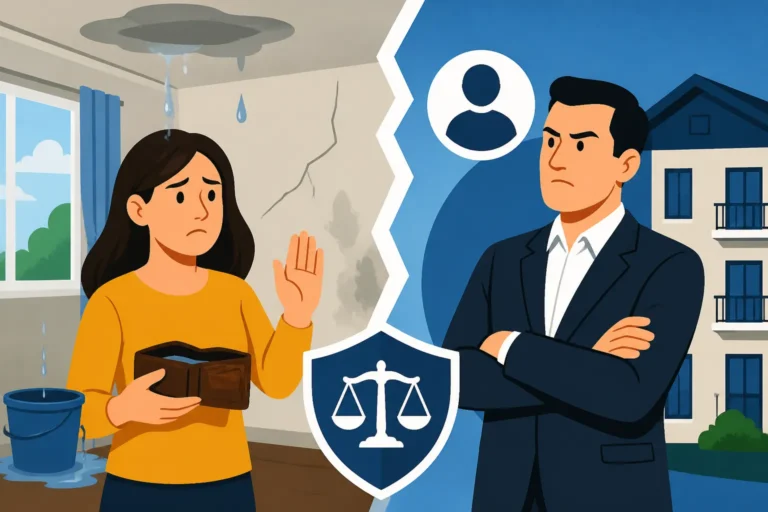
It’s incredibly frustrating when you’re paying good money for rent, but your living situation is far from ideal – maybe your heater has been out for weeks, there’s a persistent leak, or you’re battling a never-ending pest problem. You’ve tried talking to your landlord, but nothing seems to get fixed, leaving you feeling helpless and unheard. This guide is here to walk you through the essential steps to understand, document, and formally report your landlord for housing code violations, ensuring you know your rights and how to pursue a safe and habitable home.
Understanding What Constitutes a Code Violation
First things first, let's clear up what exactly we mean by a "code violation." Not every little inconvenience or minor repair issue automatically falls under this umbrella. While frustrating, a wobbly cabinet door or a slightly dripping faucet might not rise to the level of a legally actionable code violation. The core idea behind housing codes and landlord responsibilities revolves around providing a habitable living space. This means a place that is safe, healthy, and structurally sound enough for a person to live in without undue risk or discomfort.
Distinguishing Between Minor Issues and Serious Violations
It’s easy to get overwhelmed when you feel your landlord isn’t holding up their end of the bargain. However, it’s crucial to understand the difference between everyday wear and tear or minor repairs and what truly constitutes a code violation. A minor issue might be a chipped paint corner or a loose doorknob that doesn't affect safety. While still a landlord's responsibility to address, these typically won't trigger a code enforcement action.
On the other hand, a serious violation directly impacts the health, safety, and general well-being of the occupants. Think of it this way: could this problem make you sick, injure you, or prevent you from comfortably living in your home? For instance, a small, slow drip under the sink is an annoyance, but a burst pipe causing widespread water damage and potential mold growth is a serious issue. Similarly, a single ant crawling across the counter, while unwelcome, isn't the same as a full-blown cockroach or rodent infestation that could spread disease and damage property. These more severe problems often fall under the "implied warranty of habitability," a legal principle stating that landlords must provide a safe and livable rental property, regardless of what the lease says.
Common Types of Housing Code Violations
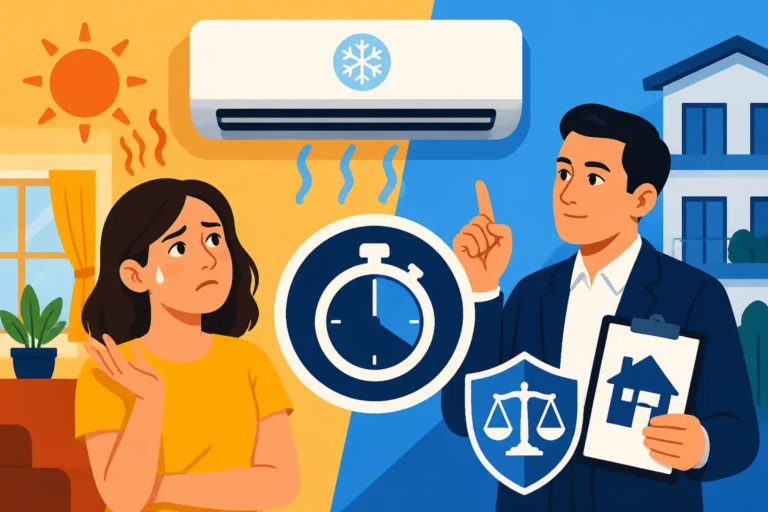
Many housing code violations relate directly to essential services and structural integrity. These are the big-ticket items that inspectors look for because they pose significant risks. For example, if your heating system breaks down in the dead of winter in Chicago, or your air conditioning fails during a Phoenix heatwave, and your landlord doesn't fix it in a timely manner, that's almost certainly a violation. Most jurisdictions have specific temperature requirements for rental units.
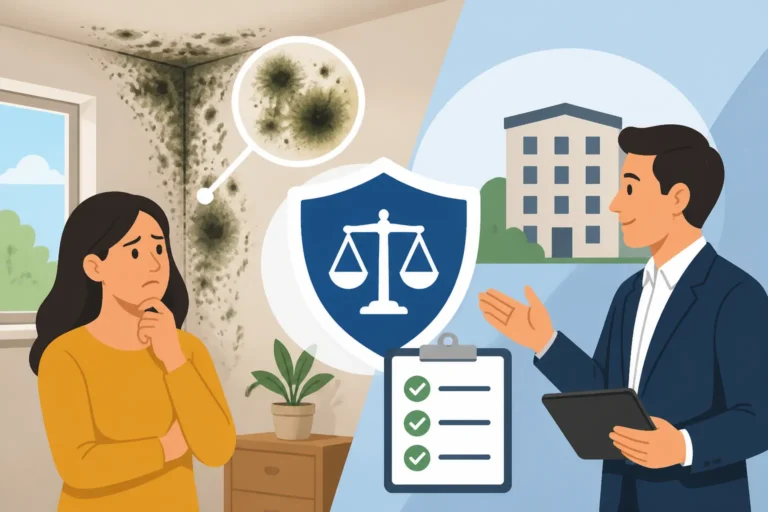
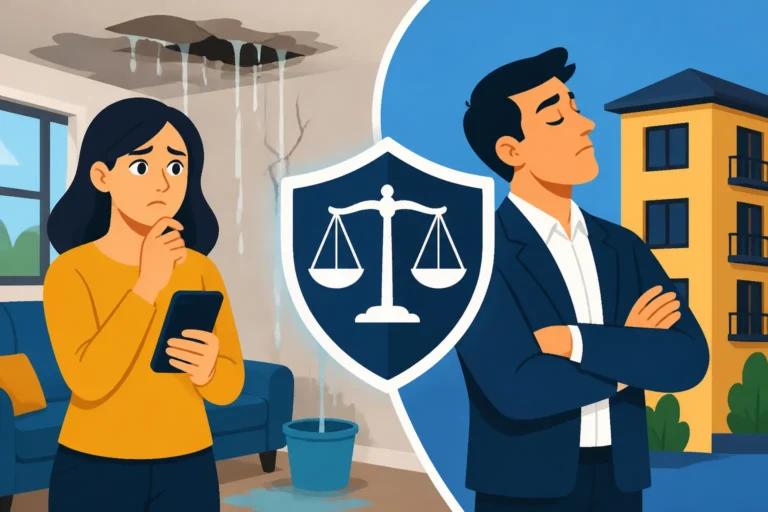
Beyond climate control, other common violations include persistent issues like a lack of hot water, which makes basic hygiene difficult. Significant mold growth, especially if it's widespread and due to a landlord's failure to fix a leak, is another huge red flag because of the health implications. Pest infestations, such as rats, mice, or cockroaches, can make a home uninhabitable due to health risks and damage to property. Electrical hazards like exposed wiring or frequently tripping breakers, plumbing problems like raw sewage backups, and structural deficiencies such as severe roof leaks, holes in walls or ceilings, or unsecured windows and doors that compromise safety, are all prime examples of code violations. Even something as seemingly simple as a lack of working smoke detectors or carbon monoxide detectors can be a serious violation, as these are critical safety devices.
The Essential Steps Before Reporting Your Landlord
Before you pick up the phone and call code enforcement, there are some really important groundwork steps you need to take. Skipping these can seriously hinder your case and make it harder to get the problems resolved, and in some situations, it can even affect your legal standing. Think of it like building a strong foundation before you try to build a house – without it, things might just crumble.
Documenting Everything Thoroughly
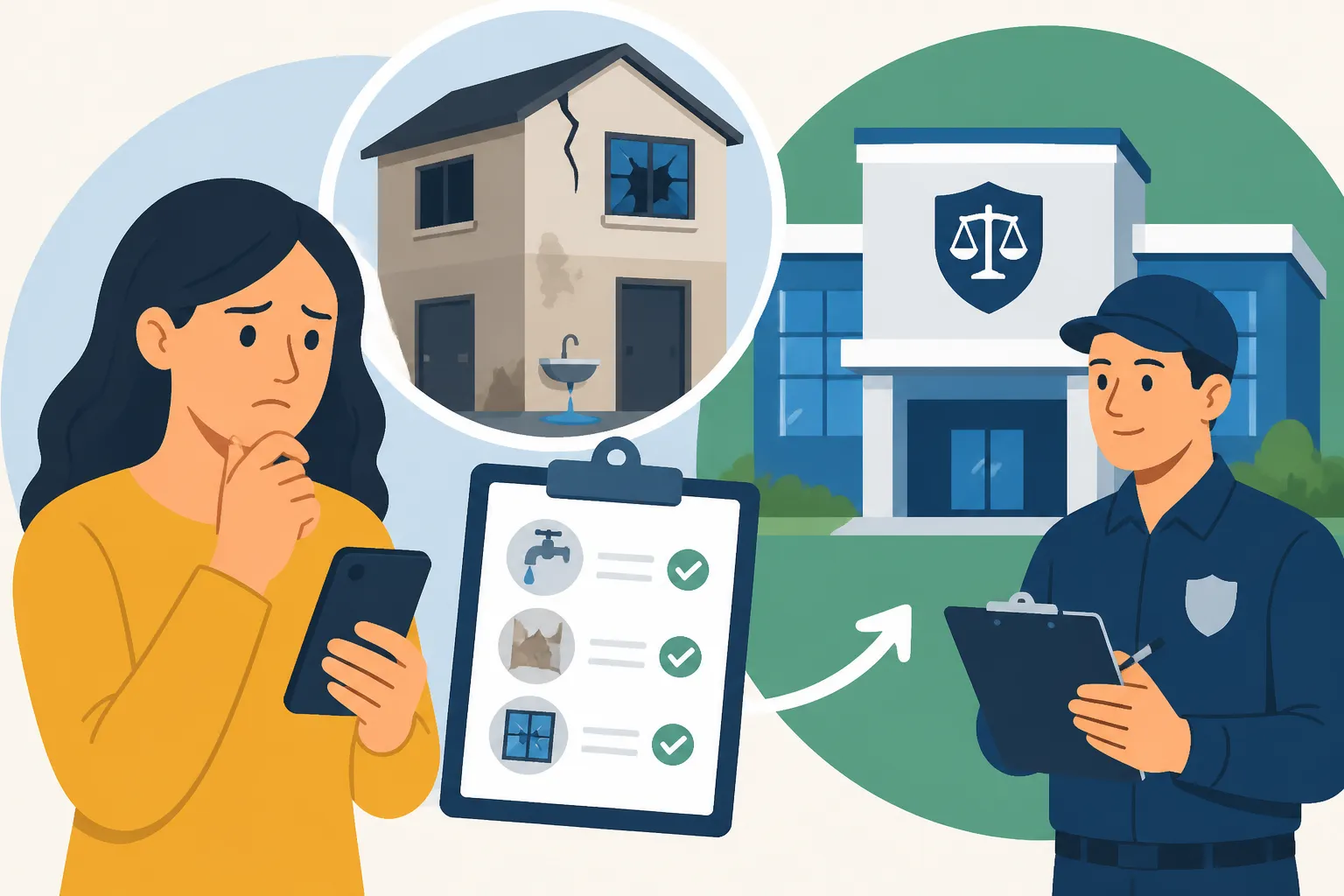
This is arguably the most crucial step in the entire process: gather undeniable evidence. When you report a code violation, you'll need to demonstrate not only that a problem exists but also that your landlord was aware of it and failed to act. Start by taking clear, timestamped photos and videos of all the issues. For example, if you have a ceiling leak, take pictures of the water, any damage to your belongings, and the overall area. If there's mold, photograph its growth over time. For pests, videos can show the extent of the infestation. You can use apps or even just your phone's camera, but make sure the date and time are visible or easily verifiable.
Beyond visual evidence, keep meticulous records of all communication with your landlord. This includes copies of emails, text messages, and even detailed notes from phone calls (date, time, who you spoke to, what was discussed). If you use a tenant portal to report issues, take screenshots of your submissions. This creates a solid paper trail. If you ever find yourself in a situation where you need to consider Suing a Landlord for Your Deposit (Small Claims & Penalties) or other legal action, this documentation will be invaluable. Some landlords or property managers use platforms like TurboTenant, and if your landlord does, any communications through that system are usually well-documented.
Notifying Your Landlord in Writing
Before you involve outside authorities, you must give your landlord a fair chance to fix the problem. This isn't just a courtesy; in many states and cities, it's a legal prerequisite. You need to notify them in writing about the specific issues. A simple text message might not always cut it, though some states consider it sufficient. A formal letter sent via certified mail with a return receipt requested is often the gold standard, as it provides proof that the landlord received your notification and when. Emails with read receipts or through a dedicated tenant portal can also be effective, as long as you have a clear record.
In your written notice, be specific. Clearly describe the problem, mention when you first noticed it, and any previous attempts to contact them. State what you expect them to do and, if possible, refer to any relevant sections of your lease or local housing codes that require the repair. Importantly, set a reasonable deadline for them to address the issues. What constitutes "reasonable" can vary based on the severity of the repair; for emergency issues like a lack of heat or a burst pipe, it might be 24-72 hours, while for non-emergencies, it could be 7-14 days. This written notice is a critical piece of evidence, demonstrating that you followed proper procedure, as outlined in guides like How to Request Repairs in Writing.
Understanding Your Lease Agreement and Local Laws
Knowledge is power, especially when dealing with landlord-tenant issues. Before you go any further, take the time to thoroughly read your lease agreement. While it can't override local or state laws, it often outlines specific procedures for reporting repairs and the landlord's responsibilities. It might even include clauses about emergency repairs or how long the landlord has to respond.
Next, dive into your local and state landlord-tenant laws. These laws dictate everything from how long a landlord has to make repairs to what constitutes a habitable living space. A quick search for "landlord tenant laws [your state]" or "housing code violations [your city]" can yield a wealth of information. Many cities, like San Francisco, New York City, or Washington D.C., have very robust housing codes and specific departments dedicated to enforcing them. Understanding these laws will help you determine if your landlord is actually in violation and what your rights and available remedies are. For instance, knowing How Long Does a Landlord Have to Make Repairs? (By State) is crucial for setting your expectations and deadlines.
How to File a Formal Code Violation Complaint
Once you've done your homework and given your landlord ample opportunity to resolve the issues, and they still haven't, it's time to escalate. Filing a formal complaint can feel intimidating, but it's a legal process designed to protect tenants and ensure safe housing standards are met. Knowing who to contact and what to expect can make the process much smoother.
Identifying the Correct Agency
This is where it can get a little tricky because the specific agency you need to contact varies by location. In most cases, you'll be looking for a city or county department responsible for housing code enforcement, building inspections, or public health.
- City/County Code Enforcement or Building Department: These are the most common points of contact for structural issues, safety hazards, and general habitability. They handle complaints about everything from roof leaks to faulty wiring to missing smoke detectors. Many cities, like Los Angeles or Philadelphia, have dedicated Code Enforcement Bureaus.
- Health Department: For issues directly impacting health, such as severe mold, pest infestations (rats, roaches, bedbugs), or sanitation problems (sewage backups), your local health department might be the appropriate agency.
- Housing Authority: In some areas, particularly for issues related to subsidized housing, the local housing authority might be involved.
- 311: Many larger cities offer a 311 non-emergency service number. You can call 311 and explain your situation, and they can often direct you to the correct department or even initiate a service request on your behalf.
The best way to find the correct agency is to visit your city or county's official government website and search for "housing complaints," "code enforcement," or "tenant resources." You want to ensure you're reporting to the entity with the actual power to inspect and compel your landlord to fix things.
The Complaint Process Explained
Once you've identified the right agency, the next step is to file the complaint itself. This typically involves filling out a form, either online, via mail, or in person. Be prepared to provide all the documentation you diligently collected: your written notifications to the landlord, photos, videos, and detailed descriptions of the problems. The more evidence you provide upfront, the stronger your case will be.
After your complaint is submitted, an inspector from the relevant department will usually be assigned. They will often schedule a visit to your rental property to personally assess the reported conditions. During the inspection, they'll compare the state of your unit against the local housing codes and regulations. If violations are found, the inspector will issue a formal notice to your landlord, detailing the violations and setting a deadline for repairs. This notice is a legal directive, and failure to comply can lead to fines, further legal action, and even condemnation of the property in extreme cases.
Many agencies prioritize complaints based on severity. An issue like No Heat / No Hot Water / No AC: Your Rights might get a faster response than a smaller, non-emergency problem. Property management platforms like Steadily, which often work with landlords, generally advise their clients to maintain properties to code to avoid these exact situations.
What to Expect After Filing the Complaint
The process doesn't always end with the inspector's visit. After the landlord receives the notice of violation, they are expected to make the necessary repairs within the given timeframe. The agency will often schedule a follow-up inspection to ensure that the violations have been rectified. If the landlord fails to make the repairs by the deadline, they could face escalating fines, additional penalties, or even court orders to comply.
It’s important to understand that this process can take time. Government agencies have procedures to follow, and inspectors often have heavy caseloads. Try to remain patient, but also be persistent in following up with the agency if you don’t hear anything or if the deadlines pass without action. Keep records of all your communications with the code enforcement department as well.
You should also be prepared for potential reactions from your landlord. While illegal, some landlords might attempt to retaliate after a code violation complaint. This could manifest as attempts to raise your rent, issue an eviction notice, or reduce services. It's crucial to be aware of your rights concerning Landlord Retaliation After a Repair Request and know that such actions are typically prohibited by law.
Tenant Rights and Protections During the Process
Navigating landlord-tenant disputes can feel like walking on eggshells, especially when you're dealing with serious issues like code violations. However, you have significant rights and protections designed to ensure your safety and prevent landlords from unjustly punishing you for asserting those rights. Knowing these can empower you to move forward confidently.
Protection Against Retaliation
One of the biggest fears tenants have when reporting a landlord is retaliation. Will they raise my rent? Will they try to evict me? Will they refuse to renew my lease? The good news is that most states have strong anti-retaliation laws in place to protect tenants who report code violations or assert their legal rights. These laws generally prevent landlords from taking adverse actions against a tenant for a specified period (often 60 to 180 days, but it varies by state) after a tenant has made a legitimate complaint to a housing authority or taken other protected actions.
Illegal retaliatory actions include things like:
- Raising rent significantly and suddenly.
- Serving an eviction notice without proper cause.
- Decreasing or cutting off essential services (like heat, water, or trash collection).
- Refusing to perform necessary repairs.
- Threatening harassment or intimidation.
If your landlord takes any of these actions shortly after you report a code violation, it could be considered illegal retaliation. Document everything, just as you would for the initial code violation, and seek legal advice. Your protections are there to ensure you can advocate for a safe living environment without fear of undue punishment. This is particularly important for scenarios where you're struggling to get your Security Deposit Back or facing other disputes.
Understanding "Repair and Deduct" and "Withholding Rent" as Options
In some extreme cases where a landlord utterly fails to make crucial repairs, tenants might explore more drastic remedies like "repair and deduct" or "withholding rent." These options allow tenants to take direct action to address habitability issues, but they come with significant risks and are subject to very specific legal requirements that vary wildly by state. It is absolutely critical to consult with a local attorney or tenant rights organization before attempting either of these, as improper execution can lead to eviction.
- Repair and Deduct: This remedy allows a tenant to pay for necessary repairs themselves and then deduct the cost from their next rent payment. However, it's usually only applicable for serious habitability issues, requires the tenant to have given the landlord proper written notice and a reasonable time to repair, and often has caps on the amount that can be deducted (e.g., one month's rent). States like California and Arizona have specific laws for this. For a deeper dive, check out Repair and Deduct by State.
- Withholding Rent: This is an even more serious step where a tenant refuses to pay rent until repairs are made, often by placing the rent into an escrow account. This is usually reserved for the most severe habitability violations and is typically only permissible after very strict legal procedures have been followed, including proper written notice and potentially court involvement. Again, attempting this incorrectly can result in eviction. You can learn more about the strict rules surrounding Withholding Rent & Rent Escrow.
Both of these options are not to be taken lightly. They are not for minor inconveniences but for substantial breaches of the implied warranty of habitability that genuinely threaten your health or safety. Always seek legal counsel to understand your specific rights and the precise steps required in your jurisdiction. Companies like Lemonade, which offer renter's insurance, can provide peace of mind for your belongings, but they cannot step in to resolve code violation disputes or legal actions between you and your landlord.
Common Code Violations and Required Documentation
| Violation Type | Description | Best Evidence | Relevant Agencies |
|---|---|---|---|
| No Heat/Hot Water/AC | Complete lack or prolonged failure of essential climate control or hot water. | Temperature readings (indoor/outdoor), utility bills showing usage despite lack of service, videos of faulty units. | Code Enforcement, Health Department |
| Major Plumbing Issues | Burst pipes, persistent leaks causing damage, sewage backups. | Photos/videos of water damage, mold growth, standing water, affected belongings. | Code Enforcement, Health Department |
| Pest Infestations | Rodents (mice, rats), cockroaches, bedbugs. | Photos/videos of pests, droppings, bite marks, damage to property, exterminator bills (if tenant paid out-of-pocket). | Health Department, Code Enforcement |
| Significant Mold Growth | Widespread mold, especially due to unrepaired water issues. | Photos/videos showing mold extent, location, discoloration, professional mold test results (if applicable). | Health Department, Code Enforcement |
| Electrical Hazards | Exposed wiring, non-functional outlets, frequent power surges/outages. | Photos/videos of visible hazards, professional electrician report (if applicable). | Building Department, Code Enforcement |
| Structural Issues | Large holes in walls/ceilings, damaged roof, unsafe stairs/railings. | Photos/videos showing damage, measurements of holes, reports from contractors (if applicable). | Building Department, Code Enforcement |
| Lack of Safety Devices | Missing/non-functional smoke detectors, carbon monoxide detectors, fire extinguishers. | Photos showing missing devices, videos showing non-functional alarms, receipts for purchased devices (if tenant bought). | Fire Department (for alarms), Code Enforcement, Health Department |
| Security Issues | Broken locks on doors/windows, non-functional entry systems. | Photos of broken locks, videos demonstrating lack of security, police reports (if related to break-ins). | Code Enforcement, Police Department (for reports) |
Disclaimer
The information provided in this article is intended for general informational purposes only and does not constitute legal advice. Landlord-tenant laws vary significantly by state and local jurisdiction. It is crucial to consult with a qualified attorney or local tenant rights organization for advice specific to your situation. Relying solely on this information without professional legal guidance is at your own risk.