Repair and Deduct Laws in North Carolina
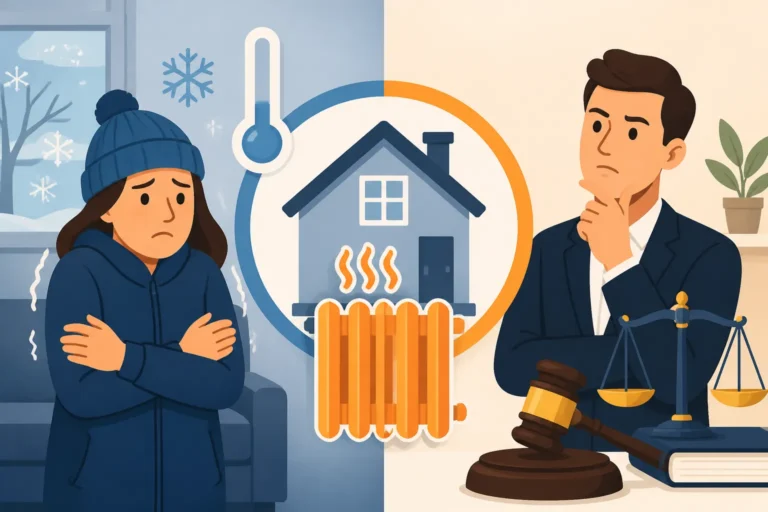
It's incredibly frustrating when something breaks in your rental home and your landlord drags their feet or outright ignores your pleas for repairs. You might be hearing about "repair and deduct" as a powerful tenant remedy in some states, and it's natural to wonder if you can use it to get essential repairs done in North Carolina. This guide will walk you through the reality of tenant repair options in the Tar Heel State, explaining what "repair and deduct" typically means and, more importantly, what avenues are actually available to you when your landlord fails to uphold their end of the bargain.
Understanding the "Repair and Deduct" Concept Generally
When we talk about "repair and deduct," we're generally referring to a tenant's right to fix a problem in their rental unit and then subtract the cost of those repairs from their next rent payment. It sounds like a straightforward, empowering solution, right? In states where it's legally permitted, it's often seen as a way to hold landlords accountable for their responsibilities, especially regarding the safety and habitability of a rental property.
How Repair and Deduct Works in Other States
In states that allow repair and deduct, there are usually very strict conditions that a tenant must follow. It's not a free-for-all where you can just fix anything and send your landlord the bill. Typically, these conditions include:
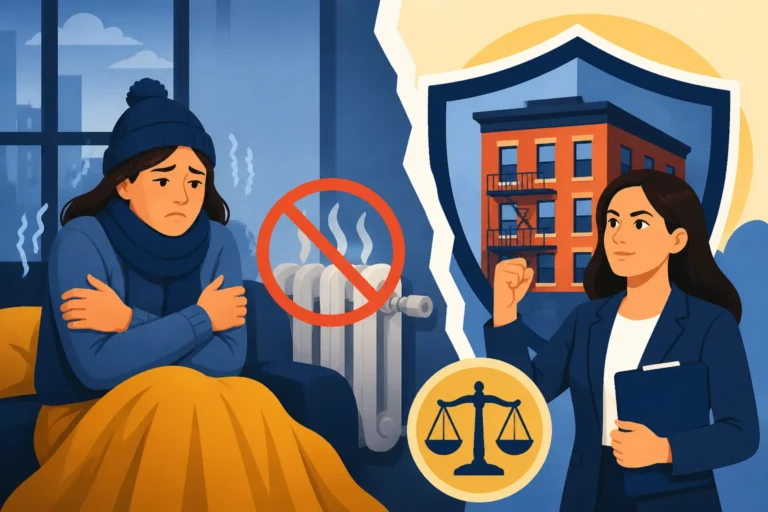
- Serious Issues Only: The repair must be for a condition that affects the tenant's health or safety, or makes the property uninhabitable. We're talking about things like a broken furnace in winter, a leaking roof, or a severe plumbing issue, not a chipped tile in the bathroom.
- Written Notice: The tenant must provide the landlord with proper written notice of the defect. This notice usually needs to specify the problem and give the landlord a reasonable amount of time to fix it. What constitutes "reasonable time" can vary, but it's often a set number of days, like 14 or 30, or shorter for emergencies.
- Landlord Failure: The landlord must fail to make the repairs within that specified timeframe after receiving proper notice.
- Professional Work: Repairs usually need to be carried out by a licensed professional, and the tenant must keep detailed receipts and documentation.
- Cost Limits: There are often limits on how much a tenant can deduct, such as one month's rent or a certain percentage of the monthly rent. Sometimes, this right can only be exercised once or twice within a 12-month period.
For example, in California, if a landlord fails to make repairs after proper notice, a tenant can repair the damage and deduct the cost from the rent, provided the cost doesn't exceed one month's rent. This can be done only twice in any 12-month period. It's a significant tool that helps ensure properties remain safe and livable. However, it's critical to understand that not all states offer this remedy.
Why This Remedy is So Appealing to Tenants
The appeal of "repair and deduct" is obvious: it gives tenants a tangible way to resolve urgent issues when a landlord is unresponsive. Instead of waiting indefinitely for a landlord to act, or incurring significant out-of-pocket expenses with no clear path to reimbursement, tenants can take direct action. It avoids the potentially lengthy and costly process of going to court for every minor yet essential repair. For many, it feels like a fair and balanced approach to landlord responsibilities and tenant rights. It's a common misconception that this right exists everywhere, which leads to a lot of confusion and frustration when tenants learn their state doesn't allow it.
North Carolina's Specific Laws on Tenant Repairs and Rent Withholding
Now, let's get down to the nitty-gritty for renters in North Carolina. This is where many tenants often face a stark reality check.
The Absence of a Statutory Repair and Deduct Right
Here's the crucial point: North Carolina does not have a statutory "repair and deduct" remedy for residential tenants. This means that if you're a tenant in North Carolina, you generally cannot unilaterally pay for repairs, even essential ones, and then deduct that cost from your rent payment without risking serious legal consequences, including eviction for nonpayment of rent. This can be incredibly frustrating, especially when you feel like you're left with no options while living in an uncomfortable or unsafe situation.
Many tenants assume that if a repair makes their home uninhabitable, they automatically have the right to fix it and deduct the cost. Unfortunately, in North Carolina, this isn't the case under the state's residential landlord-tenant act. The law places clear responsibilities on landlords to maintain a habitable property, but it doesn't grant tenants the self-help remedy of repairing and deducting.
Understanding the Implied Warranty of Habitability
While repair and deduct isn't an option, North Carolina law does impose an "implied warranty of habitability" on landlords. This is a fundamental principle that means landlords are legally required to keep your rental property in a safe and habitable condition. Specifically, landlords must:
- Comply with all applicable building and housing codes.
- Make all repairs and do whatever is necessary to put and keep the premises in a fit and habitable condition.
- Keep all common areas in a safe condition.
- Maintain in good and safe working order and promptly repair all electrical, plumbing, sanitary, heating, ventilating, air conditioning facilities, and other appliances supplied or required to be supplied by the landlord.
- Provide smoke and carbon monoxide detectors and maintain them or place the responsibility on the tenant in a written lease agreement.
So, while you can't repair and deduct, your landlord still has a legal duty to make sure your home is livable. The challenge comes in enforcing that duty when they fail to act. If you're wondering what your landlord is obligated to fix, our guide on Landlord Repair Responsibilities What They Must Fix might shed more light.
The Perils of Withholding Rent in North Carolina
Given that repair and deduct isn't allowed, tenants in North Carolina also face significant risks if they decide to withhold rent in an attempt to force their landlord to make repairs. Unlike some states that have specific "rent escrow" procedures or allow rent withholding under certain conditions, North Carolina law generally does not permit tenants to unilaterally withhold rent for repair issues.
If you withhold rent without a court order, even if your landlord is clearly in breach of their habitability obligations, you could be considered in breach of your lease. This can lead to a formal eviction process. The landlord could serve you with a "notice to quit" for nonpayment, and if you don't pay up, they can file an eviction lawsuit (summary ejectment). You would then have to present your case in court, arguing that the landlord failed to maintain the property. While a judge might rule in your favor and potentially reduce the rent owed, you'd still have to pay the determined amount, often into the court's registry, and the entire process is stressful and risky.
It's a tough spot: your landlord isn't making repairs, but you can't simply take matters into your own hands without potentially jeopardizing your housing. This is why it's so critical to understand the proper steps and alternatives available.
What to Do When Your North Carolina Landlord Won't Make Repairs
Even without a repair and deduct law, you're not entirely without recourse when your landlord in North Carolina fails to make necessary repairs. It just means your approach has to be different and more strategic.
Step 1: Document Everything
The absolute first thing you need to do is create a meticulous paper trail. This documentation will be your best friend if you ever need to take further action.
- Written Communication: Always communicate with your landlord about repair requests in writing. Emails, certified letters, or texts are better than phone calls because they provide a timestamp and a record of the conversation. Clearly describe the issue, state when you noticed it, and what you expect to be done. Our guide on How to Request Repairs in Writing offers great tips and templates.
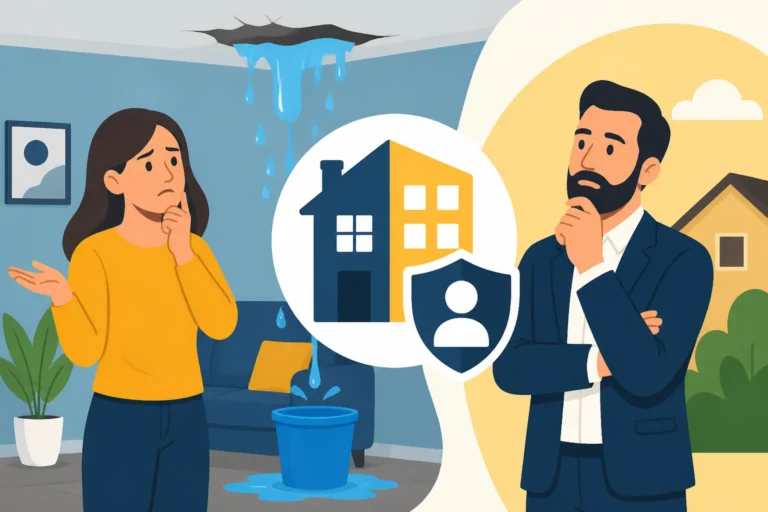
- Photos and Videos: Take clear photos and videos of the damage and the surrounding area. Date these media files. This helps prove the condition of the property and when the issue occurred. If a pipe is leaking, photograph the leak, any water damage, and put a bucket under it. Documenting your apartment at move-in is also crucial for proving pre-existing conditions.
- Dates and Times: Keep a log of all communications, repair attempts, and incidents related to the problem. Note who you spoke with, what was discussed, and any deadlines given.
- Proof of Service: If you send a letter, send it via certified mail with a return receipt requested. This provides undeniable proof that your landlord received your notice.
This detailed record will be invaluable if you need to involve a third party or pursue legal action. A platform like TurboTenant can sometimes help landlords and tenants alike keep a clear record of communication, which might be useful if your landlord uses such a system.
Step 2: Provide Proper Notice and Reasonable Time
Once you've documented the issue, you must give your landlord official notice and a reasonable amount of time to fix the problem. North Carolina law doesn't specify an exact number of days for non-emergency repairs, but "reasonable time" typically means somewhere between 14 to 30 days, depending on the severity and complexity of the repair. For emergency repairs (like no heat in winter, a major plumbing leak, or unsafe electrical wiring), a few days or even 24-48 hours might be considered reasonable.
In your written notice, reference the section of your lease (if applicable) and state law that requires the landlord to make repairs. Clearly state that if the repair is not made within the specified reasonable timeframe, you will be forced to pursue further legal remedies. This isn't a threat; it's a statement of your intent to protect your rights.
Step 3: Contact Local Housing Authorities or Code Enforcement
If your landlord still fails to make the necessary repairs after receiving proper notice and a reasonable amount of time has passed, your next crucial step is to contact your local housing authority or city/county code enforcement office.
- Inspection: These agencies can send an inspector to your property to verify the conditions you've reported. If the inspector finds violations of local housing or building codes, they will typically issue a notice to your landlord, ordering them to make the repairs within a certain timeframe.
- Enforcement Power: Code enforcement officers have the power to fine landlords and, in extreme cases, even condemn a property if it's found to be unsafe or uninhabitable. This can often be a powerful motivator for a landlord to take action.
- Evidence: The inspector's report can serve as strong independent evidence of the landlord's failure to maintain the property, which could be useful if you later pursue legal action. Our guide on How to Report a Landlord Code Violations & Retaliation provides more comprehensive details on this process.
It's important to remember that these offices are there to enforce safety and habitability standards. Using them correctly can often resolve issues without the need for court.
Exploring Legal Avenues and Alternatives in North Carolina
When all else fails and your landlord remains unresponsive to repair requests, North Carolina tenants have a few more options, though they typically involve legal action.
Suing Your Landlord in Small Claims Court
If your landlord's failure to make repairs has caused you financial damages, you might consider suing them in small claims court. This is not for forcing the repairs themselves, but for recovering costs or damages you've incurred.
- Types of Damages: You could potentially sue for damages such as:
- The difference between the rent you paid and the fair market value of the property in its unrepaired state (known as "diminished value").
- Costs incurred due to the lack of repairs (e.g., hotel stays if the property was uninhabitable, cost of spoiled food due to a broken refrigerator if it was the landlord's responsibility).
- In some cases, specific penalties if the landlord acted negligently or maliciously.
- Process: Small claims court in North Carolina is designed to be accessible without an attorney, though having legal advice is always recommended. You'd file a complaint, serve your landlord, and present your evidence (all that documentation you gathered!).
This is often a last resort, but it can be effective. Remember, the goal here is financial compensation for past harm, not a court order for future repairs in most cases.
Constructive Eviction
In severe cases where your landlord's neglect makes your rental unit truly uninhabitable, you might have grounds for what's called "constructive eviction." This isn't an eviction by your landlord, but rather a situation where the landlord's actions (or inactions) make the property so unlivable that you are forced to move out.
- High Bar: The bar for proving constructive eviction is extremely high. The conditions must be so severe that they essentially deprive you of the "quiet enjoyment" of your home and render it unfit for habitation. Think raw sewage, no heat in winter, or a severely collapsing roof. Mere inconvenience or minor disrepair is not enough.
- Requires Vacating: To claim constructive eviction, you must actually move out of the property. This is a huge risk because if a court later decides the conditions weren't severe enough, you could still be on the hook for the remainder of your lease.
- Legal Advice Essential: You absolutely need legal advice before pursuing this course of action. An attorney can help you understand the specific criteria and risks involved. Our article on Constructive Eviction Explained delves deeper into this complex legal concept.
Breaking Your Lease Due to Uninhabitable Conditions
Related to constructive eviction, if the property truly becomes uninhabitable due to your landlord's failure to make repairs, you might have legal grounds to break your lease without penalty. This is often an outcome sought after proving constructive eviction.
- Conditions: The conditions must violate the implied warranty of habitability, and your landlord must have failed to address them after receiving proper written notice and reasonable time.
- Notice to Landlord: You would typically need to send another formal notice to your landlord, stating your intention to terminate the lease due to their breach of the implied warranty of habitability.
- Documentation is Key: Again, all your documentation will be critical here. You need to prove the severity of the conditions and the landlord's unresponsiveness.
- Seek Counsel: Breaking a lease, even for legitimate reasons, carries risks. Consulting with a landlord-tenant attorney in North Carolina is highly recommended to ensure you follow all proper procedures and protect yourself from potential claims for future rent. Our guide on Breaking a Lease for Uninhabitable Conditions can provide more information on this significant step.
Considering Tenant Counseling or Legal Aid
Navigating landlord-tenant law can be complex, especially without a repair and deduct option. Don't go it alone.
- Tenant Rights Organizations: Many cities and counties have non-profit organizations dedicated to tenant rights. They can offer free or low-cost advice, help you understand your options, and even assist with drafting letters.
- Legal Aid Societies: If you meet income eligibility requirements, local legal aid societies can provide legal assistance or refer you to attorneys who specialize in landlord-tenant disputes.
- Private Attorneys: If your case is severe or involves significant damages, a private attorney specializing in landlord-tenant law can be an invaluable asset. They can advise you on the best course of action and represent you in court if necessary.
Protecting Yourself as a Tenant: Documentation and Preparation
The common thread through all tenant remedies, especially in a state like North Carolina where self-help options are limited, is meticulous documentation and preparation. You can never have too much proof when dealing with landlord-tenant disputes.
Creating a Solid Paper Trail
As discussed, every single interaction and issue should be documented. Think of it like building a case, even if you hope to never go to court. This includes:
- Move-in inspection checklists and photos.
- All repair requests, whether sent via email, text, or certified mail.
- Responses (or lack thereof) from your landlord.
- Photos and videos of problems and their progression.
- Receipts for any expenses incurred due to the landlord's neglect (e.g., space heaters if the heat was out, bottled water if plumbing was severely impacted).
- Any communication with code enforcement, health departments, or other authorities.
Remember, a service like Steadily (often used by landlords for insurance) emphasizes proper property maintenance; if your landlord isn't maintaining their property, your documentation helps demonstrate their failure to uphold their end, which can impact them legally and financially.
Understanding Your Lease Agreement
Your lease is a legally binding contract, and it often outlines specific procedures for requesting repairs, notice periods, and what constitutes a breach. Read it carefully.
- Repair Clauses: Does your lease specify how to report repairs? Are there any clauses that try to shift the landlord's statutory repair responsibilities to you (which may be illegal)?
- Notice Requirements: Pay close attention to any clauses about written notice for repairs or lease termination.
- Illegal Clauses: Be aware that some lease clauses might be illegal or unenforceable under North Carolina law. For instance, a clause that explicitly states you waive your right to a habitable property would likely not hold up in court.
If you have questions about your lease, it's always a good idea to seek legal counsel to understand your rights and obligations fully.
The Role of Renter's Insurance
While renter's insurance won't force your landlord to make repairs, it's a vital layer of protection for you as a tenant. Companies like Lemonade offer affordable renter's insurance that can cover your personal belongings in case of damage due to certain perils, including those that might arise from a landlord's negligence (like a burst pipe that damages your furniture, or a theft if a broken lock wasn't repaired).
- Property Protection: Renter's insurance protects your personal property from fire, theft, water damage, and other covered perils. Your landlord's insurance only covers the building structure, not your belongings.
- Liability Coverage: It also provides liability coverage, which can protect you if someone is injured in your rental unit and sues you.
- Temporary Living Expenses: If your apartment becomes uninhabitable due to a covered event, renter's insurance can often cover temporary living expenses, like a hotel stay.
Having renter's insurance can provide peace of mind and financial security, even if it doesn't directly address the repair issue itself. It's an essential part of being a well-prepared tenant.
Summary of Tenant Repair Remedies in North Carolina
To consolidate the information, here's a quick overview of what North Carolina tenants can and cannot do regarding repairs:
| Action / Remedy | Allowed in North Carolina? | Conditions / Details | Risks |
|---|---|---|---|
| Repair and Deduct | NO | Not a statutory right for residential tenants. | Eviction for nonpayment of rent. |
| Withholding Rent | NO (without court order) | Generally not allowed unilaterally. Landlord must breach implied warranty of habitability, tenant gives notice. Judge may reduce rent or order payment into escrow in court. | Eviction for nonpayment of rent. |
| Formal Written Notice | YES | Essential first step. Documents issue, request for repair, and gives landlord reasonable time. | None, highly recommended. |
| Contact Code Enforcement | YES | Local housing authority or code enforcement can inspect and order landlord to make repairs. | Potential landlord retaliation (illegal, but can happen). |
| Sue in Small Claims Court | YES | Can sue for damages incurred due to landlord's failure to repair (e.g., diminished value, out-of-pocket costs). | Time-consuming, no guarantee of success, limited to monetary damages. |
| Constructive Eviction | YES (high bar) | If landlord's inaction makes premises truly uninhabitable, tenant may be able to vacate without penalty. | Extremely risky; if conditions not severe enough, tenant still liable for lease, potentially facing lawsuit for unpaid rent. Legal counsel highly advised. |
| Breaking Lease for Uninhabitable Conditions | YES (requires proof) | Similar to constructive eviction. Requires severe, uninhabitable conditions and landlord's failure to repair after notice. | Risky; tenant must prove landlord's breach and conditions. Legal counsel highly advised. |
Navigating landlord-tenant issues in North Carolina, especially when faced with uncooperative landlords and the lack of a simple "repair and deduct" option, can feel overwhelming. But remember, you have rights and resources. By being informed, documenting everything, and knowing when to seek professional help, you can protect yourself and work towards ensuring your rental home is safe and habitable.
Disclaimer
Please remember that this article provides general information and is not a substitute for legal advice. Landlord-tenant laws can be complex and are subject to change. For specific advice regarding your situation, it is always recommended to consult with a qualified attorney in North Carolina.