Repair and Deduct Laws in Maryland
It’s incredibly frustrating when you’re living in a rental home and things start to break down, especially when those issues make your living situation uncomfortable or even unsafe. Many tenants assume that if their landlord drags their feet on repairs, they can simply fix the problem themselves and deduct the cost from their next rent payment. This "repair and deduct" remedy sounds logical and empowering, but the reality is that landlord-tenant laws vary wildly by state, and what's allowed in one place might not be an option where you live. This guide is here to clear up the confusion specifically for tenants in Maryland, explaining exactly what your options are when your landlord isn't upholding their end of the bargain on repairs.
The Reality of "Repair and Deduct" in Maryland
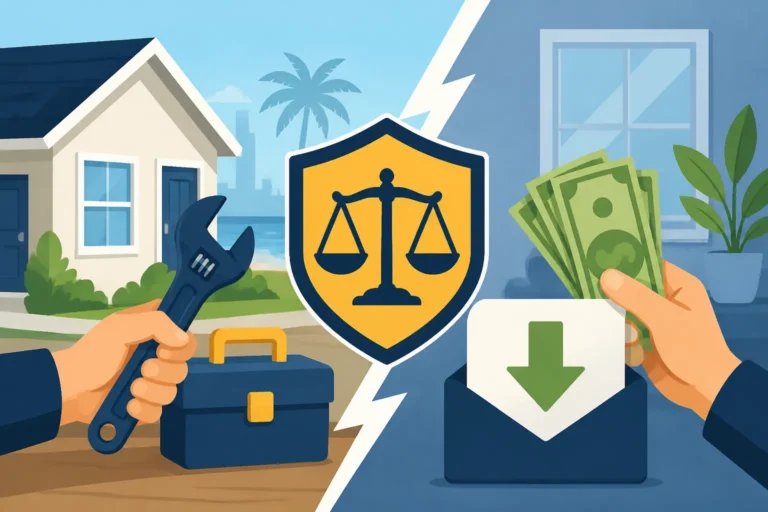
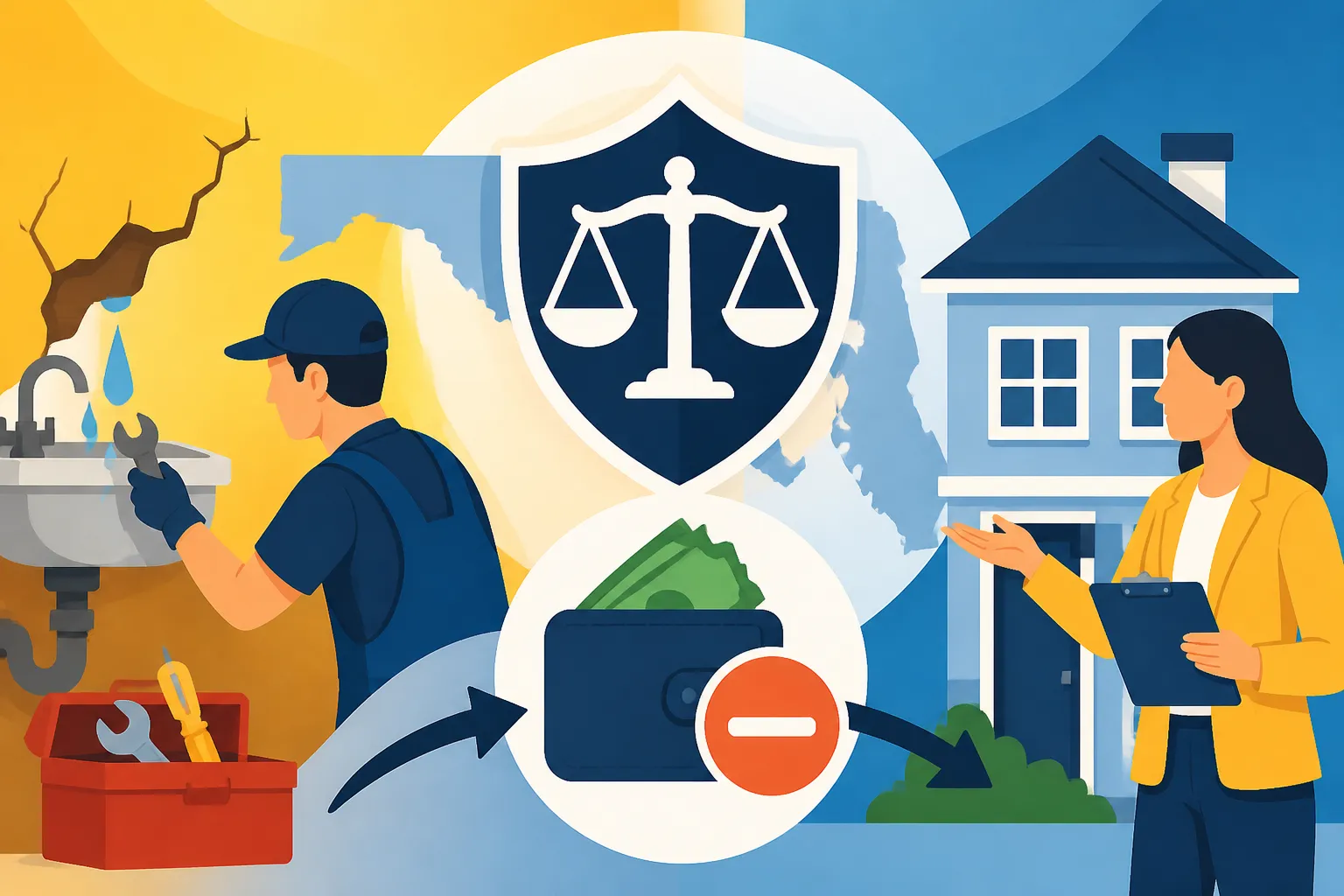
Let's address the elephant in the room right away: Maryland law generally does not allow tenants to "repair and deduct" from their rent. I know, it's a tough pill to swallow, especially when you hear about friends in other states having this option. This isn't to say you're powerless, far from it, but your path to getting repairs done in Maryland looks a little different than a simple DIY-and-deduct approach. Understanding this distinction is the first crucial step in effectively dealing with a negligent landlord in the Old Line State.
Why Maryland Differs From Other States
Many states, like California or Washington, have explicit statutes that detail when and how a tenant can perform repairs and then deduct the cost from their rent. These laws typically come with strict requirements regarding the nature of the repair, the maximum amount that can be deducted, and the type of notice a tenant must give their landlord. The intention is to give tenants a direct, albeit limited, tool to ensure their living conditions remain safe and habitable.
Maryland, however, has chosen a different legislative path. Instead of granting tenants the power of self-help through repair and deduct, Maryland primarily channels tenant grievances concerning repair issues through the legal process of "rent escrow." This means that disputes often require a court's involvement, which can feel more daunting than simply deducting a few hundred dollars for a leaky faucet. This difference emphasizes the importance of knowing your specific state's laws, because relying on common assumptions can put your tenancy, and your finances, at risk.
What the Implied Warranty of Habitability Does Mean
Despite the lack of a direct repair and deduct statute, Maryland landlords are absolutely still obligated to provide and maintain a safe and habitable living environment. This duty stems from what's known as the "implied warranty of habitability," which is a fundamental principle in landlord-tenant law across the country. It means that even if your lease doesn't explicitly state it, your landlord promises that the property is fit for human habitation and will remain so throughout your tenancy.
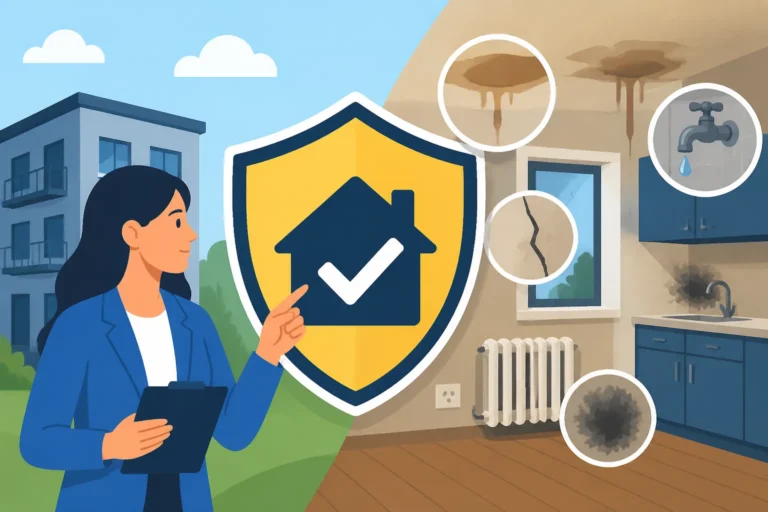
This warranty covers essential services and conditions, such as working plumbing, heat, electricity, structural soundness, and freedom from severe pest infestations. When your landlord fails to make necessary repairs that affect these fundamental living conditions, they are breaching this implied warranty. While you can't repair and deduct, this breach is the legal foundation upon which you can pursue other remedies, like initiating a rent escrow action. Knowing that this warranty exists is key; it’s your bedrock right as a tenant in Maryland, even if the methods to enforce it are a bit more formal.
Your Legal Recourse: Rent Escrow in Maryland
Since repair and deduct isn't typically an option, the primary legal remedy for tenants in Maryland facing unaddressed major repairs is "rent escrow." This process allows you to pay your rent into a court-supervised account rather than directly to your landlord, signaling to the court that your landlord has failed in their duties. It's a serious step, but it’s designed to protect tenants and compel landlords to act.
Conditions for Initiating Rent Escrow
Before you even think about rent escrow, there are strict conditions you must meet. Maryland courts take these requirements very seriously, and failing to follow them precisely could result in you losing your case, potentially facing eviction, and still owing all that back rent. First and foremost, the repair issue must be a serious defect that poses a danger to your life, health, or safety, or that significantly impairs the habitability of your dwelling. We're talking about things like a lack of heat or hot water, unsafe wiring, a leaky roof, or a severe mold problem, not minor cosmetic issues.
Secondly, and critically, you must provide your landlord with proper written notice of the defect. This notice should describe the problem clearly and request that it be fixed. For most non-emergency repairs, your landlord typically has 30 days to address the issue after receiving this notice. If it's an emergency that poses an immediate threat (like no heat in winter, which can be an immediate danger), a "reasonable time" is usually given, often much shorter than 30 days. You need to keep detailed records of this communication, including certified mail receipts or emails with read confirmations, as proof that you informed your landlord. For instance, if you've got a burst pipe that's making your apartment unlivable, you'd send immediate written notice. If your landlord is well-versed in tenant relations, perhaps even using a platform like TurboTenant for managing their properties, they should be well-aware of these notice requirements and their obligation to respond promptly.
The Rent Escrow Process Step-by-Step
If your landlord fails to make the necessary repairs within the legal timeframe after receiving your written notice, you can then begin the rent escrow process. This involves filing a "Tenant Petition for Rent Escrow" at your local District Court. You'll need to fill out specific forms detailing the issues, when you notified your landlord, and their failure to resolve them. It's a formal legal complaint, so accuracy is paramount.
Once filed, the court will schedule a hearing, and your landlord will be served with the petition. During this time, you must continue to pay your rent, but instead of sending it to your landlord, you'll pay it to the court clerk's office, where it will be held in an escrow account. This shows the court that you're not trying to avoid paying rent, but rather that you're seeking to compel your landlord to fulfill their legal obligations. At the hearing, both you and your landlord will present your cases, often with evidence like photos, videos, and copies of your written communications. Remember, documentation is key here. A detailed How to Document Repair Problems guide can be incredibly helpful in preparing your case.
Potential Outcomes and Limitations
The court has several options once it hears a rent escrow case. It can order your landlord to make the repairs, potentially setting a deadline. It can also, under certain circumstances, reduce your rent for the period the property was uninhabitable, or even order that a portion of the escrowed funds be returned to you as compensation for the inconvenience or damages. In some cases, if the landlord has been particularly negligent, the court might even allow the escrowed funds to be used to pay for the repairs directly.
However, rent escrow isn't a silver bullet. It's a legal process that takes time, effort, and can be stressful. If the court rules against you, perhaps because you didn't follow the proper notice procedures or the repairs weren't deemed serious enough, you could be ordered to pay all the withheld rent directly to your landlord, and potentially face eviction for non-payment. This is why it's so important to understand the Withholding Rent & Rent Escrow rules thoroughly before taking action. Always consider seeking advice from a tenant rights organization or legal aid before initiating this process.
Other Avenues When Your Landlord Won't Repair
While rent escrow is the most common path for serious, unaddressed repairs in Maryland, it's not the only one. Depending on the severity of the issues and your personal circumstances, you might have other options to consider, each with its own set of requirements and potential consequences.
Terminating Your Lease Due to Uninhabitable Conditions (Constructive Eviction)
In extreme cases, if your rental unit becomes truly uninhabitable due to your landlord's failure to make essential repairs, you might have the right to break your lease. This is known as "constructive eviction." Constructive eviction occurs when a landlord's actions, or in this case, inaction, make the property so unlivable that you are effectively forced to move out, even though your landlord hasn't physically evicted you. For example, if your apartment has been without heat and hot water for weeks in the dead of winter, despite your repeated attempts to get it fixed, and the conditions are truly intolerable, this could constitute constructive eviction.
However, this is a very high bar to meet. You can't just move out because you're unhappy; the conditions must be objectively severe, and you must have given your landlord ample notice and opportunity to fix them. If you prematurely move out and a court later decides the conditions weren't severe enough, you could be held liable for the remaining rent on your lease. This is why it's crucial to understand Constructive Eviction Explained and to seek legal counsel before taking this drastic step.
Suing Your Landlord for Damages
Another option, though less common for simply getting repairs done, is to sue your landlord for damages in small claims court. This might be appropriate if you've suffered financial losses directly because of your landlord's negligence. For example, if your ceiling collapsed due to a long-ignored roof leak, damaging your furniture, and your landlord refused to compensate you, you could sue for the cost of repairing or replacing your damaged belongings. Similarly, if you had to pay for a hotel room because your apartment was truly uninhabitable for a period, you might seek to recover those costs.
This legal action is separate from getting the repairs done; it's about compensation for losses you've already incurred. It’s important to note that you typically cannot sue for punitive damages (money meant to punish the landlord) unless the landlord's actions were truly malicious or egregious. And remember, while your landlord has a duty to maintain the property, your renter's insurance policy, perhaps from a provider like Lemonade, is usually what protects your personal property from damage, regardless of who is ultimately at fault for a leak or fire.
Contacting Local Housing Authorities
Sometimes, the most direct path to getting an issue resolved isn't through the courts but through local government channels. Many cities and counties in Maryland have housing departments or code enforcement offices that are responsible for ensuring rental properties meet minimum health and safety standards. If your landlord is violating housing codes – perhaps the electrical system isn't up to par, or there's an ongoing plumbing leak that's causing structural damage – you can file a complaint with these agencies.
These authorities can inspect your unit and, if violations are found, order your landlord to make the necessary repairs within a specific timeframe. Failure to comply can result in fines for the landlord. This can be a very effective way to get repairs addressed, especially for systemic issues. It puts the burden of enforcement on the government rather than solely on you, the tenant. If you're wondering How to Report a Landlord (Code Violations & Retaliation), your local housing authority is usually the first stop.
Protecting Yourself as a Maryland Tenant
Navigating landlord-tenant disputes, especially regarding repairs, can feel like walking through a minefield. The best defense is a good offense, and in this context, that means being proactive, meticulous with documentation, and knowledgeable about your rights.
Documentation Is Your Best Friend
I cannot stress this enough: document everything. Every conversation, every repair request, every instance of damage or deterioration. When you first move in, conduct a thorough Move-In / Move-Out Inspection Guide and take photos or videos of the property's condition. This provides a baseline. When a problem arises, take more photos and videos, noting the date and time. Write down who you spoke to, what was said, and when.
All repair requests should be made in writing, ideally via certified mail with a return receipt, or email if your lease specifies it as a valid form of communication. This creates a clear paper trail, proving that you notified your landlord and when. Keep copies of all correspondence, including any responses from your landlord. This evidence will be invaluable if you ever need to pursue rent escrow or any other legal action. Think of it as building your case, piece by painstaking piece, long before you ever step foot in a courtroom.
Seeking Legal Advice
Landlord-tenant law can be incredibly complex, and small procedural errors can have significant consequences. Before taking any major action like rent escrow or breaking your lease, it is always, always advisable to seek legal advice from a qualified professional. A local tenant rights organization or an attorney specializing in landlord-tenant law can review your specific situation, inform you of your rights and obligations, and guide you through the correct legal procedures.
They can help you understand the specific timelines, such as How Long Does a Landlord Have to Make Repairs? (By State), for Maryland. Many areas have legal aid services that offer free or low-cost assistance to tenants. Don't try to navigate this alone if you feel overwhelmed; a little bit of expert guidance upfront can save you a lot of headache and potential financial loss down the line.
Renter's Insurance and Liability
It’s easy to get focused on what your landlord is responsible for, but it’s equally important to understand your own responsibilities and how to protect yourself. While your landlord is obligated to maintain the structure and systems of your rental, they are generally not responsible for your personal belongings. If a leaky roof (that your landlord ignored) causes damage to your furniture, your landlord might be liable, but proving it can be a hassle and take time.
This is where renter's insurance comes in. A good renter's insurance policy, like those offered by Lemonade or other providers, will protect your personal property against covered perils, regardless of who is at fault. It can also provide liability coverage in case someone is injured in your apartment or you accidentally cause damage to the property. While it doesn't solve the problem of getting a negligent landlord to make repairs, it provides a crucial safety net for your own possessions and peace of mind. Conversely, for landlords, having proper landlord insurance, perhaps through providers like Steadily, ensures they are financially equipped to handle major property damages that could impact multiple tenants, theoretically leading to quicker repairs.
Summary of Maryland Repair Remedies
To help you keep track, here's a quick overview of the key actions and their implications in Maryland when your landlord fails to make necessary repairs:
| Remedy | Description | Key Requirements | Potential Outcome |
|---|---|---|---|
| Repair and Deduct | Not generally permitted under Maryland law. | N/A | Risk of eviction for non-payment if attempted. |
| Rent Escrow | Pay rent into court account until landlord makes repairs. | Serious defect affecting habitability; proper written notice given; landlord failed to repair within legal timeframe. | Court orders repairs, potential rent reduction, or release of funds to tenant/for repairs. |
| Constructive Eviction | Tenant vacates due to landlord's failure to maintain uninhabitable conditions. | Extreme, prolonged uninhabitable conditions; proper notice given; landlord failed to remedy. | Tenant released from lease obligation, but a high bar to prove in court. Risk of liability for rent if unsuccessful. |
| Sue for Damages | File a small claims lawsuit for actual financial losses due to landlord's negligence. | Documented financial loss directly caused by landlord's negligence/failure to repair. | Monetary judgment against landlord for proven damages. Does not directly force repairs. |
| Contact Housing Authority | Report code violations to local government agencies. | Specific health/safety code violations exist in the rental unit. | Authority orders landlord to make repairs, issues fines for non-compliance. |
This table serves as a handy guide, but it's important to remember that each situation is unique. Your best course of action will depend on the specifics of your lease, the nature of the repairs needed, and your landlord's responsiveness.
Disclaimer
This article is for general informational purposes only and does not constitute professional advice. Laws and regulations vary by location and change over time. Consult a qualified professional for guidance on your specific situation.