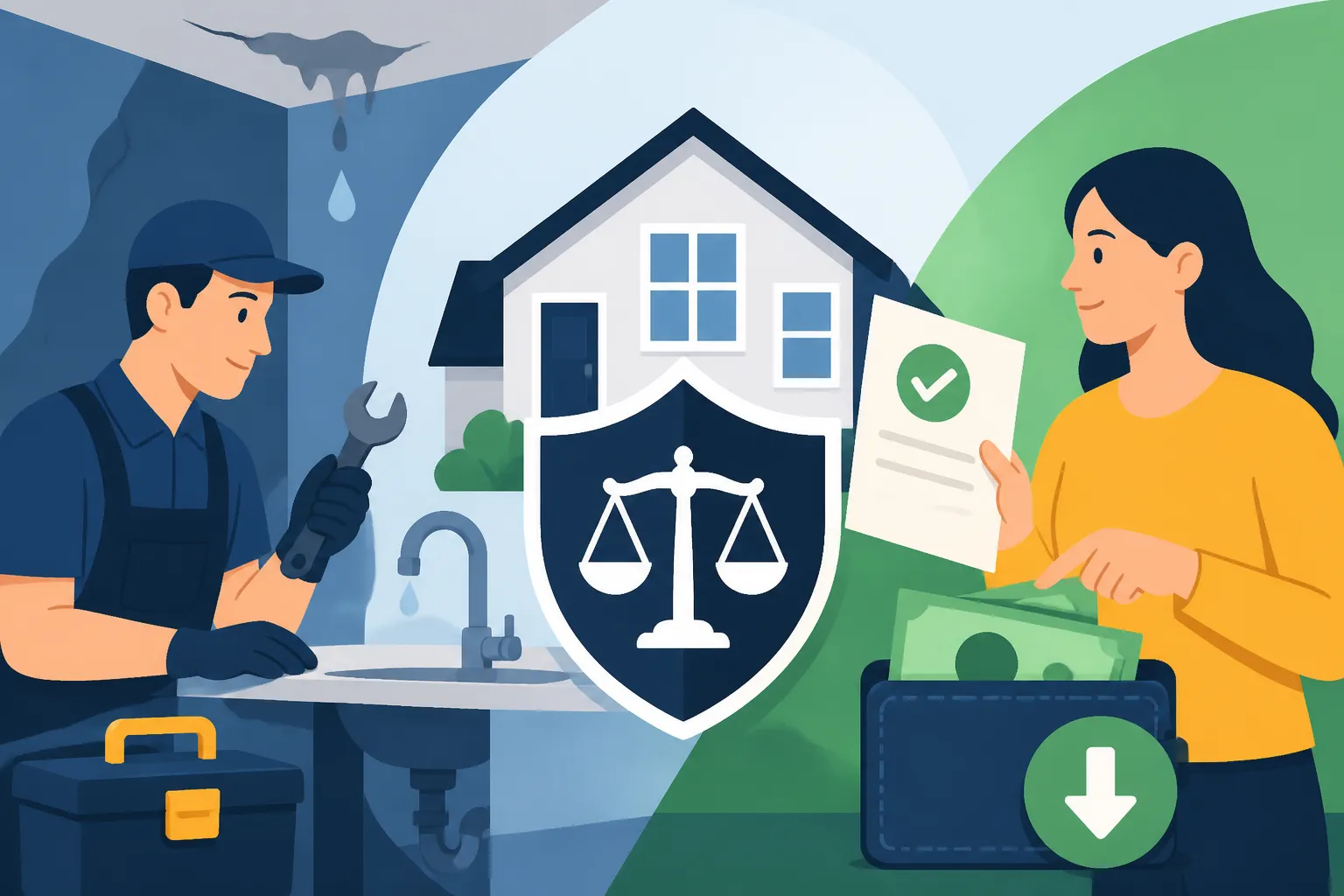
Repair and Deduct Laws in Massachusetts
It's incredibly frustrating when you're dealing with a repair issue in your rental home or apartment, and your landlord seems to be dragging their feet or ignoring you completely. You pay good money for a safe and habitable place to live, and when basic necessities break down, it can feel like you're stuck between a rock and a hard place. This guide is here to shed some light on what Massachusetts law says about a tenant's right to "repair and deduct," offering a realistic look at this complex remedy and exploring the safer, more commonly used alternatives available to renters across the Commonwealth.
The Legal Foundation: Massachusetts Habitability Laws
Before we even dive into the nitty-gritty of repairs, it’s essential to understand the bedrock of tenant rights in Massachusetts: the implied warranty of habitability. This isn't just a polite suggestion; it's a fundamental legal principle that dictates every residential rental unit must be fit for human habitation, regardless of what your lease agreement might say.
The Implied Warranty of Habitability and State Sanitary Code
In Massachusetts, every residential lease, whether written or verbal, includes an "implied warranty of habitability." This means your landlord is legally obligated to provide and maintain a safe, sanitary, and structurally sound dwelling. This isn't some vague notion; it's explicitly backed by Massachusetts General Laws Chapter 186, Section 14, and the Massachusetts State Sanitary Code. These laws lay out specific standards for everything from structural elements to utilities.
For example, the Sanitary Code, enforced by local Boards of Health, details requirements for heating (landlords generally must provide heat from September 16 to June 14, maintaining certain temperatures), hot and cold running water, electricity, gas, and a pest-free environment. It also covers the condition of ceilings, walls, floors, windows, and common areas. If your apartment has a burst pipe, a gaping hole in the roof, a severe rodent infestation, or a lack of heat during a Boston winter, these are almost certainly violations of the implied warranty of habitability. It means your landlord isn't just being inconvenient; they're failing to meet their legal duty.
Landlord's Responsibility for Essential Repairs
So, what exactly does this mean for your landlord's repair responsibilities? It means they are generally on the hook for any significant repairs that affect the habitability of your home, unless the damage was directly caused by you or your guests' gross negligence or intentional misuse. They can't just ignore a broken furnace in January or a leaky roof that's causing mold.
The law expects landlords to be proactive in maintaining the property and responsive when issues arise. They are responsible for keeping all essential facilities and services in good working order. This includes plumbing, heating, electrical systems, and ensuring the structural integrity of the building. Even if your lease tries to shift some of these responsibilities onto you, the implied warranty of habitability usually overrides such clauses for essential repairs. Understanding what your landlord must fix is the first critical step in asserting your rights.
Repair and Deduct in Massachusetts: A Limited and Risky Option
When you hear about "repair and deduct" rights, it sounds like a straightforward solution: fix a problem yourself if the landlord won't, and then subtract the cost from your rent. However, in Massachusetts, this remedy is far from simple and is generally not the recommended first course of action due to its significant legal complexities and risks.
Why Direct Repair and Deduct is Generally Not Advised
Unlike some other states where "repair and deduct" is a more accessible tenant remedy, Massachusetts law is quite restrictive. Direct repair and deduct, meaning you simply make the repair and unilaterally deduct it from your next rent payment without any prior court order or specific legal process, is typically not permitted. The primary legal remedy for landlords failing to make repairs is enshrined in Massachusetts General Laws Chapter 239, Section 8A, which primarily allows for rent withholding into an escrow account, or in some cases, tenants seeking a court order for repairs or damages.
The danger of attempting a direct repair and deduct is that your landlord could consider your deduction an unauthorized partial payment or even non-payment of rent. This could lead to an eviction notice and legal action against you, even if you believe you were justified. Navigating landlord-tenant law can be tricky, and even if you eventually win in court, the process itself can be incredibly stressful, expensive, and time-consuming. Because of these risks, tenant advocacy groups and legal aid services in Massachusetts almost always advise against simply deducting repair costs from your rent without proper legal guidance and adherence to the very specific, alternative legal pathways.
The Very Rare Circumstances It Might Be Considered
While generally not advised, there are extremely narrow, hypothetical situations where a court might retroactively look favorably upon a tenant who performed a repair and deducted the cost. These situations would involve:
- Imminent Danger and Extreme Urgency: The condition must pose an immediate, severe threat to life, health, or safety. Think a complete loss of heat in sub-freezing temperatures with an infant in the home, or a major electrical hazard that could cause a fire.
- Landlord's Absolute Refusal or Unavailability: You must have made repeated, documented attempts to contact your landlord and given them a reasonable opportunity to fix the issue, and they have unequivocally failed to act or were unreachable in an emergency.
- Minimal Cost and Essential Nature: The repair must be absolutely essential for habitability and the cost must be reasonable and minimal, usually far less than a full month's rent.
- No Other Realistic Option: You must genuinely have had no other immediate recourse, such as contacting the Board of Health, due to the extreme urgency.
Even in such dire circumstances, it would be a huge gamble. A judge would scrutinize every detail, and the burden of proof would be entirely on you to demonstrate that your actions were necessary and unavoidable. It’s far safer to understand the established legal avenues Massachusetts provides.
The Legally Safer Path: Rent Withholding and Court Action in Massachusetts
Given the risks associated with a unilateral "repair and deduct" in Massachusetts, it's crucial for tenants to understand the legally recognized and safer alternatives. The primary method for tenants to force landlords to make repairs for serious habitability issues is through rent withholding, typically involving a court process or the local Board of Health.
Proper Notification to Your Landlord
The absolute first and most critical step, no matter which path you pursue, is to properly notify your landlord in writing about the needed repairs. This isn't just a casual text message or a quick phone call – it needs to be formal and documented.
- Written Notice is Key: Always put your repair request in writing. Describe the problem clearly, including specific details and how it affects your ability to live safely and comfortably in the unit.
- Date Everything: Include the date of the notice. This sets a clear timeline for when the landlord was informed.
- Request a Response: Ask for a written response detailing when the repair will be made.
- Delivery Method: Send the notice via certified mail with a return receipt requested. This provides irrefutable proof that your landlord received the notice and when. Keep a copy for your records. If you hand-deliver it, have a witness and get the landlord's signature acknowledging receipt.
- Document Everything Else: Take photos or videos of the damage, noting the date and time. Keep a log of all communications with your landlord, including dates, times, names of people you spoke to, and summaries of conversations. This meticulous documentation will be invaluable if you need to take further action. For more on this, check out our guide on how to document your apartment at move-in and other critical times.
After receiving proper notice, your landlord has a "reasonable" amount of time to make the repairs. What's "reasonable" depends on the severity of the issue. For emergencies like no heat in winter or a burst pipe, it could be as little as 24-72 hours. For less urgent issues, it might be 14-30 days.
Involving the Local Board of Health
If your landlord fails to make the necessary repairs after receiving your written notice, the next crucial step in Massachusetts is often to involve your local Board of Health (BOH). This is a powerful tool for tenants in Massachusetts and is a prerequisite for many rent withholding actions.
- Request an Inspection: Contact your city or town's Board of Health (or Inspectional Services Department, depending on the municipality) and request a sanitary code inspection of your rental unit. Explain the issues and that your landlord has not responded or fixed them.
- The Inspection: An inspector will visit your unit, examine the conditions, and determine if there are violations of the State Sanitary Code.
- Official Orders: If violations are found, the BOH will issue a written order to your landlord, compelling them to make the repairs by a specific deadline. This official order carries legal weight and can be used as evidence in court.
- Follow-up: Keep in touch with the BOH to ensure compliance. If the landlord still doesn't comply after the BOH order, you have stronger legal grounds.
This step is critical because it provides an independent, official verification of the habitability issues and formally puts the landlord on notice by a governmental authority.
Rent Withholding via Court Order or Escrow
Once you've given proper notice and, ideally, involved the Board of Health, and your landlord still hasn't made the necessary repairs, Massachusetts law allows for rent withholding. This is a powerful but sensitive legal remedy.
Under M.G.L. c. 239, § 8A, if your landlord breaches the implied warranty of habitability (e.g., fails to provide heat, hot water, or fix serious structural issues) and you have properly notified them and given them a reasonable time to repair (and ideally, the BOH has found violations), you can withhold rent. However, you cannot simply stop paying rent or spend it elsewhere. You must demonstrate that you have the money available.
The safest way to do this is to:
- Set Aside Rent Money: Begin placing your full rent amount into a separate escrow account. This could be a separate bank account or even a reliable method of saving the funds. This shows the court you're not trying to avoid paying rent, but rather ensuring your landlord fulfills their obligations.
- File a Court Action: You will likely need to file a lawsuit in Housing Court or District Court (depending on your location) seeking a declaratory judgment that the conditions violate the Sanitary Code and that you are justified in withholding rent. The court can then order the landlord to make repairs and might even allow you to pay the withheld rent directly to the court or an escrow agent.
- Court-Ordered Rent Abatement: If the court finds in your favor, they may order "rent abatement," meaning you won't have to pay a portion of your rent for the period the conditions were substandard. They can also award you damages.
This process is highly regulated, and missing any step can jeopardize your case. It is paramount to seek legal advice from a tenant rights attorney or legal aid organization before attempting to withhold rent. They can guide you through the specific requirements and help you file the correct paperwork. Ignoring proper legal procedures could lead to an eviction action against you. For related information, see our guide on Withholding Rent & Rent Escrow.
Practical Steps and Crucial Documentation
Navigating landlord-tenant issues, especially those involving repairs and habitability, hinges almost entirely on your ability to meticulously document everything. Without solid proof, even the most legitimate complaints can fall flat.
Keeping Meticulous Records
Think of yourself as building a case, piece by piece, from the moment a problem arises. Every interaction, every observation, and every dollar spent needs to be recorded.
- Date, Date, Date: This cannot be stressed enough. Every photo, video, email, letter, and note should be dated. This establishes a clear timeline of events, which is crucial in any dispute.
- Photos and Videos: Use your smartphone to take high-resolution photos and videos of the issues. Capture the scope of the problem, specific details, and how it impacts your living space. For example, if there's a leak, show the water, any damage it's causing, and even place a ruler or coin next to it for scale. If it's a lack of heat, show a thermometer reading the indoor temperature. These visual records are incredibly persuasive.
- Written Communication: As mentioned, formal written notice to your landlord is non-negotiable. Keep copies of every letter, email, or certified mail receipt. If you communicate via text or messaging app, save screenshots. This paper trail demonstrates your attempts to resolve the issue responsibly.
- Detailed Log of Conversations: Even if you call your landlord, follow up with an email summarizing the conversation. In your personal log, note the date, time, who you spoke to, what was discussed, and any promises or deadlines made.
- Repair Estimates and Receipts: If you end up making repairs (under strict legal guidance, remember!), get multiple written estimates from qualified professionals. Keep all invoices and receipts for parts and labor. These document the necessity and cost of the work.
- Board of Health Records: Keep copies of any inspection reports, violation notices, or orders issued by the local Board of Health. This is independent, official verification of the problems.
This comprehensive record-keeping isn't just a suggestion; it's your primary defense and offense in any legal action. It makes it much harder for a landlord to deny knowing about a problem or claim you caused it. Our guide on How to Document Your Apartment at Move-In offers great tips for ongoing documentation.
Seeking Legal Counsel
The information in this guide is meant to empower you with knowledge, but it is absolutely not a substitute for qualified legal advice. Landlord-tenant law in Massachusetts, especially concerning repair and deduct or rent withholding, is nuanced and complex.
- Consult a Tenant Rights Attorney: Before taking any action beyond sending your initial written repair request, consult with an attorney specializing in tenant rights in Massachusetts. They can assess your specific situation, explain your legal options, and guide you through the correct procedures. They can tell you if your issue falls under the implied warranty of habitability and the best way to proceed.
- Legal Aid and Non-Profits: If hiring a private attorney is not feasible, many legal aid organizations and non-profit housing clinics offer free or low-cost legal assistance to tenants. Resources like Greater Boston Legal Services, Community Legal Aid, or local bar associations can provide referrals.
- Understanding the Risks: An attorney can fully explain the potential risks, such as retaliatory eviction, and help you strategize to minimize them. They can also help you understand how to protect your interests, such as ensuring your rent money is held correctly if you decide to withhold.
Remember, navigating these waters alone can be incredibly daunting and costly if you make a misstep. Investing in legal advice upfront can save you a world of trouble down the road.
Alternatives to Resolving Repair Issues
While dealing with unresponsive landlords can be infuriating, Massachusetts offers several other legal avenues for tenants to pursue when facing repair issues. These alternatives can sometimes be more appropriate or less risky than trying to navigate the complexities of "repair and deduct" or even rent withholding.
Negotiating with Your Landlord
Sometimes, the best solution is the simplest one: direct, good-faith negotiation. Before jumping to legal remedies, consider a structured approach to communication.
- The Power of a Well-Worded Letter: Beyond your initial repair request, a follow-up letter clearly stating your intent to pursue further action (like contacting the Board of Health) if repairs aren't made can sometimes spur a landlord into action. Frame it professionally, not aggressively.
- Mediation Services: Many communities in Massachusetts offer free or low-cost mediation services for landlord-tenant disputes. A neutral third party can help facilitate communication and find a mutually agreeable solution without resorting to court. This can be a great way to avoid escalating the conflict while still achieving your desired outcome.
- Temporary Solutions or Rent Reductions: During negotiations, you might propose temporary solutions, such as your landlord providing space heaters if the furnace is out, or even a temporary reduction in rent until major repairs are completed. This shows you're willing to work with them while still asserting your right to a habitable home.
Breaking the Lease Due to Uninhabitable Conditions
In severe cases where conditions are truly uninhabitable and the landlord has failed to make repairs despite proper notice and official orders, you may have grounds to break your lease without penalty. This is known as "constructive eviction."
- What is Constructive Eviction? This occurs when a landlord's actions (or inaction) make the rental property so uninhabitable that you are essentially forced to move out, even if you weren't formally evicted.
- High Bar for Proof: The conditions must be extremely serious – not just an inconvenience, but something that fundamentally makes the home unsafe or unfit for living. Examples include a persistent lack of essential services (heat, hot water), severe pest infestations, or structural dangers.
- Documentation is Paramount: Just like with repair issues, you must have an ironclad trail of documentation: written notices to your landlord, Board of Health inspection reports, photos, videos, and legal advice. You must prove you gave the landlord every opportunity to fix the issues before vacating.
- Legal Guidance is Essential: Deciding to break a lease, even under constructive eviction, should always be done with the guidance of an attorney. If a court disagrees with your assessment of "uninhabitable," you could be held liable for remaining rent and other penalties. Our guide on Breaking a Lease for Uninhabitable Conditions provides more details.
Filing a Lawsuit
When all other avenues fail, or when the damages are significant, filing a lawsuit against your landlord might be an option.
- Housing Court: Massachusetts has dedicated Housing Courts in many regions (Boston, Springfield, Worcester, etc.) that specialize in landlord-tenant disputes. These courts are designed to handle cases involving sanitary code violations, rent withholding, and claims for damages.
- Seeking Damages: Beyond simply forcing repairs, a lawsuit can allow you to seek monetary damages for the impact of the uninhabitable conditions. This could include a return of rent (abatement) for the period the property was substandard, and in some cases, even triple damages if the landlord acted egregiously or violated specific laws.
- Injunctive Relief: A court can issue an injunction, ordering the landlord to make specific repairs by a certain date.
- Small Claims Court: For smaller monetary disputes (e.g., if you had to temporarily stay in a hotel because of a lack of heat, and the cost is below the small claims limit, typically $7,000 in Massachusetts), small claims court might be an option. However, for complex habitability issues, Housing Court is usually more appropriate.
- Retaliation: Massachusetts law protects tenants from landlord retaliation (M.G.L. c. 186, § 18). If your landlord tries to evict you or raise your rent simply because you asserted your rights regarding repairs, this is illegal, and you can use it as a defense in court. Our article on How to Report a Landlord (Code Violations & Retaliation) explains more.
Each of these alternatives requires careful consideration and, usually, legal expertise to navigate successfully. The key is to be informed, documented, and strategic in your approach.
Key Takeaways for Massachusetts Tenants
Dealing with repair issues in your rental can be incredibly stressful, but knowing your rights and the proper procedures in Massachusetts is your best defense. While the direct "repair and deduct" method is generally not a safe or recommended path in the Commonwealth, you have powerful legal tools at your disposal when your landlord fails to maintain a habitable living space.
Here’s a summary of the key points for Massachusetts tenants:
| Action | Description | Best Practice in MA | Key Risks if Mismanaged |
|---|---|---|---|
| Repair and Deduct | Tenant performs repairs themselves and deducts cost from rent. | Generally NOT advised or legally recognized as a direct remedy. Extremely high risk of eviction. Reserved for exceptionally rare, immediate danger situations with strict proof. | Eviction, landlord suing for unpaid rent, damage to rental history. |
| Proper Written Notice | Inform landlord in writing of necessary repairs. | MANDATORY first step. Send certified mail with return receipt. Document everything (dates, photos, communication logs). | Without proof of notice, other remedies are usually invalid. |
| Involve Local Board of Health | Request an inspection for sanitary code violations. | HIGHLY RECOMMENDED second step. BOH provides official verification of violations and can order landlord to repair. Often a prerequisite for rent withholding. | Landlord could dispute conditions without official corroboration. |
| Rent Withholding (via Escrow/Court) | Tenant deposits rent into a separate account, often after BOH orders and typically with court involvement. | Legally preferred method in MA. Requires meticulous documentation, notification, and often court filing. Money must be available and not spent. Seek legal counsel before starting. | Eviction for non-payment if not done precisely according to law. |
| Breaking the Lease (Constructive Eviction) | Tenant moves out because conditions are so severe they render the unit uninhabitable. | Last resort for extreme cases. Requires overwhelming proof of uninhabitable conditions and landlord's failure to remedy after notice. Seek legal counsel before vacating. | Held liable for remaining lease term and damages if court disagrees. |
| Seeking Legal Counsel | Consult with an attorney specializing in tenant rights. | ESSENTIAL for any serious dispute. They clarify your rights, guide procedures, and represent you in court. | Missteps can lead to eviction, financial penalties, prolonged stress. |
Your home is your sanctuary, and you deserve a safe and habitable place to live. Don't let an unresponsive landlord make you feel powerless. By understanding Massachusetts tenant rights and following the proper legal channels, you can effectively advocate for the repairs you need and ensure your living conditions meet the legal standards.
Disclaimer
Please remember that this article provides general information and is not a substitute for legal advice. Landlord-tenant laws can be complex and specific to your individual circumstances. Always consult with a qualified attorney or local housing authority for advice regarding your specific situation in Massachusetts.