How to Get a Landlord to Make Repairs
It's an all too familiar nightmare: you're settled into your rental, a problem crops up – a leaky faucet, a flickering light, or worse, a broken furnace in winter – and your landlord seems to vanish into thin air. You call, you text, you send emails, but nothing happens, leaving you feeling frustrated, ignored, and living with a problem that isn't your fault. This guide is here to empower you, the tenant, with actionable steps and a clear understanding of your rights, so you can effectively get your landlord to make the necessary repairs and ensure your home is safe and comfortable.
Understanding Your Rights and Landlord Responsibilities
Before you even think about picking up the phone or sending that first text, it's crucial to understand what your landlord is actually responsible for. This isn't just about good customer service; it's often enshrined in law. Knowing these basics will give you a solid foundation for all your future interactions and demands.
The Implied Warranty of Habitability
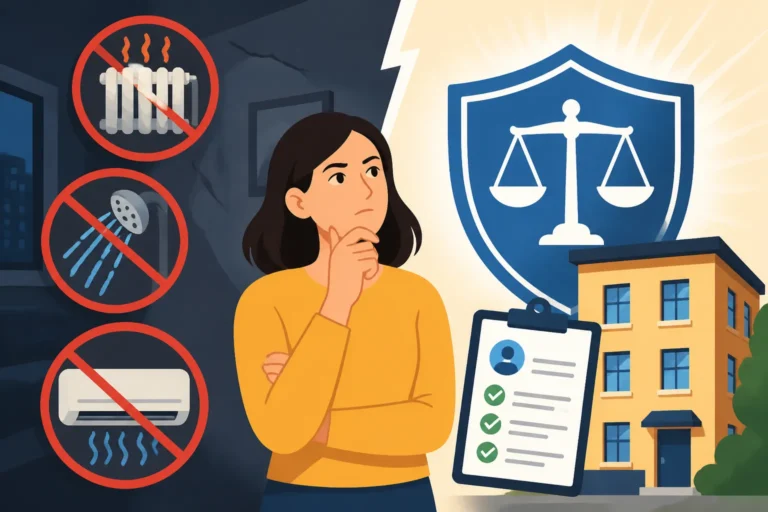
One of the most fundamental principles in landlord-tenant law across the United States is the "implied warranty of habitability." This isn't something that needs to be explicitly written into your lease; it's a legal assumption that your landlord guarantees your rental property is safe, sanitary, and fit for human habitation. It means that the landlord must maintain the property to certain standards, regardless of what your lease might or might not say.
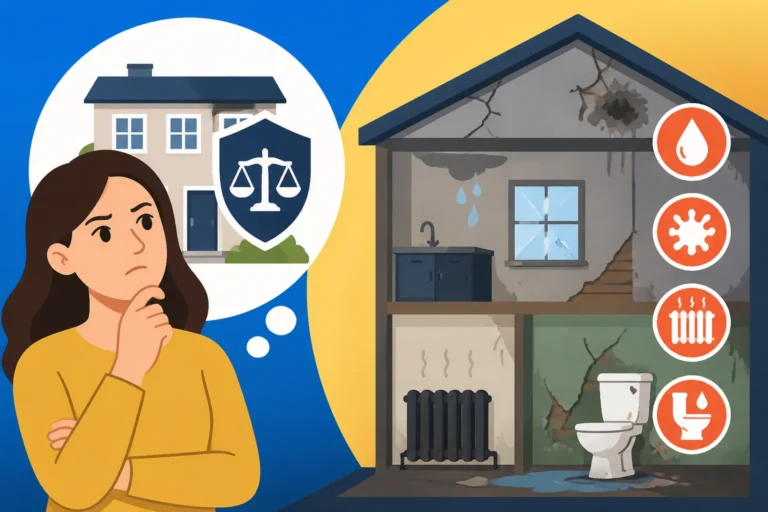
Think of it this way: when you rent a home, you're not just renting four walls and a roof. You're renting a living space that should provide basic necessities. This includes things like structural soundness, safe electrical wiring, working plumbing, heat in winter, hot water, and reasonable protection from pests. If your apartment has a gaping hole in the roof, a persistent bed bug infestation, or non-functional plumbing, these are clear violations of the implied warranty of habitability. It's not about making your place fancy, but ensuring it meets a baseline for living. If you're dealing with conditions that make your home unsafe or unhealthy, it's a serious matter, and understanding the Implied Warranty of Habitability Explained can clarify your standing.
Distinguishing Between Landlord and Tenant Repairs
While the implied warranty of habitability sets a baseline, it's also important to understand where the landlord's responsibility ends and yours begins. Generally, landlords are responsible for maintaining the structural components of the property, major systems like heating, plumbing, and electricity, and ensuring common areas are safe. They also typically handle repairs to appliances that came with the rental, like refrigerators or stoves, unless the damage was caused by your misuse.
On the other hand, tenants are usually responsible for minor repairs and maintenance that fall under "keeping the premises clean and safe." This might include replacing light bulbs, unclogging a minor drain (that wasn't caused by a structural issue), or dealing with damages you or your guests caused. If your cat scratched up the carpet, that's likely on you. If the roof leaks every time it rains, that's definitely on the landlord. Clear communication about who is responsible for what can prevent headaches down the line, but generally, anything that affects the habitability of the unit is the landlord's burden.
Essential vs. Non-Essential Repairs
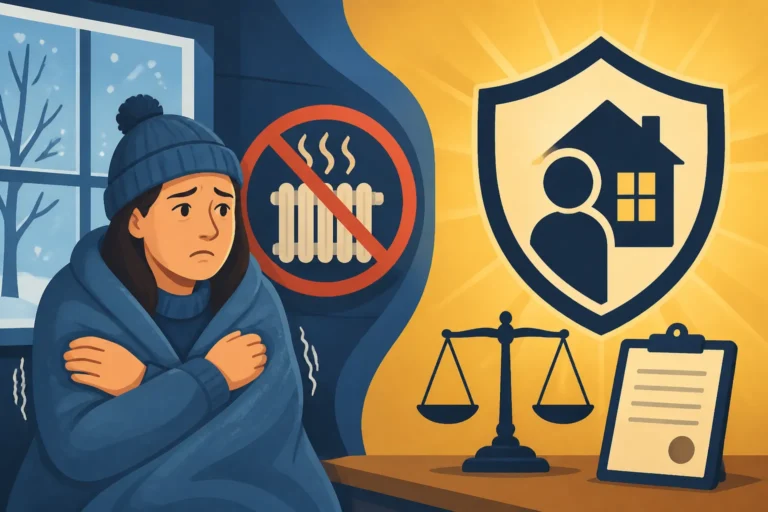
Not all repairs are created equal, and the urgency often dictates how quickly your landlord needs to act. Essential repairs are those that affect your health, safety, or the basic habitability of your unit. This category includes things like no heat in freezing temperatures, a lack of running water, a significant electrical hazard, or a broken lock on your entry door. These are emergencies that require immediate attention. In most states, landlords are given a very short timeframe to address these, often within 24-72 hours.
Non-essential repairs, while still important for comfort and functionality, don't pose an immediate threat to your well-being. A leaky faucet, a broken dishwasher, or a crack in a window that isn't letting in significant drafts would fall into this category. Landlords typically have more time to fix these, usually ranging from 7 to 30 days, depending on your state's laws. It's crucial to know How Long Does a Landlord Have to Make Repairs? (By State) because these timelines are legally binding. While a responsible property owner might have landlord insurance from a provider like Steadily to cover unexpected major damages, this insurance typically doesn't excuse them from their duty to respond to tenant repair requests promptly.
Documenting the Problem Effectively
When it comes to getting repairs done, especially if your landlord is dragging their feet, documentation is your best friend. Without a clear paper trail, it's often your word against theirs. This section will walk you through creating an ironclad record that can protect you and push your landlord to act.
The Power of Written Communication
Forget phone calls and casual hallway chats. If you want a repair issue to be taken seriously and to have a verifiable record, you must put everything in writing. This means emails, certified letters, or using a tenant portal that logs communication. A verbal agreement or conversation is notoriously difficult to prove in court, whereas a written message provides a timestamped record of your request, when it was sent, and what it contained.
A clear, concise, and polite written request leaves little room for misunderstanding. It should state the date, the specific problem, where it's located, and how it impacts your living situation. For instance, instead of "My shower is broken," write, "On October 26, 2024, the hot water knob in the master bathroom shower stopped turning, making it impossible to take a hot shower. This has been an ongoing issue since October 20." This level of detail is critical. Many online platforms, some even provided by services like TurboTenant, can facilitate these written communications, creating a formal record for both parties. Understanding How to Request Repairs in Writing is a fundamental skill for any renter.
Gathering Evidence: Photos, Videos, and Witness Testimony
Beyond written requests, visual evidence is incredibly powerful. A picture truly is worth a thousand words, especially when dealing with property damage or disrepair. As soon as you notice a problem, take clear photos and videos. Make sure these include a timestamp if possible, or create a quick video where you state the date and time. Capture the extent of the damage, and show how it affects the functionality of the item or area. For example, if you have a leaky pipe, show the leak itself, any water damage to the surrounding area, and perhaps a bucket catching water to demonstrate its severity.
Don't stop at just visuals. If the issue is something that affects others, like a pervasive mold smell in a shared hallway or a constantly overflowing dumpster, consider if there are any witnesses. Ask a trusted friend or neighbor if they'd be willing to corroborate your claims, should it come to that. Keeping a file of all this evidence, organized by date, is crucial for building your case. This detailed approach is highlighted in guides like How to Document Repair Problems.
Keeping a Detailed Communication Log
A communication log is your personal diary of all interactions related to the repair. This isn't just about your initial request, but every single follow-up, every phone call (with notes on who you spoke to and what was discussed), every text message, and every email. For each entry, record the date, time, method of communication, who you spoke with (if applicable), and a brief summary of the conversation or message.
Imagine this: you call your landlord, "John," on Tuesday, November 5th, at 2:15 PM, and he promises to send someone "next week." You should log that. If no one shows up, you then have a record of his broken promise. This log becomes invaluable if you need to escalate the issue to a housing authority or court. It demonstrates a consistent effort on your part to get the problem resolved and shows a pattern of inaction from the landlord. This meticulous record-keeping is what separates a strong case from a weak one.
Step-by-Step Guide to Requesting Repairs
Once you've got your ducks in a row concerning your rights and how to document, it's time to take action. There's a proper sequence to follow to ensure your requests are taken seriously and to build a strong case if they aren't.
Initial Written Request
The very first step is always a polite, clear, and comprehensive written request. This isn't the time for emotional outbursts, no matter how frustrated you are. Stick to the facts. Address the letter or email directly to your landlord or property management company. Include your full name, apartment number, and the date. Clearly describe the problem, its location, and any impact it's having on your ability to live comfortably or safely.
For example, if your oven isn't working, write: "Dear [Landlord's Name], I am writing to formally request a repair for the oven in my unit, Apartment [Your Unit Number], located at [Your Address]. As of [Date you noticed problem], the oven has ceased to heat properly, making it impossible to cook. This issue affects a primary appliance and requires attention to ensure the habitability of my unit. Please arrange for its repair as soon as possible. You can reach me at [Your Phone Number] or [Your Email]." Include any attached photos or videos you've taken. Always keep a copy for your records, and if sending via mail, consider certified mail with a return receipt for undeniable proof of delivery.
Following Up and Sending Reminders
If you don't hear back within a reasonable timeframe (which can vary depending on the urgency of the repair and your state's laws, but generally 24-72 hours for emergencies, 7-14 days for non-emergencies), it's time to follow up. Don't assume your landlord received your message or is actively working on it. Your follow-up should also be in writing. Reference your initial request, including the date it was sent.
A follow-up email might look like this: "Dear [Landlord's Name], This is a follow-up to my repair request dated [Date of initial request] regarding the non-functioning oven in Apartment [Your Unit Number]. I have not yet received an update or confirmation of a repair schedule. Please provide an estimated timeline for this repair, as it continues to significantly impact my ability to use the kitchen. I look forward to your prompt response." Continue to log all these interactions. Sometimes, landlords are simply busy or disorganized, and a persistent, polite reminder is all it takes to get them moving.
Formal Demand Letters
If your landlord continues to ignore your requests after a polite follow-up or two, it's time to escalate to a more formal demand letter. This letter signals that you understand your rights and are prepared to take further action. It should explicitly mention the specific lease clause or state law regarding repairs (like the implied warranty of habitability). You'll reiterate the problem, list all your previous attempts to contact them (referencing dates from your communication log), and state a firm deadline for the repair to be completed.
Crucially, in a formal demand letter, you might also mention the potential consequences of continued inaction. These consequences could include Withholding Rent for Repairs or initiating a "Repair and Deduct by State" action, if allowed in your area, or reporting them to local housing authorities. This letter should be sent via certified mail with a return receipt requested, so you have proof it was received. While you don't want to sound aggressive, this letter needs to convey seriousness and your intent to protect your tenancy. Always keep a copy of this letter and the certified mail receipt.
Legal Avenues When Landlords Fail to Act
When polite requests and formal demand letters don't work, you're left with options that might feel daunting, but are often necessary. These legal avenues are designed to protect tenants when landlords neglect their responsibilities.
Withholding Rent or Repair and Deduct
These are two serious options that have specific legal requirements and risks, and they are not available in all states. Withholding rent means you stop paying rent (or pay it into an escrow account) until the repairs are made. This is usually only permissible for significant issues that make the unit uninhabitable, and often requires specific legal notice to the landlord. If done incorrectly, you could face eviction for non-payment of rent. It's truly a last resort and something you should research extensively, especially your state's specific laws, before attempting.
The repair and deduct option, where legal, allows you to arrange for the repair yourself and then deduct the cost from your next rent payment. Again, this usually applies only to essential, major repairs, and there are often limits on how much you can deduct (e.g., one month's rent). You typically need to give your landlord proper notice and a reasonable opportunity to make the repair first. For example, if your furnace breaks in Chicago in January, and your landlord ignores your certified letters for a week, Illinois law might permit you to hire a licensed HVAC technician, pay for the repair, and then subtract that cost from your next rent payment, provided you follow strict procedures and keep all receipts. Before taking either of these steps, you absolutely must verify the legality and specific procedures in your state or city. Resources like Repair and Deduct by State and Withholding Rent for Repairs can provide crucial, detailed information.
Contacting Housing Authorities or Code Enforcement
If your landlord is unresponsive and the repair issue involves health or safety violations, contacting your local housing authority or code enforcement office is a powerful step. These government agencies are responsible for ensuring rental properties meet minimum safety and building standards. They can inspect your unit, cite your landlord for violations, and order them to make repairs within a specified timeframe.
For example, if you have a severe mold problem in your apartment in San Francisco, you could contact the Department of Building Inspection. They would send an inspector to verify the issue. If violations are found, they will issue a notice to the landlord, demanding compliance. Non-compliance can lead to fines for the landlord. This method is often very effective because it comes with governmental authority and potential financial penalties for the landlord. Be sure to document all communications with these agencies as well, just as you would with your landlord. Learning How to Report a Landlord (Code Violations & Retaliation) is a critical step in this process.
Suing Your Landlord in Small Claims Court
If all else fails and you've suffered damages due to your landlord's negligence – perhaps you had to stay in a hotel because there was no heat, or your personal property was damaged by a leak they refused to fix – you might consider suing them in small claims court. Small claims court is designed for individuals to resolve disputes without needing an attorney, though you always have the right to seek legal counsel.
In small claims court, you can sue for the cost of repairs, reimbursement for temporary housing, compensation for damaged personal property (this is where having renter's insurance, like a policy from Lemonade, could protect your belongings, but you might still seek to recover your deductible or uninsured losses from the landlord), and in some egregious cases, even for mental anguish or punitive damages if allowed by your state. You'll need all your documentation: repair requests, communication logs, photos, videos, receipts for any expenses incurred, and proof of damages. While it can be intimidating, a well-documented case stands a good chance. Information on Suing a Landlord for Your Deposit (Small Claims & Penalties) can offer insights into the court process, even if your case isn't directly deposit-related.
Preventing Future Repair Headaches
The best defense is a good offense, right? Taking proactive steps can significantly reduce your chances of dealing with a difficult landlord and neglected repairs in the first place.
Thorough Move-In Inspections
The moment you get the keys, before you even move in a single box, conduct an extremely thorough move-in inspection. This is your chance to document the condition of the property before you become responsible for it. Walk through every single room, open every cupboard, test every appliance, flush every toilet, and turn on every faucet. Look for pre-existing damage like scuffs on walls, stained carpets, leaky pipes, or broken fixtures.
Take copious photos and videos of everything, paying special attention to areas that already show wear and tear. Your landlord should provide a move-in checklist or inspection report; fill it out meticulously, noting every single imperfection, even minor ones. If they don't provide one, create your own comprehensive list and ask your landlord to sign and date it, acknowledging its accuracy. This detailed record is invaluable when it comes time to move out and prevent your landlord from charging you for pre-existing issues from your security deposit. Think of it as your first line of defense against future disputes. Our Move-In / Move-Out Inspection Guide has all the details you need to ace this crucial step.
Here's a quick checklist to help you during your move-in inspection:
| Area/Item | What to Check For | Documentation Tips |
|---|---|---|
| Walls & Ceilings | Cracks, holes, scuffs, water stains, peeling paint, signs of mold | Close-up photos, wide-angle shots. Video panning across surfaces. |
| Flooring | Stains, tears, excessive wear, warped boards, squeaks | Photos of each room's floor, especially damaged areas. |
| Windows & Doors | Cracks in glass, broken locks, difficulty opening/closing, drafts, screen damage | Test all locks. Show any damage in photos. |
| Appliances | Functionality (heat, cool, cycle), dents, scratches, missing parts, leaks | Test functionality (run dishwasher, oven, fridge). Photo inside/out. |
| Plumbing | Leaks (under sinks), water pressure, hot water (wait for it!), drain speed, clogs | Run all faucets, flush toilets. Take video of water flow. Check under sinks for moisture. |
| Electrical | Working outlets (test with a phone charger), light fixtures, switches, GFI outlets | Test every outlet. Photos of any broken covers or non-working fixtures. |
| Bathrooms | Grout condition, mold, shower head function, toilet flush, fan | Photos of shower tiles, toilet. Video of flush. |
| HVAC | Heating/AC functionality, strange noises, filter condition | Turn on both. Note any issues. |
| Pest Control | Signs of pests (droppings, nests, dead bugs) | Photos of any evidence. |
Knowing Your State's Laws
Landlord-tenant laws vary significantly from state to state, and even city to city. What's legal in Texas might be illegal in California, and vice-versa. For example, some states have very clear guidelines on the maximum amount of time a landlord has to make repairs, while others are more vague, using terms like "reasonable time." Some states allow you to withhold rent or "repair and deduct" under specific circumstances, while others strictly prohibit it.
Ignorance of these laws is not a defense, either for you or your landlord. Take the time to research your local tenant rights. Many states have legal aid societies or non-profit organizations that offer free or low-cost advice on landlord-tenant matters. Websites for your state's attorney general's office or consumer protection division often have tenant handbooks available. Understanding the specifics, such as Tenant Rights With No Heat in Winter or What Is Considered Uninhabitable? in your specific location, is essential for advocating for yourself effectively. Being informed about these nuances is the strongest tool in your arsenal to ensure your landlord fulfills their obligations.
Disclaimer
Please remember that this guide provides general information about landlord-tenant laws and repair procedures. Landlord-tenant laws vary significantly by state, county, and city. This content is not legal advice, and you should consult with a qualified attorney or local housing authority for advice specific to your situation and jurisdiction.