Landlord vs Tenant Repair Responsibilities
It’s a tale as old as time for renters and landlords alike: that dripping faucet, the flickering light, or the mysterious stain that appears out of nowhere. Who’s responsible for fixing it? This question often sparks confusion, frustration, and sometimes, outright conflict. Navigating the murky waters of landlord-tenant repair responsibilities can feel like deciphering an ancient scroll, especially when you’re just trying to live comfortably or maintain your investment. This comprehensive guide is here to clear the air, breaking down exactly who is on the hook for what, and what steps you can take when things go wrong.
Understanding the Implied Warranty of Habitability
Before we dive into specific responsibilities, it's crucial to grasp a foundational concept in landlord-tenant law: the implied warranty of habitability. This isn't usually something explicitly written in your lease, but it's a legal principle that applies to nearly all residential rental agreements, regardless of what the lease might say. It essentially means that landlords are legally obligated to provide and maintain a safe, clean, and livable dwelling for their tenants.
What the Warranty Means for Tenants
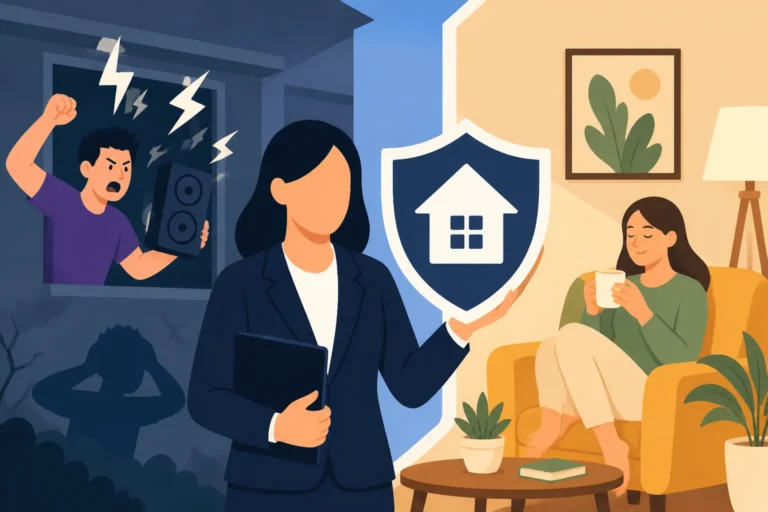
For you, the tenant, the implied warranty of habitability is your shield, ensuring that your rental home meets basic health and safety standards. It means you have a right to a place that isn't just a roof over your head, but a home in every sense of the word—one that’s fit for human occupation. This isn't about luxury; it's about fundamental necessities. Think of it this way: if a property is legally considered uninhabitable, it means it poses a significant risk to your health, safety, or well-being, or it lacks essential services that make it impossible to live there.
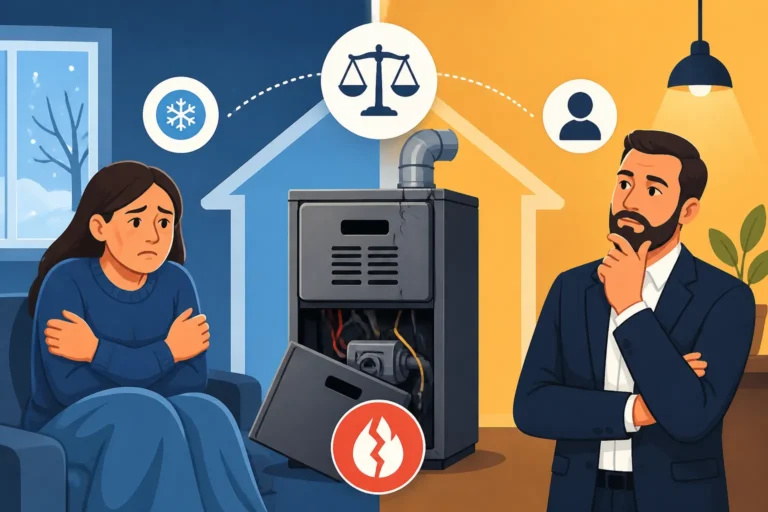
This can include things like a functioning heating system during winter, a reliable source of hot and cold water, adequate sanitation facilities, and structural integrity. For example, if your furnace conks out in January in a state like Minnesota, leaving you without heat, that's almost certainly a breach of the implied warranty. The expectation is that the landlord will take timely action to rectify such issues, ensuring the property remains suitable for living.
Common Breaches of Habitability
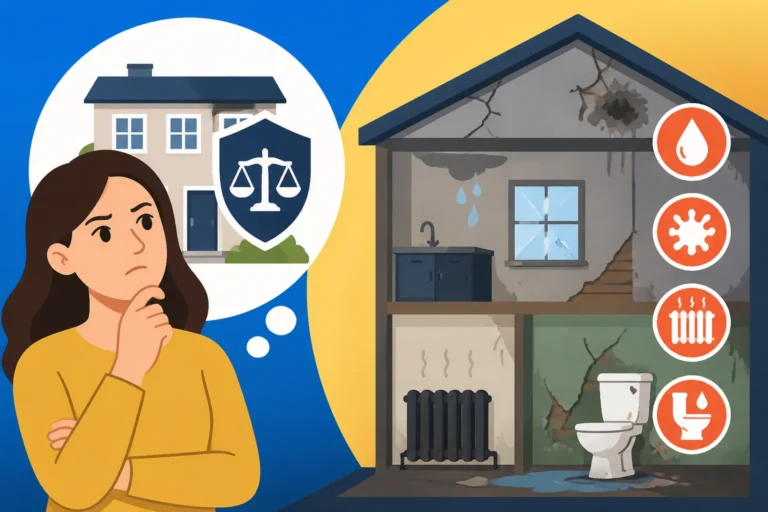
So, what specifically falls under a breach of this warranty? It's more than just a minor inconvenience. We're talking about serious issues that directly impact your ability to live safely and comfortably. For instance, a persistent lack of essential utilities such as heat, hot water, or electricity would be a major breach. Imagine waking up in an unheated apartment in Chicago in February, or trying to bathe your kids without hot water for days on end. These aren't just annoying; they are health and safety concerns.
Severe structural problems like a leaky roof that causes widespread water damage, dangerous wiring, or a crumbling foundation are also clear violations. Beyond physical structures, infestations of pests like rodents, cockroaches, or bed bugs can render a property uninhabitable, especially if they are severe and the landlord fails to address them effectively. Additionally, environmental hazards like lead paint, asbestos, or significant mold growth that impact air quality or cause illness would also be considered breaches. It's important to remember that state laws often have specific guidelines regarding what constitutes a breach, so it’s always wise to understand your local regulations on the Implied Warranty of Habitability Explained.
State Variations and Local Codes
While the implied warranty of habitability is a widespread legal concept, the specific details and standards can vary quite a bit from one state to another, and even between cities or counties. What's considered an "emergency repair" in California, where a landlord might have 24 hours to fix it, could be different from the timeframe in a less populated area of Texas. These variations often dictate the speed and scope of required repairs.
Some states, like Massachusetts or New York, have very robust tenant protection laws that provide detailed lists of what landlords must maintain, including specific temperature requirements during colder months. Others might be less prescriptive, relying more on general terms like "safe and sanitary." Local building codes and health ordinances also play a significant role. For example, a city's housing department might have strict rules about pest control or the frequency of trash collection that go beyond state statutes. When you’re dealing with a repair issue, it’s always best to check your state’s specific Landlord Repair Responsibilities What They Must Fix and any local ordinances to understand your precise rights and your landlord's obligations.
Landlord's Primary Repair Obligations
Generally speaking, landlords are responsible for maintaining the structural integrity of the property and ensuring all essential systems are in good working order. This encompasses the big-ticket items and those critical to basic living standards.
Structural and Essential Systems
When you rent a home, you expect the roof not to leak, the walls not to crumble, and the plumbing to function without issue. These are core responsibilities of a landlord. They are typically on the hook for maintaining the foundation, exterior walls, roof, and windows to ensure they are weatherproof and secure. This isn't just about aesthetics; it's about preventing water damage, ensuring insulation, and keeping the elements out.
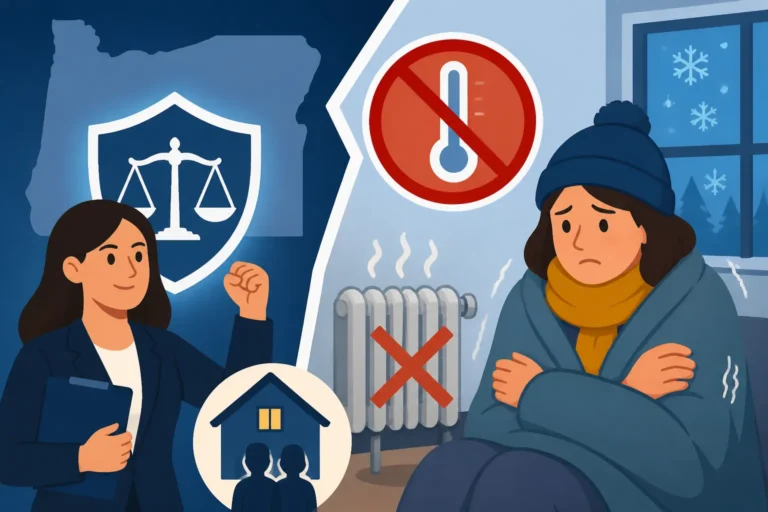
Beyond the physical shell of the building, essential utility systems fall squarely into the landlord's court. This includes maintaining electrical wiring to prevent hazards, ensuring the plumbing system delivers hot and cold running water and drains properly, and keeping the heating system (like a furnace or boiler) in good repair. In many areas, especially those with colder climates, a functional heating system is a non-negotiable aspect of habitability. If your apartment loses heat in the middle of winter, your landlord is generally obligated to fix it promptly, often within a very strict timeframe, as outlined in articles like Tenant Rights With No Heat in Winter.
Appliances Provided by the Landlord
Many rental units come equipped with appliances like a refrigerator, stove, dishwasher, or even a washer and dryer. If these appliances are included in the rental agreement as part of the unit (meaning they were there when you moved in and are listed in the lease or implicitly part of the rental), then their repair and maintenance typically fall to the landlord.
This means if the refrigerator stops cooling, the oven won't heat, or the washing machine floods the laundry room, it's generally the landlord's job to fix or replace them. However, it's crucial to check your lease agreement. Sometimes, a lease might specify that certain appliances are provided "as-is" or that tenant is responsible for their repair. While this can sometimes be a gray area, especially if an "as-is" clause attempts to circumvent the implied warranty of habitability for essential items, it's always the first place to look. Generally, if it came with the unit and is essential, the landlord is responsible.
Common Areas and Safety
For tenants living in multi-unit buildings, like apartments or condominiums, landlords have additional responsibilities for common areas. These are spaces shared by all tenants, such as hallways, stairwells, lobbies, elevators, laundry rooms, and parking lots. The landlord is responsible for keeping these areas safe, clean, and well-maintained.
This often includes ensuring adequate lighting in hallways and stairwells, maintaining elevators, keeping laundry facilities in working order, and addressing any tripping hazards or structural issues. Pest control in common areas is also usually the landlord’s responsibility, as individual tenants cannot control infestations that originate or spread through shared spaces. For instance, if the main stairwell light goes out, creating a safety risk, or if there's a rat problem originating in the building's basement, it's on the landlord to resolve these issues. This extends to security measures, like ensuring exterior doors lock properly or that fire safety equipment is present and functional.
Tenant's Repair and Maintenance Responsibilities
While landlords handle the major structural and system-wide issues, tenants also have a role to play in maintaining the property. This generally boils down to keeping the unit clean and being responsible for damage caused by their own actions.
Keeping the Premises Clean and Sanitary
As a tenant, you have a basic responsibility to keep your rental unit clean and sanitary, preventing conditions that could lead to damage or infestations. This isn't just good etiquette; it's often a lease requirement and a legal obligation. This means regularly disposing of trash, keeping kitchen and bathroom surfaces clean to prevent mold or pests, and generally maintaining the cleanliness of the apartment.
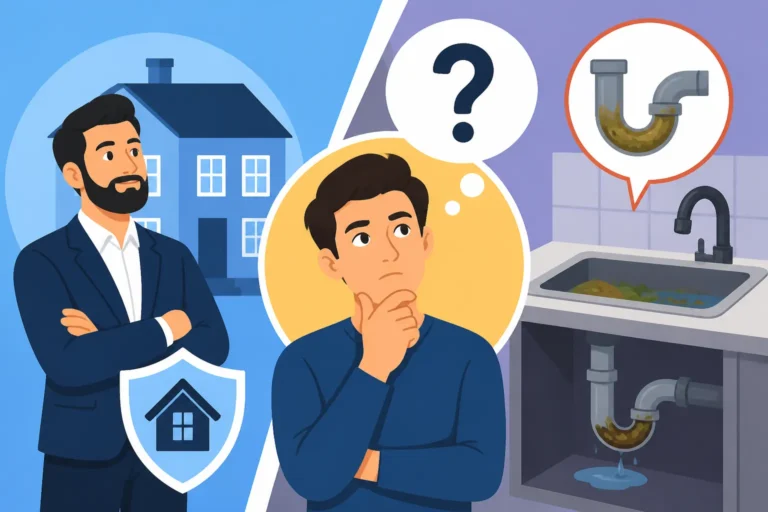
For example, if a clogged drain is caused by an excessive build-up of hair or grease from your usage, clearing that minor clog is typically the tenant's responsibility. It's about exercising reasonable care and not letting preventable issues escalate. Failing to maintain basic cleanliness, which then leads to a pest infestation, could shift some of the responsibility (and cost) for remediation onto the tenant, depending on the severity and origin of the problem. Your lease will often spell out these expectations clearly, sometimes with specific cleaning duties required at move-out, which can impact your Security Deposit Deductions Full List of Allowed Charges.
Minor Repairs and Maintenance
Beyond general cleanliness, tenants are usually responsible for minor repairs and routine maintenance items that don't require specialized skills or significant cost. These are the small things that naturally come with living in a home. This can include replacing burnt-out light bulbs, changing air filters in the HVAC system (if accessible), and replacing batteries in smoke detectors or carbon monoxide detectors.
If a toilet handle breaks from normal use, or a window screen gets a small tear, these might also fall under the tenant's purview, though some landlords might choose to handle them. The key is that these are minor, easily fixed issues that don't impact the overall habitability of the unit. It’s always a good idea to clarify these types of responsibilities with your landlord at the beginning of your tenancy, perhaps using a tool like TurboTenant to review your lease's specific clauses on maintenance.
Damage Caused by Tenant Negligence or Misuse
This is where the line often blurs and sparks disputes. Tenants are generally responsible for repairing damage to the property that they, their guests, or their pets cause through negligence, abuse, or intentional acts. This is distinct from "normal wear and tear," which we'll discuss next.
Imagine you accidentally drop a heavy pot and crack a tile in the kitchen, or your child draws all over a wall with permanent marker. These are examples of tenant-caused damage. If a party gets out of hand and a window is broken, or a pet repeatedly scratches a door frame, the tenant is typically liable for the repair costs. The critical distinction is that this damage goes beyond what would naturally occur over time with careful use. Your landlord might use your security deposit to cover these types of repairs, which is why understanding What Can a Landlord Deduct From a Security Deposit is crucial.
Differentiating Normal Wear and Tear vs. Damage
This distinction is perhaps the most common point of contention when a tenant moves out and the landlord assesses the property for security deposit deductions. Understanding the difference is key to protecting your deposit and avoiding unnecessary disputes.
Defining Normal Wear and Tear
"Normal wear and tear" refers to the deterioration that naturally occurs over time due with the regular, careful use of a property, even if a tenant has been meticulously clean and responsible. These are the small, unavoidable signs of aging that happen simply from people living in a space. Examples include minor scuffs or scrapes on walls that can be easily painted over, faded paint from sunlight, small nail holes from hanging pictures, or the slight loosening of doorknobs.
Even things like slightly worn carpet paths in high-traffic areas, or the gradual yellowing of appliance finishes, typically fall under normal wear and tear. These are not considered damage caused by the tenant and therefore cannot be deducted from a security deposit. The idea is that the landlord would eventually have to repair or replace these items as part of routine property maintenance, regardless of who lived there. Many states have guidelines for what constitutes normal wear and tear versus damage, which can sometimes be found in resources like Normal Wear and Tear vs Damage Complete Guide.
What Constitutes Tenant Damage
In contrast to normal wear and tear, tenant damage is anything that goes beyond this expected deterioration and indicates misuse, abuse, or neglect. This type of damage requires repair beyond routine maintenance and is directly attributable to the tenant's actions or inaction.
Examples include large holes in walls (beyond small nail holes), deeply stained or torn carpets, broken windows, missing fixtures, burn marks on countertops or floors, excessive mold growth due to poor ventilation or extreme uncleanliness, or pet damage like deep scratches or urine stains that saturate flooring. If a landlord had to replace an entire carpet because of a large, irreparable pet stain, that would be considered tenant damage, not normal wear. This distinction is often the battleground for deposit disputes, making clear documentation at move-in and move-out incredibly important.
Impact on Security Deposit
The distinction between normal wear and tear and tenant-caused damage directly impacts what a landlord can legally deduct from your security deposit. Landlords cannot deduct for normal wear and tear. These costs are part of their operating expenses as property owners.
However, they can deduct for any damage caused by the tenant, their guests, or pets that goes beyond normal wear. For instance, if the oven door glass is cracked, the landlord can deduct the cost of replacing it. If the entire stove needed replacing due to tenant misuse, that cost could also be deducted. The challenge often lies in proving the nature of the damage. This is why a thorough Move-In / Move-Out Inspection Guide is invaluable. Documenting the condition of the property with photos and videos before you move in, and again when you move out, can save you a lot of headache and money. If you believe your landlord has wrongfully withheld your deposit, you might need to send a Security Deposit Demand Letter How-To + Template.
The Process for Requesting and Making Repairs
Knowing who is responsible is only half the battle. The other half is understanding the proper process for getting repairs done. Following the correct steps protects your rights as a tenant and gives your landlord a fair chance to address issues.
Notifying Your Landlord in Writing
The single most critical step when you discover a repair issue is to notify your landlord, and to do so in writing. While a quick phone call might seem easiest, it leaves no paper trail. A written notice, whether via email, certified mail, or a tenant portal message, creates an undeniable record that you informed your landlord of the problem and when.
Your notice should clearly describe the issue, when it occurred (if known), and how it affects your living conditions. For example, instead of just saying "the shower is broken," you would write, "The shower in the master bathroom has been leaking continuously for three days, causing water to pool on the bathroom floor and potentially damaging the subfloor. This makes the bathroom unusable and creates a slip hazard." Include specific dates and request a timeline for the repair. Always keep a copy for your records. This written communication can be your strongest evidence if the issue escalates, especially if you need to understand How to Dispute Security Deposit Deductions later.
Landlord's "Reasonable Time" to Respond and Repair
Once notified, landlords are generally given a "reasonable time" to respond and make necessary repairs. What constitutes "reasonable" largely depends on the severity of the issue and state law. For emergency repairs that affect habitability (like no heat in winter, a major plumbing leak, or unsafe electrical issues), the timeframe is usually much shorter, sometimes as little as 24-72 hours. Non-emergency repairs, such as a broken dishwasher or a leaky faucet that isn't causing major damage, might have a longer "reasonable time," perhaps 7-30 days, depending on the jurisdiction.
For example, in California, landlords typically have 24 hours for emergency repairs like no heat or running water, and 30 days for less urgent repairs. In Texas, a landlord has a "reasonable time" which is usually considered about 7 days after receiving written notice, depending on the nature of the repair. It's important to know your state's specific rules on How Long Does a Landlord Have to Make Repairs By State. If your landlord is unresponsive, a follow-up in writing is always a good idea. Property management software, which many landlords use (and some use Steadily to manage their properties efficiently), often tracks these communications, which can be helpful.
Tenant Options When Landlord Fails to Repair
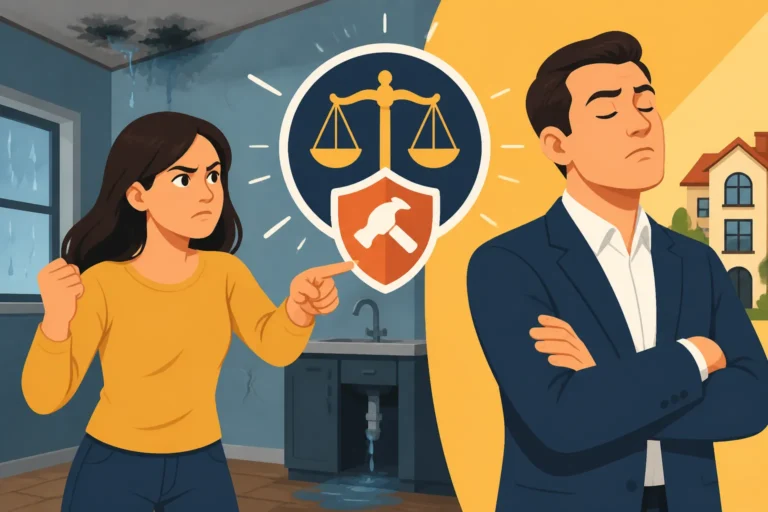
If your landlord fails to make necessary repairs within a reasonable timeframe after proper written notification, you have options, but these must be pursued carefully to avoid violating your lease or landlord-tenant laws. These options vary by state and severity of the issue, and typically require the landlord's failure to address a habitability issue.
Common remedies include:
- Repair and Deduct: In some states, for certain types of repairs, you might be able to pay for the repair yourself and deduct the cost from your next rent payment. This is usually allowed for essential services and often has strict limits on the amount you can deduct or the number of times you can use this remedy per year. The rules for Repair and Deduct by State are very specific, and missteps can lead to serious legal consequences, including eviction.
- Withholding Rent: In very serious cases of a landlord's failure to maintain habitability, some states allow tenants to withhold rent. However, this is extremely risky and can lead to eviction if not done precisely according to state law, often requiring the rent to be placed in an escrow account. This should only be considered as a last resort and with legal counsel. More information can be found in our guide on Withholding Rent & Rent Escrow.
- Breaking the Lease: If the conditions are so severe that the unit is deemed uninhabitable and the landlord fails to remedy them, you might have grounds to break your lease without penalty. This is known as "constructive eviction." Again, this is a serious step with potential legal ramifications if not handled correctly. Our article on Breaking a Lease Due to Mold or Uninhabitable Conditions provides further context.
- Suing the Landlord: You may have the option to sue your landlord in small claims court for damages resulting from their failure to repair, or to force them to make the repairs.
Before taking any of these actions, especially repair and deduct or withholding rent, it is highly advisable to seek legal advice from a local tenant rights organization or attorney.
Special Considerations and Nuances
Landlord-tenant relationships are rarely black and white, and several factors can introduce additional complexity to repair responsibilities.
Lease Agreement Clauses
Your lease agreement is the contract that governs your tenancy, and it often contains specific clauses related to repairs and maintenance. While the implied warranty of habitability overrides any lease clause that attempts to make a tenant responsible for maintaining uninhabitable conditions, the lease can still define other responsibilities. It might specify who is responsible for yard maintenance, minor appliance repairs, or even certain pest control issues.
For example, a lease might explicitly state that the tenant is responsible for changing HVAC filters or maintaining smoke detector batteries. It could also outline procedures for requesting repairs, including the required method of notification (e.g., email only, or through a specific online portal). Always read your lease carefully and understand these clauses before signing. If there's anything ambiguous or concerning, clarify it with your landlord before moving in. A well-written lease is beneficial for both parties in setting clear expectations, which is something platforms like TurboTenant aim to help landlords with.
Emergency Repairs
Not all repairs are created equal. An "emergency repair" typically refers to an issue that immediately threatens a tenant's health or safety, or renders the unit uninhabitable. This could include a burst pipe flooding the apartment, a broken main heating system in freezing temperatures, a severe electrical short that poses a fire risk, or a broken lock on the main entry door that compromises security.
For these types of emergencies, the landlord often has a legal obligation to respond and address the problem much more quickly than for non-emergency issues. Some states mandate a response within 24-72 hours. In such situations, it’s still important to notify your landlord in writing, even if you follow up with a phone call for immediate action. If the landlord is unresponsive to a true emergency, some state laws may allow for specific actions, like calling an emergency service and seeking reimbursement, but these actions come with their own set of rules and risks. Knowing What Counts as an Emergency Repair can help you assess the situation accurately.
Pest Infestations
Pest infestations can be a particularly tricky area. Generally, if an infestation (like cockroaches, rodents, or bed bugs) is present when the tenant moves in, or if it originates from a common area in a multi-unit building, the landlord is usually responsible for extermination. This falls under their duty to maintain a habitable living space.
However, if the infestation is clearly caused by the tenant's lack of cleanliness or negligence (e.g., leaving out food, not disposing of trash properly, or bringing in infested furniture without proper treatment), then the responsibility for pest control might shift to the tenant. Bed bugs, in particular, often lead to disputes, as it can be difficult to pinpoint their origin. Some states have specific laws regarding Bedbugs & Pest Control Responsibility, often requiring landlords to pay for treatment unless it can be proven the tenant caused the infestation. Thorough documentation, including photos and professional reports, can be crucial in these scenarios.
Renters Insurance
While not directly a repair responsibility, renters insurance is an incredibly important consideration for tenants in relation to repairs and unexpected events. Renters insurance, like policies offered by Lemonade, typically covers your personal belongings from damage due to perils like fire, theft, or certain types of water damage. More importantly, it often includes liability coverage.
Imagine a scenario where a pipe bursts in your apartment due to a maintenance issue your landlord was responsible for, and your personal belongings are destroyed. Your landlord's insurance covers damage to the building, but not necessarily your personal items. Your renters insurance would step in to cover the cost of replacing your damaged property. Furthermore, if you accidentally cause damage to the property (e.g., you leave a tub running and cause a flood that damages the apartment below), your liability coverage could help cover those repair costs, protecting you from significant out-of-pocket expenses. It's a small monthly cost that can offer immense peace of mind and financial protection.
| Responsibility Area | Landlord Responsibility | Tenant Responsibility | Key Considerations |
|---|---|---|---|
| Structural Integrity | Roof, foundation, walls, windows, doors | Reporting issues promptly | Must maintain habitability; tenant not liable for normal wear and tear. |
| Essential Utilities | Plumbing, electrical, heating, hot water | Reporting outages/issues, preventing clogs from misuse | Crucial for habitability; state laws dictate repair urgency. |
| Major Appliances | Repairs/replacement of landlord-provided appliances (fridge, stove) | Proper use, basic cleaning, reporting malfunctions | Check lease; usually landlord's duty if included with unit. |
| Common Areas | Maintenance, lighting, safety, pest control (multi-unit) | Keep shared spaces tidy, report hazards | Landlord's duty to ensure shared spaces are safe and functional. |
| Minor Maintenance | N/A (unless specified in lease) | Light bulbs, smoke detector batteries, air filters, minor clogs | Usually tenant's duty; check lease. |
| Damage | Normal wear and tear, pre-existing issues | Damage due to negligence, misuse, or intentional acts (by tenant/guests/pets) | Normal wear is landlord's cost; tenant pays for damage. Document move-in/out condition meticulously. |
| Pest Control | Existing infestations, common area infestations | Infestations due to tenant uncleanliness/negligence | Can be complex; depends on origin and state law. |
| Notice & Communication | Responding to repair requests, providing notice of entry | Providing written notice of repair needs, clear communication | Written communication is paramount for legal protection. |
Disclaimer
Please remember that this article provides general information and guidance on landlord-tenant repair responsibilities. Landlord-tenant laws vary significantly by state and even by municipality. This content should not be considered legal advice. Always consult with a qualified attorney or local housing authority for advice specific to your situation and jurisdiction.