How to Report a Landlord (Code Violations & Retaliation)
It's incredibly frustrating when you're dealing with a landlord who seems to ignore their basic responsibilities, whether it's letting the property fall into disrepair or trying to get even with you for simply asking for a safe living space. You pay your hard-earned money for a home, and you deserve to have a landlord who upholds their end of the bargain. This comprehensive guide is here to walk you through the often confusing and intimidating process of understanding your rights, documenting issues, and reporting a landlord for legitimate code violations or illegal retaliatory actions.
Understanding Your Rights as a Tenant
Before you even think about reporting your landlord, it's crucial to understand the legal ground you stand on. Many tenants feel powerless, but the law actually provides significant protections to ensure you have a safe and habitable living environment. Knowing these rights is your first line of defense and empowerment.
The Implied Warranty of Habitability
One of the most fundamental tenant rights across the United States is the "implied warranty of habitability." This isn't usually something explicitly written into your lease agreement; instead, it's a legal principle that means your landlord must provide a rental property that is safe, clean, and fit for human habitation. It’s "implied" because it's understood to be a part of every residential lease, regardless of whether it's stated.
What does this practically mean for you? It means your landlord can't rent you a place that has serious health or safety issues. This includes things like having a functional roof that doesn't leak, working plumbing and electricity, adequate heat in winter, hot water, and a structurally sound building. They also need to maintain common areas and ensure the property is free from severe pest infestations that they are responsible for. It doesn't mean your landlord has to provide a luxury apartment or fix every tiny cosmetic flaw, but it does mean they must keep it up to basic living standards. If your living situation falls short of these basic standards, you might have a claim for a breach of this warranty. You can delve deeper into what this means for your specific situation by reading our guide on the Implied Warranty of Habitability Explained.
What Constitutes a Code Violation?
A "code violation" occurs when a rental property doesn't meet the minimum health and safety standards set by local building codes, housing codes, or health department regulations. These codes are put in place by your city or county to ensure that all residential properties are safe and livable. When your landlord fails to maintain the property according to these standards, they are in violation.
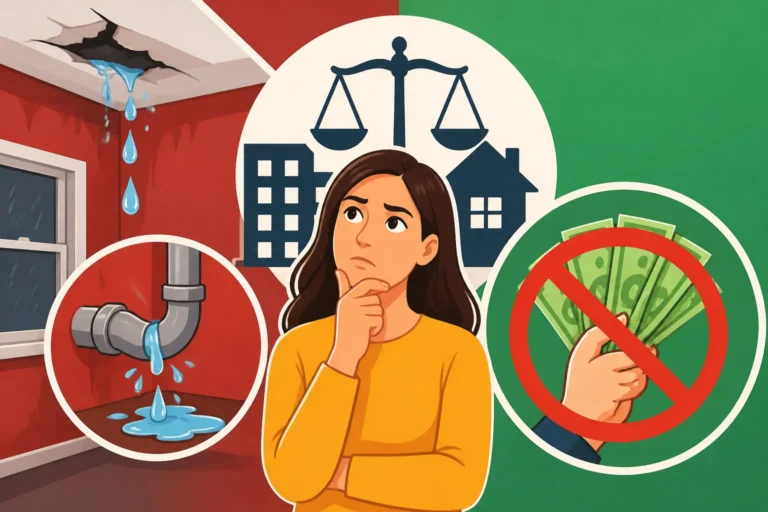
Examples of serious code violations can include a wide range of issues. Faulty electrical wiring, a lack of heat or hot water (especially during colder months), a collapsed ceiling, persistent and severe mold growth, raw sewage backups, major pest infestations like rats or cockroaches, structural damage that makes the building unsafe, or a non-functioning smoke detector are all common examples. These are not minor inconveniences; they are issues that can directly impact your health, safety, and well-being. It's important to differentiate these from minor wear and tear, like a chipped paint corner or a loose cabinet knob, which typically wouldn't be considered a code violation unless it poses a specific hazard.
Documenting Issues Effectively
When you're dealing with a landlord who isn't making necessary repairs or maintaining the property, documentation is your best friend. Seriously, I cannot stress this enough. Without proper records, your word against theirs might not hold up, especially if you need to escalate the issue. Start documenting from the moment you notice a problem.
This means not just making a mental note, but actively creating a paper trail (or a digital one!). For every issue, make sure to note the exact date and time you discovered it, a detailed description of the problem, and its specific location within your unit or the building. How is it impacting your daily life? Are there any health concerns? Who have you spoken to about it? What was their response? It’s also incredibly helpful to include any action you've taken, such as contacting your landlord, and the dates of those communications. This thoroughness builds a strong case. For a good starting point, consider looking at our How to Document Your Apartment at Move-In guide to understand proactive measures you can take from day one to protect yourself.
Recognizing and Proving Landlord Retaliation
Unfortunately, some landlords don't take kindly to tenants asserting their rights, especially when it involves repair requests or reporting issues. This can lead to illegal retaliation, where a landlord tries to "punish" you for legally exercising your tenant rights. It's a nasty situation, but knowing how to spot it and prove it is key to protecting yourself.
Common Forms of Retaliation
Landlord retaliation isn't always overt; it can be subtle, but its intent is clear: to get back at you for speaking up. The most common forms of retaliation include things like issuing an eviction notice without proper cause, significantly and illegally raising your rent, refusing to make necessary repairs that were previously agreed upon or required by law, or even simply refusing to renew your lease when it comes up for renewal, especially if you've been a good tenant.
Other forms can involve harassment, such as frequent unwarranted inspections, suddenly imposing new house rules, or even cutting off essential services like water or electricity. Imagine you've just sent a certified letter detailing a persistent mold problem, and a week later, you receive a notice of a huge, unexpected rent increase or an eviction notice. That's a classic red flag for retaliation. If you feel like your landlord is making your life difficult directly after you've complained about something legitimate, you're likely experiencing retaliation. We have a dedicated resource on Landlord Retaliation After a Repair Request that dives deeper into these scenarios.
Legal Protections Against Retaliation
The good news is that most states have laws specifically designed to protect tenants from landlord retaliation. These laws generally prohibit landlords from taking adverse actions against tenants for exercising their legal rights, such as reporting code violations, joining a tenant union, or engaging in certain types of collective action. The specific period during which a landlord is presumed to be retaliating can vary by state, often ranging from 90 days to a year after a tenant asserts their rights.
For example, in California, if a landlord attempts to evict you or raises your rent within 180 days of you complaining about a condition that makes the premises uninhabitable, it is legally presumed to be retaliation. The burden then shifts to the landlord to prove they had a legitimate, non-retaliatory reason for their action. It's a powerful protection, but you need to be aware of your state's specific laws. Always remember that these protections are in place to ensure you can advocate for your living conditions without fear of losing your home or facing unfair penalties.
Gathering Evidence of Retaliatory Acts
Proving retaliation can be challenging because it often comes down to intent, but it's not impossible with thorough documentation. The key is to demonstrate a clear timeline and cause-and-effect relationship between your actions (e.g., requesting repairs) and your landlord's adverse reactions.
Start by meticulously documenting every communication and interaction. Keep copies of all repair requests, emails, text messages, and certified letters you sent to your landlord. Then, document any suspicious actions from your landlord immediately following your assertion of rights. This could be a sudden rent increase notice, an eviction threat, or a refusal to fix something they previously agreed to. Take photos or videos if the retaliation involves new damage or a refusal to repair. Gather witness statements if anyone else observed the landlord's behavior or the conditions you complained about. A detailed incident log that chronicles these events, including dates, times, and descriptions, will be invaluable. The more comprehensive and chronological your evidence, the stronger your case will be to show that your landlord's actions were, in fact, retaliatory.
Step-by-Step Guide to Reporting Code Violations
Okay, you've identified a problem, you've documented it, and you understand your rights. Now, it's time to take action. Reporting a landlord for code violations is a process, and following the correct steps can make all the difference in achieving a positive outcome.
Initial Communication with Your Landlord
Before you call in the authorities, the very first and most crucial step is always to communicate directly with your landlord. This isn't just a courtesy; in many jurisdictions, it's a legal requirement that you give your landlord reasonable notice and an opportunity to fix the problem before you can take further action. Plus, sometimes, a landlord simply isn't aware of the issue or might just need a nudge.
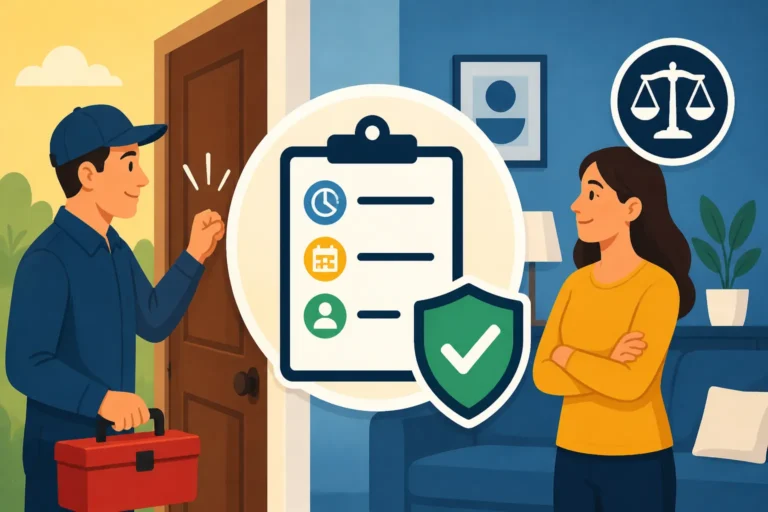
Your communication needs to be clear, specific, and in writing. A simple phone call might not be enough; an email, text message, or, ideally, a certified letter, creates a verifiable record. In your written request, clearly state the problem, where it's located, and how it impacts your habitability. Provide a reasonable deadline for the repair to be completed – often 7 to 30 days, depending on your state and the severity of the issue. For emergency repairs, like a lack of heat in winter or a burst pipe, the timeframe is much shorter, sometimes as little as 24-72 hours. Make sure to keep a copy of this communication for your records. If your landlord uses an online tenant portal, like one provided by services such as TurboTenant, make sure to submit your request through that system, as it automatically creates a digital timestamped record. For a comprehensive overview, check out our guide on How to Request Repairs in Writing.
Contacting Local Housing Authorities
If your landlord fails to respond to your written request or doesn't make the necessary repairs within the reasonable timeframe you provided (or within your state's legally defined timeframe), it's time to involve outside help. Your local housing authority or code enforcement office is usually the next step. These agencies are specifically tasked with enforcing building codes and housing standards.
You'll typically need to file a formal complaint. This usually involves contacting your city's or county's code enforcement, housing department, or health department. For instance, if you're in Los Angeles, you'd contact the Department of Building and Safety. If you're in Chicago, you'd reach out to the Department of Buildings. You'll explain the issues, provide your documentation (photos, copies of communication with your landlord), and the agency will then typically schedule an inspection of your rental unit. If the inspector finds code violations, they will issue a notice to your landlord, ordering them to make the repairs by a certain deadline. It's a powerful tool because it carries the weight of the municipality behind your complaint.
Escalating Beyond Local Agencies
What happens if your local housing authority is slow to act, or if your landlord ignores their orders? This is a tough spot, and it can feel like you're hitting a brick wall. However, you still have options. One avenue is to contact your state's Attorney General's office or a consumer protection agency. While they might not directly intervene in individual landlord-tenant disputes, they can sometimes step in if there's a pattern of abuse or widespread non-compliance by a landlord, or if they identify a violation of state consumer protection laws.
Another potential route, especially if you suspect the violations are severe and impacting multiple units or tenants, is to seek advice from local tenant advocacy groups. These organizations often have experience dealing with unresponsive agencies or difficult landlords and can guide you on the best course of action, which might include media attention or collective action. In some cases, if the issue involves discrimination (e.g., the landlord is only neglecting repairs for tenants of a certain background), you might consider filing a complaint with the Department of Housing and Urban Development (HUD) or your state's Fair Housing Commission. Remember, persistence is key, and sometimes you need to explore multiple avenues to get the attention your situation deserves.
How to Address Illegal Landlord Retaliation
If you've formally reported your landlord for legitimate issues and they've responded with an attempt to penalize you, you're facing illegal retaliation. This is a serious matter, and the law provides specific avenues for you to fight back.
Sending a Formal Demand Letter
Just as with initial repair requests, your first formal step in addressing retaliation should be a demand letter. This letter serves a different purpose than a repair request; it's a formal notice that your landlord's actions are illegal and that you intend to pursue your rights. It’s a powerful document that can often prompt a landlord to back down, as it shows you're serious and informed.
Your demand letter should clearly state the specific retaliatory act (e.g., "On [Date], you issued an eviction notice after I reported the unaddressed mold issue to Code Enforcement on [Date]"). Cite the specific state law that prohibits landlord retaliation (research this for your state). Demand that the landlord cease the retaliatory action (e.g., withdraw the eviction notice or revert the rent increase) and outline the consequences if they fail to comply, such as pursuing legal action. Send this letter via certified mail with a return receipt requested, so you have proof of delivery. This creates an undeniable paper trail that can be used as evidence if the situation escalates.
Filing a Complaint with Fair Housing or State Agencies
If your demand letter doesn't work, you can file a formal complaint with appropriate government agencies. For direct landlord retaliation complaints, many states have specific agencies or divisions within their housing departments that handle these kinds of grievances. These bodies can investigate your claim, mediate disputes, and, if they find evidence of retaliation, can order the landlord to cease their illegal actions and potentially impose fines.
Additionally, if the retaliation is intertwined with discrimination based on protected characteristics (like race, religion, gender, familial status, disability, national origin), you can file a complaint with the U.S. Department of Housing and Urban Development (HUD) or your state's Fair Housing Commission. These agencies are equipped to investigate discrimination claims thoroughly. They have robust enforcement powers and can initiate legal proceedings against landlords found in violation of fair housing laws. Always remember to provide them with all your meticulously gathered documentation to support your claim.
Pursuing Legal Action
When all other avenues fail, or if the damages are significant, pursuing legal action through the courts may be your best, or only, option. This usually means filing a lawsuit in small claims court or civil court, depending on the amount of money or type of relief you're seeking.
In small claims court, you can sue for monetary damages without the need for an attorney in many states. This might include damages for any financial losses you've incurred due to the retaliation, or statutory damages that state laws allow for. For instance, some states allow tenants to recover Double vs Treble Damages for Wrongful Withholding in cases of wrongful security deposit deductions or other illegal landlord behavior, and similar penalties might apply for retaliation. If you're seeking more complex relief, like stopping an illegal eviction, or if the damages exceed small claims court limits, you would file in civil court, which almost always necessitates legal representation. This is where your comprehensive documentation becomes absolutely critical. A lawyer can evaluate your evidence, advise you on the strength of your case, and represent you effectively. It’s a significant step, but it ensures that your rights are fully protected.
Key Documentation and Record Keeping
I cannot emphasize enough how critical good documentation is when dealing with landlord-tenant disputes. It's the backbone of any successful complaint, negotiation, or legal action. Without solid evidence, it often comes down to your word against your landlord's, which can be a tough battle.
The Power of Written Communication
Every single interaction you have with your landlord regarding repairs, complaints, or suspected retaliation needs to be in writing. This means emails, text messages, and formal letters. Phone calls are great for quick communication, but they leave no paper trail. If you must have a phone conversation, always follow up with a brief email summarizing what was discussed and agreed upon, and ask your landlord to confirm receipt.
For important communications, like initial repair requests or demand letters, certified mail with a return receipt requested is the gold standard. This provides undeniable proof that your landlord received the communication and on what date. Always keep a copy of everything you send, along with any responses you receive. This practice ensures that there's a clear, verifiable record of who said what, and when. Verbal agreements, while sometimes legally binding, are incredibly difficult to prove in court, which is why it's best to avoid them for anything significant. You can learn more about this in articles discussing Verbal / Oral Lease Enforceability.
Maintaining a Comprehensive Incident Log
Beyond individual communications, maintaining a detailed incident log is a game-changer. Think of it as a diary specifically for your tenancy issues. For every problem, every communication, every instance of suspected retaliation, jot it down in your log.
Here's what to include:
- Date and Time: Be precise.
- Description of the Incident: What happened? Be objective and factual.
- Location: Where did it occur (e.g., kitchen sink, hallway light, landlord's office)?
- Individuals Involved: Who was present or involved in the interaction?
- Actions Taken: What did you do? (e.g., "sent email to landlord," "called code enforcement").
- Responses Received: What was the landlord's reaction or the agency's reply?
- Witnesses: Did anyone else see or hear anything? If so, note their names and contact information if possible.
Keep this log up-to-date and store it in a safe place, preferably both physically and digitally (e.g., a cloud drive or a dedicated folder on your computer). This chronological record can paint a compelling picture of events and prove invaluable if you ever need to go to court or file a formal complaint.
Photographic and Video Evidence
In today's world, photographic and video evidence are incredibly powerful. They offer undeniable visual proof of conditions and can speak volumes more than written descriptions alone. Whenever you identify a repair issue or damage, take clear, well-lit photos and videos.
Make sure your visual evidence includes:
- Timestamps: Many smartphones automatically add timestamps, but if not, try to include a newspaper or something else with the current date visible in some shots.
- Context and Scale: Don't just take a close-up of a tiny crack. Take a wider shot to show where the damage is in the room, then a closer one. Use a common object (like a coin or ruler) for scale if appropriate.
- Before and After: If a repair is attempted but poorly done, or if a condition worsens, "before" and "after" photos are crucial.
- Video: Video can capture things photos can't, like a leaky faucet actively dripping, or a flickering light. Narrate the video to explain what you're seeing and the date.
Always back up your photos and videos to a cloud service (like Google Photos, Dropbox, or iCloud) so you don't lose them if your phone or computer fails. This kind of evidence is often the most persuasive when presented to housing authorities or in court.
Understanding the Role of Legal Assistance
Navigating landlord-tenant laws can be complex, and sometimes, you just need professional help. Knowing when to call in a lawyer and where to find affordable assistance can significantly impact the outcome of your situation.
When to Seek Legal Counsel
While much of the initial process for reporting a landlord can be handled on your own, there are definite points where bringing in legal counsel is highly advisable, if not essential. If you receive an eviction notice, especially one you believe is retaliatory or without proper cause, contact an attorney immediately. Fighting an eviction on your own can be incredibly daunting, and a lawyer can ensure your rights are protected and help you navigate the court system.
Similarly, if your landlord has engaged in severe harassment, illegal lockouts, or has shut off your utilities, these are serious violations that often warrant immediate legal intervention. If you are pursuing significant financial damages, or if the situation involves complex legal issues, such as trying to break a lease due to uninhabitable conditions without penalty, a lawyer's expertise will be invaluable. They can assess your case, advise you on the best course of action, and represent you in court, ensuring that all legal procedures are followed correctly. Don't hesitate if the stakes feel high; a quick consultation can often clarify your options.
Low-Cost and Free Legal Resources
The thought of hiring a lawyer can be intimidating due to the perceived cost, but many resources exist to help tenants, especially those with lower incomes, access legal assistance. Legal Aid societies are non-profit organizations that provide free legal services to eligible individuals. They are often excellent resources for landlord-tenant issues and can provide advice, mediate disputes, and sometimes represent you in court.
Many communities also have tenant rights organizations or housing clinics that offer free or low-cost consultations, workshops, and even direct advocacy services. University law schools sometimes run legal clinics where students, supervised by professors, provide legal assistance to the public. Additionally, your state or local bar association may offer lawyer referral services, connecting you with attorneys who specialize in landlord-tenant law and may offer initial consultations at a reduced rate or for free. Don't let the fear of legal fees stop you from exploring these options; help is often more accessible than you think.
Potential Outcomes and What to Expect
Reporting a landlord can feel like throwing a stone into a dark well – you might not know what will happen next. However, understanding the typical process and potential outcomes can help manage your expectations and prepare you for what's to come.
Inspections and Remediation Orders
Once you've filed a complaint with a local housing or code enforcement agency, the usual next step is an inspection of your rental unit. A city or county inspector will visit the property to verify the conditions you've reported. They're looking for violations of specific building, health, or safety codes. If they find valid violations, they will issue an official notice of violation to your landlord.
This notice will detail the specific issues that need to be addressed and will typically provide a strict deadline for your landlord to make the necessary repairs. The timeframe for repairs depends on the severity of the violation; emergency issues like a lack of heat or a major water leak will have much shorter deadlines than less urgent problems. The agency will often conduct a follow-up inspection to ensure compliance. This is where your detailed documentation truly helps the inspector quickly identify and verify the issues.
Penalties for Landlords
Landlords who fail to comply with remediation orders or who engage in illegal retaliation can face a range of penalties. For code violations, these often start with fines, which can accrue daily until the violation is corrected. In some jurisdictions, repeated or severe violations can lead to a landlord being cited for misdemeanors, property liens, or even the revocation of their rental permits.
In cases of illegal retaliation, the penalties can be even more significant. Courts may order the landlord to pay statutory damages, actual damages (your financial losses), and sometimes punitive damages designed to punish egregious behavior. In some cases, a court might even order the landlord to allow you to break your lease without penalty or pay for your relocation costs. The goal of these penalties is not only to rectify the situation but also to deter landlords from similar unlawful behavior in the future.
Your Lease and Next Steps
The outcome of reporting a landlord can impact your tenancy in several ways. If the landlord makes the required repairs, you can continue living in a habitable home, and the issue might be resolved. However, if the repairs are not made or if the retaliation continues, you might have further options.
In cases where a property remains uninhabitable despite official orders, you might have grounds to legally break your lease without penalty or pursue a claim of Constructive Eviction Explained. This essentially means that the landlord's failure to maintain the property has made it unlivable, forcing you to move out. Such a step should only be taken with legal advice, as it has significant implications. If you do end up having to move, remember to secure your personal belongings by having renter's insurance, which can protect you in case of damage or theft, regardless of landlord issues. Companies like Lemonade offer accessible renter's insurance policies that can be a real lifeline. Whatever the outcome, understanding your options for your lease and next steps is crucial.
State-Specific Nuances
It's tempting to think that landlord-tenant laws are uniform across the country, but that couldn't be further from the truth. Rental regulations are primarily governed at the state level, and even further, by local city and county ordinances. What's legal in Texas might be illegal in California, and vice-versa.
Varying Timelines and Procedures
One of the most significant differences across states is the timeline landlords have to make repairs. What constitutes a "reasonable time" for repairs can vary widely. For instance, in an emergency like a lack of heat, some states might require a landlord to act within 24-48 hours, while others might allow a few days. For non-emergency repairs, it could be anywhere from 7 to 30 days.
Take California, for example, where landlords generally have 24-72 hours for emergency repairs and 30 days for non-emergencies after receiving written notice. In contrast, a state like New York has slightly different regulations, especially for things like heat, which are often tied to specific dates and outdoor temperatures. These varying timelines directly impact when you can legally escalate an issue and how quickly you can expect a resolution. It's critical to know your state's specific rules, which you can often find by researching resources like How Long Does a Landlord Have to Make Repairs? (By State).
Importance of Local Ordinances
Beyond state laws, it's vital not to overlook local city and county ordinances. Major cities often have their own tenant protection laws that are more stringent than state statutes. For example, cities like San Francisco, Seattle, or New York City have robust rent control laws, specific just-cause eviction requirements, and enhanced tenant protections that go above and beyond state-level regulations. These local ordinances can dictate everything from maximum late fees to specific notice periods for rent increases or non-renewals.
What this means for you is that while state law provides a baseline, your specific rights and the procedures for reporting a landlord might be further refined or strengthened by the city or county you live in. Always check with your local housing department or a local tenant advocacy group to understand the full scope of your protections. Many landlords, especially those managing multiple properties, rely on services like Steadily for landlord insurance and property management insights, which can help them stay informed and compliant with these complex, ever-changing local regulations, ultimately benefiting tenants by ensuring better adherence to the law.
Disclaimer
Please remember that this guide provides general information about landlord-tenant law and should not be considered legal advice. Landlord-tenant laws are complex and vary significantly by state and local municipality. For advice specific to your situation, it is always recommended to consult with a qualified attorney or tenant advocacy organization in your jurisdiction.