Implied Warranty of Habitability Explained
It’s a nightmare scenario many renters face: you move into a new place, full of hope, only to discover a creeping problem. Maybe the ceiling starts leaking every time it rains, the furnace sputters and dies in the dead of winter, or a persistent mold issue takes hold despite your best cleaning efforts. You try to get your landlord to fix it, but you're met with delays, excuses, or outright silence. This frustrating and often infuriating situation leaves you wondering: Do I have any rights? What can I actually do when my living situation becomes unbearable? This guide is here to unravel the crucial concept of the implied warranty of habitability, explaining your fundamental rights to a safe and livable home and the actions you can take when those rights are violated.
What Exactly Is the Implied Warranty of Habitability?
At its core, the implied warranty of habitability is a fundamental legal principle that ensures rental properties are safe, sanitary, and fit for human occupation. Unlike other promises that might be explicitly written into your lease agreement, this "warranty" isn't usually spelled out word-for-word. Instead, it's implied into every residential lease, regardless of whether you or your landlord actually discussed it or wrote it down. It's a silent guardian, a legal safety net that protects tenants from being forced to live in substandard or dangerous conditions.
What "Implied" Really Means
When we say "implied," it means this warranty is automatically a part of your lease agreement by law. It doesn't need to be verbally agreed upon or written into the contract. It's not something your landlord can waive or disclaim, even if they try to include a clause in the lease saying you agree to live in an "as-is" condition. Courts generally view such clauses as unenforceable because the right to a habitable living space is considered a basic human need, not an optional amenity.
Think of it this way: when you rent a car, you don't expect it to break down the moment you drive off the lot. There's an implied understanding that the car is roadworthy. Similarly, when you rent an apartment, there's an implied understanding that it's home-worthy. It’s a protection born out of the recognition that tenants often have less bargaining power than landlords, and without this protection, they could be exploited and forced to live in unacceptable conditions.
The Foundation of Safe Housing
The implied warranty of habitability emerged as a critical evolution in landlord-tenant law. Historically, the legal doctrine was "caveat emptor" – let the buyer beware. This meant tenants were responsible for inspecting a property thoroughly before signing a lease and largely accepted it "as is." If something broke, it was often their problem.
However, as society changed and housing became more complex, especially in urban areas with multi-unit dwellings, courts recognized that this old doctrine was unfair and impractical. Tenants rarely have the expertise or resources to fully inspect a property's structural integrity, plumbing, or electrical systems. They depend on landlords to provide a safe dwelling. This shift in thinking led to the widespread adoption of the implied warranty of habitability across most states in the U.S., establishing a clear legal expectation that landlords must maintain their properties to a certain standard throughout the tenancy. It's about providing a basic standard of living, not luxury. It’s the minimum threshold of health and safety that every rental unit must meet.
What Makes a Home "Habitable"? Key Conditions
So, what exactly does "habitable" mean in practical terms? It’s more than just having a roof over your head. It encompasses a range of conditions essential for human health and safety. While specific interpretations can vary slightly by state and even local ordinances, there are universal standards that almost always apply. This isn't about cosmetic issues or minor inconveniences; it's about fundamental living requirements.
Basic Structural Soundness
A habitable dwelling must be structurally sound and weather-tight. This means the building itself should be in good repair, protecting you from the elements.
For example, if you live in an apartment building in Chicago and the roof has a significant leak that causes water to pour into your living room every time it rains, that's a clear violation of structural soundness. The walls, roof, and foundation need to be in proper working order to prevent significant water intrusion, pest infestations, and other hazards. This also extends to functional windows and doors that lock securely, providing both security and insulation. Imagine a scenario where a window frame is rotting, leading to a constant draft and making it impossible to heat your home adequately in winter. That’s not just uncomfortable; it’s a failure to provide a structurally sound and energy-efficient living space. Similarly, a crumbling porch or a staircase with broken steps could pose a serious safety risk, falling under the umbrella of structural habitability.
Essential Utilities and Services
This is often one of the most critical aspects of habitability. Tenants have a right to functioning essential utilities and services.
This typically includes:
- Running water: Both hot and cold. Imagine trying to live without hot water for a week in December in Boston. It's not just an inconvenience; it's a health hazard.
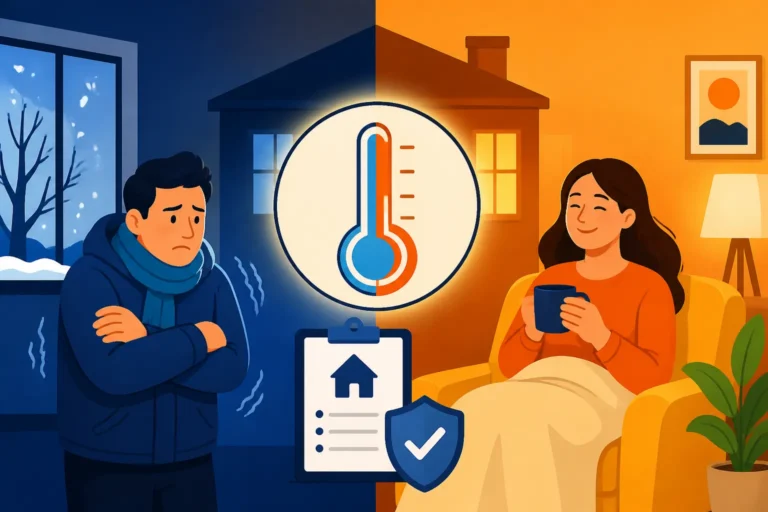
- Heating: Adequate heating is non-negotiable in colder climates. In some states, there are even specific minimum temperature requirements a landlord must maintain during certain months.
- Electricity: Functional electrical wiring and outlets, without exposed wires or frequent power surges.
- Plumbing: Operational toilets, sinks, and showers that drain properly and don't leak, causing water damage or creating unsanitary conditions. A persistent sewage backup is a serious health emergency.
- Waste receptacles: The provision of trash and recycling services, or at least a sanitary method for waste disposal.
- Working appliances: If appliances like a refrigerator or stove are provided by the landlord as part of the rental, they must be in working order. If your refrigerator suddenly quits, spoiling all your groceries, and your landlord drags their feet on replacing it, that can quickly become a habitability issue.
These are not luxuries; they are fundamental to daily life and hygiene. If your landlord fails to provide any of these essential services for an unreasonable amount of time, they are likely breaching the implied warranty of habitability. You can learn more about No Heat / No Hot Water / No AC Your Rights if you're experiencing issues with essential services.
Safety and Sanitation Standards
Beyond utilities, a habitable unit must meet basic safety and sanitation standards. This means it should be free from hazards that could endanger tenants.
Key elements include:
- Freedom from hazardous substances: This includes things like lead paint hazards (especially in older buildings), asbestos, or dangerous levels of radon gas. Landlords have a responsibility to address these if they pose a threat.
- Functioning smoke detectors and carbon monoxide detectors: These are often legally required by local building codes, and a landlord's failure to provide or maintain them is a serious safety breach.
- Safe common areas: Hallways, stairwells, and entryways should be well-lit, free of obstructions, and in good repair. Slippery floors, broken railings, or unlit stairwells can lead to serious accidents.
- Freedom from significant pest infestations: While a stray spider might be part of apartment living, a severe infestation of cockroaches, rodents, or bedbugs that the landlord fails to address promptly can render a unit uninhabitable due to health risks and psychological distress. Imagine waking up to bedbug bites every morning; it's not just gross, it's a major disruption to your peace and health.
- Adequate ventilation: Especially in bathrooms and kitchens to prevent mold and mildew growth, which can become a significant health concern.
The goal here is to ensure that your living space doesn't pose an unreasonable risk to your health, safety, or well-being. A landlord who leases out a property with significant safety deficiencies or allows unsanitary conditions to persist is clearly violating their responsibilities.
Pest Control and Environmental Hazards
Pest infestations and environmental hazards are often specific areas of contention. While a single mouse or bug might not immediately trigger a habitability breach, a recurring and unaddressed problem certainly can.
For instance, if you discover a rat infestation in your apartment in San Francisco, and your landlord only sends an exterminator once who does a half-hearted job, leading to the rats returning within weeks, this constitutes a significant breach. The landlord has a duty to take effective measures to control pests that affect the habitability of the unit. This isn't just about discomfort; pests can carry diseases, contaminate food, and damage property.
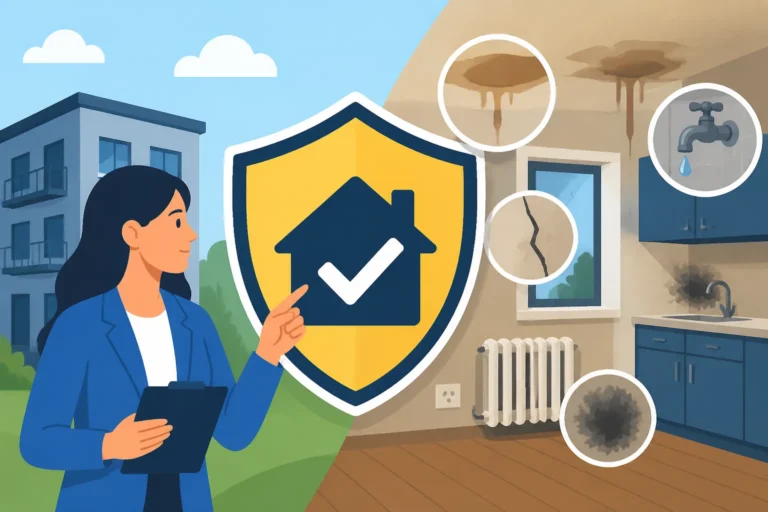
Similarly, persistent issues like severe mold growth, especially if caused by a leak the landlord has neglected, can be an environmental hazard. Mold can trigger respiratory problems and allergic reactions, making a living space unsafe for many individuals. A landlord cannot simply ignore these issues; they must take reasonable steps to remediate them. This is where a clear understanding of Mold Landlord Responsibility & Tenant Rights becomes crucial.
It's important to differentiate between minor issues that a tenant might reasonably handle and severe, persistent problems that fundamentally impact health and safety. The warranty of habitability isn't a guarantee of perfection, but it is a guarantee of a safe and healthy environment.
Landlord Responsibilities Under the Warranty
The implied warranty of habitability places direct obligations on landlords to maintain their rental properties. These aren't just suggestions; they are legal duties that come with owning and leasing residential real estate. Understanding these responsibilities is key to knowing when your landlord is falling short.
Proactive Maintenance Obligations
A landlord's duty isn't solely reactive; it also includes a measure of proactive maintenance. This means they should take reasonable steps to prevent problems before they arise, rather than just waiting for something to break. While you can't expect them to predict every pipe burst, they are generally expected to maintain the property in a way that minimizes foreseeable issues.
For instance, a landlord should conduct routine inspections and upkeep, such as clearing gutters, ensuring proper drainage around the foundation, and servicing HVAC systems annually. Failing to do so can lead to easily avoidable problems, like a clogged gutter causing water to back up and leak into an attic, eventually leading to ceiling damage inside a unit. A landlord who never performs routine maintenance on the building's shared plumbing system, leading to frequent backups in multiple units, is neglecting their proactive duty. Property owners often use services like Steadily to help manage their insurance needs, but even the best insurance can't fix neglected maintenance that leads to a claim.
This also extends to common areas. If the hallway light in your apartment building has been burnt out for months, creating a dark and potentially dangerous path to your door, that's a failure in proactive maintenance. Landlords must ensure that shared spaces are safe and well-maintained.
Timely Response to Repair Requests
When a habitability issue does arise, the landlord has a critical responsibility to respond to repair requests in a timely and effective manner. What constitutes "timely" can vary depending on the severity of the issue.
- Emergencies: For critical issues that directly threaten health or safety (e.g., no heat in winter, burst pipes, major electrical failure), landlords typically must respond within 24-72 hours, often even faster. If your furnace breaks down on a freezing night in Minneapolis, your landlord can't wait a week to send someone out. This is considered an emergency.
- Non-emergencies affecting habitability: For less immediate but still serious issues (e.g., a persistent leak, broken appliance provided by the landlord, pest infestation), the response time might be a few days to a week or two. If your refrigerator stops working in Phoenix in July, causing all your food to spoil, and your landlord says they'll "get to it next month," that's an unacceptable delay.
- General repairs: For minor issues that don't directly affect habitability but are still landlord responsibilities, the timeframe is usually more flexible, often within 30 days.
The key is that the repair must be completed effectively, not just temporarily patched up. If a landlord sends someone who does a shoddy repair that fails again shortly after, they haven't fulfilled their obligation. They must fix the problem thoroughly. For a deeper dive into landlord repair timelines, check out How Long Does a Landlord Have to Make Repairs By State.
Common Areas and Shared Spaces
It's not just about the interior of your individual apartment. The implied warranty of habitability also extends to the common areas and facilities that tenants share and rely upon. This includes hallways, stairwells, laundry rooms, entryways, and sometimes even shared yards or parking lots.
For example, if the communal laundry room in your building has standing water due to a leaky pipe, creating a slip hazard and a breeding ground for mold, your landlord is responsible for fixing it. Or, if the main entrance door to your building constantly sticks or doesn't lock properly, compromising the security of all residents, that's also a breach. Landlords have a duty to ensure these shared spaces are safe, clean, and in good working order. They can't just throw up their hands and say, "That's not inside your unit." The habitability of your living situation is holistic and includes all areas essential for your safe and reasonable enjoyment of the property.
Tenant Responsibilities: Doing Your Part
While landlords bear significant responsibilities under the implied warranty of habitability, tenants also have duties. It's a two-way street, and your actions or inactions can impact your ability to assert your rights later on. Being a responsible tenant strengthens your position if you ever need to challenge your landlord on a habitability issue.
Reporting Issues Promptly
One of the most crucial tenant responsibilities is to report any maintenance or habitability issues to the landlord as soon as you become aware of them. Do not wait. Delaying can make the problem worse, and your landlord could argue that you contributed to the damage or that they couldn't fix it because they weren't informed.
Let's say you notice a small water stain on the ceiling in your bedroom. It seems minor, so you ignore it for a few weeks. However, the leak gets worse, and eventually, a large section of drywall collapses. If you didn't report the initial stain, your landlord might try to claim you were negligent or that they couldn't have prevented the larger damage. The best practice is to report problems immediately and, critically, always do it in writing. Whether it's an email, a text message, or a formal letter, having a written record with dates and times is invaluable evidence. Our guide on How to Request Repairs in Writing offers practical steps and templates for this.
Preventing Damage and Maintaining Cleanliness
Tenants are generally responsible for keeping their rental unit clean and sanitary and for avoiding intentional or negligent damage to the property. The implied warranty of habitability does not mean your landlord is responsible for problems caused by your own actions or neglect.
For example, if you consistently clog your toilet with excessive toilet paper and don't clear it, leading to a bathroom flood, that's your responsibility, not the landlord's. Similarly, if you leave food out for days, attracting a severe rodent infestation, the initial responsibility for clean-up and prevention might fall on you, although a landlord may still need to take steps if it becomes a widespread issue impacting other units. This also ties into the concept of Normal Wear and Tear vs Damage Complete Guide. While landlords are responsible for fixing issues beyond normal wear and tear, you are expected to treat the property with reasonable care. This means things like regularly cleaning your apartment, disposing of trash properly, and not doing anything that would knowingly cause damage to the property or create a health hazard.
Allowing Landlord Access for Repairs
Once you've reported an issue, your landlord has the right (and the duty) to access the property to inspect the problem and make repairs. Tenants are generally required to grant reasonable access, often with proper notice. Refusing access can hinder the landlord's ability to fulfill their responsibilities and could potentially complicate your case if you later claim a breach of habitability.
Most states require landlords to provide advance notice before entering your unit, typically 24 or 48 hours, except in emergencies where no notice may be required (e.g., a burst pipe flooding your apartment). If your landlord gives you proper notice that a plumber will be coming to fix your leaky faucet, you should make arrangements to allow them entry. Consistently denying access, even if inconvenient, can undermine your claims that the landlord is failing to make necessary repairs. However, "reasonable access" doesn't mean your landlord can demand entry at any time for non-emergency reasons. There are rules around Landlord Entry for Repairs Notice Rules to protect your privacy and quiet enjoyment.
When the Warranty Is Breached: Understanding Violations
A breach of the implied warranty of habitability occurs when a landlord fails to maintain the property in a safe and livable condition, and that failure significantly impacts your ability to live there. It's crucial to understand what constitutes a genuine breach, as not every minor inconvenience qualifies.
Minor vs. Major Habitability Issues
It's important to distinguish between minor repair issues and major habitability breaches. The warranty is about fundamental living standards, not cosmetic perfection or luxury.
- Minor Issues: A leaky faucet (unless it's causing extensive water damage), a broken light switch in a non-essential area, or a small crack in a non-structural wall are typically minor issues. While your landlord should fix them, they don't usually rise to the level of a habitability breach that would justify extreme tenant actions like withholding rent. These are still problems the landlord should address as part of their Landlord Repair Responsibilities What They Must Fix.
- Major Issues: These are problems that pose a significant threat to your health, safety, or well-being, or that render a substantial portion of the unit unusable. Examples include a complete lack of heat in cold weather, severe and persistent mold, a major plumbing leak causing raw sewage backup, extensive pest infestations (like rats or bedbugs), structural dangers, or a broken front door lock that compromises security. If your apartment has no working toilet for an extended period, that is a major breach. Similarly, if a part of the ceiling collapses due to a neglected leak, making a room unusable and unsafe, that’s a clear violation.
The key determinant is whether the issue deprives you of a safe, sanitary, and functional home. If the problem makes the property "unfit for human habitation," it's a breach. Our article on What Is Considered Uninhabitable delves deeper into these definitions.
Constructive Eviction as a Breach
A particularly severe type of breach can lead to what's known as "constructive eviction." This occurs when the landlord's actions, or lack thereof, make the rental unit so uninhabitable that you are essentially forced to move out, even though the landlord hasn't formally evicted you.
Imagine you're renting a home in Seattle, and a severe roof leak persists for months despite your repeated requests for repair. Water damage leads to rampant mold growth, and a significant portion of the ceiling eventually collapses, making the living room unusable and creating an unhealthy environment. If these conditions force you to find alternative housing because the property is no longer safe or livable, you might have a case for constructive eviction.
In such scenarios, you typically need to prove two things:
- The landlord's actions or inactions created conditions that were so severe they amounted to a substantial interference with your use and enjoyment of the property.
- You moved out within a reasonable time after the conditions became unbearable.
Constructive eviction essentially treats your departure as if the landlord illegally evicted you, allowing you to break your lease without penalty and potentially seek damages. This is a powerful but serious claim, and it's essential to understand the intricacies of Constructive Eviction Explained before pursuing it.
Retaliation for Asserting Rights
Another type of "breach" isn't directly related to the physical condition of the property but to the landlord's response when you try to assert your rights. Retaliatory eviction or actions occur when a landlord punishes a tenant for exercising a legal right, such as complaining about habitability issues or requesting repairs.
For example, if you send a certified letter to your landlord demanding they fix a broken heater, and shortly after, they serve you with an eviction notice (without a legitimate reason) or suddenly raise your rent significantly, this could be considered illegal retaliation. Many states have laws specifically prohibiting retaliatory acts by landlords. These laws are designed to protect tenants from intimidation and ensure they feel safe reporting problems without fear of losing their home. If you suspect your landlord is retaliating, documenting everything is critical. Our guide on How to Report a Landlord Code Violations & Retaliation provides more information on identifying and addressing such issues.
Tenant Rights When the Warranty is Violated
When a landlord breaches the implied warranty of habitability, you're not powerless. Tenants have several legal remedies available, though the specific options and procedures can vary significantly by state. It's vital to know your local laws before taking action.
Repair and Deduct
The "repair and deduct" remedy allows you to pay for necessary repairs yourself and then deduct the cost from your next rent payment. This can be a very effective way to get urgent repairs done, but it comes with strict conditions and is not legal in all states or for all types of repairs.
Typically, to use repair and deduct:
- Notify your landlord in writing: You must inform them of the problem and give them a reasonable amount of time to fix it. This is usually 10-30 days, but it can be shorter for emergencies.
- Ensure it's a habitability issue: The repair must address a significant habitability issue, not a minor cosmetic problem.
- Keep costs reasonable: The amount you spend on repairs must be reasonable for the work done. Some states also cap the amount you can deduct (e.g., one month's rent or a certain percentage).
- Document everything: Keep all receipts for repairs and copies of your communication with the landlord.
For instance, if your landlord in California fails to fix a broken pipe causing significant water damage after you've given them proper written notice, you might be able to hire a plumber, pay the bill, and deduct it from your next rent payment. However, it's a risky move if not done correctly, as a misstep could lead to your landlord claiming non-payment of rent. Always check your state's specific Repair and Deduct by State laws before proceeding.
Withholding Rent
In some states, tenants can withhold rent (or a portion of it) if a landlord breaches the implied warranty of habitability. This is another serious step, and like repair and deduct, it must be done carefully and according to specific state laws to avoid potential eviction for non-payment of rent.
Often, if you withhold rent, you are required to place the rent money into an escrow account. This demonstrates to the court that you have the rent money and are willing to pay it once the landlord fulfills their obligations, rather than simply trying to avoid payment. For example, in Maryland, if a landlord fails to make repairs after proper notice, a tenant might be able to deposit their rent into a special rent escrow account with the district court.
The purpose of withholding rent, especially into an escrow, is to pressure the landlord into making the repairs by denying them immediate access to the funds, while still protecting you from eviction for non-payment. This is not a tactic to be used lightly, and legal advice is strongly recommended. Details on Withholding Rent for Repairs explain this option in more detail.
Breaking the Lease
If the habitability breach is severe enough that the property is truly uninhabitable, you may have the right to break your lease without penalty. This often overlaps with the concept of constructive eviction mentioned earlier.
For example, if your rental unit becomes infested with black mold due to a continuous leak that the landlord refuses to fix, making you and your family ill, you might be able to terminate your lease early. To legally break a lease due to uninhabitable conditions, you generally need to:
- Provide written notice to your landlord about the uninhabitable conditions.
- Give them a reasonable opportunity to fix the problem.
- Prove the conditions are severe enough to render the unit unlivable.
This is a significant step, and you want to be sure you have a strong case before you move out, as landlords may pursue you for rent owed if they dispute the claim. Our guide on Breaking a Lease Due to Mold or Uninhabitable Conditions provides essential information for this scenario.
Suing the Landlord
In situations where a landlord has severely breached the warranty of habitability and other remedies haven't worked, or if you've incurred significant damages (e.g., medical bills due to mold, property damage from leaks), you might have grounds to sue your landlord. This typically happens in small claims court, where you can seek monetary damages.
The damages you might pursue could include:
- The difference in value between the rent you paid and the actual value of the uninhabitable unit.
- Costs for temporary alternative housing.
- Medical expenses related to conditions caused by the uninhabitable property.
- In some egregious cases, punitive damages might be awarded, especially if the landlord acted with gross negligence.
Suing a landlord requires meticulous documentation: copies of all communications, photos and videos of the issues, receipts for repairs, and any related expenses. While a company like TurboTenant might help landlords manage leases, it doesn't excuse them from legal responsibilities if they neglect property maintenance. Similarly, while renter's insurance from companies like Lemonade can protect a tenant's belongings from some damages, it doesn't absolve the landlord of their duty to provide a habitable living space. It’s always best to consult with a landlord-tenant attorney before initiating a lawsuit.
The Repair Process: From Notification to Resolution
Navigating a repair issue with your landlord can feel like an uphill battle, but following a structured process can protect your rights and increase your chances of a positive outcome. Documentation is your most powerful tool.
Documenting the Problem Thoroughly
Before you even contact your landlord, gather evidence. This step is non-negotiable and will be crucial if you ever need to assert your rights in court.
- Photos and Videos: Take clear, timestamped photos and videos of the problem. Show the extent of the damage, any health hazards, and how the issue affects your living space. For example, if there’s a persistent leak, take a video of the water dripping, and photos of any resulting stains or damage to the floor or walls.
- Dates and Times: Note the exact date and time you first noticed the problem, and every subsequent time it worsened or you attempted to contact your landlord.
- Written Records: Keep a detailed log of all communications with your landlord or property manager. This includes dates, times, who you spoke with, what was discussed, and any promises made.
- Witnesses: If possible, have friends or family members witness the conditions and sign a statement attesting to what they saw.
- Condition Report: Refer back to your move-in condition report or any How to Document Your Apartment at Move-In checklists. This can prove the damage wasn't there when you moved in.
For example, if your shower stopped draining properly, take a photo of the standing water, then a photo of the dated newspaper next to it to show the date. Keep a running tally in a notebook: "Oct 15: Noticed slow drain. Oct 17: Drain completely clogged." This rigorous documentation creates an undeniable timeline of events.
Sending Formal Written Notice
This is the most critical step after documenting the problem. You must formally notify your landlord of the issue and give them a chance to fix it. Verbal complaints are often insufficient in legal disputes because they are hard to prove.
Your written notice should include:
- Your contact information and address.
- A clear description of the problem(s): Be specific about what needs repair. "My bathroom is leaky" isn't as good as "The faucet in the master bathroom sink has a steady drip, and there's a puddle forming on the countertop. I first noticed this on [date]."
- The date you first noticed the problem.
- A request for repair within a reasonable timeframe: Specify a deadline based on the severity of the issue and your state's laws (e.g., "Please have this repaired within 7 days").
- A statement that failure to repair will result in you exercising your tenant rights (e.g., repair and deduct, withholding rent, or lease termination).
- Keep a copy for your records.
- Send it via certified mail with a return receipt requested, or email with a read receipt. This provides undeniable proof that the landlord received your notice.
If you don't receive a response or the problem isn't fixed within the specified timeframe, you'll have a clear record of your attempt to resolve the issue amicably. This proactive approach ensures your landlord cannot claim ignorance if the situation escalates.
Following Up and Escalation
If your initial written notice doesn't prompt a timely and effective repair, you'll need to follow up and potentially escalate your actions.
- Second Notice: Send a second, stronger written notice, referencing your first communication. Reiterate the problem, the missed deadline, and your intent to pursue further action, such as Repair and Deduct by State or Withholding Rent for Repairs.
- Contact Local Housing Authorities: If the issue involves health or safety code violations, contact your local housing authority, code enforcement office, or health department. They can inspect the property and issue citations to your landlord, compelling them to make repairs. This can be a powerful tool, as landlords face fines for non-compliance.
- Seek Legal Counsel: If the problem persists and you're considering serious actions like breaking the lease or suing, consult with a landlord-tenant attorney. They can advise you on the best course of action based on your specific situation and state laws.
- Consider Mediation: Some cities or counties offer landlord-tenant mediation services, which can help facilitate a resolution without resorting to court.
Each step you take should be documented carefully. The more evidence you have of your attempts to resolve the issue and your landlord's failure to respond, the stronger your position will be. Never stop documenting, even if the landlord begins to cooperate. A paper trail is your best friend when dealing with habitability issues.
State-Specific Variations: It's Not One-Size-Fits-All
It's absolutely critical to understand that while the implied warranty of habitability is a widely recognized legal principle, its specific applications, definitions, and available remedies vary significantly from state to state, and sometimes even by city or county. What's legal in California might be different in Texas, and vice-versa.
Understanding Local Laws and Ordinances
Each state has its own set of landlord-tenant laws, often codified in statutes or common law. These laws will define:
- What constitutes "habitable": While the core principles are similar, specifics like required temperatures for heating, what level of pest infestation is a breach, or the definition of "essential services" can differ. For example, some states might explicitly require working air conditioning if the unit advertises it, while others might not consider AC an essential service unless it creates an unsafe living condition due to extreme heat.
- Notice requirements: How much notice you must give your landlord for repairs, and how much notice they must give you to enter your unit.
- Remedies available to tenants: Whether "repair and deduct" is allowed, the maximum amount you can deduct, whether you can withhold rent into an escrow account, and the penalties landlords face for violations.
- Timeframes for repairs: How long a landlord has to fix an emergency versus a non-emergency repair. For instance, How Long Does a Landlord Have to Make Repairs By State highlights these differences across the country.
Beyond state laws, local city and county ordinances can add another layer of regulation. Many municipalities have their own housing codes, health department regulations, and tenant protection laws that further define habitability standards and landlord responsibilities. For example, New York City has very specific rules regarding heat and hot water that are more stringent than some general state laws. Always check both state and local laws for the most accurate information.
Where to Find Reliable Information
Navigating these varying laws can feel daunting, but there are resources available:
- State Bar Associations: Many state bar associations offer public resources, legal aid referrals, or online guides to landlord-tenant law in their state.
- Local Housing Authorities or Tenant Rights Organizations: Organizations like Legal Aid Societies, local tenant unions, or city housing departments often have free resources, hotlines, or clinics dedicated to helping renters understand their rights. For example, the Department of Fair Employment and Housing (DFEH) in California is a good resource for understanding fair housing laws and tenant protections in that state.
- Websites and Legal Databases: Reputable legal websites (such as Nolo.com or FindLaw.com) often provide summaries of state landlord-tenant laws. However, always double-check against official state statutes for the most current information.
- Landlord Associations: While primarily for landlords, organizations like the National Apartment Association (NAA) or local landlord groups often publish information about compliance, which can indirectly inform tenants of their rights.
- Attorneys specializing in Landlord-Tenant Law: For complex situations, consulting with an attorney who specializes in landlord-tenant law in your area is invaluable. They can provide tailored advice and represent you if legal action becomes necessary.
Never rely solely on information from your landlord or what you read in an online forum. Take the time to research the laws specific to your location to ensure you're making informed decisions and protecting your interests effectively.
What is a "Reasonable" Amount of Time for Repairs?
Determining a "reasonable" amount of time for a landlord to make repairs can be a grey area, but generally, it depends heavily on the severity and nature of the issue. This isn't a one-size-fits-all answer, as what's reasonable for a leaky faucet is very different from what's reasonable for a broken furnace in winter.
| Issue Type | Examples | Typical "Reasonable" Timeframe (after notice) | Potential Consequences of Delay (Tenant Side) |
|---|---|---|---|
| Emergency Issues | No heat in winter, burst pipes, major electrical hazards, sewage backup, non-functioning main toilet, broken locks/security threats. | 24 – 72 hours (sometimes immediate) | Extreme discomfort, health risks, property damage, safety threat. |
| Major Habitability Issues | Persistent significant leaks, severe pest infestations (rats, bed bugs), non-functioning essential appliances (refrigerator, stove if provided), mold from neglected leaks, lack of hot water. | 3 – 7 business days | Health issues, significant inconvenience, financial loss (e.g., spoiled food), psychological distress. |
| Non-Emergency Issues | Minor leaks, dripping faucets, small appliance repairs (if not essential), non-essential light fixtures, minor structural cosmetic damage. | 7 – 30 days | Minor inconvenience, potential for worsening issues if ignored, aesthetic discomfort. |
It's important to remember that these are general guidelines. State laws often provide more specific timeframes, especially for emergencies. For example, in many states, landlords are legally required to restore heat within 24 hours in freezing temperatures. In contrast, for a cosmetic crack in a wall, a 30-day window for repair might be perfectly acceptable. The critical factor is whether the delay poses a risk to your health, safety, or significantly impacts your ability to use and enjoy the rental property.
Disclaimer
The information provided in this guide is intended for general informational purposes only and does not constitute legal advice. Landlord-tenant laws are complex and vary significantly by jurisdiction. It is always recommended to consult with a qualified attorney or local housing authority for advice regarding your specific situation and rights. Relying solely on the information presented here without seeking professional legal counsel is at your own risk.