Tenant Won’t Leave After Lease Ended: What Now?
It’s a scenario no landlord wants to face: you’ve gone through the proper channels, your tenant's lease has officially ended, but they’re still there. You had plans for that unit, maybe a new tenant lined up, and now everything is on hold, leaving you feeling frustrated, powerless, and financially strained. This guide is here to walk you through exactly what happens when a tenant refuses to vacate after their lease expires and, more importantly, what legal steps you can take to regain possession of your property.
Understanding the Holdover Tenant Situation
When a lease agreement expires and a tenant remains in the property without the landlord's express consent, they are generally referred to as a "holdover tenant." This isn't just an annoying inconvenience; it's a specific legal status with its own set of rules and consequences. It's vital to understand this distinction, as treating a holdover tenant incorrectly can lead to severe legal repercussions for you, the landlord.
When a Lease Ends and They Stay
The moment the clock ticks past the lease end date, and your tenant hasn't moved out, their legal status changes. They are no longer operating under the terms of the original lease, which has expired. Instead, they become a tenant "at sufferance" or, in some cases, if you accept rent after the lease term, they might transition into a month-to-month tenancy or tenancy "at will." The key here is your actions. If you continue to accept rent from them after the lease ends, many states will interpret this as you having implicitly agreed to a new, typically month-to-month, tenancy. This is why it's crucial to be very careful about accepting any payments once the lease term is over, unless that is your explicit intention.
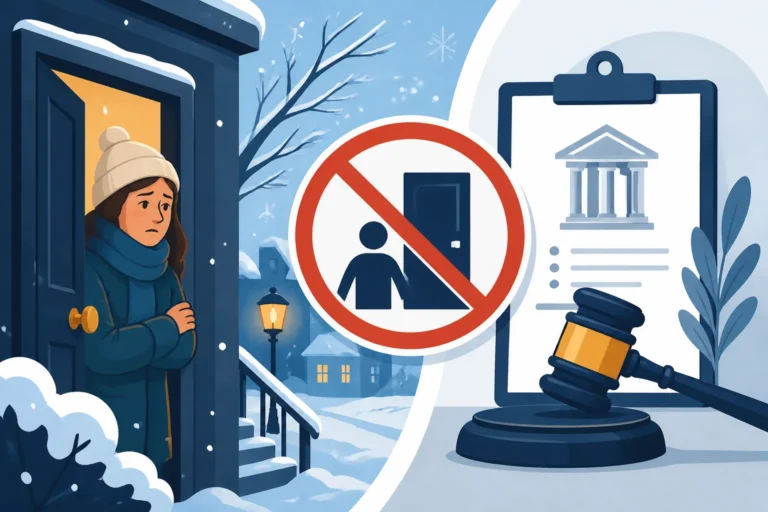
It's a common misconception that a tenant who overstays is automatically a "squatter." Squatters typically occupy a property without any initial legal right or agreement, whereas a holdover tenant initially had a valid lease. This distinction is not just semantic; it dictates the legal process you must follow. You cannot simply change the locks or remove their belongings, no matter how frustrating their presence might be. Such actions, known as illegal self-help evictions, are strictly prohibited and can result in significant penalties, including fines and having to pay damages to the tenant.
The Immediate Risks and Frustrations for Landlords
The immediate aftermath of a tenant overstaying can be a whirlwind of stress and financial strain. For starters, you're likely losing income. If you had a new tenant lined up, that income is now delayed, and you might even face legal issues with the prospective tenant for breach of contract if you can't deliver the unit on time. On top of that, you're still responsible for property taxes, insurance, and potentially utilities, all while receiving no rent or, at best, only the old rental amount which might be below market value.
Beyond the monetary aspects, there's the sheer inconvenience. You can't perform necessary maintenance, upgrades, or even show the unit to potential renters with someone still living there without proper notice and permission. This situation puts landlords in a difficult spot, as they're often balancing the desire for swift resolution with the need to adhere to complex legal procedures. The emotional toll of dealing with an uncooperative tenant, especially when you feel your property rights are being violated, can also be considerable. It's a truly disheartening experience to have your plans derailed by a tenant who disregards their contractual obligations.
Initial Steps Before Formal Eviction
When you realize your tenant hasn't moved out on the agreed-upon date, the first reaction might be panic or anger. However, taking a deep breath and proceeding strategically is paramount. Jumping straight to an eviction filing without due diligence can prolong the process and even backfire. There are several crucial steps to take before initiating formal legal proceedings.
Clear Communication and Negotiation
Before escalating to legal action, always try to communicate. Sometimes, a tenant's overstay is due to unforeseen circumstances, a misunderstanding, or simply poor planning. Reach out to them in writing – a text message, email, or a formal letter, but always follow up with written confirmation – to remind them that their lease has ended and they need to vacate. Reiterate the move-out date and ask about their plans. You might discover they just need a few extra days, which could be less disruptive than starting a full eviction.
In some cases, you might even consider offering a "cash for keys" agreement. This involves offering the tenant a sum of money in exchange for them vacating the property by a specific date, leaving it clean, and surrendering the keys. While it feels counterintuitive to pay someone who is already in breach, it can often be far less expensive, faster, and less stressful than a lengthy and unpredictable eviction process. Just make sure any such agreement is in writing, clearly outlining the terms and conditions, signed by both parties, and includes a clear release of liability. A simple agreement drafted through a service like LawDepot could be a great starting point for such a negotiation.
Documenting Everything Thoroughly
In any landlord-tenant dispute, documentation is your best friend. From the moment you suspect a holdover situation, start meticulously documenting every interaction, every notice, and every observation. This includes:
- Copies of the original lease agreement: Ensure you have the fully executed document with all addendums.
- Proof of lease expiration: The lease itself serves this purpose.
- Communication records: Keep dated copies of all emails, texts, and letters sent to the tenant regarding their move-out. Note down dates and summaries of phone calls.
- Photos/videos: While they are still in the property, you generally can't just waltz in to take photos of the interior, but you should have photos from their move-in to compare against the eventual move-out condition. Our guide on how to document your apartment at move-in is invaluable here.
- Rejected rent payments: If you refuse to accept rent after the lease expires (which you should if you want them out), document that refusal.
This detailed record-keeping will be invaluable if you end up in court. Judges rely heavily on clear, consistent evidence. Property management software like DoorLoop can be incredibly useful for centralizing all communications and documents, making it easier to track and retrieve them should the need arise. Without proper documentation, your case could be weakened, or even dismissed, prolonging your legal woes.
Navigating Formal Notices and Eviction Proceedings
When direct communication and negotiation fail, or if the tenant simply refuses to acknowledge the lease's end, it's time to transition to formal legal procedures. This is not a step to take lightly, and it's imperative to follow the law precisely to avoid any missteps that could delay or invalidate your case.
The Importance of Proper Notice
The very first formal step in removing a holdover tenant is to issue a proper legal notice. This is critical because it officially informs the tenant that their tenancy is terminated (if it had implicitly become month-to-month) or that they are now trespassing. The specific type of notice required can vary depending on state and local laws, and whether you accepted rent after the lease expired.
- Notice to Vacate / Notice to Quit: If the tenant did not transition to a month-to-month tenancy (i.e., you did not accept rent after the lease expired), you might issue a "Notice to Vacate" or "Notice to Quit." This notice typically states that the tenant must leave the premises by a certain date. The length of this notice period varies by state; some require as little as 3 days, others 30, 60, or even 90 days. It's often equivalent to the rent payment period (e.g., 30 days for a month-to-month). Our guide on how to write a notice to vacate provides templates and essential information.
- Unconditional Notice to Quit: In some jurisdictions, if a tenant is a holdover without any implied new tenancy, an unconditional notice to quit may be appropriate, giving them no option to remedy a lease violation, only to leave.
Crucially, you must serve this notice correctly. Many states require specific methods of service, such as personal delivery, certified mail with a return receipt, or posting it on the property and mailing a copy. Improper service can invalidate the entire eviction process, forcing you to start over. Always consult your state's specific laws regarding eviction notice types to ensure compliance.
Understanding the Eviction Process
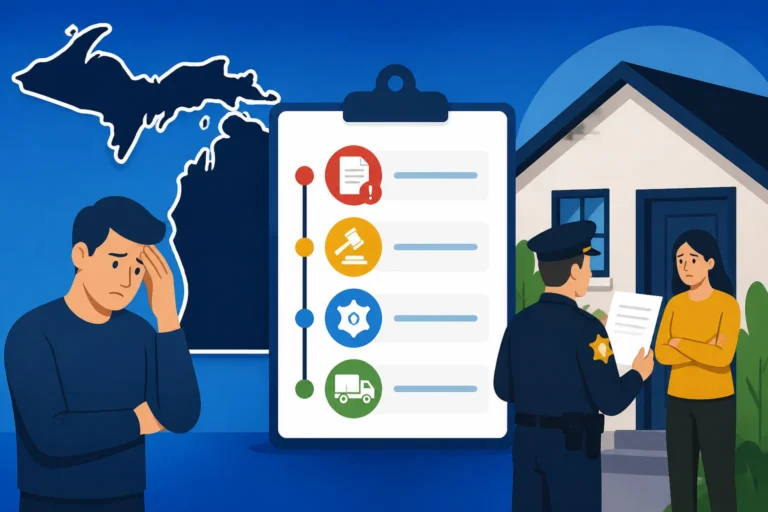
If the tenant still doesn't vacate after the notice period expires, the next step is to initiate a formal eviction lawsuit, also known as an "unlawful detainer" action in many states. This is a court process designed to legally remove a tenant. Here's a general overview of the steps involved, though specifics can vary significantly by state:
- File a Complaint (Unlawful Detainer): You, the landlord, will file a complaint with the appropriate local court (often a Justice Court, District Court, or Small Claims Court). This complaint will outline why you are seeking possession of the property and will include details like the lease agreement, the termination notice, and the fact that the tenant has not vacated. You'll need to pay a filing fee.
- Serve the Summons and Complaint: After filing, the court will issue a summons. Both the summons and a copy of your complaint must be legally served on the tenant. Again, rules for service are strict and often require a sheriff, process server, or authorized third party to deliver these documents.
- Tenant's Response: The tenant will have a set amount of time (e.g., 5-30 days, depending on the state) to file a written answer with the court. If they don't respond, you may be able to win by default. If they do respond, they might raise defenses, which can complicate the process.
- Court Hearing: If the tenant responds, a court hearing will be scheduled. Both you and the tenant will present your cases, evidence, and any witnesses. This is where your meticulous documentation from earlier steps becomes absolutely invaluable. The judge will decide whether to grant you possession of the property.
- Judgment: If the judge rules in your favor, they will issue a judgment for possession. This is a legal order stating that you have the right to reclaim your property.
- Writ of Possession: Even with a judgment, you cannot physically remove the tenant yourself. You must obtain a "Writ of Possession" (also sometimes called a "Warrant of Removal" or "Writ of Restitution") from the court. This writ is an order directing the local law enforcement (sheriff or marshal) to remove the tenant and their belongings from the property.
- Sheriff Removal: Only the sheriff or marshal can physically remove the tenant. They will typically post a notice on the property informing the tenant of the final date they must vacate. If the tenant still remains, the sheriff will oversee their removal. Our comprehensive guide on the eviction process by state (step-by-step) can give you a better idea of how long an eviction takes and what to expect in your specific area.
This entire process, from notice to removal, can take weeks or even months, depending on the state, the court's schedule, and whether the tenant fights the eviction. It's a testament to the legal protections afforded to tenants, even those who have overstayed their welcome.
Recovering Damages and Preventing Future Issues
Once the property is finally vacant, your ordeal isn't necessarily over. You'll want to assess any financial losses incurred due to the holdover and take steps to prevent similar situations in the future.
Collecting Holdover Damages
Many states have specific laws regarding "holdover damages" that a landlord can claim when a tenant stays beyond their lease term without permission. These damages often go beyond just the lost rent. For example, some states allow landlords to recover double or even treble (triple) the normal rent for each day the tenant unlawfully remained on the property. This is meant to discourage tenants from intentionally overstaying and to compensate landlords for the significant disruption and costs incurred.
In addition to increased rent, you might also be able to claim:
- Lost rent: For any period you couldn't re-rent the property due to the holdover.
- Court costs and legal fees: Many lease agreements include clauses that make the tenant responsible for these if an eviction becomes necessary.
- Damages to the property: Beyond normal wear and tear, if the tenant caused additional damage.
- Cleaning costs: If the tenant left the property in an unacceptable condition.
Collecting these damages might require a separate small claims lawsuit if the eviction court doesn't handle monetary judgments, or if the tenant doesn't have a security deposit large enough to cover the losses. It's a complex area, and what you can legally claim will depend heavily on your local laws and the specifics of your lease.
Here's a simplified look at potential holdover rent liabilities:
| Scenario | Tenant's Status | Common Legal Consequence (General) |
|---|---|---|
| Lease expires, tenant stays, landlord accepts rent | Month-to-month tenant | New periodic tenancy (e.g., month-to-month) at original rent terms, requiring proper notice to terminate. |
| Lease expires, tenant stays, landlord does not accept rent, gives proper notice | Tenant at Sufferance (Holdover) | Landlord can pursue eviction and potentially recover increased rent (e.g., double rent) for the holdover period. |
| Tenant receives Writ of Possession, still refuses to leave | Trespasser | Law enforcement can physically remove the tenant. Landlord can still pursue all damages. |
Future-Proofing Your Leases and Procedures
The best offense is a good defense, and in landlord-tenant relationships, that means a robust lease agreement and clear, consistent procedures. Preventing holdover situations starts long before the current lease expires.
- Strong Lease Clauses: Ensure your lease clearly defines the lease term, the exact move-out date, and explicitly states the consequences of holding over, including potential daily charges (e.g., 1.5x or 2x the daily pro-rated rent). A well-drafted lease, perhaps utilizing a service like LawDepot for its comprehensive clauses, can deter tenants from overstaying and provide a stronger legal basis if you need to go to court. Also, clarify what constitutes the end of the lease: returning keys, vacating all personal property, and the property being in a specified condition.
- Proactive Communication: About 60-90 days before a lease expires, send a reminder to your tenants about the upcoming end date and ask about their intentions to renew or vacate. This opens a dialogue early and gives you time to plan.
- Move-Out Instructions: Provide clear, written move-out instructions well in advance. This should cover cleaning expectations, utility shut-off procedures, and key return logistics. Conduct a thorough move-out inspection, comparing the property's condition to your move-in documentation. Our move-in / move-out inspection guide offers detailed steps for this.
- Timely Action: If a tenant indicates they won't be leaving, or if the lease expires and they are still there, act promptly. Don't delay in sending notices or initiating legal proceedings if necessary. Delays can be interpreted as implied consent to their continued occupancy or can weaken your claim for holdover damages.
- Professional Management Tools: Using property management software can help streamline reminders, track communications, and store all lease-related documents securely. Companies like DoorLoop provide features that help landlords manage renewals and move-outs more efficiently, reducing the chances of a tenant falling through the cracks or ignoring their responsibilities. This proactive approach ensures you’re not caught off guard and have all your ducks in a row.
By being diligent and following legal protocols, you can navigate the difficult situation of a holdover tenant and protect your investment for the long term.
Disclaimer
The information provided in this guide is intended for general informational purposes only and does not constitute legal advice. Landlord-tenant laws vary significantly by state and local jurisdiction. It is highly recommended that you consult with a qualified attorney in your area for advice specific to your situation before taking any action.