My Tenant Hasn’t Paid Rent in 3 Months: What Do I Do?
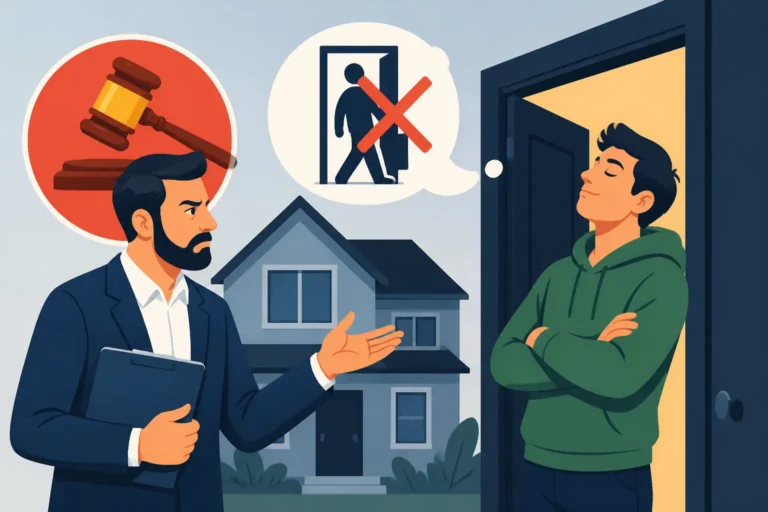
It’s a landlord's worst nightmare, isn't it? Three months of unpaid rent is not just a missed payment; it's a huge financial and emotional burden that can throw your entire budget into disarray. You're not alone in feeling frustrated, worried, and perhaps even a little betrayed. This guide will walk you through the essential steps to address this serious issue, from initial communication to formal eviction proceedings, ensuring you understand your options and rights.
The Immediate Reality of Unpaid Rent and Your Lease
Finding yourself in a situation where a tenant hasn't paid rent for three months can feel overwhelming. It impacts everything from covering your mortgage and property taxes to maintaining the property and managing your own personal finances. Before taking any drastic steps, it's crucial to understand the immediate implications and to meticulously review your existing agreement.
The Financial and Emotional Toll
Let's be real, managing a rental property is a business, and when that income stream dries up, especially for an extended period, it's a crisis. You might be juggling your own bills, mortgage payments, property taxes, and maintenance costs, all while that expected rent money is nowhere to be found. This financial strain often comes with a significant emotional toll—stress, anxiety, and even anger are completely valid feelings. You’re likely wondering how you’ll cover expenses, and how long this situation can possibly drag on. The longer it goes, the harder it is to recover, not just the lost rent, but the cost of utilities, potential damages, and the process of finding a new tenant. It can feel like you're in a financial vise, and knowing what to do next can bring a much-needed sense of control.
Reviewing Your Lease Agreement
Before you do anything else, grab your tenant's signed lease agreement. This document is your foundational legal guide. It outlines the specific terms your tenant agreed to, including the monthly rent amount, the due date, any grace periods, and late fees. Crucially, it should also detail what constitutes a lease violation for nonpayment and the initial steps you outlined for addressing it.
Look for clauses regarding:
- Rent Due Date and Grace Periods: Does your lease allow a few extra days after the first of the month before rent is officially considered late? Knowing this is key to understanding when formal notices can be issued.
- Late Fees: Are there provisions for late fees, and how are they calculated? While these might not solve the current problem of three months' missed rent, they are an important part of the financial picture.
- Eviction Procedures: While state laws govern the actual eviction process, your lease might contain specific language about tenant responsibilities if rent is not paid.
Understanding these details from your signed agreement will inform every step you take moving forward and strengthen your position if the situation escalates to legal action. For those who used comprehensive tools like LawDepot to create their leases, finding these clauses should be straightforward.
Initial Steps Before Considering Formal Eviction
Jumping straight to eviction might seem like the natural response, but in many cases, especially when dealing with a previously reliable tenant, there are critical steps you should take beforehand. These actions not only demonstrate your good faith but also build a strong documented record should you need to proceed legally.
Open Communication and Documentation
Even after three months, initial communication is paramount. It’s possible there's a reason for the nonpayment that you're unaware of – a job loss, a medical emergency, or another unforeseen circumstance. While not an excuse for breaking the lease, understanding the situation can sometimes open doors for a resolution. Send a clear, written communication – a certified letter, email, or a communication through a property management portal like DoorLoop – inquiring about the missed payments. Keep it professional and factual, stating the amounts due and the period they cover.
Make sure to:
- Keep a Paper Trail: Every communication, whether a text, email, or formal letter, should be documented. Note the date, time, method of communication, and a summary of the conversation or the content of the message. This documentation is invaluable if you end up in court.
- Avoid Harassment: While you need to communicate, be careful not to badger or threaten your tenant. There are legal boundaries for landlord communication, and crossing them could backfire. Your aim is to get information and hopefully, payment, not to provoke further issues.
- Deliver a Pay or Quit Notice: This is typically the first formal step after rent is overdue. It's a legal notice demanding payment within a certain timeframe (often 3-5 days, but this varies by state) or the tenant must vacate the property. This notice initiates the legal process and is usually a prerequisite for filing an eviction lawsuit. For detailed requirements, you'll want to review your specific state’s Eviction Notice Types Pay or Quit Cure or Quit Unconditional.
This initial contact isn't just about trying to get paid; it's about establishing a clear record that you attempted to resolve the issue amicably and formally notified the tenant of their outstanding debt and the consequences.
Exploring Payment Plans or Agreements
Sometimes, a tenant facing financial hardship genuinely wants to catch up but needs a structured way to do it. Offering a temporary payment plan or a formal repayment agreement can sometimes be a lifeline for both parties, potentially avoiding the lengthy and costly eviction process. This isn't about letting them off the hook, but about creating a clear path forward.
Consider these aspects:
- Formalize Everything in Writing: If you agree to any payment plan, no matter how small, put it in writing. Outline the specific amounts, due dates, and what happens if the tenant fails to meet these new terms. Both you and the tenant should sign this new agreement. Think of it as an addendum to the original lease.
- Be Realistic: Evaluate your tenant's situation and your own financial needs. Can they realistically pay back three months' rent plus current rent within a reasonable timeframe? If not, a payment plan might only delay the inevitable.
- Pros and Cons: The upside of a payment plan is potentially recovering lost rent without court costs, legal fees, and the hassle of finding a new tenant. The downside is the risk of the tenant failing to uphold the agreement, putting you back at square one, but with more lost time and money.
A structured repayment plan could involve adding a portion of the overdue rent to each subsequent month's payment until the debt is cleared. This shows empathy while still ensuring you recover what's owed. Platforms like LawDepot can offer templates for these kinds of agreements, ensuring they are legally sound.
Understanding and Issuing an Eviction Notice
When communication and payment plans don't work, the next unavoidable step is issuing a formal eviction notice. This isn't just a stern letter; it's a legally required document that formally initiates the eviction process. Skipping this step or doing it incorrectly can significantly delay your ability to regain possession of your property.
Types of Eviction Notices for Nonpayment
For nonpayment of rent, the most common type of eviction notice is often called a "Notice to Pay Rent or Quit" or simply a "Pay or Quit Notice." This notice serves two primary purposes: it demands that the tenant pay the overdue rent within a specified number of days (usually 3 to 5, depending on state law) or vacate the property.
Here's what makes it crucial:
- Strict Timeframes: Each state has specific requirements for how long the tenant has to respond. For instance, in California, a 3-day notice to pay rent or quit is standard, while in other states, it might be slightly longer. Understanding these specific Security Deposit Laws by State 2026 is vital, as the eviction process will vary.
- Specificity of Information: The notice must be precise. It needs to clearly state:
- The exact amount of rent owed.
- The period for which the rent is owed (e.g., "rent for October, November, and December 2026").
- Any allowable late fees (ensure these comply with your state's Late Fee Laws & Limits by State).
- The deadline by which the tenant must either pay or move out.
- A statement that if they fail to do either, you will initiate legal proceedings to evict them.
- No Cure Option: Unlike a "Cure or Quit" notice for lease violations that can be fixed (like having an unauthorized pet), a "Pay or Quit" notice offers payment as the only way to "cure" the breach. If they don't pay the full amount (and any legally allowed late fees) within the stated timeframe, the lease terminates, and you can proceed with an eviction lawsuit.
Serving the Notice Correctly
Issuing the notice is one thing; properly serving it is another entirely. This step is often where landlords make mistakes that can get their entire eviction case thrown out of court. Each state has strict rules about how an eviction notice must be delivered to be legally valid.
Common methods of service include:
- Personal Service: Handing the notice directly to the tenant. This is usually the most straightforward and preferred method.
- Substituted Service: If the tenant isn't home, leaving the notice with another person of suitable age (usually 18 or older) at the rental property and mailing a copy via first-class mail.
- Posting and Mailing ("Nail and Mail"): Attaching the notice to the main entry door of the property and mailing a copy via first-class mail. This is typically a last resort and often requires prior court approval or specific state provisions.
It is absolutely crucial to How to Serve an Eviction Notice Correctly. You'll need proof that the tenant received the notice, or at least that you made a diligent effort to serve it according to the law. Always keep a copy of the notice for your records, along with a "Proof of Service" document, which is a sworn statement detailing how and when the notice was delivered. Missing a single detail in this process can lead to significant delays and added expenses, so taking the time to ensure proper service is well worth it. Property management software like DoorLoop can often help track these processes and ensure proper documentation.
The Formal Eviction Process in Court
If your tenant fails to pay the rent or vacate the property after receiving a proper eviction notice, your next step is to file a formal eviction lawsuit in court. This process, often called an "unlawful detainer" action, is the only legal way to remove a tenant who won't leave voluntarily.
Filing an Unlawful Detainer Lawsuit
An unlawful detainer lawsuit is a specific type of legal action aimed at regaining possession of your property from a tenant who is wrongfully occupying it. This is typically filed in your local civil court or justice court.
Here’s a general overview of what this entails:
- Petition/Complaint: You'll need to fill out and file a formal petition or complaint with the court, detailing the facts of the case: the lease agreement, the unpaid rent amounts, the date the pay-or-quit notice was served, and the tenant's failure to comply. You'll also specify what you're asking the court for—primarily, possession of the property and, in most cases, a judgment for the unpaid rent and any applicable late fees.
- Court Fees: Be prepared to pay filing fees, which can vary significantly by jurisdiction. These fees are typically added to the amount you can request from the tenant in a judgment.
- Serving the Tenant: Just like the initial eviction notice, the tenant must be legally served with the court summons and complaint. This is usually done by a sheriff, process server, or another authorized individual, ensuring the tenant receives official notification of the lawsuit and the date they need to appear in court. Again, proper service is paramount, and any errors here can cause major setbacks.
The eviction timeline can vary wildly from state to state. For example, the Eviction Timeline in California How Long It Takes might differ substantially from the Eviction Timeline in Texas How Long It Takes. Researching your state's specific process is critical.
Court Hearing and Judgment
Once the tenant has been properly served, a court date will be set. Both you (or your attorney) and the tenant will present your cases to a judge or magistrate.
During the hearing:
- Your Evidence: You'll need to provide all your documentation: the lease agreement, copies of the pay-or-quit notice with proof of service, a detailed ledger of missed payments, and any correspondence you had with the tenant regarding the unpaid rent. Be ready to explain the situation clearly and concisely.
- Tenant's Defense: The tenant will have an opportunity to present any defenses they might have. These could range from claiming they paid the rent (with evidence like receipts or bank statements) to alleging that you failed to maintain the property, making it uninhabitable, or that the eviction is retaliatory.
- The Judge's Decision: If the judge rules in your favor, they will issue a judgment for possession of the property and, typically, for the past-due rent and any court costs or attorney fees you are legally entitled to recover. If the tenant successfully defends themselves, the case could be dismissed, forcing you back to square one.
Winning a judgment for possession is a significant step, but it's important to understand that a judgment for money doesn't guarantee you'll actually collect the unpaid rent. Tenants who are evicted often don't have the funds to pay what they owe.
The Writ of Possession and Tenant Removal
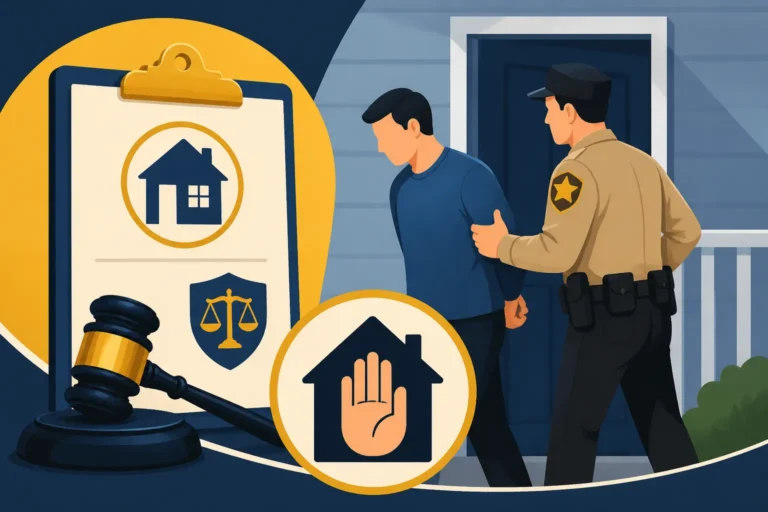
Even after receiving a favorable judgment from the court, you cannot physically remove the tenant yourself. That's a huge no-no and can lead to serious legal repercussions for you, the landlord. The next step is obtaining a "Writ of Possession."
Here's how it works:
- Requesting the Writ: After the judgment for possession is granted and any appeals period has passed, you'll need to apply to the court for a Writ of Possession. This is an official court order authorizing law enforcement to remove the tenant.
- Sheriff or Marshal Enforcement: Once issued, you'll deliver the writ to the local sheriff's department or county marshal's office. They will schedule a date and time to physically execute the eviction. The sheriff will post a final notice on the tenant's door, giving them a last chance to vacate.
- Tenant Lockout: On the scheduled day, a deputy sheriff or marshal will oversee the lockout. You, or your designated representative, will need to be present to change the locks immediately after the tenant has been removed.
This final stage is often referred to as The Writ of Possession & Sheriff Removal. It's a somber but necessary part of the process when a tenant refuses to leave. Remember, attempting self-help evictions like changing locks or shutting off utilities is illegal and can lead to severe penalties. Always let law enforcement handle the physical removal.
Crucial Considerations and Tenant Defenses
While you're working through the eviction process, it's vital to be aware that tenants have rights and may raise various defenses. Being prepared for these can help you strengthen your case and navigate the legal landscape more effectively.
Tenant Rights and Potential Counterclaims
Even when a tenant hasn't paid rent, they still have certain rights, and they might try to use these rights to fight the eviction. Understanding these potential challenges is key to building a solid case.
Common tenant defenses and counterclaims include:
- Breach of Warranty of Habitability: This is a big one. Tenants might claim you failed to maintain the property in a safe and livable condition. For example, if there were major issues like a lack of heat, no hot water, a severe pest infestation, or significant structural problems that you failed to address after proper notification, the tenant might argue that the property was "uninhabitable" and that they were justified in withholding rent or deducting for repairs. This is why it's crucial to address Landlord Repair Responsibilities What They Must Fix promptly.
- Retaliatory Eviction: If the tenant recently complained to a housing authority or made a legitimate repair request, they might argue that the eviction is simply you getting back at them. Landlord retaliation is illegal in most states.
- Improper Notice/Service: As we discussed, any error in the eviction notice itself or the way it was served can lead to the court dismissing your case. Tenants or their legal aid might scrutinize every detail.
- Discrimination: Though less common in nonpayment cases, a tenant could allege that the eviction is a form of discrimination based on a protected class (race, religion, gender, family status, etc.).
- Payment Disputes: The tenant might claim they did pay the rent and have receipts, bank statements, or other proof. This highlights the importance of keeping meticulous records of all rent payments.
Always assume your tenant will try to fight the eviction, and have your documentation in order. Being proactive in maintaining the property and responding to repair requests can head off many of these defenses.
Duty to Mitigate Damages
Even if your tenant is in clear violation of the lease by not paying rent, many states impose a "duty to mitigate damages" on landlords. This means you can't just let the property sit vacant for months accruing more unpaid rent; you have a legal obligation to try and find a new tenant as quickly and reasonably as possible.
What does this mean for you?
- Actively Re-rent: As soon as you decide to evict (or even earlier if the tenant signals they're leaving), you should begin advertising the property for rent. This might include listing it online, showing the unit, and processing new applications.
- Reasonable Efforts: You don't have to rent to just anyone, but you must apply the same screening standards you would for any new tenant. You can't, for example, intentionally overprice the unit to prevent it from renting.
- Impact on Damages: If a court finds that you failed to make reasonable efforts to re-rent the property, it could reduce the amount of rent you are legally allowed to recover from the non-paying tenant. For instance, if a tenant leaves owing three months' rent, but you could have found a new tenant in one month with reasonable effort, a judge might only award you one month's lost rent, not three.
Understanding your Landlord Duty to Mitigate Damages Explained is crucial because it affects the total financial recovery you can expect. Keep records of all your efforts to re-rent the property, such as advertisement listings, dates of showings, and applications received.
| Action Item | Description | Timing | Potential Outcome If Not Followed |
|---|---|---|---|
| Review Lease Agreement | Confirm rent due dates, grace periods, late fees, and non-payment clauses. This is your foundation. | Immediately upon missed payment | Weakens legal standing; confusion on procedures. |
| Send Written Communication | Professional letter/email inquiring about missed payments, stating amount due. Keep detailed records. | After grace period, before formal notice | Lack of documentation; tenant claims no notice. |
| Issue Pay or Quit Notice | Formal legal notice demanding payment within state-mandated timeframe (e.g., 3-5 days) or tenant vacates. Must be precise. | After initial communication fails; adhere to state deadlines. | Eviction lawsuit dismissed; significant delays. |
| Properly Serve Notice | Deliver notice according to state-specific legal requirements (personal, substituted, mail & post). Obtain proof of service. | Immediately after drafting notice | Eviction lawsuit dismissed due to procedural error. |
| File Unlawful Detainer Lawsuit | Submit formal complaint to court if tenant fails to comply with notice. Pay court fees. | After Pay or Quit notice period expires and tenant hasn't complied. | Inability to legally remove tenant. |
| Serve Court Summons & Complaint | Ensure tenant receives official court documents by authorized process server (sheriff, private server). | After court filing, within specified court deadlines. | Case dismissal; tenant claims lack of due process. |
| Attend Court Hearing | Present your evidence (lease, notices, payment ledger, communications) to the judge. | On scheduled court date. | Default judgment against you; loss of case. |
| Request Writ of Possession | Apply for court order authorizing law enforcement to remove tenant after favorable judgment. | After judgment for possession is granted and appeal period passes. | Inability to legally remove tenant; risk of self-help. |
| Coordinate with Sheriff/Marshal | Work with law enforcement to schedule and oversee the physical lockout. | After Writ of Possession is issued. | Illegal self-help eviction risks. |
| Mitigate Damages | Actively market and try to re-rent the property to a new, qualified tenant. Document all efforts. | As soon as tenant indicates departure or eviction process begins. | Reduced financial recovery for lost rent. |
When to Seek Professional Legal Guidance
Navigating landlord-tenant law, especially when it involves eviction, can be incredibly complex. Even for experienced landlords, the nuances of state and local regulations can be a minefield. That's why knowing when to call in the professionals is paramount.
The Value of a Landlord-Tenant Attorney
While it might seem like an additional expense, hiring a landlord-tenant attorney can often save you significant time, money, and stress in the long run. An attorney specializing in these cases understands the intricate laws and procedures specific to your state and even your city.
They can assist with:
- Ensuring Compliance: From drafting the correct Eviction for Nonpayment of Rent notice to proper service and court filings, an attorney ensures every step is legally compliant, minimizing the risk of delays or dismissals. They are experts in Eviction Process by State Step-by-Step and can help you avoid common pitfalls.
- Court Representation: Appearing in court can be intimidating. An attorney can represent you, present your case effectively, and counter any tenant defenses or counterclaims. Their experience in the courtroom can be invaluable.
- Negotiation and Mediation: Sometimes, a settlement can be reached outside of court. An attorney can skillfully negotiate on your behalf, potentially leading to an agreement where the tenant vacates without a drawn-out court battle, perhaps through a "cash for keys" arrangement.
- Damage Recovery: While getting possession back is usually the priority, an attorney can also help pursue a judgment for unpaid rent and advise on the feasibility of collecting it. They can also provide guidance if you ever need to consider Suing a Landlord for Your Deposit Small Claims & Penalties, offering insight from the other side of the legal fence.
Attempting to handle a complex eviction on your own, especially after three months of unpaid rent, can be a false economy. The smallest procedural error could set you back weeks or months and cost you more in lost rent and repeated court fees.
Utilizing Property Management Tools
For landlords managing multiple properties, or even just one, robust property management software can be an absolute lifesaver. Tools like DoorLoop can streamline many of the administrative tasks that become critical during a nonpayment situation, from rent collection to generating notices.
These platforms often provide features such as:
- Automated Rent Tracking: Clearly shows when rent is due, when it's paid, and any outstanding balances, giving you an undeniable record of three months of nonpayment.
- Lease Management: Stores your lease agreements and critical clauses, making it easy to reference rules on grace periods, late fees, and eviction procedures.
- Communication Hub: Centralizes all tenant communications, creating that vital paper trail you need. You can send messages, receive replies, and have a clear record of when and what was discussed.
- Document Generation: Many platforms can assist with generating standardized notices, such as a "Pay or Quit" notice, ensuring they include all necessary information, though always double-check against current state laws or consult an attorney.
- Reporting: Generates detailed reports on rental income, arrears, and expenses, which are invaluable for court proceedings or tax purposes.
While a software solution can’t replace legal advice, it can significantly organize your records and automate mundane tasks, freeing you up to focus on the strategic aspects of managing your property and resolving difficult situations like a tenant who hasn't paid rent in three months.
Disclaimer
Please remember that this guide provides general information and is not legal advice. Landlord-tenant laws vary significantly by state and even by local municipality. It is crucial to consult with a qualified attorney in your jurisdiction for advice tailored to your specific situation. Laws are constantly evolving, and a legal professional can provide the most accurate and up-to-date guidance.