Security Deposit Interest in Florida
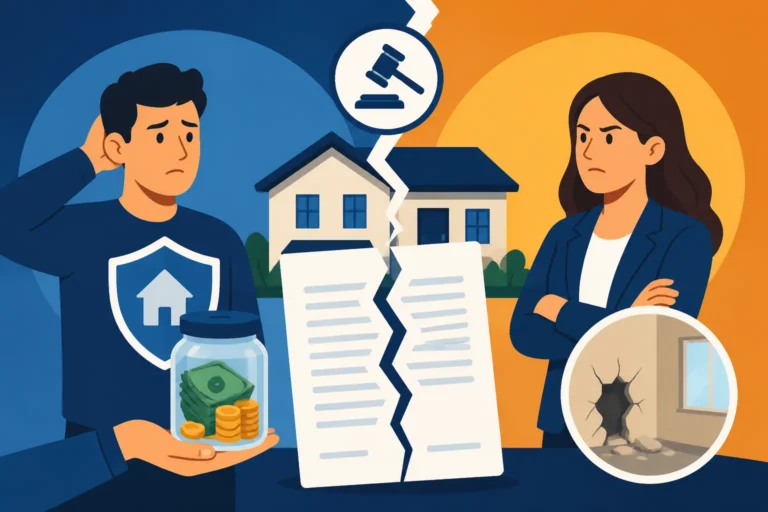
It can feel incredibly frustrating when you move out of a rental property, you're expecting your security deposit back, and then you start wondering about things like interest. After all, your money has been sitting with your landlord for months, or even years! Many renters assume their landlord is earning interest on that sizable chunk of change and that some of it should come back to them. But the truth about security deposit interest, especially here in a popular state like Florida, isn't always what you'd expect, and navigating the specifics can be a real headache. This guide is here to break down exactly what Florida law says about security deposit interest, helping both tenants and landlords understand their rights and responsibilities.
Understanding Security Deposit Rules in Florida
Florida's landlord-tenant laws, primarily found in Florida Statutes Chapter 83, lay out a clear framework for how security deposits should be handled. While some states have very specific rules about interest, Florida takes a slightly different approach, which often leads to confusion for renters expecting a little extra back.
How Landlords Must Hold Your Deposit
One of the most important aspects of Florida's security deposit law isn't about interest directly, but about how your landlord is required to hold your money. This is where the possibility of interest first comes into play, even if it's not a guarantee. Landlords in Florida have three distinct options for safeguarding a tenant's security deposit:
- Separate Non-Interest-Bearing Account: This is the most common choice. The landlord can simply place your security deposit in a separate bank account, one that does not earn any interest, solely dedicated to holding security deposits. This account cannot be commingled with the landlord's personal or business funds. In this scenario, no interest is accrued, and therefore, no interest is owed to the tenant.
- Separate Interest-Bearing Account: A landlord can choose to put your deposit into a separate interest-bearing account. Again, this account must be dedicated solely to holding security deposits and cannot be mixed with other funds. If they choose this option, the landlord has a further decision to make regarding the interest, which we'll dive into shortly.
- Posting a Surety Bond: Instead of depositing the money into a bank account, a landlord can opt to post a surety bond with the clerk of the circuit court in the county where the rental property is located. This bond must be for the total amount of the security deposits or $50,000, whichever is less. With a surety bond, there is no interest involved for the tenant, as the money isn't held in an account that generates it.
It's crucial for tenants to understand that their landlord must notify them within 30 days of receiving the security deposit about which method they've chosen to hold the funds. This notice should include the name and address of the bank or financial institution where the deposit is held, or state that a surety bond has been posted. If a landlord fails to provide this written notice within the 30-day window, they could forfeit their right to make any deductions from the deposit when you move out. This is a powerful piece of information for tenants, as a landlord's oversight here could mean you're entitled to your full deposit back, regardless of any damage claims. For more details on this, you might find our guide on Security Deposit Receipt Requirements helpful.
Florida Law on Security Deposit Interest
Now for the big reveal: Florida state law generally does NOT require landlords to pay interest on security deposits. This is a common misconception, especially for renters who have lived in other states with different regulations. Many states, like Massachusetts or New York, have explicit laws mandating interest payments to tenants on their security deposits. Florida is not one of them.
However, there's an important caveat. If a landlord chooses to place your security deposit in a separate interest-bearing account (option #2 above), then Florida law does dictate how that interest should be handled. In this specific scenario, the landlord has two options:
- Pay 75% of the annual interest: The landlord can agree to pay the tenant 75% of the annualized interest rate actually earned on the deposit. This means whatever interest the bank account genuinely accrues, you, the tenant, would get three-quarters of it.
- Pay 5% simple annual interest: Alternatively, the landlord can pay the tenant 5% simple annual interest. This fixed rate applies regardless of whether the actual account earns more or less than 5%.
The key takeaway here is that the landlord isn't forced to choose an interest-bearing account in the first place. If they opt for the non-interest-bearing account or a surety bond, you won't see any interest. Your eligibility for interest hinges entirely on your landlord's choice of how to hold the deposit and what is stipulated in your lease agreement.
When You Might Be Entitled to Security Deposit Interest
Even though Florida doesn't mandate interest on security deposits, there are specific circumstances where a tenant could be entitled to it. It all boils down to transparency, the landlord's initial decision, and the terms you agreed upon when you signed your lease.
The Landlord's Choice and Lease Terms
As we discussed, if your landlord elects to put your security deposit in an interest-bearing account, they then become obligated to pay you either 75% of the accrued interest or a fixed 5% simple annual interest, depending on what was specified. But how do you know which choice they made? That notification within 30 days is your golden ticket. If your landlord informed you they placed your deposit in an interest-bearing account, and they stated which option (75% or 5%) they'd be using, then you have a clear expectation of receiving interest.
What if your lease specifically states that your deposit will be held in an interest-bearing account and that you will receive interest, even if the landlord didn't send the 30-day notice or later moved the funds? The lease agreement is a legally binding contract. If those terms are in black and white, the landlord is generally bound to them. This highlights why reading your lease thoroughly before signing is so critical. A well-drafted lease, perhaps put together using resources like LawDepot, will explicitly detail these terms.
Let's imagine a scenario: You moved into your apartment in Miami, and your landlord, who manages several properties, told you in writing that your $2,000 security deposit would be held in an interest-bearing account and that you'd receive 5% simple annual interest. Three years later, you move out. Even if the actual interest rate at the bank was lower, under Florida Statute 83.49, you would be entitled to 5% of $2,000 for each of those three years (i.e., $100 per year, totaling $300). This is a fixed amount based on the principal, not a fluctuating market rate.
The Importance of Your Lease Agreement
Your lease agreement is the foundation of your tenancy, and it's paramount when it comes to understanding your rights and responsibilities regarding security deposits and any potential interest.
- Explicit Clauses: If your lease contains a clause stating that your security deposit will be held in an interest-bearing account and outlines how that interest will be disbursed (e.g., 75% of actual interest or 5% simple annual interest), then those terms are legally enforceable.
- Absence of Clauses: More often than not, in Florida, leases will be silent on the matter of security deposit interest or explicitly state that no interest will be paid. In such cases, because Florida law doesn't mandate it, you generally won't be entitled to any interest.
- Discrepancies: What if your landlord's initial 30-day notice contradicts your lease? This is where things can get tricky. Generally, the written lease agreement takes precedence. However, if the landlord's notice created a reasonable expectation of interest payment, and you relied on that, you might have grounds for a claim. It's always best to clarify any discrepancies immediately and in writing.
Always keep a copy of your signed lease and any communication from your landlord regarding your security deposit. These documents are your best friends if a dispute arises.
How to Check Your Entitlement and Pursue Interest
So, you've moved out of your rental in Orlando, and you're thinking, "Did my landlord actually put my deposit in an interest-bearing account, and am I owed money?" Here's how to figure it out and what steps you can take.
Reviewing Your Documentation
Your first step is always to go back to the paperwork.
- Your Lease Agreement: Carefully reread your entire lease. Look for any clauses specifically mentioning security deposits, how they're held, and any mention of interest. If it says nothing about interest or explicitly states no interest will be paid, then under Florida law, you likely aren't owed any.
- Landlord's Initial Notice: Did your landlord send you a written notice within 30 days of receiving your security deposit? This notice should have stated how your deposit was being held (non-interest-bearing account, interest-bearing account, or surety bond) and the name and address of the financial institution or the court where the bond was filed. If this notice specified an interest-bearing account and the method of interest disbursement (75% of actual or 5% simple), then you have a clear claim. If you never received this notice, that's a separate issue entirely, as your landlord might forfeit their right to deduct from your deposit. Our article on What to Do If a Landlord Misses the Deposit Deadline delves into this more.
- Other Communications: Review any emails, letters, or other written communications you've had with your landlord about the deposit. Sometimes, even if the lease is silent, a landlord might have made a promise in writing.
If, after reviewing your documents, you find evidence that your deposit was held in an interest-bearing account according to your lease or the landlord's notice, then you are entitled to the specified interest.
Communicating with Your Landlord
If you believe you are owed interest, the next logical step is to communicate with your landlord.
- Write a Formal Letter: Don't just call. Send a polite but firm letter via certified mail, return receipt requested, or email, clearly stating your understanding of the situation. Reference the specific clauses in your lease or the landlord's notice that indicate you are due interest. Calculate the amount of interest you believe you are owed and ask for it to be included with your security deposit return.
- Provide a Deadline: Give your landlord a reasonable deadline (e.g., 7-14 days) to respond or remit the funds.
- Be Prepared for Deductions: Remember that even if you're owed interest, your landlord still has the right to make legitimate deductions from your security deposit for damages beyond normal wear and tear or unpaid rent. Ensure you also understand what they can and cannot deduct. We have a detailed guide on What Can a Landlord Deduct From a Security Deposit?.
Platforms like TurboTenant can sometimes facilitate clear communication between landlords and tenants, making sure these exchanges are documented.
Pursuing Legal Action
If your landlord fails to return the interest you believe you're owed, and communication breaks down, you might consider legal recourse.
- Small Claims Court: This is generally the most common avenue for security deposit disputes. In Florida, small claims court typically handles cases where the amount in dispute is $8,000 or less. You would file a lawsuit against your landlord, presenting your evidence (lease, notices, communications) to a judge.
- Gather Your Evidence: Before heading to court, ensure all your ducks are in a row. Have copies of your lease, the 30-day notice from your landlord, records of your rent payments, and any and all correspondence regarding the security deposit and interest. You'll also need documentation of the condition of the property at move-in and move-out, as landlords often try to claim damages.
- Understand Penalties: While Florida law doesn't impose penalties specifically for not paying interest, wrongfully withholding any part of a security deposit (including owed interest) could be subject to penalties. If a landlord fails to return the deposit or provide a written notice of deductions within 15-30 days (depending on whether they intend to make deductions), they may forfeit their right to claim damages. If they then wrongfully withhold, you could sue for the deposit plus potentially attorney's fees. However, Florida does not typically award "double" or "treble" damages for wrongful withholding, unlike some other states.
Before embarking on legal action, it can be helpful to send a formal Security Deposit Demand Letter (How-To + Template) to clearly state your claim and intent. This often resolves disputes without needing court intervention.
Key Takeaways for Florida Security Deposit Interest
To help clarify Florida's nuanced rules around security deposit interest, here's a quick overview of the essential points to remember:
Aspect Florida Rule (FS 83.49) ## Introduction
Getting your security deposit back can often feel like an impossible feat. You've cleaned the place spotless, fixed those small things that broke during your stay, and yet, there always seems to be some reason a landlord holds onto a portion of your hard-earned money. One area that causes particular confusion for many tenants, especially when they move to or from Florida, is the matter of interest on that security deposit. It's not just about getting the principal back, but understanding if the money held for months or years should have generated a little extra for you. This comprehensive guide will walk you through Florida's specific laws regarding security deposit interest, detailing when it applies, when it doesn't, and what you can do to ensure your rights are protected.
Florida's Legal Framework for Security Deposits
Unlike many states that have explicit requirements for landlords to pay interest on security deposits, Florida law takes a more hands-off approach. This distinction is crucial and is often the source of much misunderstanding. Florida Statutes Chapter 83.49 governs how landlords must handle security deposits, outlining specific procedures they need to follow.
The Three Methods for Holding Deposits
In Florida, landlords are given three distinct options for holding a tenant's security deposit. The choice a landlord makes directly impacts whether or not interest might ever come into play for the tenant.
- Non-Interest-Bearing Account: This is arguably the most common and straightforward method. A landlord can place your security deposit in a separate bank account that does not earn any interest. This account must be held in a Florida banking institution and cannot be mixed or "commingled" with the landlord's personal funds or any other business operating funds. Its sole purpose is to hold security deposits. If your landlord chooses this route, it means no interest is generated on your deposit, and consequently, none can be paid to you.
- Interest-Bearing Account: A landlord also has the option to place your security deposit into a separate interest-bearing account. Just like the non-interest-bearing option, this account must be located in a Florida banking institution and must be kept separate from the landlord's other funds. This is the only scenario under Florida law where a tenant might be entitled to receive interest on their security deposit. However, it's critical to remember that this choice is entirely at the landlord's discretion – they are not mandated by law to pick this option.
- Surety Bond: Instead of a bank account, a landlord can satisfy their obligation by posting a surety bond with the clerk of the circuit court in the county where the rental property is located. This bond acts as a guarantee for the return of the deposit. The bond must be for the total amount of the security deposits or $50,000, whichever is less. When a surety bond is used, the actual money isn't earning interest in a bank, so there is no interest component for the tenant.
Within 30 days of receiving your security deposit, your landlord is legally required to notify you in writing which of these three methods they have chosen. This notice must also include the name and address of the bank or institution where the deposit is held, or state that a surety bond has been posted. This is a critical step for landlords. If they fail to provide this timely notice, they can actually forfeit their right to make any claims against your deposit for damages when you move out. This information is vital for tenants to know, as it can significantly strengthen your position if there's a dispute over your deposit's return. To learn more about specific timelines, check out our guide on How Long Does a Landlord Have to Return Your Deposit?.
Florida's Specific Stance on Interest Payments
Here's the essential truth many tenants find surprising: Florida law does not generally require landlords to pay interest on security deposits. This sets Florida apart from states like New Jersey, New York, or Massachusetts, which have explicit statutes mandating such payments. In Florida, the default position is that no interest is owed unless specific conditions are met.
The only time a Florida tenant is legally entitled to interest on their security deposit is if the landlord voluntarily chooses to place the deposit in an interest-bearing account (the second option mentioned above). If the landlord makes this choice, Florida Statute 83.49(1)(a) then outlines how that interest must be handled, giving the landlord two sub-options:
- 75% of Actual Interest: The landlord can elect to pay the tenant 75% of the actual annualized interest earned on the deposit. This means the percentage you receive is directly tied to what the bank account itself accrued over the year.
- 5% Simple Annual Interest: Alternatively, the landlord can choose to pay the tenant a fixed rate of 5% simple annual interest. This rate applies regardless of whether the bank account actually earned more or less than 5%. It's a predetermined percentage based on the principal amount of the deposit for each year it was held.
The key takeaway is that the ball is entirely in the landlord's court regarding the initial decision to place the deposit in an interest-bearing account. If they don't, then interest is simply not an issue. If they do, then they must adhere to one of these two interest payment methods. This makes it incredibly important to understand your specific lease terms and any notices you received from your landlord at the beginning of your tenancy.
The Role of Your Lease Agreement and Other Factors
Understanding whether you're entitled to security deposit interest in Florida isn't just about reading state statutes; it's also about the specific agreement you have with your landlord. Your lease agreement, along with proper documentation, plays a pivotal role.
Lease Clauses and Agreements
Think of your lease agreement as the rulebook for your specific tenancy. While Florida law sets the overarching framework, the lease can add specific details, particularly when it comes to security deposit interest.
- Explicit Interest Clauses: If your lease agreement contains a clause stating that your security deposit will be held in an interest-bearing account and specifies how that interest will be calculated and disbursed (e.g., 75% of actual interest or 5% simple annual interest), then those terms are legally binding. In this situation, even though the state doesn't mandate interest, your landlord's agreement in the lease does. This is why it's so critical to read every line of your lease. Tools like LawDepot can help both landlords and tenants create comprehensive lease agreements that clearly outline these financial details.
- Silence on Interest: More commonly in Florida, your lease might be entirely silent on the topic of security deposit interest. If there's no mention of it, and your landlord didn't notify you that your deposit was in an interest-bearing account, then you generally wouldn't be entitled to any interest. The law only requires interest if the landlord chooses an interest-bearing account.
- Waiver Clauses: Some leases might even include a clause where the tenant explicitly waives any right to interest on the security deposit. While such a clause might be included, its enforceability can sometimes be questionable if it contradicts other aspects of Florida law (though in this case, since Florida doesn't mandate interest, it's generally more straightforward). However, it's always something to be aware of.
- Discrepancies Between Lease and Notice: What if your lease says one thing, and the landlord's 30-day notice says another? For example, the lease is silent, but the notice states your deposit is in an interest-bearing account? Generally, the notice would likely govern this specific point if it created a reasonable expectation of interest payment. However, it's best practice to clarify any such discrepancies in writing with your landlord as soon as they arise.
Always keep a copy of your signed lease and any amendments or notices you receive. This paper trail is invaluable if a dispute ever arises, not just for interest but for any aspect of your tenancy. Our article on What to Include in a Lease Agreement highlights other important clauses to look out for.
Other Factors Influencing Interest Entitlement
Beyond the lease, a few other factors can play a role in whether you might actually receive interest.
- Landlord's Notification Compliance: As mentioned, Florida law requires landlords to send a written notice within 30 days of receiving a security deposit, detailing how the deposit is held. If this notice states it's in an interest-bearing account, then the landlord is bound by that. If the landlord fails to send this notice at all, they lose the right to make deductions from the deposit, but this doesn't automatically create an entitlement to interest.
- Change of Ownership: If your rental property is sold, the new landlord assumes the responsibility for the security deposit. They must also notify you within 30 days about how they are holding the deposit. If the previous landlord was holding it in an interest-bearing account and paying interest, the new landlord generally must continue to honor those terms or provide new, valid notice. Check out Security Deposit Rules When the Building Is Sold for more on this complex topic.
- Negotiation: While not legally required, some tenants, especially in competitive rental markets or for higher-end properties, might try to negotiate for interest on their security deposit as part of their lease terms. A landlord might agree to this to secure a desirable tenant. However, this is rare and usually only occurs through direct negotiation before the lease is signed.
Understanding these nuances is key. Don't assume you're owed interest just because your deposit was held for a long time. Always refer back to the specific agreements and notices you have.
Steps to Take If You Believe You Are Owed Interest
It's common for tenants to feel a bit overwhelmed when navigating the ins and outs of security deposit law, especially when it comes to interest. If you've reviewed your documents and believe your Florida landlord owes you security deposit interest, there are clear, actionable steps you can take to pursue it.
Document Everything Meticulously
Before you even send a single email or make a phone call, gather all your relevant documents. This includes:
- Your Lease Agreement: Highlight any clauses related to security deposits and interest payments.
- Landlord's Initial 30-Day Notice: This is crucial. If it states your deposit is in an interest-bearing account and specifies the interest rate (75% of actual or 5% simple annual), then you have strong evidence.
- Any Other Written Communications: Keep copies of emails, letters, or text messages that discuss your security deposit or its handling. Even informal communication can sometimes provide useful context.
- Proof of Deposit Payment: This could be a bank statement showing the initial transfer, a copy of the check, or a security deposit receipt. This proves the amount and date the landlord received the funds.
Having a complete and organized file of these documents will be invaluable, whether you're just communicating with your landlord or escalating to legal action. Thorough documentation is your best defense and offense.
Communicate with Your Landlord in Writing
The next step is to formally request the interest you believe you are owed. Always do this in writing, even if you also have a phone conversation.
- Draft a Clear Letter or Email: State your claim politely but firmly. Reference the specific provisions in your lease or the landlord's 30-day notice that entitle you to interest. Clearly calculate the amount of interest you believe is due. For instance, if your $1,500 deposit was held for two years in an account where the landlord agreed to pay 5% simple annual interest, you would calculate $1,500 * 0.05 * 2 years = $150.
- Send via Certified Mail or Tracked Email: If sending a physical letter, use certified mail with a return receipt requested. This provides proof that the letter was sent and received. If emailing, ensure you have a clear record of the sent email.
- Set a Reasonable Deadline: In your communication, provide a reasonable timeframe for your landlord to respond or to include the interest with your security deposit return (e.g., 7-14 business days).
- Keep a Copy: Always retain a copy of the letter or email you send, along with any delivery confirmations.
This formal written request serves multiple purposes: it clearly states your claim, provides documentation, and gives your landlord an opportunity to resolve the issue without further escalation. Many landlords, if presented with clear evidence, will correct an oversight to avoid potential legal issues.
Pursuing Legal Action: Small Claims Court
If your landlord fails to respond, denies your claim without valid reason, or doesn't include the owed interest with your security deposit return, your next recourse is typically small claims court.
- Understanding Small Claims Court in Florida: Florida's small claims courts handle disputes involving monetary amounts generally up to $8,000 (though this can vary by county, so always double-check the current limit in your specific jurisdiction, such as Duval County or Miami-Dade County). You do not need an attorney to file in small claims court, though you can hire one if you wish. The process is designed to be more accessible for individuals.
- Filing a Lawsuit: You would file a Statement of Claim with the clerk of the court in the county where the rental property is located. You will need to list your landlord as the defendant and explain why you believe they owe you the interest. There will be filing fees, but these may be recoverable if you win your case.
- Presenting Your Case: During the court hearing, you will present all your documentation and evidence. This is where your meticulous record-keeping truly pays off. The judge will listen to both sides and make a decision based on the evidence presented and Florida law.
- Potential Outcomes: If the court rules in your favor, the judge will order your landlord to pay the owed interest. While Florida doesn't typically award punitive damages (like double or treble damages) for a landlord's failure to pay interest alone, the cumulative impact of a landlord wrongfully withholding your security deposit and any entitled interest can lead to a more significant judgment against them, potentially including your court costs and even attorney's fees if specified in the lease or by statute. If your landlord also failed to follow the 15-30 day deadline for returning the deposit or providing a notice of deduction, they could forfeit their right to any deduction, meaning you might get your entire deposit back plus any owed interest. This topic is explored further in Tenant Rights If Landlord Won't Return Deposit.
While going to court can be intimidating, knowing your rights and having your evidence ready empowers you to pursue what you are rightfully owed. Utilizing online legal platforms for templates and guidance can also be a good first step before escalating.
Important Considerations for Both Parties
Whether you're a tenant wondering about a few extra dollars from your security deposit or a landlord striving to comply with Florida law, keeping a few key considerations in mind can prevent headaches and disputes down the road.
Landlord Responsibilities and Best Practices
For landlords in Florida, adhering to the security deposit laws is paramount to avoid legal trouble and maintain a good relationship with tenants.
- Provide Timely Notice: The 30-day written notice requirement about how the security deposit is being held is not optional. Missing this deadline can lead to forfeiting your right to deduct for damages, which is a significant penalty.
- Maintain Separate Accounts: Regardless of whether it's interest-bearing or not, always keep security deposits in a separate account, distinct from your operating funds or personal money. Commingling funds is a surefire way to run into legal issues.
- Clarity in Lease Agreements: Make sure your lease clearly states your policy on security deposit interest. If you choose a non-interest-bearing account, explicitly state that no interest will be paid. If you choose an interest-bearing account, specify whether you'll pay 75% of actual interest or 5% simple annual interest. Clear terms protect both parties. Resources like LawDepot can assist in creating legally sound and transparent lease agreements.
- Understanding State Requirements: Be aware that while Florida doesn't mandate interest, other states do. If you manage properties across state lines, ensure you're familiar with the Security Deposit Laws by State (2026) for each location.
- Fair Deductions: Beyond interest, ensure any deductions from the security deposit are legitimate and clearly itemized. Provide the tenant with a written notice of deductions within 30 days, or return the full deposit within 15 days if no deductions are planned. Our guide on Itemized Security Deposit Deduction Statement Explained offers detailed information on this.
Tenant Protections and Proactive Measures
As a tenant, being informed and proactive can save you a lot of grief and ensure you get back what you're owed.
- Read Your Lease Thoroughly: This cannot be stressed enough. Understand every clause related to your security deposit before you sign it. Don't be afraid to ask questions.
- Keep All Documents: Maintain a well-organized file of your lease, the landlord's 30-day notice, and all communications. This is your evidence.
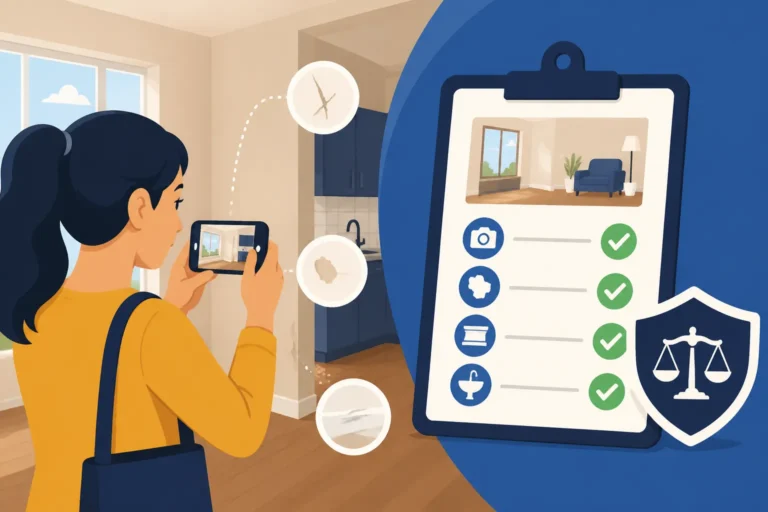
- Document Property Condition: Perform a thorough move-in inspection and document the condition of the property with photos and videos. Do the same at move-out. This helps distinguish between normal wear and tear and actual damage, protecting your deposit from unfair deductions, and also protects against claims that the property was damaged beyond what it was upon move-in. For more on this, consult our Move-In / Move-Out Inspection Guide.
- Understand Deduction Rights: Know what your landlord can and cannot deduct from your security deposit. Minor issues like a few nail holes or faded paint are usually considered Normal Wear and Tear vs Damage: Complete Guide and cannot be deducted.
- Know Your Deadlines: Be aware of the deadlines for your landlord to return your deposit or send an itemized deduction statement. In Florida, this is typically 15 or 30 days after you vacate, depending on whether the landlord intends to make deductions.
- Consider Renter's Insurance: While not directly related to security deposit interest, renter's insurance from providers like Lemonade can offer an extra layer of protection for your personal belongings against unforeseen circumstances like theft or fire, reducing potential disputes over property damage liability. It's a smart safety net.
By understanding these considerations, both landlords and tenants can navigate the security deposit process in Florida with greater clarity and fewer disputes, ensuring everyone's rights and obligations are met fairly under the law.
Disclaimer
Please remember that this article provides general information and is not legal advice. Landlord-tenant laws, especially regarding security deposits and interest, can be complex and are subject to change. It is always recommended to consult with a qualified attorney or legal professional familiar with Florida landlord-tenant law for advice specific to your situation.