Subletting Laws in Maryland
Maryland subletting laws determine your legal rights and responsibilities when renting out your leased residential property to a subtenant.

Maryland subletting laws determine your legal rights and responsibilities when renting out your leased residential property to a subtenant.

Oregon subletting regulations require written landlord consent and outline legal grounds for approving or denying a new subtenant.
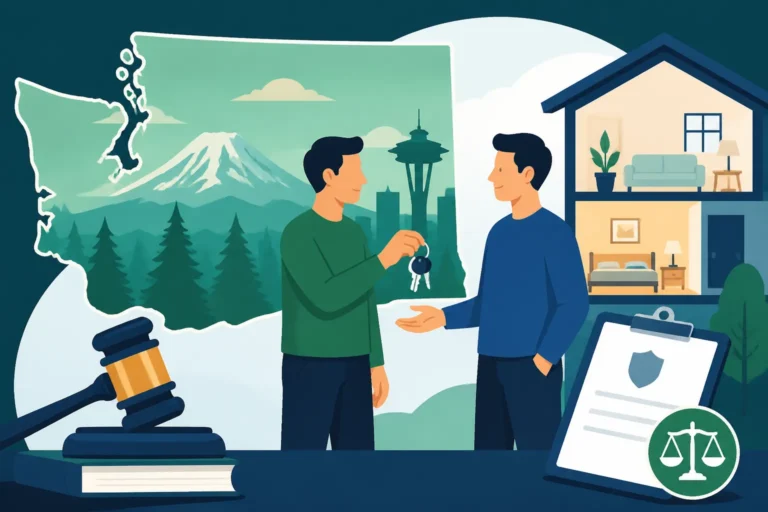
Washington subletting laws require tenant lease review, landlord consent, and formal sublease agreements for temporary rentals.

Illinois rental laws explain tenant rights, original lease obligations, landlord consent rules, and subtenant responsibilities for apartment subletting.
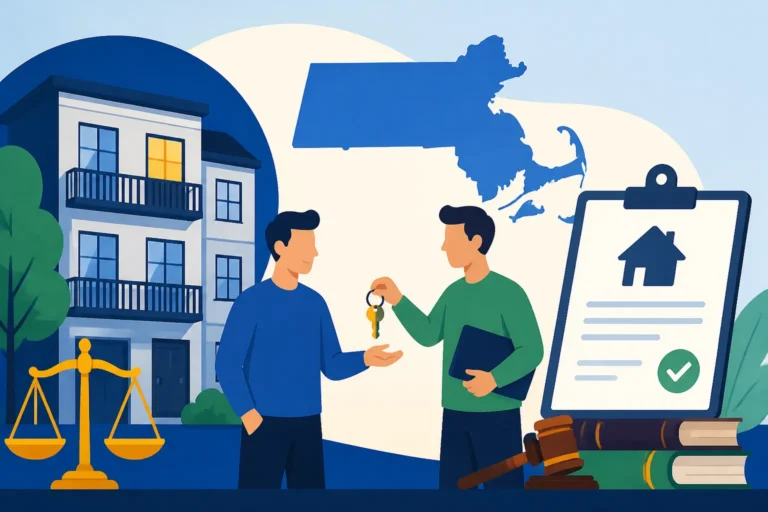
Subletting laws in Massachusetts govern tenant rights, landlord consent requirements, lease agreements, and screening processes for temporary subtenants.

Subletting laws in New Jersey explain tenant rights, lease agreements, landlord consent requirements, and the rules for renting out an apartment.
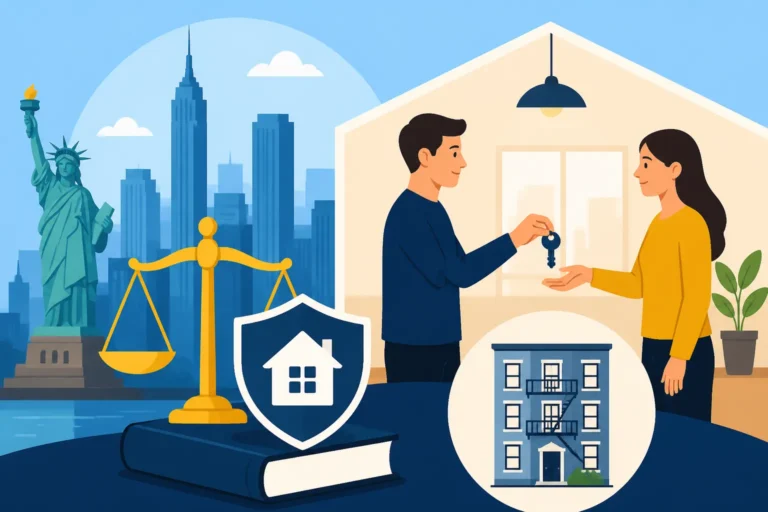
New York subletting laws require written landlord consent, specific subtenant details, and a genuine intent to return to the apartment.

Florida subletting laws require written landlord consent and a binding agreement, while holding primary tenants fully liable for rent and damages.

Texas subletting laws outline landlord consent rules, original tenant liability, required written agreements, and risks of unapproved occupancy.

California subletting laws explain how tenants obtain landlord approval, navigate lease agreements, and manage legal liabilities with subtenants.