Eviction Mediation: How It Works
Eviction mediation provides landlords and tenants with a voluntary, neutral process to negotiate mutually acceptable resolutions and avoid court battles.

Eviction mediation provides landlords and tenants with a voluntary, neutral process to negotiate mutually acceptable resolutions and avoid court battles.

Eviction notice types, legal lawsuits, and court proceedings explain how property owners and renters navigate the rental process.
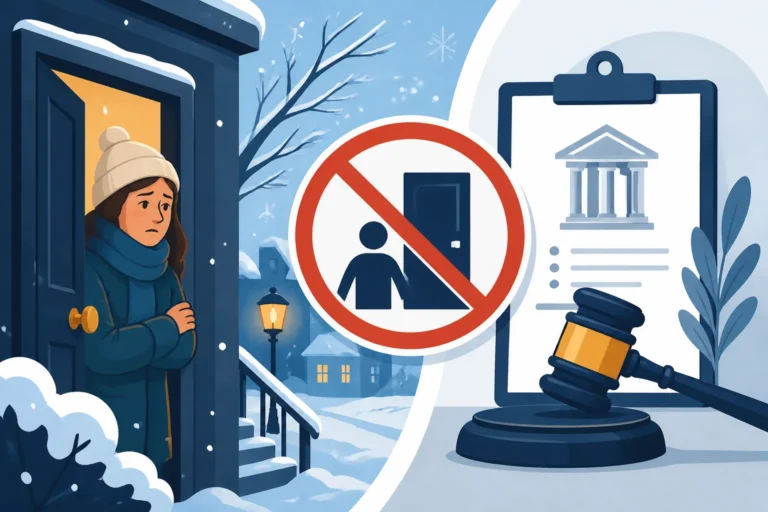
Winter evictions follow standard legal procedures year-round because universal seasonal bans remain a myth across most of the United States.

Property owners must understand legal distinctions, avoid unlawful self-help evictions, and follow court processes to reclaim properties.

Legal eviction processes for roommates and family members explain tenant rights, responsibilities, notice requirements, and state laws.
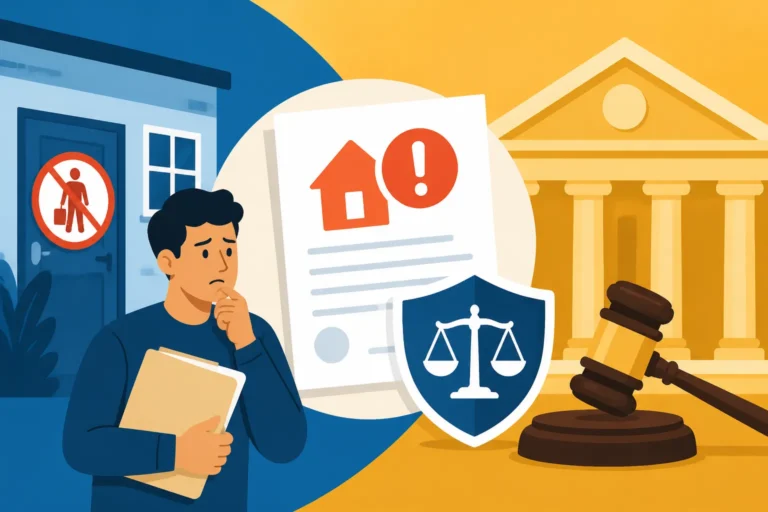
An eviction lawsuit requires a formal written answer and strict adherence to court deadlines to present legal defenses and avoid default judgments.

Eviction procedures for lease violations include material and non-material breaches, cure or quit notices, and unconditional quit notices.

Eviction for nonpayment of rent explains legal definitions, notice requirements, court proceedings, and options for tenants and landlords.

No-fault eviction notice rules explain when landlords require 30, 60, or 90 days to terminate tenancies without tenant lease violations.
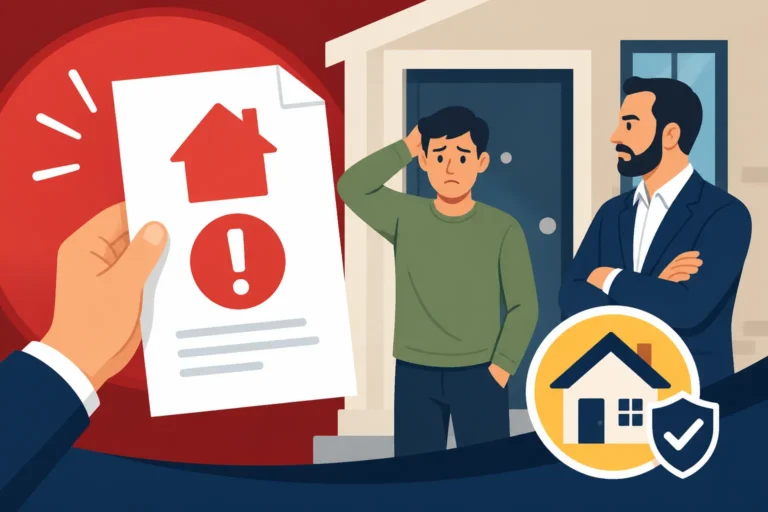
A three day notice to pay or quit explains legal requirements, tenant rights, and valid options for handling overdue rent.