How to Break a Lease in North Carolina
Feeling trapped in a lease that no longer fits your life can be incredibly stressful, whether it's a new job opportunity, a sudden family emergency, or issues with the rental itself. You might be wondering if you're stuck paying rent for months you won't even be living there, or if there's a way out without completely wrecking your finances or your rental history. This comprehensive guide will walk you through everything you need to know about how to break a lease in North Carolina, covering your legal rights, responsibilities, and practical steps to navigate this challenging situation.
Understanding Your North Carolina Lease Agreement
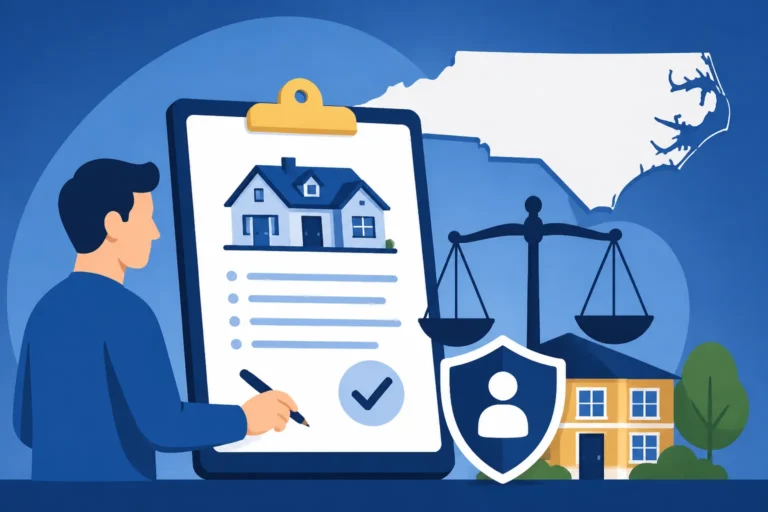
Before you even think about packing a single box, the very first thing you need to do is pull out your lease agreement and read it—thoroughly. I know, I know, lease agreements can be as thrilling as reading the phone book, but trust me, this document holds all the crucial information about your tenancy in North Carolina. It's the blueprint for your rental relationship and the key to understanding your obligations and potential avenues for an early exit.
The Importance of Your Lease Document
Your lease is a legally binding contract. That’s not just a phrase lawyers use; it means you and your landlord have entered into an agreement that carries specific duties and rights for both parties. In North Carolina, most leases are written, and while oral agreements can sometimes be binding, it's far more common and legally sound to have a written document. This document will outline the duration of your tenancy, the amount of rent due, when it's due, and any specific clauses related to early termination.
Look for sections that discuss early termination fees, subletting policies, or clauses that define what happens if you break the lease. Some leases, especially those from larger property management companies, might have an "early termination clause" that specifies a fee (often two months' rent) in exchange for ending the lease early. While this might seem like a lot, it can sometimes be a clearer and less stressful path than dealing with potential lawsuits or prolonged disputes. If your lease is a standard template, you might have gotten it from a reputable source like LawDepot, which often includes common clauses, but always double-check for any specific additions or modifications your landlord made.
Fixed-Term vs. Month-to-Month Leases in NC
The type of lease you have significantly impacts how you can break it. Understanding the difference between a fixed-term lease and a month-to-month agreement is paramount.
Fixed-Term Leases
Most rental agreements in North Carolina are fixed-term leases, typically for 6 or 12 months. This type of lease binds you to pay rent for the entire specified period, even if you move out sooner. If you attempt to break a fixed-term lease without a legal justification or your landlord's agreement, you could face significant financial penalties. The landlord generally has the right to pursue you for the remaining rent until the lease term ends or until a new, suitable tenant is found. This is where the concept of the landlord's Landlord Duty to Mitigate Damages Explained comes into play, which we’ll discuss shortly. Essentially, a fixed-term lease offers stability but less flexibility for an early exit.
Month-to-Month Leases
A month-to-month lease, as the name suggests, renews automatically each month. This type of agreement offers much more flexibility for both tenants and landlords. In North Carolina, if you're on a month-to-month lease, you can generally terminate it by providing your landlord with a written notice at least seven days before the end of the current rental period. Some agreements might specify a longer notice period, such as 30 days, so always refer back to your specific contract. You can find more information on the differences between these lease types in our article on Fixed-Term vs Month-to-Month Leases. If your lease doesn't specify an end date and you pay rent monthly, it’s highly likely you have a month-to-month arrangement, which makes an early departure much simpler.
Legal Justifications for Breaking a Lease in North Carolina Without Penalty
While simply deciding you want to move isn't usually a legal reason to break a fixed-term lease without consequences, North Carolina law does provide specific circumstances where a tenant can legally terminate their lease early without penalty. These are important tenant protections designed to ensure safety and fairness. Knowing these justifications can save you a lot of grief and money.
Active Military Duty (SCRA)
The Servicemembers Civil Relief Act (SCRA) is a federal law designed to protect military personnel from certain civil obligations, including rental leases, when they are called to active duty. If you are a servicemember who enters military service, receives permanent change of station (PCS) orders, or orders to deploy for 90 days or more, you have the right to break your lease.
To do this legally, you must provide your landlord with written notice of your intent to terminate the lease, along with a copy of your military orders. The termination typically becomes effective 30 days after the next rent payment is due, following the date your notice is delivered. For example, if you pay rent on the first of the month and give notice on October 15th, your lease would terminate on December 1st. This protection is a significant relief for military families who often face unexpected relocations, and it’s one of the key Legal Reasons to Break a Lease (SCRA, DV, Uninhabitable) that tenants should be aware of.
Landlord Violations Uninhabitable Conditions, Failure to Repair
Landlords in North Carolina have a fundamental responsibility to provide a safe and habitable living environment. This is often referred to as the "implied warranty of habitability." If your landlord fails to maintain the property to a reasonable standard, and these conditions significantly affect your health or safety, you might have grounds to break your lease. Examples of uninhabitable conditions could include:
- Structural issues: A crumbling ceiling, a leaky roof that leads to widespread water damage, or unsafe flooring.
- Essential utility failures: Prolonged lack of heat, hot water, electricity, or running water that the landlord is responsible for providing.
- Pest infestations: Severe and unaddressed infestations of rodents, roaches, or bedbugs that render the property unsafe or unhealthy.
- Mold: Significant mold growth that the landlord has failed to remediate after proper notification. You can learn more about this in our guide on Breaking a Lease Due to Mold or Uninhabitable Conditions.
Before you can break your lease based on uninhabitable conditions, you generally must give your landlord proper written notice of the issue and a reasonable opportunity to make repairs. What constitutes "reasonable" can vary depending on the severity of the problem; an emergency like a burst pipe would require immediate action, while a minor issue might allow a few days or a week. If the landlord fails to address the problem within that reasonable timeframe, and the issue remains unresolved, you could then argue that the landlord has breached the lease, allowing you to terminate it without penalty. It's crucial to document everything – photos, videos, written communication, and even dates of attempted contact. This documentation is your strongest evidence if the matter escalates.
Domestic Violence, Sexual Assault, or Stalking
North Carolina law provides critical protections for tenants who are victims of domestic violence, sexual assault, or stalking. Under G.S. 42-45.1, a tenant who is a victim of such acts can terminate their lease early, without penalty, under specific conditions.
To legally break the lease under this provision, the tenant must provide the landlord with written notice of termination and documentation of the domestic violence, sexual assault, or stalking. This documentation can include a protective order, a copy of a criminal complaint, or a statement from a qualified third party (like a social worker or counselor) affirming the abuse. The lease termination is effective 30 days after the tenant's notice to the landlord, regardless of the date the rent is due. This law is in place to ensure victims can find safety without being financially trapped in a dangerous living situation.
Landlord Harassment or Privacy Violations
While not explicitly detailed as a lease-breaking reason in all state statutes, repeated and severe landlord harassment or significant violations of your right to privacy could potentially be grounds for "constructive eviction," allowing you to break your lease. Constructive eviction occurs when a landlord’s actions (or inactions) make the property uninhabitable or effectively force the tenant to move out.
Examples of harassment or privacy violations include:
- Unlawful entry: A landlord repeatedly entering your apartment without proper notice or permission, which is generally 24-48 hours' notice for non-emergency situations in many states, though North Carolina doesn't have a specific statute for landlord entry notice. Your lease might specify this, or it's implied that "reasonable" notice is required.
- Harassment: Constant threats, intimidation, or actions designed to make you uncomfortable and force you out.
- Shutting off utilities: Illegally turning off your essential utilities (like water or electricity) to coerce you into leaving.
If you believe your landlord is harassing you or violating your privacy to the point of constructive eviction, you must document every incident meticulously. Send written notices to your landlord about these violations, keep copies, and if the behavior persists, you may need to consult with a tenant rights attorney or local housing authority. Proving constructive eviction can be challenging, but it’s a vital protection against landlords who misuse their power.
Strategies for Minimizing Penalties When Breaking a Lease in North Carolina
Even if you don't have a legal reason to break your lease, that doesn't mean you're entirely without options. There are proactive steps you can take to minimize the financial blow and maintain a good rental history. These strategies often involve cooperation with your landlord and understanding your responsibilities.
Negotiating with Your Landlord
Communication is often your best tool. As soon as you know you need to move, talk to your landlord. Explain your situation honestly and respectfully. Landlords are people too, and sometimes life circumstances create unavoidable needs. While they're not obligated to let you out of your lease, a landlord might be willing to work with you, especially if you have a good track record as a tenant.
You could offer to help find a replacement tenant, pay an early termination fee, or forfeit your security deposit in exchange for being released from the lease. Some landlords might be amenable to a mutual termination agreement, which is a written document stating that both parties agree to end the lease early. This provides a clear, documented exit and protects both of you. Many online platforms like LawDepot or TurboTenant offer templates for such agreements. Being upfront and proactive is key to a successful negotiation. Remember, a landlord would often rather avoid the hassle and expense of chasing down rent and finding new tenants, so a reasonable proposal might be well-received.
Finding a Replacement Tenant Subletting or Assignment
North Carolina law does not explicitly require landlords to allow subletting or lease assignment. However, if your lease doesn't expressly prohibit it, or if your landlord is agreeable, finding a replacement tenant can be an excellent way to mitigate damages.
- Subletting: You, the original tenant, remain responsible for the lease, but a new tenant (the subtenant) pays rent to you and lives in the property. You then pay the landlord. This means you’re still on the hook if the subtenant doesn't pay or causes damage.
- Lease Assignment: You transfer all your rights and responsibilities under the lease to a new tenant (the assignee). Once the assignment is complete and approved by the landlord, you are typically released from future obligations. This is often preferred by tenants who want a clean break.
Before attempting either, you must get your landlord's written permission. They typically have the right to screen potential subtenants or assignees just as they would any new applicant. Provide them with qualified candidates and be prepared to pay any reasonable screening fees. For a deeper dive, check out our guide on Subletting & Lease Assignment Explained.
Understanding Your Landlord's Duty to Mitigate Damages
This is a really important concept in North Carolina landlord-tenant law. Even if you break your lease without a legal justification, your landlord generally has a "duty to mitigate damages." This means they can't just sit back and let the rent pile up for the remainder of your lease term. Instead, they are legally obligated to make reasonable efforts to re-rent the property as quickly as possible.
If the landlord finds a new tenant, you would only be responsible for the rent owed until the new tenant moves in, plus any costs the landlord incurred in re-renting the property (like advertising fees, cleaning, or a reasonable re-leasing fee). If they fail to make a good-faith effort to re-rent, a court might reduce the amount of damages you owe.
What constitutes "reasonable efforts" can vary, but generally includes:
- Advertising the property.
- Showing the property to prospective tenants.
- Not unreasonably rejecting qualified applicants.
- Not attempting to rent the property at a significantly higher rate than you were paying.
It's wise to document any efforts you make to find a replacement tenant, as this can serve as evidence if your landlord claims they couldn't find anyone. This is also where resources like TurboTenant might be helpful for landlords looking to quickly screen new applicants. The principle of mitigation means you likely won't be on the hook for the entire remaining lease term if your landlord acts responsibly.
Potential Consequences of Illegally Breaking Your Lease
While taking steps to mitigate the impact of breaking a lease is important, it's equally crucial to understand the potential downsides if you don't have a legal justification or can't reach an agreement with your landlord. These consequences can affect your finances and your future ability to rent.
Financial Repercussions
The most immediate and common consequence of breaking a lease in North Carolina is financial. If you move out without proper notice or a valid reason, your landlord can sue you for the remaining rent for the lease term, minus any rent collected from a new tenant through their duty to mitigate damages. They can also seek reimbursement for costs associated with finding a new tenant, such as advertising expenses or a re-leasing fee.
Additionally, your landlord can often keep your Security Deposit Deductions: Full List of Allowed Charges to cover any unpaid rent or damages beyond normal wear and tear. If the deposit isn't enough to cover the landlord's losses, they can pursue you for the difference. For example, if you have two months left on a lease at $1,200/month, and your security deposit is $1,200, but it takes your landlord one month to find a new tenant, you would likely owe $1,200 for that vacant month, potentially covered by your deposit. However, if they have to spend $300 on advertising and a re-leasing fee, you could still owe that amount even after your deposit is applied. Knowing How Much Does It Cost to Break a Lease? can help you prepare for these potential expenses.
Impact on Your Rental History and Credit Score
Beyond immediate financial costs, illegally breaking a lease can have long-lasting effects on your rental history and credit score.
Rental History
Future landlords almost always conduct tenant screenings that include checking your previous rental history. If a prospective landlord calls your former landlord and learns that you broke your lease, it could make it much harder to rent another property. Many landlords see a broken lease as a significant red flag, indicating a lack of reliability or financial responsibility. This can lead to your application being denied, or you might be asked to pay a higher security deposit or find a co-signer.
Credit Score
If your landlord takes you to collections for unpaid rent or damages, or if they win a judgment against you in court, this information can appear on your credit report. Collections and judgments can severely damage your credit score, making it difficult to secure loans, mortgages, or even some jobs in the future. The impact of Breaking a Lease and Your Credit Score can linger for years, so it's always best to avoid this outcome if possible through negotiation or legal means.
The table below summarizes some key distinctions between legally and illegally breaking a lease in North Carolina.
| Aspect | Legal Lease Break (with justification) | Illegal Lease Break (without justification) |
|---|---|---|
| Financial Penalty | None, typically. | Responsible for remaining rent (minus mitigation), re-renting costs, etc. |
| Security Deposit | Should be returned, less legitimate deductions for damage. | Can be withheld by landlord for unpaid rent/damages. |
| Rental History | Generally no negative impact if done correctly with documentation. | Negative mark, makes future rentals harder. |
| Credit Score | No direct impact. | Can be negatively affected if landlord pursues collections or judgment. |
| Legal Action Risk | Low, if proper procedures and documentation are followed. | High, landlord can sue for damages. |
| Notice Requirement | Specific legal notice required (e.g., SCRA orders, DV documentation, repair notice). | As per lease (e.g., 7 days for month-to-month) or negotiation for fixed-term. |
Disclaimer
The information provided in this guide is intended for general informational purposes only and does not constitute legal advice. Landlord-tenant laws can be complex and are subject to change. For advice specific to your situation, it is highly recommended to consult with a qualified attorney specializing in landlord-tenant law in North Carolina.