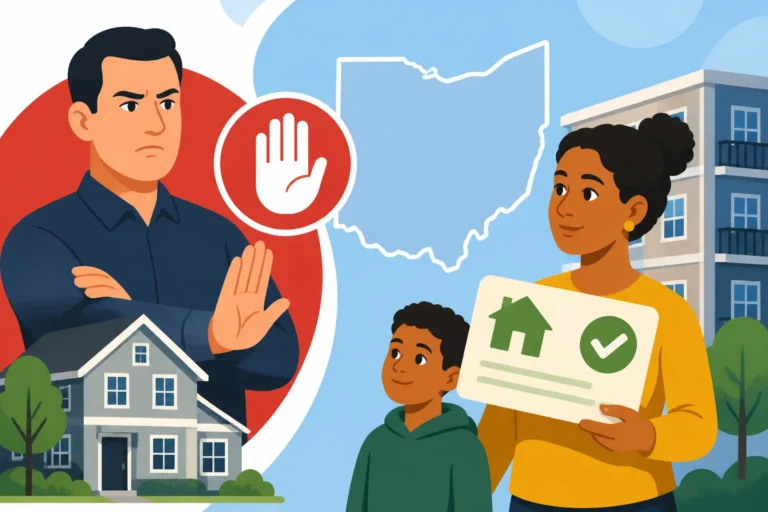
Fair Housing Protected Classes in Illinois
It's incredibly frustrating when you're searching for a place to live, pouring your energy into finding the perfect apartment or home, only to feel like you're being judged or turned away for reasons that have nothing to do with your ability to be a good tenant. No one should face unfair obstacles just because of who they are. This comprehensive guide is here to shed light on the specific protected classes under fair housing laws in Illinois, helping you understand your rights and what to do if you encounter discrimination.
Understanding Fair Housing Laws at a Glance
Before we dive into the specific protections Illinois offers, it's crucial to grasp the foundational principles of fair housing. These laws exist to ensure that everyone has an equal opportunity to secure housing, regardless of certain personal characteristics. They’re designed to prevent landlords, property managers, and real estate agents from making housing decisions based on prejudice or stereotypes, which can unfortunately still be a widespread problem in many communities.
The Federal Fair Housing Act: A Foundation
At the national level, the bedrock of fair housing is the Federal Fair Housing Act, enacted in 1968. This monumental piece of legislation was passed in the wake of the Civil Rights Movement and sought to eliminate discrimination in housing transactions across the country. It prohibits discrimination concerning the sale, rental, and financing of housing based on seven specific categories.
These federal protected classes include race, color, religion, sex, national origin, familial status, and disability. Let's break those down a bit. "Familial status" doesn't just mean parents with minor children; it also protects pregnant women and anyone securing legal custody of a child under 18. "Disability" is a broad term that includes physical and mental impairments that substantially limit one or more major life activities. The Supreme Court's ruling in Bostock v. Clayton County clarified that discrimination based on sex includes sexual orientation and gender identity, a protection that the Department of Housing and Urban Development (HUD) has since applied to housing. Understanding these federal protections is the first step in knowing your rights, and you can learn more by checking out our guide on the Fair Housing Act: Protected Classes Explained.
Even with federal laws in place, many people still face challenges. Imagine applying for an apartment in Naperville, a lovely suburban town, and feeling like the landlord's demeanor changed the moment you mentioned your children. Or perhaps you're a person with a disability looking for a rental in Chicago, and you're told the building "isn't suitable" without any proper justification, even though you know your disability doesn't affect your ability to live there independently. These are the kinds of subtle (and sometimes not-so-subtle) barriers the Fair Housing Act aims to tear down.
Why State Laws Matter
While federal law sets a vital baseline, individual states and even local municipalities have the power to expand upon these protections. This means they can add more categories to the list of protected classes, offering a broader shield against discrimination for their residents. This is incredibly important because it allows states to address specific societal issues or demographic needs that might not be fully covered by the federal umbrella.
For instance, a state might recognize that certain groups, such as those with unique marital statuses or military service, are particularly vulnerable to housing discrimination. By adding these as protected classes, the state government signals a commitment to ensuring equitable housing opportunities for all its citizens. It essentially creates a more robust safety net, reflecting the values and specific challenges of that particular community.
This is exactly where Illinois steps up, offering some of the most comprehensive fair housing protections in the nation. Knowing both federal and state laws is crucial, as state laws often provide additional avenues for recourse and protection that federal law alone might not cover. It’s like having an extra layer of armor when navigating the often-complex world of renting.
Illinois' Specific Protected Classes
Illinois takes its commitment to fair housing seriously, building upon the federal protections with several additional categories under the Illinois Human Rights Act (IHRA). This means that if you're looking for housing anywhere from Springfield to Rockford, you have a wider range of protections than in many other states. These state-specific additions are critical for ensuring that discrimination is minimized and that all residents have an equal chance to find a home.
Expanding on Federal Protections
The Illinois Human Rights Act explicitly prohibits discrimination in housing based on all the federal categories (race, color, religion, sex, national origin, familial status, and disability). But it doesn't stop there. Illinois adds significant protections, creating a more inclusive environment. These include:
- Ancestry: This protects individuals from discrimination based on their heritage or lineage, going beyond just national origin to include deeper family roots.
- Age: While the federal Fair Housing Act addresses age discrimination primarily in the context of housing for older persons (55+ communities), Illinois extends protection to all ages, preventing landlords from discriminating against younger or older tenants simply because of their age.
- Marital Status: Whether you're single, married, divorced, or widowed, your marital status cannot be a factor in housing decisions in Illinois. This means a landlord can't refuse to rent to you because you're unmarried, for example.
- Military Status: Individuals who are currently serving in the military or who have served are protected. This ensures that their service doesn't lead to housing discrimination, which is particularly important for service members and their families who often relocate.
- Sexual Orientation and Gender Identity: While the federal definition of "sex" has expanded to include these, Illinois has explicitly protected sexual orientation and gender identity in its state law for a long time, providing a clear and unequivocal legal basis for these protections.
- Order of Protection Status: This is a crucial protection for victims of domestic violence or harassment. It prevents landlords from discriminating against someone who has an order of protection in place, ensuring they are not further penalized in their housing search.
- Source of Income: This protection prohibits landlords from refusing to rent to someone based on the lawful source of their income. This includes, but isn't limited to, Section 8 housing vouchers, disability benefits, or other forms of public assistance. This is a huge win for many tenants, and you can learn more about this by reading our guide on Source-of-Income Discrimination & Section 8 by State. It means that a landlord in Chicago, for example, cannot simply say "no Section 8" if they are otherwise eligible to participate in the program.
These additional layers of protection are vital for many residents. Imagine a single parent in Peoria relying on a housing voucher struggling to find a landlord willing to consider them. Illinois' source of income protection directly combats this. Or consider an active duty service member moving back to Illinois after deployment; their military status provides a safeguard against unfair housing practices. These are not small details; they make a tangible difference in people's lives and housing security.
Key Protections Under the Illinois Human Rights Act
The IHRA isn't just a list of additional protected classes; it's a comprehensive framework that outlines how discrimination is prohibited and what actions are considered unlawful. This includes things like refusing to engage in a real estate transaction, altering the terms or conditions of a transaction, or even refusing to provide reasonable accommodations for a person with a disability. For landlords, understanding these expanded rules is critical, and resources like TurboTenant can help them stay compliant by providing up-to-date lease agreements and screening tools that align with these broad protections.
A particularly strong aspect of the Illinois Human Rights Act is its prohibition against retaliatory actions. If you exercise your fair housing rights—like requesting a reasonable accommodation for a disability or complaining about discriminatory treatment—your landlord cannot legally retaliate against you by, for example, evicting you, increasing your rent, or refusing to renew your lease. This provides a vital safeguard, empowering tenants to speak up without fear of adverse consequences. This also means landlords need to be exceptionally careful and well-informed, ensuring their practices don't accidentally fall into the realm of discrimination or retaliation.
It's also worth noting that beyond the state level, some Illinois cities and counties have their own fair housing ordinances that might offer even more protections. For example, Cook County, which includes Chicago, has additional protected classes like ancestry (which is also state-protected), parental status, and even political affiliation in some cases. Always check local ordinances in addition to state and federal laws to be fully informed about your rights. This layered protection ensures that tenants in Illinois are among the most safeguarded in the country when it comes to housing.
Here's a quick overview of the differences between federal and Illinois protected classes:
| Protected Class | Federal Fair Housing Act | Illinois Human Rights Act |
|---|---|---|
| Race | Yes | Yes |
| Color | Yes | Yes |
| Religion | Yes | Yes |
| Sex | Yes | Yes (incl. Sexual Orientation, Gender Identity) |
| National Origin | Yes | Yes |
| Familial Status | Yes | Yes |
| Disability | Yes | Yes |
| Ancestry | No | Yes |
| Age | No (except 55+) | Yes (all ages) |
| Marital Status | No | Yes |
| Military Status | No | Yes |
| Order of Protection Status | No | Yes |
| Sexual Orientation | No (federal "sex" interpretation covers it, but not explicit) | Yes (explicitly) |
| Gender Identity | No (federal "sex" interpretation covers it, but not explicit) | Yes (explicitly) |
| Source of Income | No | Yes |
Recognizing and Proving Housing Discrimination
It’s one thing to know your rights on paper, and another to spot discrimination when it happens. Sometimes it’s painfully obvious, but more often, it's subtle, cloaked in vague excuses or seemingly neutral policies. Feeling that gut punch of being unfairly treated can be disorienting, but understanding what to look for is your first line of defense. Knowing what constitutes discrimination is half the battle when trying to figure out what just happened. To better equip yourself, you might want to delve into What Is Considered Housing Discrimination?.
What Discrimination Looks Like
Housing discrimination isn't just about outright refusal. It manifests in various forms, making it tricky to pinpoint sometimes. Here are some common ways it can appear:
- Refusal to rent or sell: A landlord might tell you a unit is unavailable, but then you see it advertised online shortly after, or a friend of a different background is told it is available. This is a classic tactic.
- Different terms or conditions: You're offered a lease with different rental rates, a higher security deposit, or stricter rules than someone else, based on a protected characteristic. For example, charging a higher pet deposit for someone with an emotional support animal, even though ESAs are not considered pets under fair housing law.
- False claims of unavailability: Telling you an apartment isn't available when it actually is. This often happens when landlords try to "steer" certain groups away from particular neighborhoods or buildings.
- Discriminatory advertising: Ads that explicitly or implicitly discourage certain groups. While illegal, sometimes ads might say things like "perfect for a single professional" which could subtly discourage families or older tenants, hinting at age or familial status discrimination.
- Harassment or intimidation: Making unwanted advances, derogatory comments, or threatening actions that interfere with your peaceful enjoyment of your home or your ability to obtain housing.
- Refusal to make reasonable accommodations or modifications: For individuals with disabilities, refusing to allow reasonable adjustments to policies (like allowing a service animal even if there's a "no pets" policy) or refusing to allow reasonable physical changes to the property (at the tenant's expense, in most cases). You can learn more about this in our guide on Reasonable Accommodations & Modifications.
Consider a scenario in Evanston. You call about an apartment, and the manager is enthusiastic. You mention you receive Section 8 assistance, and suddenly, the unit "just got rented." A few days later, you see the same apartment listed again. This is a classic example of potential source of income discrimination. Or maybe you're a family with three kids, and a landlord claims the unit is "too small" for you, even though it meets occupancy standards. This could be Can a Landlord Deny Me for Having Kids? based on familial status. These seemingly small rejections can add up and make the housing search incredibly disheartening.
Documenting Your Experience
The key to fighting discrimination is documentation. Memories can fade, and "he said, she said" arguments are hard to prove in court. Thorough record-keeping provides concrete evidence that strengthens your case significantly. This can feel overwhelming in the moment, but a little effort can go a long way.
When you suspect discrimination, start keeping a detailed record. Note the dates, times, and locations of all interactions. Write down the names and titles of everyone you speak with. Most importantly, record specific statements or actions that you believe were discriminatory. If a landlord says, "We don't rent to people like you," write that down verbatim. If they change their tone or availability after you mention a protected characteristic, document that shift.
Keep copies of all advertisements, emails, texts, and voicemails. Screenshots of online listings, especially if they change after your inquiry, can be crucial. If you apply for a unit, keep copies of your application and any communication regarding your denial. Even conversations you have over the phone should be immediately followed up with an email summarizing what was discussed, creating a written record. It's also a good idea to have a trusted friend or family member act as a "tester" if you suspect you're being discriminated against. They can inquire about the same property, and if they're treated differently due to their protected status, that can be strong evidence.
For example, if you called a property manager about a unit in Bloomington and they told you, "We prefer not to rent to students," and you later apply and are denied, having a record of that initial phone call summary (sent via email) strengthens your claim of age or source of income discrimination. Remember that platforms like TurboTenant, used by many landlords, should facilitate fair and compliant screening processes, but the responsibility ultimately falls on the individual landlord to adhere to the laws. Keeping meticulous records means you're not just relying on your memory; you're building an undeniable paper trail that makes your case much more robust.
Your Rights and How to Act
Facing housing discrimination can feel incredibly disempowering, but you are not without options. Illinois law provides clear pathways for redress, and there are agencies and organizations dedicated to helping individuals navigate these complex situations. Knowing these avenues can transform a feeling of helplessness into a strategic plan of action.
Filing a Complaint
If you believe you've experienced housing discrimination in Illinois, the primary place to file a formal complaint is with the Illinois Department of Human Rights (IDHR). This state agency is responsible for enforcing the Illinois Human Rights Act and investigating complaints of discrimination. They have a dedicated housing investigations unit that can guide you through the process. Alternatively, you can also file a complaint with the federal Department of Housing and Urban Development (HUD), particularly if your complaint involves one of the federally protected classes. HUD often works in conjunction with state and local fair housing agencies.
The process typically involves submitting a written complaint detailing the alleged discrimination, including all the documentation you've gathered. After filing, the IDHR or HUD will investigate, which may involve interviewing you, the landlord, and any witnesses, as well as reviewing all submitted evidence. They will attempt to determine if there's reasonable cause to believe discrimination occurred. Many cases are resolved through conciliation or mediation, where a neutral third party helps both sides reach a voluntary agreement. If conciliation fails, the IDHR can refer the case for a public hearing before the Illinois Human Rights Commission. You can find detailed steps and resources on How Do I File a Fair Housing Complaint?.
It's important to act relatively quickly, as there are usually strict deadlines (statutes of limitations) for filing complaints. In Illinois, you generally have one year from the date of the alleged discriminatory act to file with the IDHR. Don't let fear or frustration delay you; reach out to these agencies as soon as possible to understand your options and start the formal process.
Seeking Legal Assistance
Sometimes, the official complaint process might not be enough, or you might prefer to pursue your case with legal representation from the outset. Seeking legal assistance can be a powerful step, especially if the discrimination was severe, persistent, or resulted in significant damages. An attorney specializing in fair housing law can help you understand the strength of your case, negotiate with the opposing party, and represent you in court if necessary.
There are many resources available to help you find legal aid. Non-profit legal aid organizations and fair housing advocacy groups often provide free or low-cost legal services to individuals who have experienced discrimination. For example, the Chicago Lawyers' Committee for Civil Rights or the Lawyers' Committee for Better Housing in Illinois are organizations that specialize in tenant rights and fair housing issues. These groups can offer invaluable guidance, helping you navigate the legal complexities and ensure your rights are fully protected.
If your case is successful, the remedies can vary widely. They might include getting access to the housing you were denied, monetary damages for any harm suffered (like emotional distress, temporary housing costs, or lost wages), punitive damages (to punish the discriminator), and even attorney's fees. In some cases, a landlord found guilty of discrimination might face civil penalties from the state or federal government. Remember, these laws exist to protect you, and taking action helps not only yourself but also ensures that other tenants don't have to face the same unfair treatment. For landlords, it's a stark reminder that staying informed and complying with fair housing laws is not just good practice but a legal necessity.
Disclaimer
Please note that this article provides general information and is not intended as legal advice. Landlord-tenant laws, including those pertaining to fair housing, can be complex and are subject to change. For advice specific to your situation, it is always recommended to consult with a qualified legal professional or a local housing authority.