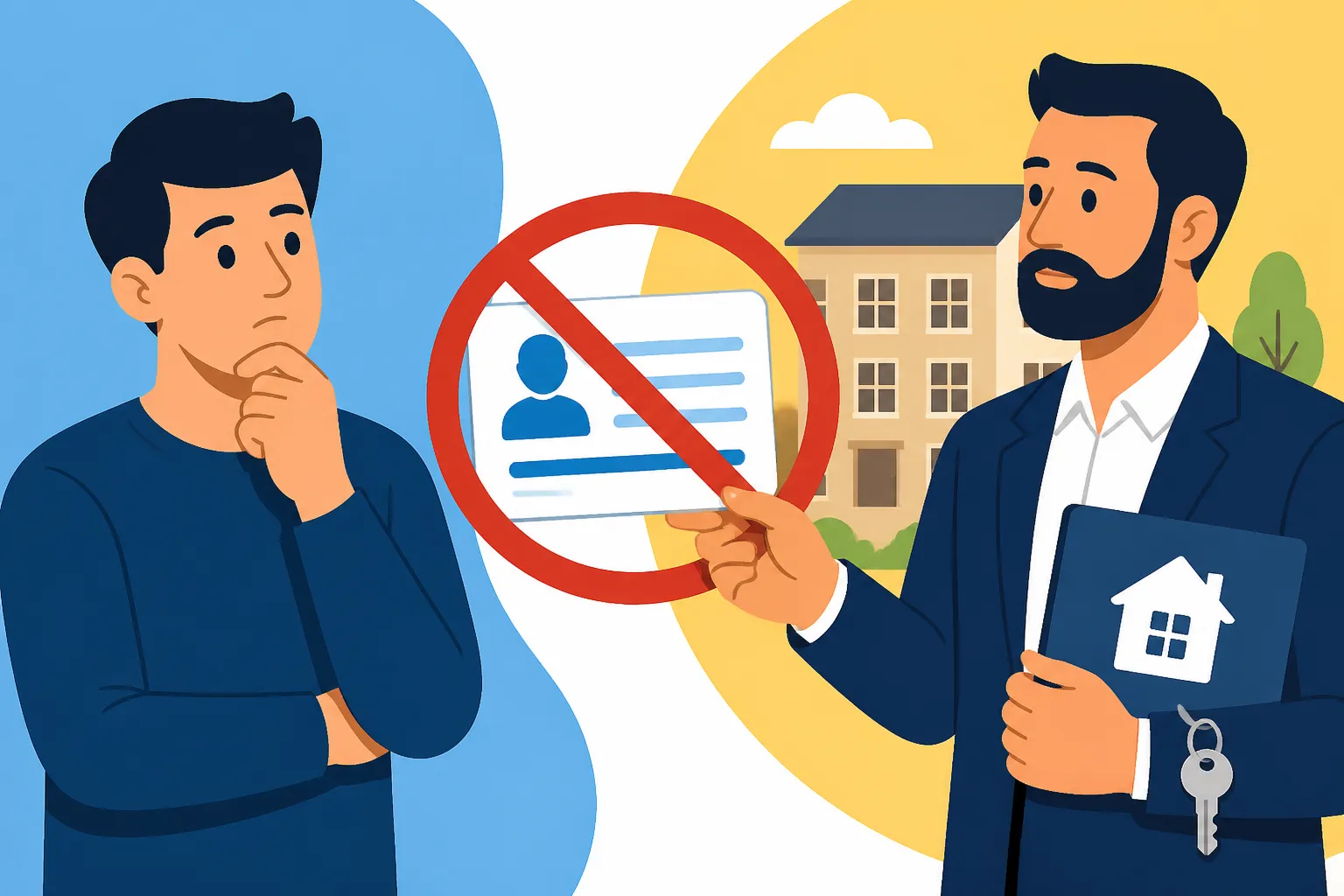
Can a Landlord Ask for My Social Security Number?
It's a common moment of hesitation for many prospective renters: you've found an apartment you love, you're filling out the application, and then you hit the section asking for your Social Security Number (SSN). A lot of folks wonder, "Can they even ask for this? Do I have to give it?" This guide is here to untangle the confusion, explaining why landlords typically ask for your SSN, whether it's legal, what risks you should be aware of, and what alternatives you might have.
Why Landlords Request Your Social Security Number
Let's be real, giving out your Social Security Number feels like a big deal, and it should! It's deeply personal information. But from a landlord's perspective, there are some very practical and legitimate reasons they ask for it. They're trying to protect their investment and ensure they're renting to a reliable tenant.
Running Comprehensive Background Checks
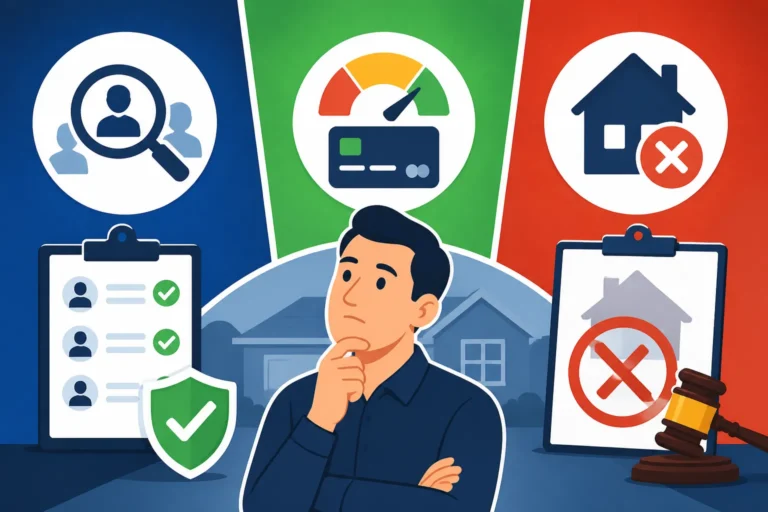
One of the primary reasons landlords request your SSN is to perform thorough background checks. Think about it: names can be common, and without a unique identifier like an SSN, it's incredibly difficult to accurately distinguish between individuals. Imagine if your name is John Smith – there are hundreds, probably thousands, of John Smiths out there! Your SSN helps ensure the landlord is checking your specific criminal history and eviction records, not someone else's.
These checks are crucial for a landlord to assess potential risks. They want to know if you have a history of evictions, which could indicate problems with paying rent or adhering to lease terms. They also want to identify any criminal history that might pose a threat to the property, other tenants, or the neighborhood. Services like TurboTenant often utilize SSNs to access these detailed reports, helping landlords make informed decisions and maintain a safe community. Without it, the accuracy of these vital checks diminishes significantly, leaving the landlord with a less complete picture and a higher potential for risk.
Verifying Income and Creditworthiness
Another major component of tenant screening is assessing your financial stability. Landlords need to be confident that you can consistently pay your rent on time. This is where your SSN becomes indispensable for verifying income and pulling a comprehensive credit report.
Your credit report provides a detailed history of your financial responsibility, including your payment history, outstanding debts, and credit scores. It helps landlords understand how you manage your financial obligations, which is a strong indicator of how you'll handle rent payments. Similarly, verifying income often involves checking pay stubs or bank statements, but a landlord might also use an SSN to confirm employment history or income reported on your application. For example, if you claim to earn a certain amount, a landlord might use your SSN to run a more in-depth employment verification through a screening service. Without an SSN, accessing these official financial documents and reports can be challenging, if not impossible, for the landlord, making it harder for them to assess your ability to meet the financial obligations of the lease. This is particularly important because, unlike a security deposit which has specific state limits like the rules on Maximum Security Deposit Limits by State, ongoing rent payments are the lifeblood of a rental business.
The Legality of an SSN Request and Your Rights
It’s completely understandable to feel uneasy when asked for your SSN. It's a key to your financial identity. So, what's the legal standing here? Can a landlord legally demand it, or do you have a choice?
No Specific Federal or State Laws Prohibiting the Request
Generally speaking, it is entirely legal for a landlord to ask for your Social Security Number on a rental application. There are no federal laws, like the Fair Housing Act, that specifically prohibit landlords from requesting an SSN. State laws largely mirror this, meaning most states don't have explicit prohibitions either. Landlords are operating within their rights when they include an SSN request as part of their tenant screening process.
The rationale behind this isn't to be nosy; it's about due diligence. An SSN is the most reliable way to accurately identify an applicant and access crucial information like credit reports, eviction histories, and criminal background checks. Without it, it becomes significantly harder for a landlord to verify the information you've provided and assess your suitability as a tenant. They need this information to make informed decisions and mitigate potential risks associated with renting their property.
Tenant's Right to Refuse with Potential Consequences
While a landlord can legally ask for your SSN, you, as a prospective tenant, generally have the right to refuse to provide it. However, this is where the practical implications come into play, and it's a crucial point that many tenants overlook.
If you choose not to provide your Social Security Number, a landlord is also within their rights to deny your rental application. They might argue that without an SSN, they cannot adequately verify your identity, credit history, or background, which are all essential factors in their decision-making process. For instance, if you're applying for an apartment in a competitive market, a landlord might easily choose an applicant who did provide an SSN, simply because it allows for a more comprehensive and accurate screening process.
Some landlords might be willing to consider alternatives, especially if you have a strong rental history, excellent references, or can provide other robust forms of verification. For example, they might accept bank statements or tax returns, though these can still be less reliable for identity matching than an SSN. It's a negotiation, and while you have the right to protect your privacy, you should be prepared for the possibility that your application might not be accepted if you withhold this key piece of information. This is one of those moments where understanding What Disqualifies You From Renting? can be really helpful, as an incomplete application can certainly be a factor.
Understanding the Risks of Providing Your SSN
Okay, so landlords can ask for your SSN, and refusing might cost you the apartment. But it's also important to acknowledge that handing out your SSN isn't without its own set of risks. You're right to be cautious!
Identity Theft and Data Breaches
The biggest and most immediate risk of providing your SSN to anyone, including a landlord, is the potential for identity theft. If your Social Security Number falls into the wrong hands, it can be used to open new credit accounts, file fraudulent tax returns, access your bank accounts, or even commit crimes under your name. It's a powerful number that can unlock a lot of your personal and financial information.
The danger isn't just from malicious actors directly accessing your application. There's also the risk of data breaches. While many reputable landlords and property management companies use secure digital platforms, like those offered by TurboTenant, to handle sensitive information, mistakes can happen. Paper applications might be lost or stolen, and digital systems, while robust, are never 100% immune to hacking or internal errors. If a landlord's system is compromised, or if they don't have strong data security practices in place, your SSN (along with other personal data) could be exposed. The aftermath of identity theft can be a nightmare, often taking months or even years to fully resolve, impacting your credit score, finances, and peace of mind.
Misuse of Information
Beyond outright identity theft, there's also the risk of your information being misused, even if it's not for malicious purposes. While reputable landlords adhere to strict privacy guidelines and use your SSN solely for screening purposes, not all landlords are created equal. An unscrupulous landlord might, in theory, use your SSN for purposes not explicitly stated or implied in the rental application, though this would likely be a violation of various consumer protection laws.
Consider a scenario where a landlord doesn't have secure storage for paper applications, or they keep outdated tenant information longer than necessary. While not a data breach in the traditional sense, it still increases the exposure risk over time. You want to ensure that any personal data you provide is handled with the utmost care and professionalism, used only for its intended purpose, and securely destroyed when no longer needed. This speaks to the importance of understanding a landlord's processes, much like how you would consider Security Deposit Rules When the Building Is Sold – you want to know who is holding your money, and in this case, your data.
Safe Alternatives and Tenant Protections
So, you're wary, and rightly so, but you still need an apartment. What are your options? How can you protect yourself while still moving forward with an application?
Providing Other Forms of Identification
If you're hesitant to provide your SSN, you can always inquire if the landlord accepts alternative forms of identification. While an SSN is preferred for comprehensive screening, some landlords might be open to other options, especially if you can present a strong overall application.
These alternatives could include:
- Driver's License or State ID: This verifies your identity and residency, though it doesn't offer the same level of accuracy for credit or background checks as an SSN.
- Passport: Another strong form of identity verification, particularly useful for international applicants who might not have an SSN.
- Individual Taxpayer Identification Number (ITIN): For those who don't have an SSN but pay taxes, an ITIN can be a legitimate alternative. However, landlords would need to ensure their screening services can utilize an ITIN for checks.
- Bank Statements and Pay Stubs: These can help verify your income and financial stability without needing an SSN. However, a landlord might still request an SSN to cross-reference with credit reports for a fuller financial picture.
- Letters of Employment and Reference Letters: These can bolster your application by demonstrating stable employment and positive past tenant behavior, somewhat compensating for the lack of an SSN in background checks.
It's crucial to understand that offering alternatives might not always be enough for every landlord, particularly those with strict screening policies or using automated systems. Always communicate your concerns respectfully and be prepared to offer multiple alternative documents to strengthen your case.
Utilizing Third-Party Screening Services
One of the safest ways to provide your SSN is through reputable third-party tenant screening services. Many modern landlords, including those utilizing platforms like TurboTenant, don't directly handle or store your SSN themselves. Instead, they use a secure service that acts as an intermediary.
Here's how it often works:
- Tenant-Initiated Screening: The landlord sends you a link to a screening service. You then input your sensitive information, including your SSN, directly into the service's secure portal.
- Report Generation: The service runs the credit, background, and eviction checks using your SSN.
- Limited Information for Landlord: The service then provides the landlord with a summary report. This report typically includes a credit score, pass/fail recommendations, and relevant details from background checks, but without revealing your actual SSN to the landlord.
This method significantly reduces the risk of identity theft because your SSN is not physically handled or stored by multiple individuals. Instead, it's processed by a specialized, secure company whose entire business model revolves around protecting this data. When a landlord requests you apply through a well-known screening platform, it's generally a good sign of their commitment to security. This approach allows landlords to get the crucial information they need to assess your application while providing you with an added layer of protection for your most sensitive data.
| Aspect | Landlord's Perspective (Why they ask for SSN) | Tenant's Perspective (Why they might hesitate) |
|---|---|---|
| Purpose | Accurate identity verification for background & credit checks | Protection against identity theft and misuse of data |
| Legality | Generally legal to request | Legal right to refuse (but with potential consequences) |
| Information Access | Enables access to credit reports, eviction records, criminal history | Avoids disclosing sensitive info unless absolutely necessary |
| Risk Mitigation | Reduces risk of renting to financially unstable or high-risk tenants | Minimizes personal exposure to data breaches and fraudulent activity |
| Alternatives | Limited reliable alternatives for comprehensive screening | Can offer other IDs, financial docs, or use third-party services |
| Data Handling | Expects secure handling, often via third-party platforms | Seeks assurance of robust data security and privacy practices |
Tenant Rights and Protections
Even when you do provide your SSN, you're not entirely without protection. Understanding your rights can empower you to ask the right questions and ensure your data is handled responsibly.
Understanding Fair Housing Laws
The Fair Housing Act is a federal law that prohibits discrimination in housing based on race, color, national origin, religion, sex (including sexual orientation and gender identity), familial status, and disability. While it doesn't directly address SSN requests, it's important that a landlord's SSN policy is applied consistently to all applicants, regardless of their protected characteristics. For instance, a landlord cannot ask for an SSN from a white applicant but waive the requirement for a minority applicant, as that could be a form of discrimination.
If you feel that a landlord is using SSN requests as a pretext for discrimination or is applying their policies inconsistently, you might have grounds for a complaint. Always document your interactions and any perceived discrepancies. Learning about the Fair Housing Act: Protected Classes Explained can give you a solid foundation here. While an SSN request itself isn't discriminatory, the way it's requested or enforced could potentially be.
Inquiring About Data Security Practices
You have every right to inquire about a landlord's data security practices, especially if you're providing your SSN directly to them rather than through a third-party screening service. Don't be shy about asking questions like:
- "How is my Social Security Number stored after I submit my application?"
- "Who has access to my sensitive personal information?"
- "What measures do you have in place to protect against data breaches?"
- "How long do you retain my information, and how is it disposed of securely?"
Reputable landlords and property management companies should be able to answer these questions clearly and confidently. They might explain that they use encrypted digital systems, keep paper applications in locked cabinets, or utilize professional screening services that handle data securely. If a landlord seems evasive, dismissive, or unable to explain their security protocols, that's a significant red flag. You're entrusting them with extremely sensitive information, and transparency about its handling is a reasonable expectation. This is similar to how you would expect clarity on How Long Does a Landlord Have to Return Your Deposit? – you want to know the process and timeline for your valuable assets.
Red Flags: When to Be Wary of an SSN Request
You're a savvy renter, and you've got your antenna up for anything that feels off. When it comes to your Social Security Number, it's vital to recognize the signs that an SSN request might not be legitimate or handled responsibly.
Unsolicited Requests or Suspicious Behavior
Beware of any landlord or individual who requests your SSN without a formal application process or through unusual channels. For example, if someone asks for your SSN via an unencrypted email, a text message, or over the phone during an initial, casual inquiry about an apartment, that should immediately raise alarms. A legitimate landlord will typically only request your SSN as part of a formal application submitted through a secure portal, an official paper form, or a recognized tenant screening service.
Also, be suspicious if the person seems overly eager to get your SSN without first providing you with detailed information about the property, showing you the unit, or asking for other standard rental application information. Scammers often try to collect SSNs and other personal data under the guise of a fake rental listing. Always verify the identity of the landlord and the legitimacy of the property before sharing any sensitive information. Use public records to confirm property ownership if possible, or engage with established property management companies.
Unsecured Methods of Collection
Even if the request seems to come from a legitimate landlord, pay close attention to how they want you to submit your SSN. If they ask you to:
- Email your SSN: This is a major security risk. Standard email is not encrypted, meaning your SSN could be intercepted by third parties during transmission.
- Text your SSN: Even worse than email, text messages are incredibly insecure for sensitive data.
- Leave it on a voicemail: This is a clear no-go. Voicemail systems are rarely secure enough for such confidential information.
- Write it on an unprotected document or form left in a public place: If applications are left in an unsecured dropbox or an open office where anyone can see or access them, your data is at risk.
A responsible landlord will use secure methods. This typically involves a secure online application portal (often provided by tenant screening services like TurboTenant), a physical application that is immediately placed in a locked file, or a direct, in-person submission where the form is immediately secured. If a landlord insists on an unsecured method, it's a strong indication that they either don't understand data security or don't prioritize it, putting your identity at significant risk. In such cases, it might be worth considering if this is the right landlord for you, just as you'd consider your options if your landlord missed the Security Deposit Return Deadline in California.
Disclaimer
Please note that this article provides general information and is not intended as legal advice. Landlord-tenant laws vary significantly by state and locality, and new regulations can be introduced. It is always recommended to consult with a qualified legal professional for advice tailored to your specific situation and jurisdiction.