Roommate Agreements & Co-Tenancy
Co-tenancy rules and roommate agreements protect shared housing finances, manage daily responsibilities, and prevent common legal disputes.

Co-tenancy rules and roommate agreements protect shared housing finances, manage daily responsibilities, and prevent common legal disputes.
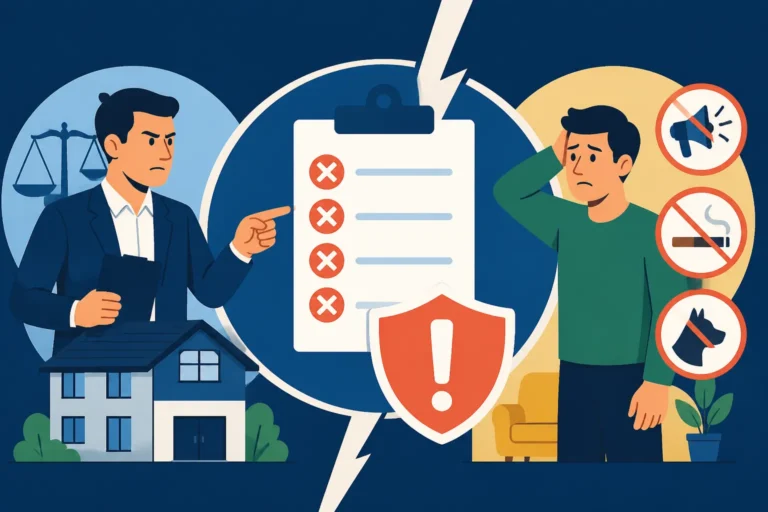
Lease violations include nonpayment of rent, unauthorized occupants, property damage, pet policy breaches, and nuisance behavior or illegal activities.

Legal reasons to break a lease include military service, domestic violence, and uninhabitable property conditions that violate rental agreements.
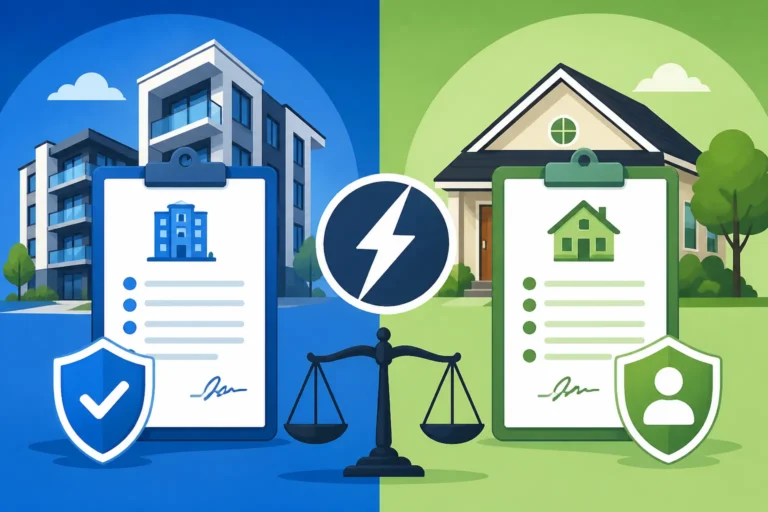
Lease agreements and rental agreements differ in duration, flexibility, rent stability, and how landlords and tenants terminate the tenancy.

Lease agreements and rental laws outline how subletting and lease assignment differ in tenant liability, landlord approval, and financial responsibility.

Lease renewals and automatic renewal clauses require careful attention to deadlines, written notices, and state laws to avoid unexpected financial costs.

Lease agreements define tenant and landlord details, rental terms, security deposits, late fees, and maintenance responsibilities.

Fixed-term versus month-to-month leases impact stability, legal responsibilities, and financial planning for both landlords and tenants.
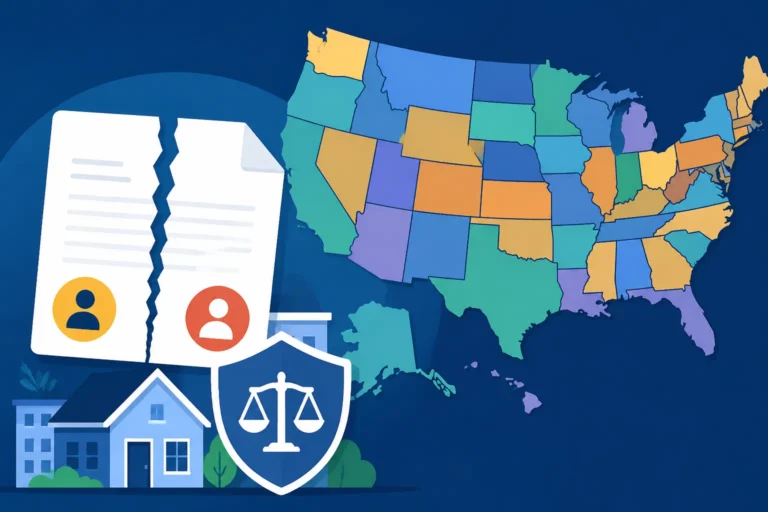
State landlord laws, early termination clauses, and legal justifications explain how tenants can break a residential lease agreement legally.

Early lease termination strategies, military protections, and negotiation techniques help tenants exit rental agreements while minimizing penalties.