How Do I Fight an Unfair Rent Increase?
Fighting unfair rent increases involves reviewing lease terms, verifying notice periods, checking rent control laws, and gathering written evidence.

Fighting unfair rent increases involves reviewing lease terms, verifying notice periods, checking rent control laws, and gathering written evidence.

Tenant protection laws require landlords to provide advance written notice before raising rent, varying by state and lease type.

Landlord-tenant law and lease agreements dictate when property owners can legally charge tenants late fees, enforce grace periods, and limit costs.

State rent late fee laws and lease agreements establish legal limits, grace periods, and factors used to determine reasonable charges.

Tenant rent-setting rules, rent control laws, statewide rent caps, lease agreements, and notice requirements limit how much landlords can charge for rent.
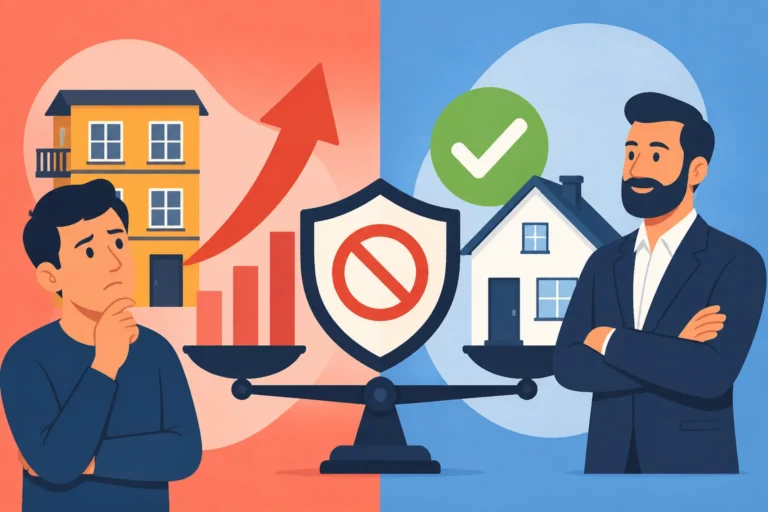
State and local rent increase limits vary across the United States, explaining where rent control and stabilization laws apply for tenants.

Annual rent increases depend on lease types, state laws, and proper written notice requirements for fixed-term and month-to-month agreements.

State and local rent increase laws dictate lease terms, required notice periods, rent control caps, and allowable annual percentage limits.

Tenant lease agreements, state rent control laws, and proper notice periods determine whether a large rent increase is legal.
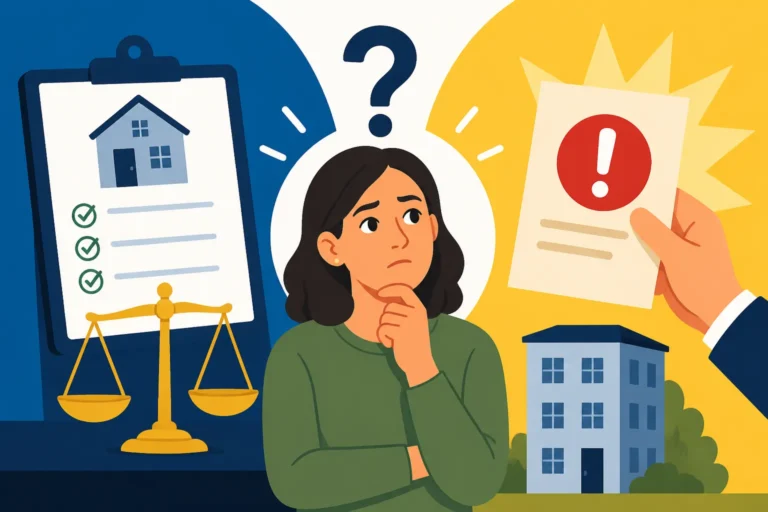
Rental late fee legality depends on state laws, lease agreements, grace periods, and whether charges are reasonable and proportional to rent.