Can a Landlord Shut Off Utilities to Force Me Out?
It’s a truly frightening and frustrating experience to come home and find your electricity off, your water shut down, or your gas disconnected, especially when you know your landlord is behind it. This terrifying tactic, often used by landlords trying to sidestep legal eviction processes, is not only deeply unfair but almost always illegal. This comprehensive guide will walk you through exactly why landlords can’t shut off your utilities to force you out, what your rights are as a tenant, and the powerful steps you can take to fight back and ensure your essential services are restored.
Understanding Illegal Self-Help Evictions
When you're renting a home, apartment, or even just a room, you gain certain rights that protect you from being arbitrarily thrown out. One of the most fundamental principles of landlord-tenant law is that a landlord cannot take matters into their own hands to remove you from the property. This is what we call a "self-help eviction," and it's overwhelmingly prohibited across the United States.
What is a Self-Help Eviction?
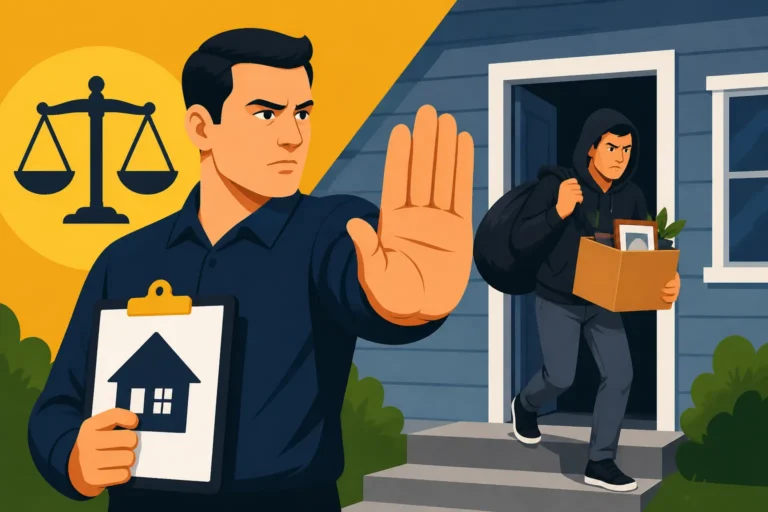
A self-help eviction is any action a landlord takes to remove a tenant from a rental property without first going through the formal legal eviction process in court. Essentially, it’s when a landlord decides to play judge, jury, and executioner, circumventing the judicial system entirely. These actions are designed to make the property uninhabitable or uncomfortable, pressuring the tenant to leave voluntarily, even if they have a legal right to stay. It's an end-run around due process, and tenant protection laws are firmly against it.
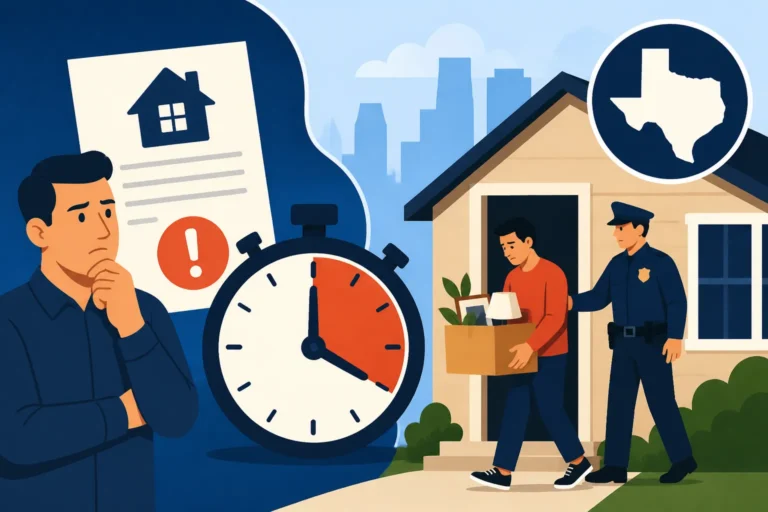
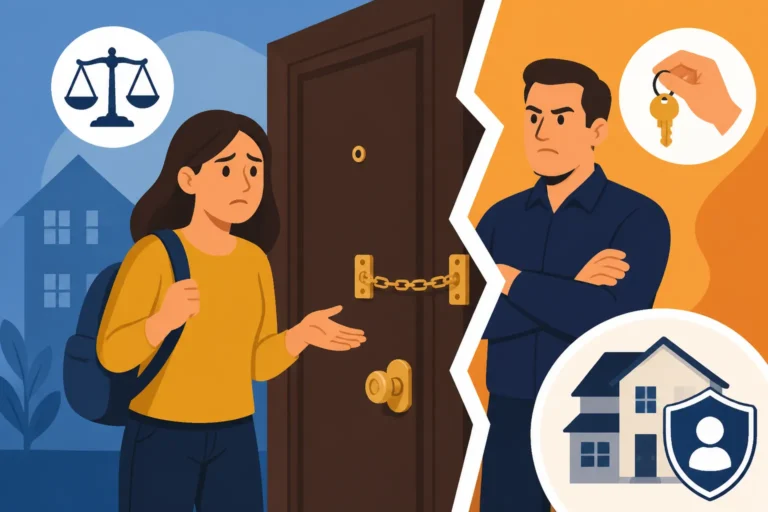
Imagine coming home to find the locks changed, your belongings piled outside, or your power cut. These aren't just inconveniences; they're direct violations of your tenancy and your rights. Landlords often resort to these methods out of frustration, ignorance of the law, or a misguided belief that it’s faster and cheaper than a formal eviction. However, the legal system views these actions very seriously, and the consequences for landlords can be severe. This includes actions like removing a tenant's property, locking them out, or, as we're discussing today, cutting off essential utilities.
Specific Examples of Illegal Lockouts and Utility Shutoffs
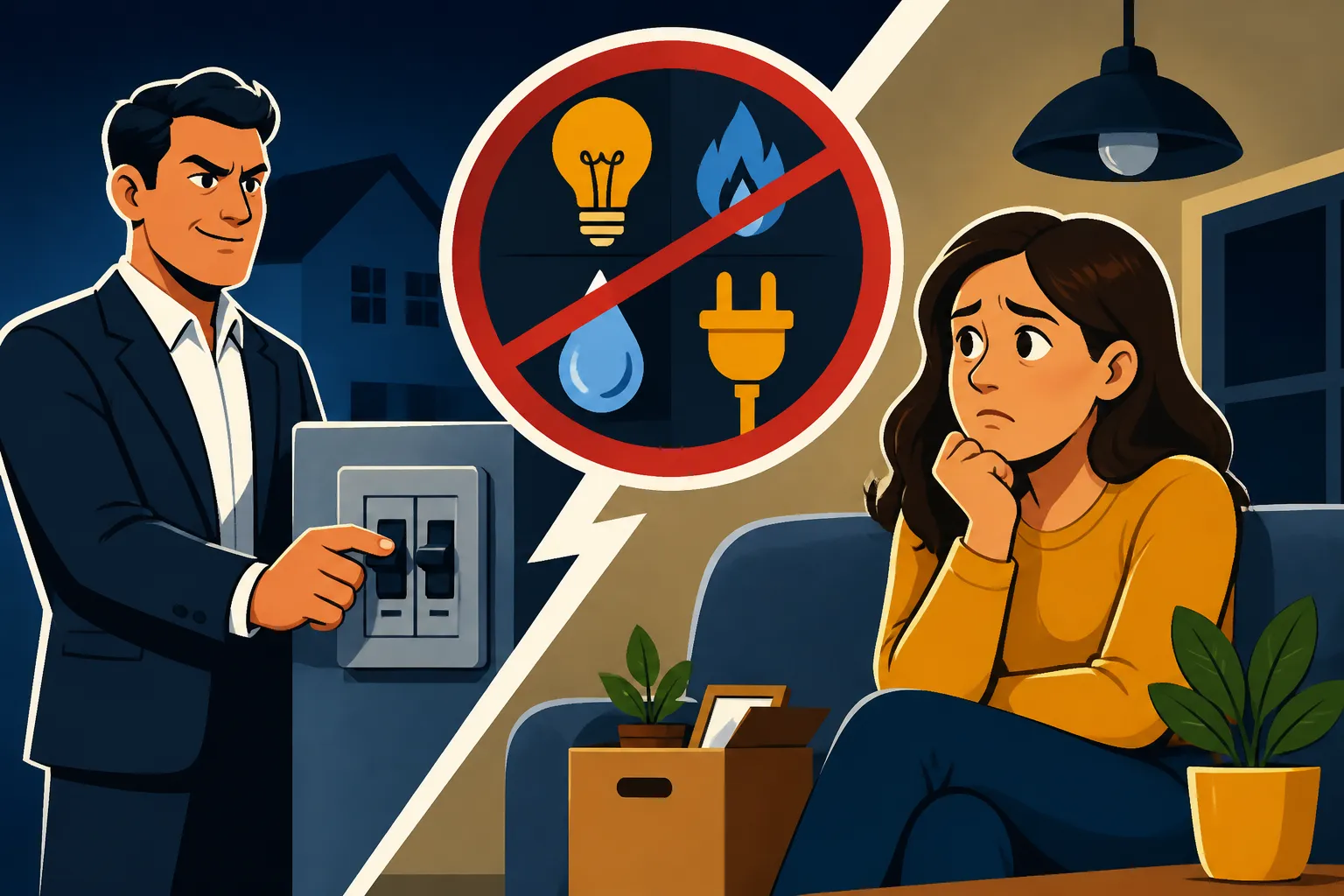
Let's get specific about what constitutes an illegal self-help eviction involving utilities. It's not just a subtle threat; it's the actual discontinuation of services you're entitled to. This could involve:
- Cutting off electricity: Suddenly, no lights, no refrigerator, no charging your phone. This makes daily life impossible and can lead to food spoilage.
- Shutting off water: No running water for drinking, bathing, or sanitation. This immediately renders a home uninhabitable.
- Turning off gas: This affects heating, cooking, and sometimes hot water, especially critical during colder months. Imagine trying to live in an unheated apartment in January in Chicago or Boston.
- Discontinuing trash collection: While perhaps not as immediate a threat to habitability as water or power, denying waste disposal can quickly lead to unsanitary conditions and pest infestations.
- Removing essential appliances: Taking away a stove, refrigerator, or water heater that was included in the rental agreement, making the unit much less functional.
These actions are often taken without any prior notice, leaving tenants in a sudden and vulnerable position. It's crucial to understand that even if you owe rent or have violated a lease term, your landlord still cannot legally cut off your utilities to force you out. They must follow the proper legal procedures, which typically begin with an official written notice and then move to court if the issue isn't resolved. For more information on the proper legal process, you might want to read our guide on the Eviction Process by State (Step-by-Step).
The Legal Basis: Why it's Illegal
The illegality of self-help evictions, especially utility shutoffs, stems from several bedrock principles of landlord-tenant law. First and foremost is the concept of the "implied warranty of habitability." This means that landlords are legally obligated to provide a safe, sanitary, and livable dwelling. Essential utilities like water, electricity, and heat are fundamental components of a habitable living space. When a landlord cuts these off, they are directly violating this warranty, making the unit unlivable.
Secondly, virtually every state has specific statutes that outlaw self-help evictions. These laws are designed to prevent chaos and ensure that disputes are resolved through the courts, not through strong-arm tactics. These statutes typically empower tenants to sue for damages, including actual damages (like the cost of alternative housing) and punitive damages (meant to punish the landlord for egregious behavior). Some states even allow for double or treble damages, significantly increasing the financial penalty for landlords who engage in such illegal acts. For instance, in states like California, landlords can face substantial penalties, including statutory damages of $100 per day for each day the utilities are shut off, in addition to actual damages. Even if a landlord uses a professional property management tool like DoorLoop, they must ensure they are adhering to these crucial legal tenets.
Moreover, tenants have a right to "quiet enjoyment" of their rented premises. This means the right to use and enjoy their home without significant interference from the landlord. Cutting off utilities is a clear and severe violation of this right, making it impossible to quietly and peacefully enjoy the property. These legal protections ensure that tenants are not at the mercy of landlords who might otherwise use their power imbalance to exploit or intimidate renters.
Why Landlords Resort to Utility Shutoffs
It's natural to wonder why a landlord would choose such a clearly illegal and harmful path. While there’s no excuse for violating a tenant’s rights, understanding the potential motivations can sometimes shed light on the situation, even if it doesn't justify it.
Common Motivations
Often, landlords who resort to illegal utility shutoffs are driven by a combination of frustration and a desire for a quick resolution. The most common scenarios include:
- Non-payment of rent: This is perhaps the leading cause. A tenant falls behind on rent, and the landlord, eager to regain income, sees cutting utilities as a fast way to make the tenant leave. They might believe that if the tenant can't afford rent, they also can't afford to live without basic services.
- Lease violations: Beyond rent, tenants might be violating other terms of their lease agreement – perhaps having unauthorized pets, too many occupants, or causing excessive damage. A landlord might see the utility shutoff as a way to punish the tenant or force compliance.
- Expired lease/holdover tenants: When a lease expires and a tenant doesn't move out, they become a "holdover tenant." While landlords have a right to regain possession, they still must go through a formal eviction process. Impatient landlords might try to force them out illegally.
- Tenant disputes: Sometimes, personality clashes or disputes over repairs can escalate, leading a landlord to act out of spite or anger. Instead of addressing the issues through proper channels, they resort to illegal tactics.
While these situations are undoubtedly stressful for landlords, the law is clear: they cannot take matters into their own hands. The legal eviction process exists precisely to handle these issues in a structured, fair, and lawful manner.
Misunderstanding of Landlord-Tenant Law
Believe it or not, some landlords genuinely don't know they're breaking the law when they shut off utilities. Landlord-tenant laws can be complex and vary significantly by state and even by city. A landlord who owns just one or two properties might not be aware of all the intricate rules and regulations governing evictions and tenant rights. They might operate under old assumptions or incorrect advice from non-legal sources.
For example, a landlord might think, "Well, if they're not paying for the utilities, I have every right to turn them off." However, in many cases, utilities are paid directly by the tenant or included in the rent, and even if they aren't, a landlord cannot discontinue service to force an eviction. This ignorance, while not an excuse in court, can be a factor in why these situations occur. That’s why resources providing accurate legal information are so vital for both tenants and landlords. Even for professional landlords, it's beneficial to periodically review state-specific guidelines on platforms like LawDepot to ensure their practices align with current legal standards.
The Desire for a "Quick Fix"
Let's face it: the legal eviction process can be time-consuming and expensive. It involves serving notices, filing paperwork, attending court hearings, and potentially waiting for a sheriff to physically remove a tenant if an eviction order is granted. This process can take weeks, or even months, depending on the state and local court backlogs. During this time, the landlord might be losing rental income and incurring legal fees.
This lengthy and costly process can lead some landlords to look for what they perceive as "shortcuts." Illegally shutting off utilities seems like an immediate solution to them – surely the tenant will leave if they can't live there anymore, right? This desire for a "quick fix" often overrides their understanding or concern for the legal repercussions. However, the potential penalties for illegal self-help evictions, including significant fines and damages, almost always outweigh the perceived benefits of avoiding the legal process. In the long run, attempting a self-help eviction usually ends up being far more costly and damaging to a landlord than following the proper legal steps.
Your Rights as a Tenant Against Utility Shutoffs
As a tenant, you have powerful rights designed to protect you from these exact situations. Knowing these rights is your first line of defense.
The Implied Warranty of Habitability
We touched on this earlier, but it bears repeating: the implied warranty of habitability is a fundamental tenant protection. This legal principle, recognized in most states, means that your landlord guarantees that your rental unit is fit for human habitation. This isn't just about structural integrity; it includes access to essential services.
What makes a dwelling "habitable"? It generally includes:
- Safe and sanitary conditions: No severe hazards, reasonable cleanliness at move-in.
- Structural soundness: Walls, roof, foundation must be intact.
- Pest control: Reasonable efforts to keep units free of vermin.
- Essential utilities: This is where utility shutoffs directly come in. You're entitled to working plumbing, heat (especially in cold climates), electricity, and hot and cold running water.
- Functioning appliances: If appliances like a stove or refrigerator were included in the lease, they must be maintained in working order.
When a landlord intentionally cuts off your utilities, they are directly violating this warranty, making the property uninhabitable. This breach of contract and legal duty gives you significant recourse. You don't have to live without these basic services, and your landlord cannot force you to. For a deeper dive into what your landlord is responsible for, check out our guide on Landlord Repair Responsibilities (What They Must Fix).
Specific State Laws and Protections
While the implied warranty of habitability is a general principle, most states also have specific laws explicitly prohibiting landlords from shutting off utilities to evict tenants. These laws often outline penalties and remedies for tenants.
For example:
- California: California Civil Code Section 789.3 explicitly prohibits landlords from cutting off or interrupting utilities with the intent to terminate the tenancy. Tenants can recover actual damages, statutory damages of $100 per day (for a minimum of $250), and reasonable attorney's fees.
- New York: New York Real Property Law Section 235 prohibits such actions and allows tenants to recover actual damages, punitive damages, and attorney's fees.
- Texas: The Texas Property Code (Section 92.008) also makes it illegal for landlords to interrupt utility services, allowing tenants to recover possession, terminate the lease, and recover actual damages, a civil penalty of one month's rent plus $1,000, and attorney's fees.
These are just a few examples, but similar protections exist in nearly every state. The penalties are designed to be a significant deterrent, making it financially painful for landlords to engage in these illegal practices. It's always a good idea to know the specific Self-Help Eviction Penalties by State that apply where you live, as the exact amounts can vary.
Essential Services Defined
What exactly counts as "essential services"? While it might seem obvious, it's worth clarifying, as this is what your landlord cannot legally cut off. Generally, essential services include:
- Hot and cold running water: Absolutely critical for hygiene and daily tasks.
- Heat: Especially important in regions and during times of year when temperatures drop below freezing. Many jurisdictions have minimum temperature requirements for rental units.
- Electricity: Power for lights, refrigeration, and communication.
- Gas: For cooking, heating, and sometimes hot water.
Some states might also include other services, like functioning plumbing, working locks, or even proper trash receptacles, as essential to habitability. The key is that these are basic necessities for a modern, safe, and healthy living environment. Your lease agreement might list some of these as services included with your rent, but even if they aren't explicitly itemized, the implied warranty of habitability usually covers them.
Immediate Steps to Take When Utilities Are Shut Off
Finding your utilities suddenly cut off can feel overwhelming and terrifying. But don't panic. There are clear, immediate steps you can take to protect yourself and begin the process of getting your services restored.
Document Everything
The moment you discover a utility shutoff, your first priority (after ensuring your immediate safety) should be to document everything meticulously. This evidence will be crucial if you need to take legal action.
- Take photos and videos: Document the lack of service. For electricity, take a video showing lights not turning on, or a clock not working. For water, show taps running dry. For gas, show the stove not igniting. Timestamp these if possible.
- Note dates and times: Record the exact date and time you discovered the shutoff. Also, note any previous communications with your landlord regarding utility issues or disputes.
- Gather communication: Save all texts, emails, or letters from your landlord that relate to the utilities or any disputes. If your landlord made threats about cutting off services, this is powerful evidence.
- Record expenses: Keep receipts for any costs you incur due to the shutoff, such as hotel stays, restaurant meals, ice to save food, or alternative lighting. These are your "actual damages" that you can seek reimbursement for.
- Identify the utility provider: Make sure to check with your utility company to confirm if the service was disconnected by them (e.g., for non-payment on your part) or if it was explicitly requested by your landlord. Obtain documentation from the utility company if the landlord initiated the shutoff.
This comprehensive documentation acts as your paper trail and will be invaluable if you need to pursue legal remedies or explain your situation to authorities.
Communicate with Your Landlord in Writing
Even if you're furious, it’s vital to communicate with your landlord in a calm, professional, and written manner. A phone call can be easily denied or misinterpreted, but a written record leaves no room for doubt.
- Send a formal letter or email: Clearly state that the utilities have been shut off (specify which ones), the date and time you discovered it, and request immediate restoration. Refer to your lease and your state's laws if you know them.
- State your intention: Inform them that you understand this is an illegal self-help eviction and that you expect the services to be restored immediately to prevent further action on your part.
- Keep a copy: Always keep a copy of any letter or email you send. If sending a physical letter, send it via certified mail with a return receipt requested, so you have proof of delivery.
- Give a deadline (optional but recommended): While they should restore it immediately, you can include a reasonable deadline (e.g., "If services are not restored within 24 hours, I will be forced to take further action").
This written communication serves as official notice to your landlord, giving them a chance to rectify the situation while also creating a clear record of your attempts to resolve the issue amicably. If you need assistance drafting official correspondence, a service like LawDepot can provide useful templates for tenant notices.
Contact Local Authorities and Tenant Rights Organizations
If your landlord doesn't immediately restore utilities after your written communication, it's time to bring in external help.
- Code enforcement or housing authority: Many cities and counties have housing departments or code enforcement offices that investigate violations of housing codes, including issues related to essential utilities. File a complaint with them. They can issue citations or even order the landlord to restore services.
- Local police (in some cases): While police typically won't intervene in civil landlord-tenant disputes, an illegal utility shutoff can sometimes be viewed as a breach of the peace or a criminal act in some jurisdictions. They might at least document the incident, which can be helpful evidence.
- Tenant rights organizations: Search online for "tenant rights [your city/state]" or "legal aid for renters [your city/state]." These organizations offer free or low-cost legal advice and can guide you on your specific rights and the best course of action. They often deal with these issues daily and know the local laws inside and out. For example, in California, organizations like Tenants Together are excellent resources.
- Legal counsel: If you can afford it, consulting with an attorney specializing in landlord-tenant law can provide immediate expert guidance and represent your interests.
Taking these steps quickly demonstrates that you are serious about protecting your rights and are willing to involve authorities if necessary. The aim is to get the utilities back on and ensure your landlord understands the severity of their illegal actions.
Long-Term Solutions and Legal Recourse
If immediate actions don't result in the restoration of your utilities, you'll need to consider more significant legal recourse. The law provides several powerful avenues for tenants whose landlords engage in illegal self-help evictions.
Suing for Damages
One of the most common and effective ways to fight back against an illegal utility shutoff is to sue your landlord for damages. This means asking a court to order your landlord to pay you money for the harm they've caused.
- Actual Damages: These are the direct financial losses you suffered because of the utility shutoff. This can include:
- Costs for alternative housing (e.g., hotel bills).
- Cost of spoiled food due to a non-working refrigerator.
- Medical expenses if the lack of heat or other services exacerbated a health condition.
- Lost wages if you couldn't work from home due to lack of power.
- Any repair costs you incurred to restore services (though this is often not recommended without legal advice, as it can be tricky).
- Statutory Damages: Many states have laws that specify a certain amount of money a tenant can recover for each day the utilities are illegally shut off, regardless of actual financial loss. This is intended to punish the landlord and deter future violations. For example, some states might impose a $100 per day penalty, while others might mandate several times your daily rent.
- Punitive Damages: In cases where the landlord's actions were particularly egregious, malicious, or reckless, a court might award punitive damages. These are not meant to compensate you for a loss but to punish the landlord and discourage similar behavior from them and others.
- Attorney's Fees: Many state laws also allow tenants to recover their legal fees if they win a case against a landlord for illegal utility shutoffs. This is a huge help, as it means you might not have to bear the cost of legal representation yourself.
You would typically pursue these damages in small claims court, which is designed for individuals to resolve disputes without needing an attorney, though having legal counsel is always beneficial. Remember to have all your documentation ready to present your case. This is also where understanding concepts like Double vs Treble Damages for Wrongful Withholding can be important, as similar multipliers might apply to illegal self-help evictions.
Seeking an Injunction
An injunction is a court order that compels someone to do something or to stop doing something. In the context of utility shutoffs, you can ask a court for an injunction to:
- Force the landlord to restore services: A judge can issue an order demanding that your landlord immediately turn the utilities back on.
- Prevent future illegal actions: The injunction can also prohibit your landlord from engaging in any further self-help eviction tactics.
Seeking an injunction is often a faster process than suing for damages alone, especially if you file an emergency motion. The goal here is immediate relief – getting your services restored so you can live in your home. While you might still pursue damages later, an injunction prioritizes your immediate need for a habitable living space. This is a powerful tool to ensure that your landlord cannot continue to disrupt your life.
Breaking the Lease Constructive Eviction
If your landlord has shut off essential utilities and refused to restore them, making your home uninhabitable, you might have grounds for "constructive eviction." Constructive eviction occurs when a landlord's actions (or inactions) make the property unlivable, forcing the tenant to move out, even though the landlord hasn't formally evicted them.
- What it means for you: If you can prove constructive eviction, you can legally break your lease without penalty. This frees you from your obligation to pay future rent and allows you to move to a new, habitable home.
- Important considerations: To claim constructive eviction, you typically must:
- Notify your landlord in writing of the uninhabitable conditions (e.g., the utility shutoff).
- Give them a reasonable amount of time to fix the problem.
- Move out within a reasonable time after the problem persists.
- The condition must be severe enough to render the property genuinely uninhabitable. A temporary, minor inconvenience usually won't qualify.
Breaking a lease due to uninhabitable conditions is a serious step, and it's highly advisable to consult with an attorney or tenant rights organization before doing so. If you leave without proper grounds, you could still be held liable for rent. However, an illegal utility shutoff is often strong evidence for constructive eviction. Understanding when and how to claim Constructive Eviction Explained can be critical in these circumstances. You may also be entitled to your security deposit back and even damages.
Preventative Measures and Documentation
While we hope you never have to deal with an illegal utility shutoff, being prepared can significantly strengthen your position if it ever happens. Prevention and meticulous record-keeping are your best friends.
Thorough Lease Review
The journey to protecting yourself starts before you even sign a lease. A thorough review of your lease agreement can help you understand your rights and responsibilities from the outset.
- Utility clauses: Pay close attention to sections detailing utility responsibilities. Who is responsible for which utilities? Are they included in the rent or are you responsible for setting them up and paying them?
- Maintenance and repair clauses: Understand what the landlord is responsible for maintaining and repairing. This can be critical if the utility issue stems from a maintenance problem rather than an intentional shutoff.
- Eviction procedures: While illegal tactics are prohibited, knowing the correct legal eviction procedures outlined (or referenced) in your lease can help you immediately identify when a landlord is veering off course.
- Emergency contacts: Ensure you have multiple ways to contact your landlord or their property manager, especially for emergencies.
If you’re using a standard lease agreement, platforms like LawDepot can provide templates that clearly outline these responsibilities, which can be helpful for both tenants and landlords in setting clear expectations from the beginning. Don't be afraid to ask questions about anything unclear before you sign. A good lease is a foundation for a healthy landlord-tenant relationship.
Maintaining Comprehensive Records
Documentation isn't just for when things go wrong; it should be an ongoing habit throughout your tenancy. This proactive approach can save you a lot of grief.
- Lease agreement: Keep a signed copy of your lease agreement and any addendums in a safe, accessible place.
- Rent payments: Always keep records of your rent payments. This could be bank statements, cancelled checks, money order receipts, or screenshots of online payments. Proof of payment is your best defense against claims of non-payment.
- Communication: Maintain a log of all communications with your landlord – dates, times, topics discussed, and who was involved. Store copies of all written correspondence (emails, texts, letters).
- Move-in/move-out condition reports: Perform a thorough move-in inspection and document the condition of the property with photos and videos. Have your landlord sign off on it. Do the same when you move out. This prevents false claims about damages. You might find our Move-In / Move-Out Inspection Guide helpful for this.
- Repair requests: Keep copies of all repair requests you submit and any responses or actions taken by the landlord. If a utility problem arises from disrepair rather than an intentional shutoff, these records are crucial.
Treat your rental home as a business transaction, and keep professional records. This habit ensures you have the evidence needed to back up your claims should a dispute arise, whether it's about a security deposit deduction or an illegal eviction attempt.
Knowing Your Rights Proactively
The most powerful preventative measure is simply being informed. The more you know about your rights as a tenant, the less likely a landlord is to try and take advantage of you.
- Research state and local laws: Familiarize yourself with the specific landlord-tenant laws in your state, county, and city. Websites of state housing authorities, legal aid organizations, and tenant advocacy groups are excellent resources.
- Understand the legal eviction process: Know what a landlord must do to legally evict you. This includes proper notice periods, court filings, and judicial orders. This way, you'll immediately recognize an illegal eviction attempt. You can learn more about Eviction Notice Types (Pay or Quit, Cure or Quit, Unconditional) to understand the first steps a landlord should take.
- Stay connected with tenant communities: Online forums, local tenant unions, or community groups can be great places to share experiences and learn from others in your area.
- Consult professionals when needed: Don't hesitate to contact a tenant rights organization or an attorney if you have questions or concerns about your landlord's actions, even before things escalate. Being proactive can prevent a small issue from becoming a major legal battle. Even property management platforms like DoorLoop integrate compliance features to help landlords stay within legal boundaries, underscoring the importance of understanding the law for both parties.
By being informed and prepared, you turn yourself from a potential victim into an empowered tenant who can confidently stand up for their rights against illegal tactics like utility shutoffs.
State-Specific Penalties for Illegal Utility Shutoffs
As mentioned, the penalties for landlords engaging in illegal utility shutoffs vary significantly by state. While this table provides a general overview, it is essential to consult your state's specific landlord-tenant laws or a local attorney for precise details. These are often in addition to actual damages incurred by the tenant.
| State | Typical Penalties for Illegal Utility Shutoff (General) |
|---|---|
| California | Actual damages, plus $100 per day (minimum $250) for each day services are off, and attorney's fees. |
| New York | Actual damages, punitive damages, and attorney's fees. |
| Texas | Actual damages, civil penalty of one month's rent + $1,000, and attorney's fees. |
| Florida | Actual damages or 3 months' rent (whichever is greater), plus attorney's fees. |
| Massachusetts | Actual damages or 3 months' rent (whichever is greater), plus attorney's fees and costs. |
| Illinois | Actual damages, or 2 months' rent, plus attorney's fees. |
| Maryland | Actual damages, plus up to 3 months' rent or $2500 (whichever is greater) for each violation, and attorney's fees. |
| Washington | Actual damages, plus a penalty of up to $100 per day for each day of violation, and attorney's fees. |
| New Jersey | Actual damages, plus up to 3 times actual damages or $500 per violation (whichever is greater) for certain acts, attorney's fees. Can also include a civil penalty of up to $10,000 for specific violations under the Truth-in-Renting Act. |
| Pennsylvania | Actual damages, plus two times the actual damages or $100, whichever is greater, and attorney's fees. |
Disclaimer
The information provided in this guide is intended for general informational purposes only and does not constitute legal advice. Landlord-tenant laws are complex and vary significantly by jurisdiction. It is always recommended to consult with a qualified attorney or local tenant advocacy organization for advice specific to your situation.