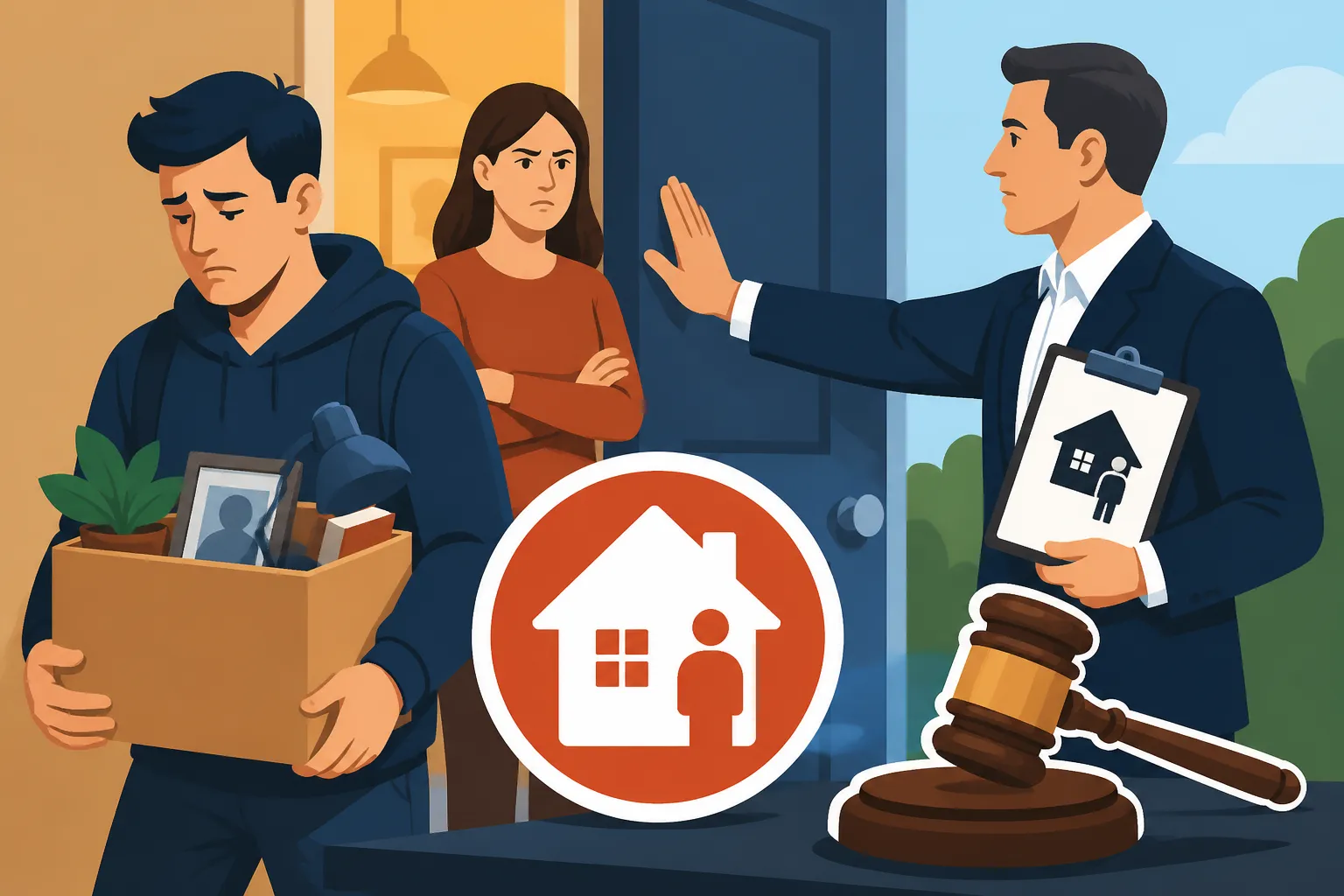
How to Evict a Roommate or Family Member
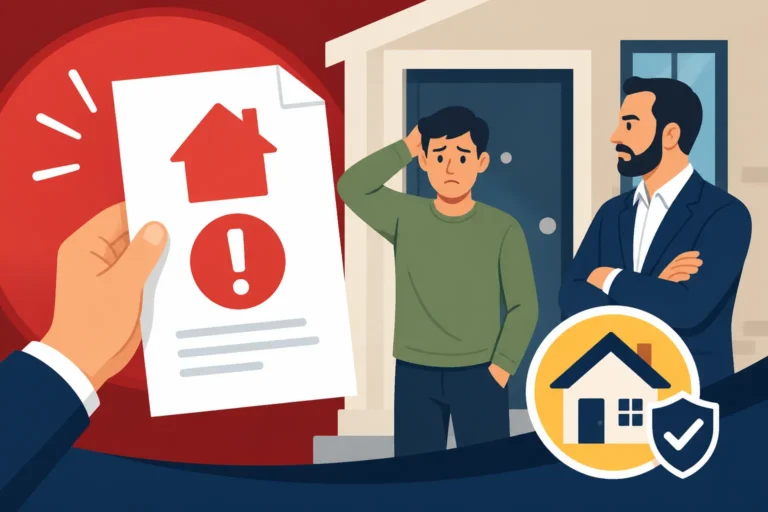
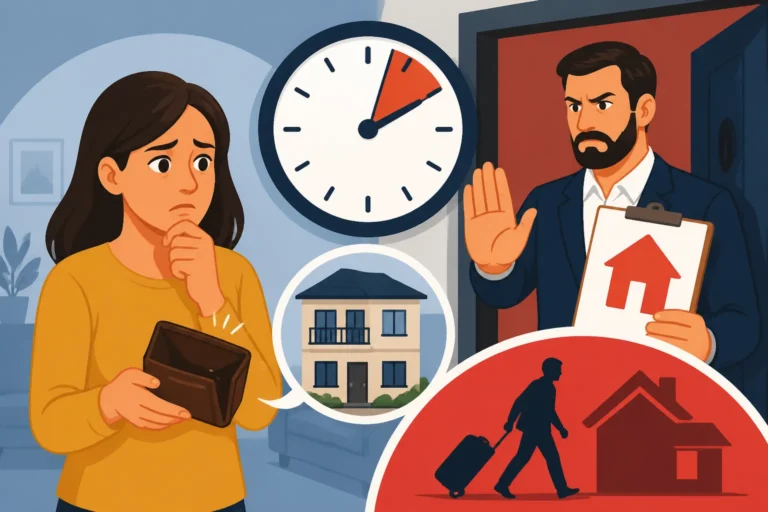
It’s an agonizing situation, isn't it? When the person you share your home with, whether it’s a roommate you found online or a beloved family member, becomes impossible to live with, the idea of getting them to leave can feel insurmountable. This guide will walk you through the challenging but necessary steps to legally evict a roommate or family member, making sure you understand your rights and responsibilities every step of the way.
Understanding Your Relationship: Tenant, Subtenant, or Occupant?
Before you even think about eviction, you need to understand the legal relationship you have with the person you want to remove. This isn't just semantics; it fundamentally changes the process you'll need to follow. The law makes distinct differences between a formal tenant, a subtenant, and a mere occupant or guest, and misidentifying this can lead to serious legal missteps.
Leaseholders vs. Non-Leaseholders
This is often the most critical distinction. A leaseholder is someone whose name appears on the signed lease agreement with the landlord. If both your name and your roommate's name are on the lease, you both have equal rights and responsibilities under that lease. One leaseholder generally cannot "evict" another leaseholder in the traditional sense, as you are both legally bound to the property and to each other's responsibilities to the landlord. This scenario requires a much more complex approach, often involving the landlord directly.
On the other hand, if only your name is on the lease, and your roommate lives there without a direct agreement with the landlord, their legal standing is different. You, as the primary tenant, effectively become their "landlord," even if you never intended to be. This means you have certain rights, but also certain obligations, just like any landlord. They may be considered a month-to-month tenant or a tenant-at-will, depending on whether they pay rent and the specifics of your state's laws. The primary leaseholder is responsible for ensuring the property rules are followed and rent is paid to the actual property owner, regardless of whether their informal tenant pays them.
Subtenants and Roommate Agreements
A subtenant is someone who rents from you, the primary tenant, rather than directly from the property owner. This often happens with an official sublease agreement, where you essentially become their landlord. You'd collect rent from them, handle maintenance requests (or pass them on to your landlord), and you're responsible for their actions to the main landlord. These arrangements are usually formal and require the landlord's permission.
Even if there isn't a formal sublease, many roommates have some form of roommate agreement. While not always directly enforceable by the landlord, a well-drafted roommate agreement can clearly outline expectations for rent, utilities, chores, noise, and even how to handle disagreements or when someone needs to move out. A platform like LawDepot can be a helpful resource for crafting these kinds of informal yet crucial agreements. While a roommate agreement can't replace an official lease for legal eviction proceedings between you and the landlord, it can definitely strengthen your case if you, as the primary tenant, need to evict a subtenant. It provides a written record of agreed-upon terms, making it clear when those terms have been violated.
Family Members and Guests
This category presents unique challenges due to the personal nature of the relationship. A family member, or even a long-term guest, might start out as someone staying for a short period and gradually evolve into something more akin to a tenant, even without paying rent or signing a formal agreement. This transformation can be insidious, and many people don't realize that after a certain period, or if they contribute to household expenses, receive mail at the address, or have their own keys, they may gain tenant rights.
In many states, someone who lives in your home without a formal lease and doesn't pay rent but has established residency can be considered a tenant at will or a licensee. This means they are still entitled to proper legal notice before you can force them to leave, and you cannot simply kick them out or change the locks. The exact definition and the notice period required will vary significantly by state. For instance, in some places, a person staying longer than 30 days, or even less, can acquire tenant rights, making an eviction process almost identical to that for a paying tenant. Ignoring these facts can lead to serious legal repercussions, including lawsuits against you for illegal eviction.
The Nuances of Evicting a Roommate
Evicting a roommate is rarely straightforward, especially when personal dynamics are involved. The legal path you take hinges almost entirely on whose names are on the official lease agreement with the property owner. This distinction dictates whether you can initiate an eviction yourself or if you need to involve the landlord.
When Both Names Are on the Lease
This is perhaps the most difficult situation, and honestly, it’s where many people find themselves stuck. If you and your roommate both signed the lease with the landlord, you are what's called "co-tenants" or "joint tenants." This means you both have equal rights to occupy the property, and legally, one co-tenant cannot evict another. You are both equally responsible for the rent and upholding the lease terms.
In this scenario, if your roommate is causing problems – not paying their share of rent, violating lease rules, or simply being an impossible housemate – your dispute is not just with them, but also with your landlord, because their actions (or inactions) reflect on you both. Your best course of action often involves:
- Negotiation and Mediation: Try to talk through the issues directly. If that fails, consider a neutral third-party mediator to help you both reach an agreement. Sometimes, a "cash for keys" agreement, where you pay them to leave, might be a faster and less stressful option, though it's unfair you'd have to pay.
- Involving the Landlord: If direct communication fails, you'll likely need to bring your landlord into the loop. Your landlord might be able to mediate or, if the roommate is violating the lease, they might be willing to initiate an eviction process against both of you or, more ideally, just the problematic roommate. Be aware that if the landlord evicts, it could affect both your rental histories.
- Breaking the Lease: In extreme cases, if the situation is unbearable and your roommate won't cooperate, your only option might be to [How to Break a Lease (Without Penalty Where Possible)] yourself, potentially incurring penalties, or moving out and letting the landlord pursue both of you for unpaid rent. This is a drastic measure and should be a last resort after exploring all other avenues.
When Only One Name Is on the Lease
This situation is generally less complicated for the primary leaseholder, but it still requires formal legal steps. If your name is the only one on the lease with the landlord, and your roommate is either paying you rent directly or living there without paying, you are essentially their landlord. This means you have the right to evict them, but you must follow proper landlord-tenant laws, just like any other landlord would.
You cannot simply tell them to leave or change the locks. Even if there's no written agreement, if they've been regularly paying you rent, or even if they’ve been living there long enough to establish residency and have mail delivered, they have tenant rights. The good news is that as the primary tenant, you typically have the legal standing to initiate eviction proceedings yourself. You'll need to serve them an appropriate [Eviction Notice Types (Pay or Quit, Cure or Quit, Unconditional)], wait for the notice period to expire, and if they don't leave, proceed with filing an eviction lawsuit in court. It's vital to meticulously follow your state's specific eviction rules for non-leaseholding occupants to ensure the process is legal and successful.
Importance of a Roommate Agreement
While often overlooked, a solid roommate agreement can be your best friend in these sticky situations. This is a separate contract between you and your roommate, distinct from the lease with the landlord. It outlines the responsibilities of each person, including:
- Rent and Utilities: Clearly states who pays what, by when, and how shared costs are split.
- Household Duties: Establishes expectations for cleaning, maintenance, and upkeep.
- Rules for Guests: Defines limits on overnight guests or parties.
- Notice Periods: Specifies how much notice a roommate must give before moving out, and what happens if they break that agreement.
- Dispute Resolution: Outlines a process for resolving conflicts.
Even if it's not a formal, notarized document, a written roommate agreement can provide clarity and a basis for discussion when issues arise. If you end up in court needing to evict, having a written agreement, even one you drafted casually, can serve as crucial evidence of the terms you both agreed upon, showing the court that certain responsibilities were accepted and then violated. It can clearly define a "subtenancy" relationship where you are the de facto landlord. Companies like LawDepot offer templates that can help you create robust and clear roommate agreements, anticipating many of these potential problems before they even start. Having this document makes it much easier to prove a breach of terms, which is often a prerequisite for an eviction notice.
Evicting a Family Member: A Different Dynamic
Evicting a family member brings an entirely different layer of complexity, often intertwined with deep emotional baggage and a history that can make purely legal steps feel almost impossible. However, the legal system still applies, and understanding its nuances is crucial to protecting yourself and your property.
No Formal Lease: Understanding Tenancy at Will
When a family member moves in, it’s usually out of goodwill, a helping hand, or shared circumstances, and rarely involves a formal lease agreement. This informal arrangement, where no rent is explicitly paid or a lease is signed, often creates what's legally known as a "tenancy at will" or "gratuitous occupancy." This means they are occupying the property with your permission, but without a fixed term or formal contract.
The crucial point here is that even without paying rent or signing a document, these individuals are typically not mere guests. Once they establish residency—receiving mail, having keys, storing their belongings, or even just living there for an extended period (which can be as short as a few weeks in some states)—they gain legal tenant rights. This means you cannot simply tell them to leave immediately. You must still provide them with proper written notice, often a 30-day or 60-day notice to quit, depending on your state and the duration of their stay. Failing to provide this notice and then attempting to remove them yourself can lead to severe penalties for illegal eviction. For instance, in states like California, even a non-paying family member residing on the property for more than 30 days is typically considered a tenant.
Establishing Tenancy vs. Guest Status
The line between a "guest" and a "tenant" can be surprisingly blurry and often depends on circumstantial evidence and state law. A guest is someone staying temporarily without intent to reside long-term and without establishing exclusive possession of a part of the property. A tenant, on the other hand, exhibits an intent to reside and may have established some form of possession or even contributed to household expenses, whether rent or utilities.
Factors that courts consider when determining if a guest has become a tenant include:
- Duration of Stay: How long have they been living there? Weeks? Months? A year? Longer stays lean towards tenancy.
- Receipt of Mail: Do they receive their personal mail at your address? This indicates residency.
- Possession of Keys: Do they have their own keys, allowing them unrestricted access?
- Contribution to Household Expenses: Even if not "rent," do they contribute to utilities, groceries, or other bills?
- Lack of Another Permanent Residence: Do they have somewhere else they could legally reside?
- Exclusive Use of Space: Do they have a designated bedroom they treat as their own?
If enough of these factors are present, a judge is likely to rule that your family member is a tenant, meaning you must go through the formal eviction process rather than simply asking them to leave. This is why even when you're thinking, "They're just my cousin staying on the couch," the law might see them as a tenant with rights. Understanding these distinctions is paramount to ensuring you adhere to legal procedures. If you're unsure, it's always best to err on the side of caution and treat them as a tenant for eviction purposes.
Navigating Emotional Complexities
Let’s be real: evicting a family member is emotionally brutal. This isn't just a business transaction; it involves deeply personal relationships, shared history, and often, feelings of obligation or betrayal. The emotional toll on both parties can be immense, leading to arguments, resentment, and the potential breakdown of family ties.
Before you even consider legal action, it's often wise to explore every possible avenue for a peaceful resolution. This might include:
- Heart-to-Heart Conversations: Openly and honestly discuss the issues, your boundaries, and the need for them to find alternative housing. Try to set realistic timelines together.
- Family Mediation: Involving a neutral third party, perhaps a trusted family elder or a professional mediator, can sometimes help facilitate communication and find common ground without resorting to legal threats.
- Offering Assistance: Can you help them find resources for housing, job searching, or even temporary financial assistance to get them on their feet? Sometimes, a little help can go a long way in avoiding a bitter legal fight. Consider if a [Cash for Keys: How It Works] arrangement, where you offer a lump sum to help them move out quickly and amicably, might be a viable, albeit painful, option.
While these emotional considerations don't change the legal requirements, acknowledging them can help you approach the situation with a clearer head and potentially minimize the long-term damage to your relationships, even if the outcome is still painful. Ultimately, if amicable solutions fail, you must be prepared to follow the legal process, however difficult it may feel.
The Legal Eviction Process: Step-by-Step
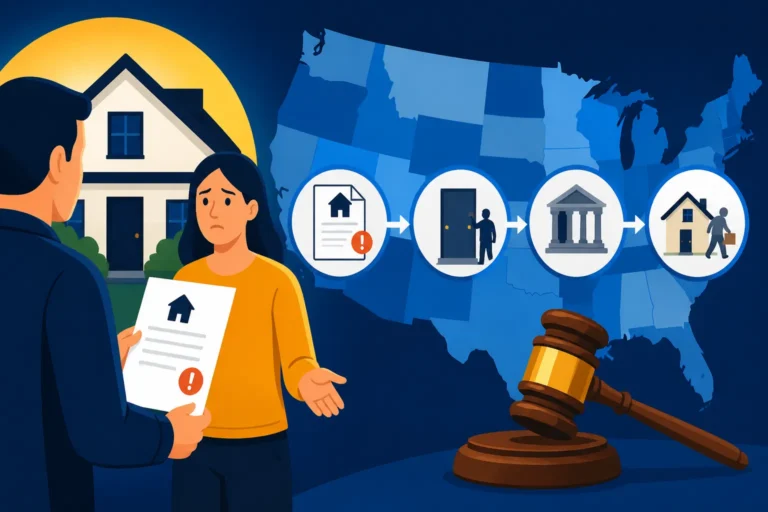
Once you've determined that your roommate or family member legally qualifies as a tenant (even if informal) and they refuse to leave voluntarily, you must initiate a formal legal eviction process. This is not optional; attempting to bypass it can lead to severe legal penalties. The process can vary slightly by state and even by county, but the fundamental steps remain consistent.
Initial Notice to Vacate
This is the very first, and arguably most crucial, step in any legal eviction. You absolutely cannot skip it. Before you can even think about going to court, you must provide your occupant with a formal, written notice to vacate the premises. The type of notice and the length of the notice period depend on several factors:
- Reason for Eviction: Is it for non-payment of rent, a lease violation (even an informal agreement violation), or simply because you want them to leave (a "no-fault" eviction)?
- For non-payment of rent, a "Pay or Quit" notice (e.g., a 3-day or 5-day notice) is common. It gives the tenant a short window to pay the overdue rent or move out.
- For lease violations (e.g., excessive noise, property damage), a "Cure or Quit" notice is often used. This gives the tenant a chance to fix the violation or move out.
- For no-fault evictions (e.g., their informal tenancy has ended, or you just want them to leave), you'll typically need to provide a longer "Notice to Quit" (e.g., 30-day, 60-day, or even 90-day, especially if they've resided there for a long time or in rent-controlled areas).
- State and Local Laws: Every state has specific requirements for notice periods. For example, in many states, if a tenant has resided for less than a year, a 30-day notice might be sufficient for a month-to-month tenancy, but if they've lived there for a year or more, a 60-day notice could be required. You can find general information about [How Long Does a Landlord Have to Return Your Deposit?] for context, but eviction deadlines are separate.
- Proper Service: The notice must be served correctly. This often means hand-delivering it, sending it via certified mail with a return receipt, or having a process server deliver it. You must retain proof of service.
Make sure your notice clearly states the reason for eviction, the date by which they must vacate, and your intent to pursue legal action if they fail to comply. Utilizing templates from reputable sources like LawDepot can help ensure your notice is legally compliant.
Filing an Eviction Lawsuit
If your roommate or family member does not move out by the deadline specified in your notice, your next step is to file an eviction lawsuit, also known as an "unlawful detainer" action, in the appropriate local court (usually justice court, district court, or municipal court, depending on your jurisdiction). This is where you officially ask a judge to order their removal.
The process typically involves:
- Completing Court Forms: You'll need to fill out specific eviction forms provided by the court. These will detail who you are, who you're evicting, the property address, the reason for eviction, and that you properly served notice.
- Paying Filing Fees: There will be court filing fees. If you have a low income, you might be able to apply for a fee waiver.
- Serving the Summons and Complaint: Once filed, the court will issue a "summons and complaint." This document must be formally served to the tenant by a sheriff or professional process server. You cannot serve it yourself. This informs them they are being sued for eviction and gives them a deadline to respond to the court. Neglecting this crucial step means the entire case will be thrown out, forcing you to start all over again. Companies like DoorLoop offer software that can help landlords keep track of these essential documents and processes, which can be invaluable when dealing with the minutiae of legal action.
Court Proceedings and Judgment
Once the tenant receives the summons and complaint, they typically have a short window (e.g., 5-7 days) to file an answer with the court. If they don't respond, you can usually request a default judgment, and the judge will likely rule in your favor without a hearing.
If they do respond, a court hearing will be scheduled. Here’s what to expect:
- Present Your Case: You, as the plaintiff (the person bringing the suit), will need to present evidence to the judge. This includes your lease (if applicable), the roommate agreement (if any), copies of the notice to vacate and proof of service, payment records (if non-payment is the issue), and any other documentation proving lease violations or the established tenancy.
- Tenant's Defense: The tenant will have an opportunity to present their side, explaining why they shouldn't be evicted. They might argue that the notice was improper, the landlord retaliated, or the conditions were uninhabitable.
- Judgment: The judge will hear both sides and issue a ruling. If the judge rules in your favor, they will issue a "judgment for possession," which legally states you have the right to reclaim your property.
It's critical to have all your ducks in a row. Thorough documentation, including written communication, receipts, and photos, can make or break your case. This entire process can be lengthy, so being prepared is key.
Writ of Possession and Sheriff Removal
Even after you win in court and receive a judgment for possession, your roommate or family member might still refuse to leave. This is where the final, state-enforced step comes in: the [The Writ of Possession & Sheriff Removal].
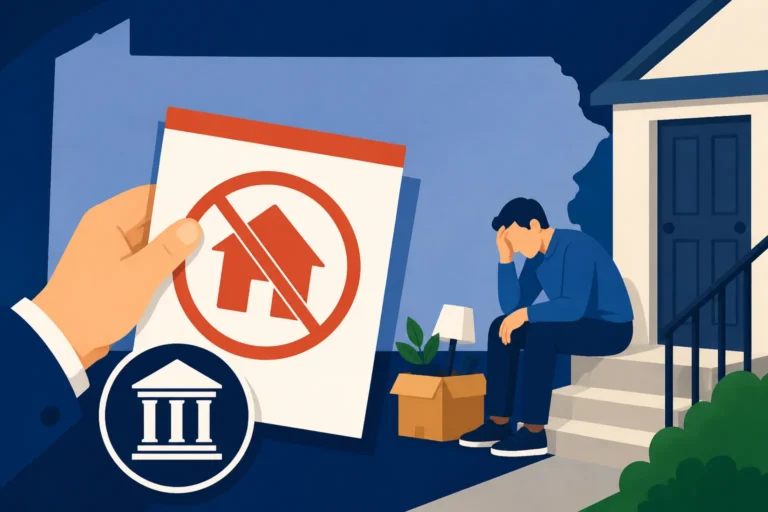
The writ of possession is a court order instructing law enforcement (typically the county sheriff or marshal) to physically remove the occupants and their belongings from the property. You cannot do this yourself. Once the writ is issued, the sheriff will post a final notice on the property, giving the occupants a last chance to leave voluntarily (usually within 24-72 hours, depending on local laws). If they still remain after this final deadline, the sheriff will arrive to physically remove them and ensure they do not re-enter.
This is the only legal way to force someone out of your home after they’ve gained tenant rights and you've gone through the full eviction process. Remember, throughout this entire process, your personal safety and emotional well-being are paramount. While it's tempting to try to speed things up, strictly adhering to the law is your best defense against further complications and emotional distress.
Common Pitfalls and Legal Protections
Evicting anyone, especially someone you know, is fraught with legal pitfalls. Understanding these common mistakes and legal protections is vital to avoid costly delays, fines, or even criminal charges. The law is designed to protect tenants, even informal ones, from harassment and improper removal tactics, and it holds property owners and primary tenants accountable.
Illegal Self-Help Evictions
This is arguably the most critical warning for anyone trying to evict an occupant: never, ever attempt a "self-help" eviction. An illegal self-help eviction is any attempt by you, the property owner or primary tenant, to force someone out of a property without a court order. These actions are strictly forbidden and carry serious penalties in every state.
Common examples of illegal self-help evictions include:
- Changing Locks: Even if your name is the only one on the lease, you cannot change the locks to prevent your roommate or family member from entering.
- Shutting Off Utilities: Cutting off electricity, water, or gas is illegal and can be considered a form of harassment.
- Removing Belongings: Physically removing their personal property from the unit.
- Intimidation or Harassment: Threatening them, yelling at them, or otherwise creating an uninhabitable environment to pressure them to leave.
If you engage in any of these actions, your roommate or family member can sue you for damages, which can include actual damages (e.g., hotel costs, cost of replacing spoiled food) and, in many states, punitive damages or statutory penalties that can be several times the monthly rent. They may also be able to get a court order to move back in. It's often far more expensive and time-consuming to deal with the fallout of an illegal eviction than to follow the proper legal channels, no matter how frustrating the situation. This is why following guidelines like those outlined in [Illegal Self-Help Eviction (Lockouts & Utility Shutoffs)] is non-negotiable.
Tenant Rights Even Without a Formal Lease
A common misconception is that if there's no signed lease or if someone isn't paying rent, they have no rights. This is simply not true. As discussed earlier, once a person establishes residency—even a family member or a long-term guest—they are often considered a "tenant at will" or "licensee" and are afforded many of the same rights as a formal tenant under state landlord-tenant laws.
These rights typically include:
- Right to Proper Notice: They must receive a formal, written notice to vacate according to the state's required timeframe.
- Right to Due Process: You must go through the court system to legally remove them; you cannot use self-help methods.
- Right to a Safe and Habitable Living Environment: Even informal tenants are generally entitled to basic living conditions, meaning you can't intentionally create uncomfortable situations to drive them out.
- Protection Against Retaliation: You cannot evict them simply because they asserted a tenant right (e.g., complained about a habitability issue).
Understanding that these rights exist, even in the absence of a written agreement or rent payments, is crucial for primary tenants and property owners. The law prioritizes a person's right to shelter and stability, making it difficult for individuals to be summarily removed from their homes. This is a common situation that arises, and this is why knowing [How to Evict a Tenant Without a Lease] is so vital.
Retaliation and Discrimination
While often less common in roommate or family member eviction scenarios compared to landlord-tenant disputes, it's still important to be aware of anti-retaliation and anti-discrimination laws.
- Retaliatory Eviction: In many states, it's illegal to evict a tenant in retaliation for them exercising a legal right. For instance, if your family member complained to health officials about unsafe conditions in your home (even if they were wrong or exaggerated), you couldn't then immediately serve them an eviction notice without a legitimate, non-retaliatory reason. This can complicate the eviction process, as the tenant might use "retaliation" as a defense in court.
- Discrimination: You cannot evict a family member or roommate based on protected characteristics like race, religion, gender, familial status, disability, national origin, or sexual orientation. While you have the right to choose who lives in your home, once someone has established tenancy, anti-discrimination laws still apply.
While these issues might seem distant when dealing with a personal dispute, understanding that these protections exist for all tenants, formal or informal, underscores the necessity of following a clear, legally sound eviction process. Documenting legitimate reasons for eviction and ensuring your actions are not motivated by discriminatory or retaliatory intent is crucial for a successful outcome.
Alternative Solutions to Eviction
Let's face it, formal eviction is a last resort. It's costly, time-consuming, and emotionally draining, especially when it involves someone close to you. Before you commit to the arduous legal path, it’s worth exploring alternative solutions that might resolve the situation more amicably and efficiently.
Mediation and Negotiation
Sometimes, the core issue isn't malicious intent but simply a breakdown in communication, unmet expectations, or evolving needs. In these cases, direct negotiation or mediation can be incredibly effective.
- Direct Negotiation: Sit down with your roommate or family member, perhaps at a neutral location like a coffee shop, and have an open, honest conversation. Clearly articulate your concerns, what you need to change, and why it's important to you. Listen to their perspective too. Sometimes, they might not even realize the extent of the problem or may have their own struggles they haven't shared. Try to agree on a clear timeline for them to move out and what steps need to happen before then. This can be challenging, particularly with family members where emotions run high, but it's often the quickest way to find a path forward.
- Professional Mediation: If direct talks just devolve into arguments, consider bringing in a neutral third-party mediator. Many community dispute resolution centers offer mediation services at low or no cost. A mediator doesn't take sides or make decisions; instead, they facilitate communication, help both parties understand each other's interests, and guide them towards a mutually acceptable solution. This could include a voluntary move-out date, a payment plan for outstanding debts, or an agreement on how to divide belongings. Mediation is confidential and non-binding unless a written agreement is reached, making it a safe space to explore options without immediately committing to legal action.
Cash for Keys Agreements
This might sound counterintuitive, especially if your occupant is causing problems, but a "cash for keys" agreement can be a strategic and cost-effective alternative to a full-blown eviction. The concept is simple: you offer a lump sum of money to your roommate or family member in exchange for them voluntarily vacating the property by a specific date, leaving the unit in good condition, and returning all keys.
Why would you do this?
- Avoids Eviction Court: A formal eviction can take weeks or months, and court costs, legal fees, and lost rent can easily run into thousands of dollars. Paying a few hundred or even a couple of thousand dollars for a swift, guaranteed exit might be cheaper in the long run.
- Faster Vacancy: If you need them out quickly, a cash incentive can provide the motivation they need to find new housing and move out promptly, avoiding the delays of court.
- Prevents Property Damage: An occupant who is angry about being evicted through legal means might intentionally damage the property on their way out. A cash for keys agreement can incentivize them to leave the unit clean and undamaged.
- Preserves Relationships (Somewhat): While still a difficult conversation, it’s often less acrimonious than a forced legal eviction, potentially preserving some semblance of a relationship, especially with family.
It's crucial to get a "cash for keys" agreement in writing, clearly outlining the terms: the amount of money, the move-out date, the condition of the property upon exit, and the agreement to surrender keys. The money should ideally be handed over after they have fully moved out and you've inspected the property, or at least in stages. This type of agreement, while an upfront cost, can save you significant time, stress, and money compared to the traditional [Eviction Process by State (Step-by-Step)].
Legal Aid and Resources
Sometimes, despite your best efforts at negotiation or offering alternatives, you still find yourself needing legal intervention. It's important to know that you don't have to navigate this complex legal landscape alone.
- Legal Aid Societies: Many cities and counties have legal aid organizations that provide free or low-cost legal assistance to individuals who meet certain income requirements. They can offer advice, help you understand local landlord-tenant laws, review your documents, and sometimes even represent you in court.
- Tenant/Landlord Hotlines: Some states or cities operate hotlines where you can get immediate, basic legal advice regarding landlord-tenant disputes.
- Housing Counseling Agencies: These non-profit organizations often provide resources for both tenants and landlords, including information on rights, responsibilities, and dispute resolution.
- Online Legal Services: Platforms like LawDepot offer access to customizable legal documents, while property management software like DoorLoop can help keep your property records organized, which is essential for any legal proceedings.
- Private Attorneys: If your situation is particularly complex or involves high stakes, consulting with a private attorney specializing in landlord-tenant law is advisable. They can provide tailored advice and represent you throughout the eviction process.
Remember, seeking help early can prevent mistakes and strengthen your position, whether you're trying to resolve the issue amicably or preparing for a legal battle. It’s an incredibly tough road, but you're not without options or support.
| Occupant Type | Lease Status with Landlord | Eviction Initiator (Typically) | Required Process | Key Considerations |
|---|---|---|---|---|
| Co-Tenant/Roommate | Both on Lease | Landlord (or Mutual Agreement) | Negotiation, Landlord Involvement, Lease Break | One co-tenant cannot evict another. Must involve landlord or mutual agreement to terminate tenancy for both. |
| Subtenant/Roommate | Only Primary Tenant on Lease | Primary Tenant (You) | Formal Eviction Process | You act as their landlord; must follow state eviction laws (notice, court filing, etc.). Roommate agreement is crucial. |
| Family Member/Guest | No Lease | Property Owner (You) | Formal Eviction Process (as "Tenant at Will") | Must provide proper written notice; physical removal requires court order (Writ of Possession). Emotional toll is high. |
Disclaimer
Please remember, I'm just an AI blog writer, not a lawyer! This guide provides general information about landlord-tenant laws and eviction processes. Landlord-tenant laws vary significantly by state and even by local jurisdiction. It's absolutely crucial to consult with a qualified attorney in your area for advice tailored to your specific situation and to ensure you comply with all applicable laws. This information should not be considered legal advice.