Is a Verbal Lease Legally Binding?
It's incredibly common for folks to wonder if a handshake agreement, or a "verbal lease," actually holds up in the eyes of the law. You've found a great place to sort out this confusion because navigating rental agreements can feel like a minefield, especially when things aren't written down. This guide will dive deep into what makes a verbal lease legal, what its limitations are, and why, despite its potential legality, getting everything in writing is always your safest bet.
What Exactly is a Verbal Lease?
When we talk about a "verbal lease," we're essentially discussing a rental agreement that has been made through spoken words rather than a formal, written document. Imagine you're chatting with a landlord, they say, "Rent is $1,000 a month, move in on the first," and you say, "Sounds good!"—that's a verbal lease. It might feel informal, even a little old-fashioned, but in many places, these agreements can indeed be legally binding. The key is that both parties have agreed to the essential terms of the tenancy, even if they haven't put pen to paper.
Oral Agreements vs. Written Contracts
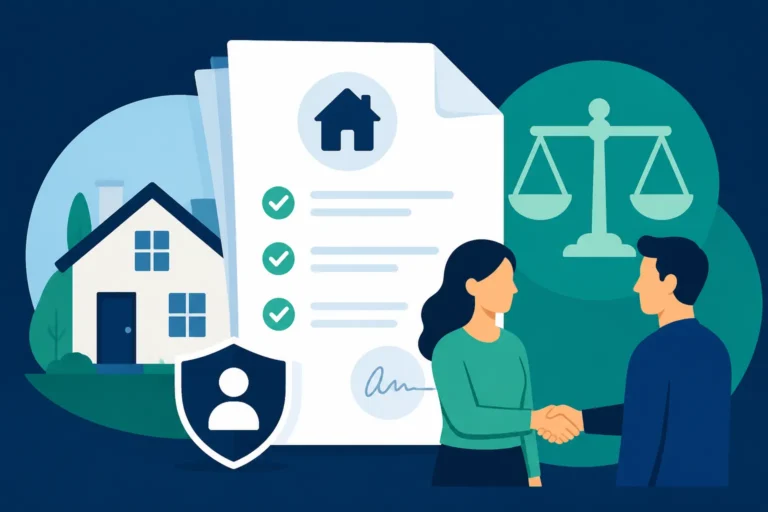
The biggest distinction between an oral agreement and a written contract lies in their format and enforceability. A written lease lays out every single detail: rent amount, due dates, late fees, pet policies, maintenance responsibilities, lease duration, and termination clauses. It's a clear, tangible record that both parties sign, minimizing misunderstandings and providing concrete evidence if a dispute arises. Think of it as your instruction manual for the tenancy.
An oral agreement, on the other hand, relies entirely on the memories and interpretations of the landlord and tenant. While it covers the basics—like the rent amount and the property being rented—it rarely delves into the nuances. What about utilities? Who mows the lawn? Can you paint the walls? These details are often left unsaid, creating a breeding ground for future disagreements. It's like building a house without a blueprint; you might get it done, but there will probably be some unexpected quirks along the way.
The Problem of Proof
This is where the rubber meets the road with verbal leases: proof. If you and your landlord have a disagreement—say, about whether you agreed to pay for water or if you could have a cat—how do you prove what was actually said? Your word against theirs. This lack of tangible evidence is the primary reason why legal professionals almost universally advise against verbal agreements for something as significant as a tenancy.
Consider a hypothetical situation: Sarah moves into an apartment based on a verbal agreement with her landlord, Mr. Henderson. They agree on $1,200 a month rent. A few months in, the heating system breaks down. Sarah calls Mr. Henderson, who tells her it's her responsibility to fix it, claiming they discussed it verbally. Sarah insists he said he'd handle all major repairs. Without anything in writing, it becomes a messy he-said-she-said scenario, forcing them to either compromise, or escalate the issue to a formal dispute, which could involve needing to prove intent through other means.
Are Verbal Leases Legally Binding?
Now, for the million-dollar question: are verbal leases legally binding? The short answer is often yes, but with some significant caveats. Most states recognize oral agreements for short-term tenancies, typically those lasting for a year or less, thanks to contract law principles. However, the exact rules depend heavily on state and sometimes even local laws. This is where the legal concept of the "Statute of Frauds" comes into play, which essentially dictates that certain types of contracts, including most real estate agreements, must be in writing to be enforceable.
The Statute of Frauds and its Impact
The Statute of Frauds is a legal principle that requires certain types of contracts to be in writing to be legally enforceable. When it comes to landlord-tenant law, this statute typically applies to leases that are for a term longer than one year. If you enter into a verbal agreement for a 1-year lease, it's often considered legally binding in many states because it falls under the one-year threshold. However, if that verbal agreement was for a 2-year lease, it would likely be unenforceable under the Statute of Frauds, meaning a court wouldn't uphold it if a dispute arose.
For example, in California, a verbal lease agreement for a period of one year or less is generally valid. But if it extends beyond that, it must be in writing. The practical implication is huge: if you have a verbal agreement for an 18-month lease in California, and your landlord decides to evict you after six months for no stated reason, you might have little legal recourse to fight it, as the agreement itself might not be enforceable. This is why understanding What Makes a Lease Legally Binding? is so crucial.
State-Specific Nuances
Every state has its own take on the Statute of Frauds and how it applies to verbal leases. For instance:
- Texas: Verbal leases are generally enforceable if the term is one year or less. Beyond that, a written agreement is required.
- Florida: Similar to Texas, a verbal lease for a term of one year or less is typically valid.
- New York: New York's Statute of Frauds applies to leases over one year, making verbal agreements for longer durations unenforceable. However, month-to-month tenancies or leases for exactly one year can be verbal.
It's not just about the length of the lease, either. Some states might have specific requirements even for short-term verbal agreements, such as needing to prove payment or consistent communication. These variations underscore why relying on generalized advice is risky and why consulting your specific state's laws is paramount. Companies like LawDepot offer state-specific lease agreements precisely to help avoid these legal pitfalls.
Implied Tenancy and Month-to-Month Agreements
Even if a verbal lease isn't explicitly binding for a fixed term, you might still have rights as a tenant through an "implied tenancy" or a "month-to-month" agreement. If you're paying rent regularly and the landlord is accepting it, a court might infer that a landlord-tenant relationship exists, even without a formal agreement. This typically defaults to a month-to-month tenancy, which means the terms renew automatically each month as long as both parties uphold their side of the bargain.
With a month-to-month tenancy, either the landlord or tenant can usually terminate the agreement with proper notice, which is typically 30 days, but can vary by state (e.g., 60 days in some areas like parts of California for longer tenancies). This means you have some protection, but also less stability than a fixed-term lease. You might also want to understand the distinctions between Fixed-Term vs Month-to-Month Leases to grasp the different levels of security involved.
The Challenges of Enforcing a Verbal Lease
Even when a verbal lease is technically legal, enforcing it can be an absolute nightmare. This isn't just about arguing with your landlord or tenant; it often involves legal action, which requires tangible proof.
Lack of Documentation and Evidence
This is the number one hurdle. Imagine going to court and telling a judge, "Well, my landlord said I could have two cats, but now they're saying I can't and want to evict me." The judge will immediately ask for proof. Without a written lease, emails, or text messages confirming this agreement, it's very difficult to back up your claim.
A landlord might claim you agreed to pay for minor repairs, while you assert that was never discussed. Without a paper trail, or even a digital one, it becomes a credibility contest. This ambiguity can lead to:
- Disputes over rent increases: Did they give proper notice for a rent hike, or did they just tell you verbally and now deny it?
- Disagreements on maintenance: Who is responsible for that leaky faucet?
- Unclear rules on pets, guests, or property use: Was Fido explicitly allowed? How many guests are too many?
- Security deposit issues: What can the landlord deduct from your deposit if the initial condition of the property wasn't documented? This ties into understanding What Can a Landlord Deduct From a Security Deposit?
These are common frustrations for tenants and landlords alike when dealing with verbal agreements.
Difficulty Proving Terms
Even if both parties agree that some verbal lease exists, they might vehemently disagree on its specific terms. Let's say a landlord verbally agrees to a year-long lease. Three months later, a higher-paying tenant comes along. The landlord might then claim the agreement was only month-to-month, hoping to get rid of the current tenant to secure more income. Without a written agreement, proving the agreed-upon duration can be incredibly challenging.
Another example: a tenant moves in, verbally agreeing to pay $1,500/month. The landlord accepts the first few payments. Then, they decide they want to charge $1,600/month, claiming that was the "actual" agreement or that the initial $1,500 was a "promotional" rate. The tenant is left scrambling to prove the original terms. This can be especially difficult in fast-paced rental markets where properties are snapped up quickly, and both parties might feel pressured to move forward without formalities.
Legal Costs and Time
If a dispute over a verbal lease escalates to legal action, you're looking at significant costs and time. Small claims court can be an option for smaller monetary disputes, but even that involves filing fees, court appearances, and preparing your case. You might need to gather any circumstantial evidence you have—bank statements showing rent payments, utility bills in your name, witness testimonies, or even dated photos of the property.
All of this takes time, stress, and potentially money for legal advice, even if you represent yourself. This often far outweighs the initial convenience of skipping a written lease. For landlords, initiating an eviction based on a verbal lease can be complicated, as they'll need to demonstrate the existence of the tenancy and any violations, which is much harder without a written record. They might even struggle with How to Evict a Tenant Without a Lease.
Protecting Yourself: Why Written Leases Are Best
While verbal leases might technically be legal, they are almost never a good idea. Written leases provide clarity, security, and a legal framework that protects both the landlord and the tenant. Think of a written lease as your personal insurance policy for your tenancy.
Clarity and Peace of Mind
A well-drafted written lease leaves little to the imagination. It specifies:
- Parties involved: Who are the landlord and tenant(s)?
- Property address: Which specific unit is being rented?
- Lease term: Is it a 6-month, 12-month, or month-to-month agreement? When does it start and end?
- Rent amount and due date: Exactly how much and when is it due?
- Late fees and grace periods: What happens if rent is late, and is there a buffer?
- Security deposit amount: How much is it, and under what conditions will it be returned?
- Utilities: Who is responsible for electricity, water, gas, internet, etc.?
- Maintenance responsibilities: Who fixes what? What is considered Normal Wear and Tear vs Damage: Complete Guide?
- Pet policy: Are pets allowed? Any breed or size restrictions? Pet fees or pet rent?
- Rules and regulations: Quiet hours, parking rules, guest policies.
- Termination clauses: How can either party end the lease early, and what are the penalties? This is key if you ever need to know How to Break a Lease (Without Penalty Where Possible).
This level of detail minimizes misunderstandings and provides a clear reference point if questions arise. It truly provides peace of mind, knowing that both parties are on the same page.
Legal Protection for Both Parties
A written lease is a legally enforceable contract that protects both the landlord and the tenant. If a tenant stops paying rent, the landlord can use the lease to demonstrate the tenant's obligation and initiate legal eviction proceedings. If a landlord attempts to raise rent mid-lease without justification or fails to make necessary repairs, the tenant can point to the lease to assert their rights.
Consider a situation where a tenant needs to move for a job relocation. If their lease includes an Early Lease Termination Clause Explained, they'll know exactly what steps to take and what financial implications to expect. Without it, breaking a lease could involve lengthy negotiations and uncertain outcomes. Platforms like TurboTenant offer comprehensive digital lease agreements that are state-specific and ensure these protections are in place.
Building Trust and Professionalism
Having a written lease fosters a more professional and trusting relationship between landlords and tenants. It shows that both parties are serious about their commitments and are willing to formalize their understanding. It sets a clear tone for the tenancy right from the start.
When searching for a rental, prospective tenants often look for landlords who operate professionally, and providing a clear, written lease is a major sign of this. Similarly, landlords prefer tenants who are willing to sign a formal agreement, as it demonstrates responsibility and a clear understanding of their obligations.
Here's a quick comparison of verbal vs. written leases:
| Feature | Verbal Lease (Oral Agreement) | Written Lease (Formal Contract) |
|---|---|---|
| Legality | Often legally binding for short terms (typically ≤ 1 year) | Legally binding for all terms, essential for terms > 1 year |
| Clarity of Terms | High potential for misunderstanding and forgotten details | Clearly outlines all terms and conditions |
| Proof/Evidence | Difficult to prove in court; relies on "he-said-she-said" | Provides concrete evidence in case of disputes |
| Flexibility | Can be easier to change terms informally, but risky | Changes require formal amendments (addendums) |
| Legal Protection | Minimal protection; difficult to enforce specific clauses | Strong legal protection for both landlord and tenant |
| Common Use | Often for informal arrangements, family, or short-term stays | Standard practice for all professional rental agreements |
| Risk Factor | High risk of disputes, legal fees, and unfavorable outcomes | Low risk, provides security and clarity |
Essential Lease Components
Whether you're a landlord drafting a lease or a tenant reviewing one, knowing what should be included is vital. A good lease isn't just a formality; it's a detailed roadmap for your rental journey. Key elements include:
- Identification of Parties and Property: Full legal names of all tenants and the landlord, and the exact address of the rental property.
- Term of Tenancy: Start and end dates for a fixed-term lease, or clearly stating it's a month-to-month agreement.
- Rent Details: The precise monthly rent amount, due date, acceptable payment methods, and any penalties for late payments.
- Security Deposit: Amount, where it will be held, and the conditions for its return, often detailed further in Security Deposit Laws by State (2026).
- Utility Responsibilities: A clear breakdown of who pays for which utilities.
- Maintenance and Repairs: What the landlord is responsible for, what the tenant must maintain, and procedures for requesting repairs.
- Rules on Alterations and Decorations: Can the tenant paint? Hang pictures? Make modifications?
- Entry Rights: Specifies when and how a landlord can enter the property, usually requiring advance notice.
- Pet Policy: Details any restrictions, fees, or deposits related to pets.
- Subletting Policy: Whether Subletting & Lease Assignment Explained is allowed and under what conditions.
- Signatures: All adult tenants and the landlord should sign and date the agreement.
Taking the time to ensure these components are present and understood can save immense headaches down the line.
Disclaimer
The information provided in this article is intended for general informational purposes only and does not constitute legal advice. Landlord-tenant laws vary significantly by state and local jurisdiction, and it is crucial to consult with a qualified legal professional for advice tailored to your specific situation. This content is not a substitute for professional legal counsel.