Can I Sublet My Apartment on Airbnb?
It’s an age-old dream for many renters: turn that spare room, or even your entire apartment, into a cash-generating Airbnb while you're away or just have some extra space. The allure of passive income is strong, especially with rising living costs. But before you start snapping photos and writing catchy descriptions, there's a huge hurdle to consider: can you legally sublet your apartment on Airbnb? The answer is almost always more complicated than a simple yes or no, often leading to serious legal headaches if not handled correctly. This comprehensive guide will walk you through the intricate world of subletting on short-term rental platforms, helping you understand the legal landscape, potential risks, and the proper steps to take to avoid costly mistakes.
The Foundations: Your Lease Agreement and Local Laws
The absolute first place you need to look when considering Airbnb subletting is your own lease agreement. This document is the cornerstone of your tenancy, outlining what you can and cannot do with the property. Beyond that, many cities and states have their own specific regulations regarding short-term rentals, often overriding parts of what your landlord might even agree to.
Lease Agreement Restrictions and Clauses
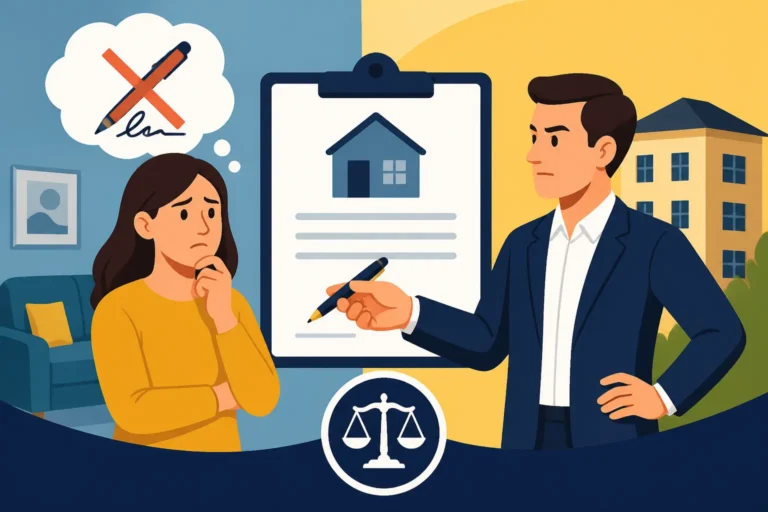
Most standard residential lease agreements are quite clear on the issue of subletting or assigning the lease. Landlords typically include clauses that explicitly prohibit or severely restrict any form of subleasing without their express written consent. If you violate these terms, you'll be in breach of your lease, which can lead to severe consequences.
Think about it from your landlord's perspective: they vetted you as a tenant. They checked your credit, your rental history, and your background. They signed a contract with you, expecting you to be the primary occupant, responsible for the property and adhering to community rules. When you bring in a stream of unknown short-term guests, it introduces a whole new level of risk and liability for them. They haven't screened these guests, nor do they have a direct contractual relationship with them. This is why many leases include specific language about "unauthorized occupants," "guests staying longer than X days," or outright bans on "commercial use" or "short-term rentals." Some landlords even specify penalties for such breaches directly in the lease. For instance, a lease might state that any unauthorized subletting will result in immediate termination of the lease and forfeiture of the security deposit. Understanding Lease Violations & What Counts is crucial here.
It's also worth noting that some leases, even if they don't explicitly forbid Airbnb, might classify it as a commercial activity, which is typically not allowed in residential zones or properties. Even if you're not technically "subletting" in the traditional sense, using your apartment for transient lodging can fall under prohibited commercial use.
Local Ordinances and Regulations on Short-Term Rentals
Beyond your lease, the regulatory environment for short-term rentals like Airbnb is a rapidly evolving patchwork across the United States. Many cities, facing housing shortages, noise complaints, and concerns over neighborhood character, have implemented strict rules, permits, and taxes on short-term rentals. What might be legal in one city could be completely illegal, or require extensive permits, just a few miles away.
For example, cities like New York City, San Francisco, and Los Angeles have some of the most stringent short-term rental laws. In New York City, it's generally illegal to rent out an entire apartment for less than 30 days unless the permanent resident is also present during the stay. Even renting out a spare room while you're there has specific rules and requires registration. San Francisco requires hosts to register with the city and prohibits renting out an entire unit for more than 90 days per year. Other cities, such as Santa Monica, California, have gone even further, essentially banning short-term rentals in multi-unit buildings where the host isn't present.
These local laws aren't just suggestions; they carry significant penalties, including hefty fines that can run into thousands of dollars per violation, and even criminal charges in some jurisdictions. Before you even think about talking to your landlord, you must research your specific city and county ordinances regarding short-term rentals. A quick search on your city's planning department website or housing authority page can often yield valuable information. Many municipalities require permits, licenses, and specific safety measures, and you might even need to collect and remit local transient occupancy taxes. Ignoring these can lead to fines for both you and potentially your landlord, creating a very difficult situation.
The Risks and Consequences of Unauthorized Subletting
Ignoring your lease or local laws when attempting to sublet your apartment on Airbnb can have serious, cascading consequences. It's not just a slap on the wrist; you could face legal action from your landlord, significant financial penalties, and even put yourself at risk without adequate insurance coverage.
Landlord Retaliation and Eviction Proceedings
If your landlord discovers you're using their property for unauthorized short-term rentals, the first and most immediate risk is lease termination and eviction. Most leases classify unauthorized subletting or using the property for commercial purposes as a material breach. This means the landlord can issue you a notice to cure or quit (giving you a chance to stop the activity) or, in some cases, an unconditional quit notice if the violation is severe enough or stipulated as such in your lease.
Once the landlord initiates an eviction, you'll find yourself in an Eviction Process by State (Step-by-Step) that can be stressful, costly, and damaging to your rental history. An eviction on your record makes it incredibly difficult to find housing in the future, as most landlords conduct thorough background checks, often including eviction history. Even if you manage to stop the eviction, the relationship with your landlord will likely be irrevocably damaged, leading to a non-renewal of your lease. They might also claim that your actions caused damage or excessive wear and tear beyond what's considered normal, impacting your Security Deposit Rules for Roommates (if you have them) or simply your own deposit return.
Imagine a scenario: you rent out your apartment in Miami Beach on Airbnb for a long weekend. Your upstairs neighbor, annoyed by the constant parade of new faces and late-night noise, reports it to the building management. The management, in turn, contacts your landlord, who then finds out you've been running a de facto hotel out of their investment property without their knowledge or consent. This is a very real possibility, and it almost always ends with a notice to vacate.
Financial and Legal Penalties
Beyond eviction, unauthorized Airbnb subletting can hit your wallet hard. As mentioned, local ordinances often come with steep fines. For instance, in cities like Boston, illegal short-term rental activity can result in daily fines of $300 to $1,000, and up to $5,000 for repeat offenses. These fines can quickly accumulate, creating a massive debt.
Your landlord might also sue you for damages. This could include legal fees they incurred to evict you, any lost rent if the property sits vacant during the eviction process, and even damages related to increased wear and tear or property damage caused by your guests. Some leases even include clauses specifying liquidated damages for breach, meaning you could owe a predetermined amount for each day of unauthorized subletting. If the activity causes any issues with the building's insurance, permits, or homeowner's association rules, your landlord could hold you liable for those costs as well. A robust sublease agreement, even an unauthorized one, won't protect you from these direct liabilities to your primary landlord.
Insurance Implications and Liability
This is one of the most overlooked, yet potentially devastating, risks. Your standard renter's insurance policy is designed to cover your personal belongings and provide liability protection for incidents that occur during your normal occupancy. It is absolutely not designed to cover commercial activities or the risks associated with hosting paying guests.
If a guest gets injured in your apartment, causes significant property damage, or even steals something, your renter's insurance policy will almost certainly deny any claim related to the short-term rental activity. This leaves you personally liable for potentially massive costs. Imagine a guest slipping and falling, breaking a leg, and then suing you for medical expenses, lost wages, and pain and suffering. Without proper insurance, that liability falls squarely on your shoulders.
While Airbnb does offer Host Protection Insurance and Host Guarantee, these typically function as secondary coverage and have limitations. They might not cover every scenario, and often require you to comply with all local laws and your lease agreement for the coverage to even be valid. Relying solely on these without understanding your primary lease and local laws is a precarious gamble. It's a bit like driving without valid primary insurance and hoping the other driver's coverage will save you if you get into an accident – it's just not how it works.
Navigating the Process Legally and Safely
If, after understanding the risks, you're still determined to explore short-term rental opportunities, you must approach it with utmost caution and adherence to legal frameworks. The key is transparency and proper documentation.
Obtaining Landlord Consent and Negotiating Terms
The very first, non-negotiable step is to get your landlord's explicit, written consent. Do not proceed without it. You cannot just assume or hope they won't find out. Approach them directly, explain your intent, and be prepared to negotiate. Your landlord might be more amenable if you can demonstrate you've done your homework and are taking steps to mitigate their risks.
Here's how you can make a compelling case:
- Research Local Laws: Show them you understand and are willing to comply with all city/county regulations.
- Propose a Formal Agreement: Offer to sign a specific addendum to your lease outlining the terms of the short-term rental. This should include details on guest vetting, maximum stay durations, noise rules, and liability.
- Offer a Premium: Your landlord might be more open if they receive a share of the profits or an increased rent for the period you're subletting. This acknowledges the increased risk and administrative burden on their part.
- Assurance of Responsibility: Reassure them that you will be fully responsible for any damages caused by guests, any complaints, or any violations of the lease or building rules.
- Proof of Insurance: Demonstrate that you have adequate insurance coverage (e.g., specific short-term rental insurance or enhanced liability) that will protect both you and the property owner.
Some landlords might never agree, and you need to respect that. Others might agree under very specific conditions. Remember, getting their consent verbally isn't enough; it must be in writing, preferably as a formal lease addendum. This protects both of you. You might even consider discussing with them the distinction between a Fixed-Term vs Month-to-Month Leases if you plan to be away for an extended period, as a month-to-month tenancy can sometimes offer more flexibility.
Reviewing Local Ordinances and Permit Requirements
Even with landlord approval, you cannot skip this step. You need to thoroughly investigate all local laws concerning short-term rentals in your specific jurisdiction. This includes:
- Registration/Permit Requirements: Many cities require hosts to register with a city department and obtain a permit or license. This often involves fees and an application process.
- Occupancy Limits: There might be restrictions on the number of guests allowed per bedroom or per unit.
- Length of Stay Restrictions: As seen in NYC, some cities have minimum stay requirements (e.g., no less than 30 days) or annual caps on how many nights you can rent out your entire unit.
- Safety Requirements: You might be required to have certain safety equipment, like fire extinguishers, smoke detectors, carbon monoxide detectors, and clearly marked exit routes.
- Tax Obligations: You will almost certainly be responsible for collecting and remitting local transient occupancy taxes (similar to hotel taxes) and state sales taxes. Ignoring these can lead to penalties from tax authorities.
- Zoning Laws: Verify that short-term rentals are even permitted in your residential zoning area. Some areas explicitly forbid it.
This information is often available on your city's official website, typically under departments like "Planning," "Housing," "Permits," or "Business Licensing." Don't rely on anecdotes or what a friend did in a different part of town; laws can vary drastically even between adjacent neighborhoods.
Crafting a Comprehensive Sublease Agreement
Once you have landlord consent and a full understanding of local laws, if you're actually creating a formal sublease for a longer period (not just a short-term Airbnb stay where you're absent), it's imperative to have a solid sublease agreement. While Airbnb itself facilitates short-term bookings, a formal sublease protects you, the original tenant (now the sublessor), from potential issues with your subtenant.
A comprehensive sublease agreement should clearly outline:
- Subtenant's Responsibilities: What the subtenant is responsible for, including rent payments, utility bills, maintenance, and adherence to all original lease terms and building rules.
- Term of Sublease: The exact start and end dates.
- Rent and Security Deposit: The amount of rent, when it's due, and details about the security deposit (how much, what it can be used for, and the return process). For insights, you can refer to "What to Include in a Lease Agreement".
- Rules and Regulations: Any specific rules for the subtenant, such as pet policies (if allowed by your landlord), guest policies, and noise restrictions.
- Liability: Clarification that the subtenant is responsible for their own actions and damages.
- Access: Your right to access the property with appropriate notice (consistent with landlord entry laws).
- Original Lease Incorporation: A clause stating that the subtenant agrees to abide by all terms of the original lease agreement between you and your landlord.
You can find templates for sublease agreements through resources like LawDepot, or consult with a legal professional to ensure it covers all necessary protections. Remember, you remain primarily responsible to your landlord for everything that happens in the apartment, even if you have a sublease in place. If your subtenant damages the property or fails to pay rent, your landlord will come after you.
Alternatives to Short-Term Airbnb Subletting
The complexities and risks associated with short-term Airbnb subletting often lead many renters to seek alternative solutions. Whether you're looking to generate income from unused space or need to vacate your apartment for an extended period, there are other, often safer and more legal, options available.
Traditional Subletting for Longer Durations
Instead of the rapid turnover of Airbnb guests, consider a traditional sublease for a longer duration, such as a few months or even a year. This aligns more closely with standard landlord-tenant expectations and is generally viewed more favorably by landlords, especially if you seek their permission.
When you traditionally sublet, you're essentially finding a long-term tenant (your subtenant) to live in your apartment while you're away. This offers several benefits:
- Reduced Turnover & Risk: Fewer new faces, less wear and tear, and a more stable environment.
- Easier Landlord Approval: Landlords are often more willing to approve a long-term sublet, especially if you present a well-vetted subtenant.
- Clearer Legal Framework: A formal sublease agreement is standard practice, clearly defining rights and responsibilities.
- Financial Stability: Consistent rental income for the duration of your absence.
You'd still need your landlord's written consent, and you'd want to carefully screen any potential subtenant, perhaps using tools like TurboTenant for background and credit checks. The goal is to find someone reliable who will treat the property with care and adhere to the lease terms. Be sure to understand your state's specific Subletting & Lease Assignment Explained laws to ensure you're compliant.
House Sitting or Pet Sitting
If your primary goal isn't necessarily to generate full rental income but rather to have someone occupy your space to deter crime, care for pets, or simply keep things tidy while you're away, house sitting or pet sitting services can be a fantastic alternative.
These arrangements typically involve someone staying in your home for free, or for a nominal fee, in exchange for taking care of your plants, pets, or general home upkeep. Since no monetary rent changes hands, and the primary purpose isn't commercial lodging, these arrangements usually fall outside the strict short-term rental regulations and lease prohibitions. However, it's still a good idea to inform your landlord that a trusted friend or family member will be staying in your absence, just for transparency and to avoid any misunderstandings.
This approach significantly reduces the legal complexities and the risk of lease violations. Websites like TrustedHousesitters or Rover connect homeowners with sitters, providing a structured way to find reliable individuals.
Other Income-Generating Activities
If your apartment isn't suitable for any form of subletting, or your landlord is strictly against it, there are other ways to generate income that don't involve your living space directly:
- Gig Economy: Services like DoorDash, Uber, or TaskRabbit offer flexible ways to earn money.
- Remote Work: If you have skills transferable to online work, many freelance opportunities exist.
- Renting Storage Space: If you have a separate garage or shed, you might be able to rent that out for storage, though this would also require landlord approval.
The key takeaway is that while the appeal of Airbnb income is high, the legal hurdles for renters are substantial. Prioritizing legal compliance and open communication with your landlord is paramount to avoid significant financial and legal repercussions.
| Aspect | Short-Term Airbnb Subletting (Tenant as Host) | Traditional Long-Term Subletting (Tenant as Sublessor) | House Sitting/Pet Sitting (No Rent) |
|---|---|---|---|
| Landlord Consent | Absolutely Required, Difficult to Obtain | Required, Easier to Obtain | Recommended, Easier to Obtain |
| Local Laws/Permits | Highly Regulated, Often Prohibited | Generally Less Regulated, Standard Tenant Laws Apply | Minimal/No Specific Laws |
| Lease Violation Risk | Very High | Moderate (if unauthorized) | Low (if transparent) |
| Eviction Risk | High | Moderate (if subtenant breaches) | Low |
| Insurance Coverage | Standard Renter's Policy Insufficient | Standard Renter's Policy May Be Insufficient | Standard Renter's Policy Generally Covers |
| Financial Penalties | Potential for Large Fines | Minimal (unless eviction/damages) | None |
| Liability to Landlord | High, Direct Responsibility for Guests | High, Direct Responsibility for Subtenant | Low |
| Typical Duration | Nights to Weeks | Months to Year(s) | Days to Weeks |
| Primary Goal | Income Generation | Income Generation, Property Occupancy | Property/Pet Care, Security |
Disclaimer
The information provided in this guide is intended for general informational purposes only and does not constitute legal advice. Landlord-tenant laws, as well as short-term rental regulations, vary significantly by state, county, and city. It is crucial to consult with a qualified legal professional or local housing authority to understand the specific laws applicable to your situation before making any decisions related to subletting your apartment or engaging in short-term rentals.