Subletting Laws in Texas
Moving can be incredibly disruptive, and sometimes, life throws you a curveball that makes staying in your current rental agreement impossible, even if your lease isn't up. You might be considering subletting to avoid hefty penalties, but the thought of navigating landlord-tenant laws in Texas can feel like trying to untangle a knotted ball of yarn. This comprehensive guide will walk you through everything you need to know about subletting in the Lone Star State, helping you understand your rights, responsibilities, and how to do it by the book.
Understanding Subletting in Texas Rental Law
Let's face it, leases can be a commitment, and sometimes circumstances change. Maybe a job opportunity pops up across the country, or family needs bring you back home. Whatever the reason, if you're looking to move out but your lease term isn't over, subletting often seems like the perfect solution. But before you post that "room for rent" ad, it's crucial to understand what subletting actually entails under Texas law.
What Subletting Means for Tenants and Landlords
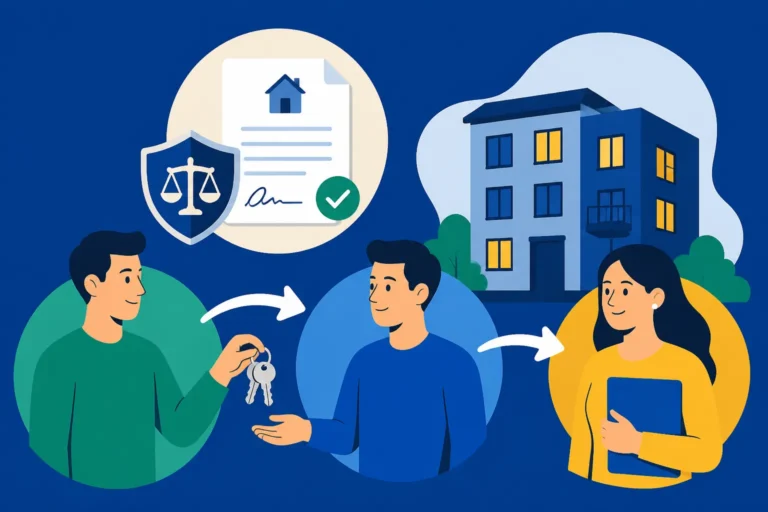
At its heart, subletting is when an existing tenant (the "sublessor") rents out all or part of their leased property to another individual (the "subtenant"). The original tenant remains the primary leaseholder and is still directly responsible to the landlord for everything outlined in the original lease agreement. Think of it this way: you're essentially becoming a mini-landlord to your subtenant, while still being a tenant to your actual landlord. This means you’re on the hook for rent payments, property damage, and adhering to all lease terms, even if your subtenant causes issues. This setup is distinct from a Lease vs Rental Agreement: What's the Difference?, as subletting always involves an existing, primary lease.
For landlords, subletting introduces a new occupant they didn't originally vet. This can be a concern for them because their direct relationship is still with you, the original tenant, not the subtenant. While a sublease can offer flexibility for tenants, it also carries a layer of complexity and potential risk for all parties involved, which is why most landlords have specific rules around it.
The Importance of Your Lease Agreement
When it comes to subletting in Texas, your original lease agreement is your holy grail. Seriously, pull it out and read it carefully, maybe with a strong cup of coffee. Most standard Texas lease agreements contain specific clauses about subletting or assigning the lease. Many will outright prohibit it without prior written consent from the landlord. Some might allow it under certain conditions, while others might be completely silent on the matter.
If your lease explicitly says "no subletting," then that's generally the rule of the land. Trying to sublet anyway would be considered a Lease Violations & What Counts and could lead to serious trouble, including eviction. If your lease is silent, Texas common law has historically held that a tenant does have the right to sublease. However, this is a tricky area because most professional landlords and property management companies use leases that do address the issue, usually requiring their explicit permission. It's always safest to assume you need consent unless your lease clearly states otherwise.
Why Texas Law Prioritizes Landlord Consent
Unlike some states that might have specific statutes guiding a landlord's ability to refuse a sublease request (e.g., requiring them to be "reasonable"), Texas law generally grants landlords a lot of leeway. If your lease requires landlord consent for subletting, the landlord typically has the right to refuse that consent for any reason, or even no reason at all. There’s no state statute compelling them to be "reasonable" in their refusal, unless the lease itself includes language like "consent will not be unreasonably withheld."
This is a critical distinction to understand. If your lease simply states "no subletting without prior written consent," your landlord isn't legally obligated to provide a reason for saying no. They could simply not want another party living in their property whom they haven't personally screened. This is why a proactive and respectful approach to requesting permission is always your best bet, along with a solid understanding of What to Include in a Lease Agreement when you consider creating your own sublease.
The Step-by-Step Process for Legal Subletting in Texas
Okay, so you've checked your lease, and it either allows subletting with consent or is silent. Now what? The process involves careful communication, proper documentation, and a clear understanding of your ongoing responsibilities. Skipping steps here can lead to headaches down the line, both for you and your landlord.
Requesting Permission from Your Landlord
The first and most crucial step is to get your landlord's permission in writing. Do not, under any circumstances, allow a subtenant to move in without this documented approval. Start by drafting a formal letter or email to your landlord. This isn't just a casual chat; it's a serious request.
In your request, include:
- Your intention to sublet: Clearly state why you need to sublet and for what period.
- Information about the prospective subtenant: Be prepared to provide their name, contact information, and any relevant background details.
- A copy of their rental application: Landlords will want to vet the subtenant just as they vetted you. Include credit history, employment verification, and references. Many landlords utilize tools like TurboTenant for this, and you should be ready to provide similar details. Think of it as preparing a new tenant screening package, just like a landlord would for a new lease.
- Your proposed sublease agreement: While you'll finalize this later, having a draft shows you're serious and organized.
Be professional, polite, and persistent (within reason). Give your landlord a reasonable timeframe to respond, perhaps 7-10 business days. Follow up if you don't hear back, but avoid being pushy. Remember, in Texas, if your lease doesn't specify "unreasonable withholding," they can simply say no. If they do agree, make sure you get that consent in writing, signed by both you and your landlord. This written consent should ideally outline any specific conditions or expectations they have.
Drafting a Solid Sublease Agreement
Once you have your landlord's written approval, it's time to create the sublease agreement with your subtenant. This document is incredibly important because it defines the relationship and responsibilities between you (the sublessor) and your subtenant. Do not just use a handshake deal; that’s a recipe for disaster.
A solid sublease agreement should include:
- Names of all parties: You (the sublessor) and the subtenant(s).
- Property address: Clearly identify the unit being sublet.
- Term of the sublease: Start and end dates. This typically cannot exceed the term of your original lease.
- Rent amount and due date: Specify how much the subtenant pays you and when.
- Utilities: Clearly state who is responsible for which utilities (e.g., electricity, water, internet).
- Security deposit: Collect a security deposit from your subtenant. The amount should be reasonable and comply with Texas law regarding security deposits. Make sure you understand the Security Deposit Laws by State (2026) for Texas, even as a sublessor. Detail the conditions for its return, just as your landlord did for you. This will help prevent issues later when it's time to deal with Security Deposit Rules for Roommates or subtenants.
- Rules and regulations: Incorporate all the terms and conditions from your original lease that apply to the subtenant (e.g., no pets, quiet hours, maintenance responsibilities). Attach a copy of the original lease as an addendum.
- Maintenance and repairs: Clarify who the subtenant contacts for repairs (most likely you, who then contacts the landlord).
- Original tenant's liability acknowledgement: A clause stating that you remain liable to the original landlord.
You can find excellent templates for sublease agreements from resources like LawDepot. These templates often ensure you cover all the necessary legal bases and protect both parties. Customizing a template to fit your specific situation and lease terms is always a smart move.
Financial and Legal Liability in a Sublease
This is arguably the most critical aspect of subletting in Texas: your liability. When you sublet, you don't just magically transfer your responsibilities to the subtenant. You remain fully and primarily liable to your original landlord for everything stated in your initial lease agreement.
Consider this scenario: you sublet your apartment, move across state, and your subtenant decides not to pay rent for three months. Who does the landlord pursue for that unpaid rent? You, the original tenant. If the subtenant trashes the apartment, your security deposit is on the line, and you'll be responsible for any damages exceeding that deposit. This is why screening your subtenant as meticulously as a landlord would screen you is paramount. Understanding How to Screen a Tenant (Landlord Guide) and potentially using Tenant Screening Services Compared (SmartMove, RentPrep) for your subtenant can save you immense stress and financial risk.
Your sublease agreement with your subtenant creates a separate contractual relationship. While you can sue your subtenant for unpaid rent or damages, that doesn't absolve you of your responsibility to your landlord. If your subtenant won't leave, you, the original tenant, might even be put in the difficult position of having to initiate an eviction process, similar to How to Evict a Tenant Without a Lease, because you are technically their landlord. It's a heavy burden, so choose your subtenant wisely.
Potential Challenges and Tenant Protections
Even with the best intentions and careful planning, challenges can arise during a sublet. Understanding these potential roadblocks and knowing how to navigate them can save you a lot of stress, money, and legal trouble.
When a Landlord Denies Your Sublet Request
As we discussed, in Texas, if your lease doesn't explicitly state that consent "will not be unreasonably withheld," your landlord generally has the right to deny your request for any reason. This can be incredibly frustrating, especially if you're in a tough spot and relying on the sublet to cover rent.
If your landlord denies your request and your lease does include the "unreasonably withheld" clause, you might have grounds to challenge their decision. What constitutes "unreasonable" can be subjective, but generally, it involves refusing a qualified subtenant who meets the landlord's usual screening criteria without a legitimate, non-discriminatory reason. If you believe your landlord is being unreasonable under such a clause, you might consider consulting a landlord-tenant attorney to explore your options.
However, if your lease is silent or gives the landlord absolute discretion, a denial can leave you with limited choices. In such cases, you might need to explore other options for ending your lease early, such as negotiating a lease break fee with your landlord, which often comes with its own costs and consequences, including affecting your credit score if not handled properly, as discussed in What Happens If You Break a Lease?.
Risks of Unapproved Subletting
Ignoring your lease and subletting without your landlord's written consent is a serious misstep with significant consequences. This is considered a breach of your lease agreement, and it gives your landlord grounds to take legal action against you.
The most immediate risk is eviction. Your landlord could serve you an eviction notice, demanding that the unauthorized subtenant vacate the property and that you cure the lease violation. If you don't comply, they can proceed with an eviction lawsuit against you. An eviction on your record can make it extremely difficult to rent another property in the future.
Beyond eviction, you could face financial penalties. Your landlord might charge fees for unauthorized occupants, demand immediate payment of all remaining rent for the lease term, or pursue damages for any issues caused by the subtenant. Remember, you're responsible for the subtenant's actions, so any damage or lease violations they commit will ultimately fall back on you. It's a lose-lose situation that can quickly spiral out of control.
Protecting Your Rights as the Original Tenant
While the risks are real, there are proactive steps you can take to protect yourself when legitimately subletting:
- Thorough Vetting: This cannot be stressed enough. Screen potential subtenants just as rigorously as a landlord would. Conduct background checks, credit checks, verify employment and income, and call references. A reputable tenant screening service can provide peace of mind.
- Ironclad Sublease Agreement: Ensure your sublease agreement is comprehensive and clearly outlines all responsibilities, including rent, utilities, property care, and adherence to the original lease terms. Use professional templates and customize them.
- Security Deposit: Always collect a security deposit from your subtenant. This provides a financial buffer in case of damages or unpaid rent. Clearly define in the sublease agreement how and when this deposit will be returned, mirroring your own lease terms with your landlord.
- Communication: Maintain open lines of communication with both your landlord and your subtenant. Address any issues promptly.
- Documentation: Keep meticulous records of all communications, payments, and any issues that arise. Photos or videos of the property's condition before the subtenant moves in (and after they move out) are invaluable. This is similar to the thorough documentation recommended for tenants moving into a new place.
- Regular Check-ins: If feasible, make arrangements for occasional check-ins on the property, with proper notice to your subtenant, to ensure it's being maintained.
By taking these precautions, you can significantly mitigate the risks associated with subletting and protect your financial and rental history.
Subletting vs. Lease Assignment: Knowing the Difference
Many people use "subletting" and "lease assignment" interchangeably, but in the eyes of Texas law and your landlord, they are fundamentally different. Understanding these distinctions is crucial, as they affect your liability and the entire process.
Key Distinctions and Responsibilities
Let's break down the core differences:
Subletting:
- Relationship: You (the original tenant) remain a tenant to your landlord, and you become a landlord to your subtenant.
- Liability: You retain primary liability for the entire lease agreement. If your subtenant doesn't pay rent or damages the property, your landlord will come after you.
- Term: The sublease term is typically shorter than or equal to your remaining lease term. You do not transfer the entire remainder of your lease.
- Original Lease: The original lease between you and the landlord remains fully in effect.
Lease Assignment:
- Relationship: You (the original tenant) transfer your entire interest in the lease to a new tenant (the "assignee"). The assignee essentially steps into your shoes.
- Liability: With a full assignment and the landlord's agreement, your liability under the original lease typically ends. The new tenant becomes directly responsible to the landlord. However, be aware: In some cases, especially if your landlord doesn't explicitly release you from liability (a process called "novation"), you might still retain some secondary liability, so always seek a written release.
- Term: The assignee takes over the remainder of your original lease term.
- Original Lease: The original lease is effectively transferred from you to the assignee, though a new agreement or an amendment to the existing one might be executed.
The biggest takeaway here is liability. With subletting, you're still primarily responsible. With a proper lease assignment where the landlord releases you, you're usually off the hook. This fundamental difference is explored in more detail in Subletting vs Assignment: Differences.
When to Consider Each Option
Deciding between subletting and assigning your lease depends on your specific circumstances and comfort level with ongoing responsibility.
Choose Subletting if:
- You plan to return to the property before your original lease ends (e.g., you're leaving for a summer internship, but will be back in the fall).
- You only need to rent out a portion of your rental unit (e.g., a spare bedroom).
- Your landlord is more amenable to a temporary arrangement than a full transfer.
- You're comfortable taking on the role of a mini-landlord, managing the subtenant, and accepting the primary liability.
Choose Lease Assignment if:
- You are permanently moving out and have no intention of returning to the property.
- You want to be completely released from your lease obligations and liability. This is the ideal scenario for most tenants needing to leave a lease early.
- Your landlord is willing to agree to a full assignment and release you from the original lease.
No matter which option you pursue, clear, written communication with your landlord is paramount. Never assume you can do either without explicit, written permission and a full understanding of the implications.
Here's a quick comparison table:
| Feature | Subletting | Lease Assignment |
|---|---|---|
| Relationship | Original tenant (sublessor) rents to subtenant; remains tenant to landlord. | Original tenant transfers entire lease interest to new tenant (assignee). |
| Primary Party | Original tenant to landlord | New tenant (assignee) to landlord |
| Liability | Original tenant remains fully liable to landlord. | Original tenant generally released from liability (with landlord's explicit agreement). |
| Lease Term | Sublease term is typically shorter than original lease. | New tenant takes over remainder of original lease term. |
| Landlord Consent | Required by most leases. Landlord can often refuse without reason in Texas (unless specified otherwise). | Required by most leases. Landlord can often refuse without reason in Texas (unless specified otherwise). |
| Control | Original tenant retains more control over the property. | New tenant gains full control of the property. |
Disclaimer
The information provided here is for general informational purposes only and does not constitute legal advice. Landlord-tenant laws, especially in a state like Texas, can be complex and specific. It's always a good idea to consult with a qualified attorney in your area for advice tailored to your specific situation and to ensure you are in compliance with all applicable laws and your lease agreement.