How to Break a Lease in Hawaii
Breaking a lease in Hawaii can feel like navigating a complex maze, especially when you're facing unexpected life changes like a job relocation or a sudden family emergency. The thought of being on the hook for months of rent, combined with the stress of moving, is enough to make anyone feel overwhelmed. This comprehensive guide is here to demystify the process, helping you understand your rights and responsibilities when it comes to ending your rental agreement early in the Aloha State.
Understanding Your Lease Agreement in Hawaii
Before you even think about packing a single box, the very first step in breaking your lease in Hawaii is to thoroughly understand the agreement you signed. Many tenants overlook the fine print, but your lease is the roadmap for your tenancy, including how to end it. It’s not just a piece of paper; it’s a legally binding contract that outlines the rules for both you and your landlord.
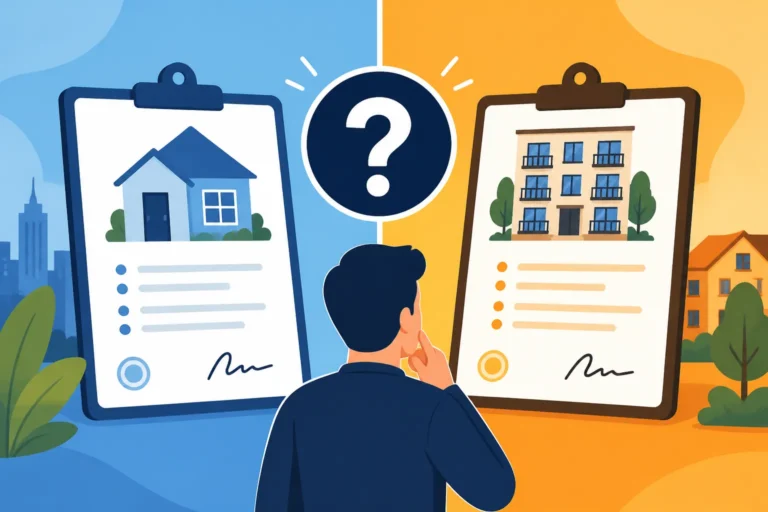
Fixed-Term vs. Month-to-Month Leases
The type of lease you have significantly impacts your options for early termination.
- Fixed-Term Leases: This is the most common type of rental agreement, typically lasting for six months or a year, but sometimes longer. With a fixed-term lease, you’ve committed to paying rent for the entire duration. If you break this agreement early without a legal justification, you could be liable for the remaining rent until the lease term expires or until the landlord re-rents the property, whichever comes first. This can be a substantial financial burden, especially in a place like Hawaii where rental costs are notoriously high. Imagine signing a 12-month lease for an apartment in Honolulu, and then three months in, you get an incredible job offer on the mainland. If you just up and leave, you could be on the hook for nine months of rent! That's a huge sum, and it’s why understanding your options is so crucial.
- Month-to-Month Leases: These agreements offer much more flexibility. Instead of a set end date, the tenancy renews automatically each month. To terminate a month-to-month lease, either you or your landlord typically needs to provide a written notice, usually 30 days in advance, though some agreements might specify a different period. This type of lease is ideal if you anticipate needing to move relatively soon or prefer not to be tied down to a long-term commitment. Always check your specific agreement for the exact notice period required, as it can vary.
Important Clauses to Review Before Breaking a Lease
Your lease agreement might contain specific clauses that address early termination, making your path a little clearer – or more complicated.
- Early Termination Clause: Some leases include a specific "early termination" or "break lease" clause. This is like a pre-nuptial agreement for your rental. It will usually outline the conditions under which you can terminate the lease early, such as providing a certain amount of notice (e.g., 30 or 60 days) and paying an early termination fee. This fee is often equivalent to one or two months' rent. While paying an extra month or two of rent might sting, it’s often a far better deal than being responsible for the entire remaining lease term. Always look for this clause first, as it provides a clear roadmap. If you find one, make sure you follow its instructions to the letter to avoid further penalties. Services like LawDepot can help you understand standard lease language, but always refer to your specific document.
- Subletting and Assignment Clauses: Even if there isn't an early termination clause, your lease might allow for subletting or assigning the lease.
- Subletting means you find someone (the subtenant) to live in your place and pay rent to you, and you, in turn, remain responsible to the landlord for the rent and the property. Think of it as passing the baton but still being on the team.
- Assignment means you transfer your entire lease agreement to a new tenant, who then becomes directly responsible to the landlord. This is more like completely handing off the baton and leaving the team.
Hawaii law allows tenants to sublet or assign their lease unless the lease agreement specifically prohibits it. Even if prohibited, it’s always worth asking your landlord for permission. Sometimes, a landlord might be willing to allow it if you find a qualified replacement tenant, especially if it means avoiding a vacant unit. This can be a great way to minimize your financial liability.
Legal Justifications for Breaking a Lease in Hawaii Without Penalty
There are specific situations where Hawaii law permits tenants to break a lease early without facing penalties. These are your "get out of jail free" cards, but you must meet certain criteria and follow proper procedures. It's not enough to simply feel justified; you need to have a legal basis.
Active Military Duty Servicemembers Civil Relief Act
Hawaii is home to a substantial military population, and the federal Servicemembers Civil Relief Act (SCRA) offers crucial protections for active duty military personnel. If you are an active duty servicemember and you receive orders for a permanent change of station (PCS) or a deployment for 90 days or more, you have the legal right to terminate your lease early.
To do this, you must:
- Provide Written Notice: Deliver written notice to your landlord of your intent to terminate the lease.
- Attach Orders: Include a copy of your official military orders (PCS or deployment) or a letter from your commanding officer confirming your orders.
- Timing: The lease termination becomes effective 30 days after the date on which your next rent payment is due, following the delivery of your notice. For example, if you give notice on May 15th, and rent is due on the 1st of each month, your lease would terminate on July 1st.
This is a vital protection for those serving our country, ensuring they aren’t penalized for orders beyond their control. For more detailed information, you can also look into resources like Military (SCRA) Lease Termination Step-by-Step.
Uninhabitable Living Conditions and Landlord Neglect
Landlords in Hawaii have a legal responsibility to provide a safe and habitable living environment. This is known as the "implied warranty of habitability." If your landlord fails to maintain the property to a reasonable standard, and these conditions make your home unsafe or unhealthy, you may have grounds to break your lease.
What constitutes "uninhabitable"? It goes beyond minor inconveniences. We're talking about serious issues like:
- Lack of Essential Services: No running water, hot water, electricity, or adequate heating (though heating is less common an issue in Hawaii, air conditioning can be vital in many units).
- Structural Problems: Unsafe electrical wiring, damaged roofs, or severe plumbing leaks that aren't repaired promptly.
- Pest Infestations: Persistent issues with rats, cockroaches, bed bugs, or termites that the landlord fails to address. This is a particularly common problem in Hawaii's climate.
- Mold: Significant mold growth due to leaks or poor ventilation that the landlord ignores. Given Hawaii's humidity, mold can be a serious health concern.
Before you can break your lease under these grounds, you must follow a specific process:
- Provide Written Notice of the Problem: Inform your landlord in writing about the specific repair issues. Document everything – dates, descriptions, photos, and copies of all correspondence.
- Allow Reasonable Time for Repairs: Give your landlord a reasonable amount of time to make the necessary repairs. What’s "reasonable" can depend on the severity of the issue. For an emergency like a burst pipe, it might be 24-72 hours. For less urgent repairs, it could be a few days or weeks. Hawaii law generally specifies certain timeframes for different types of repairs.
- If Unresolved: If the landlord fails to make the repairs within the reasonable timeframe, you might then have the right to break the lease. Some states also allow for "repair and deduct" options, but exercising these rights requires careful adherence to the law to avoid jeopardizing your position. You can find more information about How Long Does a Landlord Have to Make Repairs By State. It’s always best to consult with a local housing authority or attorney if you're considering this route.
Landlord Harassment or Privacy Violations
Your landlord has certain rights, but so do you, including the right to "quiet enjoyment" of your rental property. If your landlord repeatedly violates your privacy or engages in harassment, this can be grounds for breaking your lease.
Examples of landlord harassment or privacy violations include:
- Illegal Entry: In Hawaii, landlords must typically provide at least 48 hours' notice before entering your unit, and they can only enter for legitimate reasons (e.g., repairs, inspections, showing the property). Repeated entries without proper notice or consent are a serious violation.
- Utility Shut-offs: A landlord cannot legally shut off your utilities (electricity, water, gas) to force you out. This is considered a "self-help eviction" and is illegal.
- Changing Locks: A landlord cannot change your locks without a court order, even if you are behind on rent.
- Threats or Intimidation: Any form of verbal or physical threat, intimidation, or persistent disruptive behavior by the landlord can constitute harassment.
Again, documentation is key. Keep a detailed log of all incidents, including dates, times, descriptions of what happened, and any witnesses. Send written notices to your landlord about these violations. If the behavior persists, you may have legal grounds to terminate your lease. This is closely related to the concept of Constructive Eviction Explained.
Domestic Violence, Sexual Assault, or Stalking
Hawaii law provides specific protections for tenants who are victims of domestic violence, sexual assault, or stalking. If you are a victim, you may have the right to break your lease early to ensure your safety and well-being.
To legally break your lease under these circumstances, you will typically need to:
- Provide Written Notice: Give your landlord written notice of your intent to vacate.
- Provide Documentation: Attach specific documentation, such as a temporary restraining order, an order for protection, a police report, or a statement from a qualified third party (e.g., a domestic violence counselor or medical professional) verifying the incident.
The law is designed to allow victims to escape dangerous living situations without being trapped by a lease agreement. The specific requirements can vary slightly, so consulting a local domestic violence advocacy group or legal aid organization is highly recommended for guidance.
Negotiating an Early Lease Termination with Your Landlord
Even if you don't have a legal justification to break your lease without penalty, communication is often your best tool. Many landlords prefer to work with tenants to find a solution rather than dealing with a vacant unit and potential legal battles.
Open Communication and Written Agreements
The most crucial step in any negotiation is clear, open, and honest communication. As soon as you know you need to move, reach out to your landlord.
- Be Upfront: Explain your situation clearly and calmly. While you don't need to overshare every detail of your personal life, a brief, professional explanation of your circumstances (e.g., "I've accepted a job out of state" or "I'm facing a family health crisis") can often elicit more empathy than a vague statement.
- Propose Solutions: Instead of just saying "I need to break my lease," come to the table with potential solutions. Offer to help find a new tenant, suggest a lease buyout fee, or ask if they'd be willing to switch to a month-to-month arrangement for a short period.
- Get Everything in Writing: Any agreement you reach with your landlord, no matter how amicable, must be put in writing and signed by both parties. This protects both of you. A simple email exchange isn't enough; you need a formal addendum to your lease or an early termination agreement. You could use a template from a service like TurboTenant or similar platforms to ensure all necessary details are included. This documentation is vital, preventing misunderstandings down the line.
Finding a Replacement Tenant Mitigation of Damages
One of the most powerful arguments you can make when negotiating with your landlord is to help them find a suitable replacement tenant. In Hawaii, landlords have a "duty to mitigate damages." This means they cannot simply let the property sit vacant and expect you to pay rent for the entire lease term. They are legally required to make reasonable efforts to re-rent the property.
- Your Role in Mitigation: While the legal duty is on the landlord, you can significantly help your own cause by actively participating in finding a new renter.
- Offer to show the apartment to prospective tenants.
- Share listings on social media or local housing groups (e.g., Facebook groups for Oahu or Maui rentals).
- Pre-screen potential applicants to save your landlord time.
- Qualified Tenants: Emphasize that you will only present qualified tenants who meet the landlord's usual screening criteria (credit score, income, rental history). Your goal isn't just any tenant, but one the landlord would happily approve.
- Documentation: Keep records of your efforts to find a new tenant, including dates you advertised, responses received, and names of people you showed the property to. This demonstrates your good faith efforts, which can be useful if a dispute arises later. This is part of the broader topic of Landlord Duty to Mitigate Damages Explained.
Offering a Buyout Option
If all else fails, offering a lease buyout is often a viable option. This means you propose paying your landlord a lump sum in exchange for them agreeing to terminate your lease early.
- How it Works: The buyout amount is typically negotiated and often ranges from one to three months' rent. For instance, if you have six months left on a $2,000/month lease, you might offer a $4,000 buyout. This gives the landlord immediate cash to cover potential vacancy costs and the hassle of finding a new tenant, and it limits your liability.
- Benefits for Both Sides: For you, it provides a clear end date to your financial responsibility and peace of mind. For the landlord, it guarantees some income and avoids the uncertainty and potential legal fees of pursuing you for unpaid rent.
- Formalize the Agreement: Just like with any other negotiation, ensure the buyout agreement is in writing, signed by both parties, and clearly states that all your obligations under the original lease are terminated upon payment of the buyout fee.
Consequences of Breaking a Lease Illegally in Hawaii
If you break your lease without a legal justification and without negotiating an agreement with your landlord, you could face significant repercussions. It’s crucial to understand these potential consequences before making a rash decision.
Financial Ramifications
The most immediate and impactful consequence is financial liability.
- Remaining Rent: You will likely be responsible for paying rent for the remainder of the lease term, or until the landlord finds a new tenant, whichever comes first. Remember the landlord's duty to mitigate damages in Hawaii, but that doesn't absolve you of responsibility until a new tenant is secured. If they struggle to find a new renter, those months can quickly add up.
- Loss of Security Deposit: Your landlord will almost certainly withhold your entire security deposit to cover lost rent, cleaning, or damages beyond normal wear and tear. In some cases, the amount they deduct might be less than the actual cost, which could lead to disputes. Understanding What Can a Landlord Deduct From a Security Deposit is essential.
- Additional Fees and Costs: Your lease might specify penalties for early termination. You could also be charged for re-rental costs, such as advertising fees, tenant screening fees, or commissions paid to a real estate agent.
- Legal Action: If the financial damages are substantial, your landlord could sue you in small claims court or district court to recover the unpaid rent and other costs. If they win, you could be ordered to pay the owed amounts, plus court costs and potentially the landlord's attorney fees. This could even lead to wage garnishment or liens on your assets. You may need to review Suing a Landlord for Your Deposit Small Claims Penalties if a dispute arises.
Impact on Rental History and Credit Score
Beyond immediate financial costs, breaking a lease can have lasting negative effects on your ability to rent in the future and your credit standing.
- Damaged Rental History: Future landlords almost always ask for references from previous landlords. If your former landlord reports that you broke a lease, it can make it extremely difficult to secure new housing. Many landlords view a broken lease as a major red flag, indicating unreliability. This can be particularly challenging in competitive rental markets across Hawaii.
- Negative Credit Report: If your landlord has to send your account to collections or obtains a court judgment against you for unpaid rent, this information will appear on your credit report. A damaged credit score can impact your ability to get loans, mortgages, or even certain jobs, sometimes for years.
- Eviction Record: While breaking a lease isn't always an "eviction" in the traditional sense, if your landlord initiates formal eviction proceedings because you moved out and stopped paying rent, an eviction on your record is a serious black mark that most landlords will automatically reject. It's why understanding What Happens If You Break a Lease is so important.
| Legal Justification for Breaking a Lease in Hawaii | Requirements | Potential Financial Liability | Impact on Rental History |
|---|---|---|---|
| Active Military Duty (SCRA) | Written notice + copy of military orders (PCS/Deployment 90+ days) | None | None |
| Uninhabitable Conditions | Written notice to landlord, reasonable time for repairs, no resolution. | None | None |
| Landlord Harassment/Privacy Violations | Documented pattern of illegal entry, utility shut-offs, threats, etc. | None | None |
| Domestic Violence/Sexual Assault/Stalking | Written notice + specific legal documentation (restraining order, police report) | None | None |
| Negotiated Agreement | Mutual written agreement with landlord (e.g., early termination fee, finding subtenant) | As per agreement | None (if amicable) |
| Breaking Lease Illegally | No legal justification or agreement with landlord | Remaining rent, lost deposit, fees, legal costs | Negative |
Disclaimer
This article is for general informational purposes only and does not constitute professional advice. Laws and regulations vary by location and change over time. Consult a qualified professional for guidance on your specific situation.