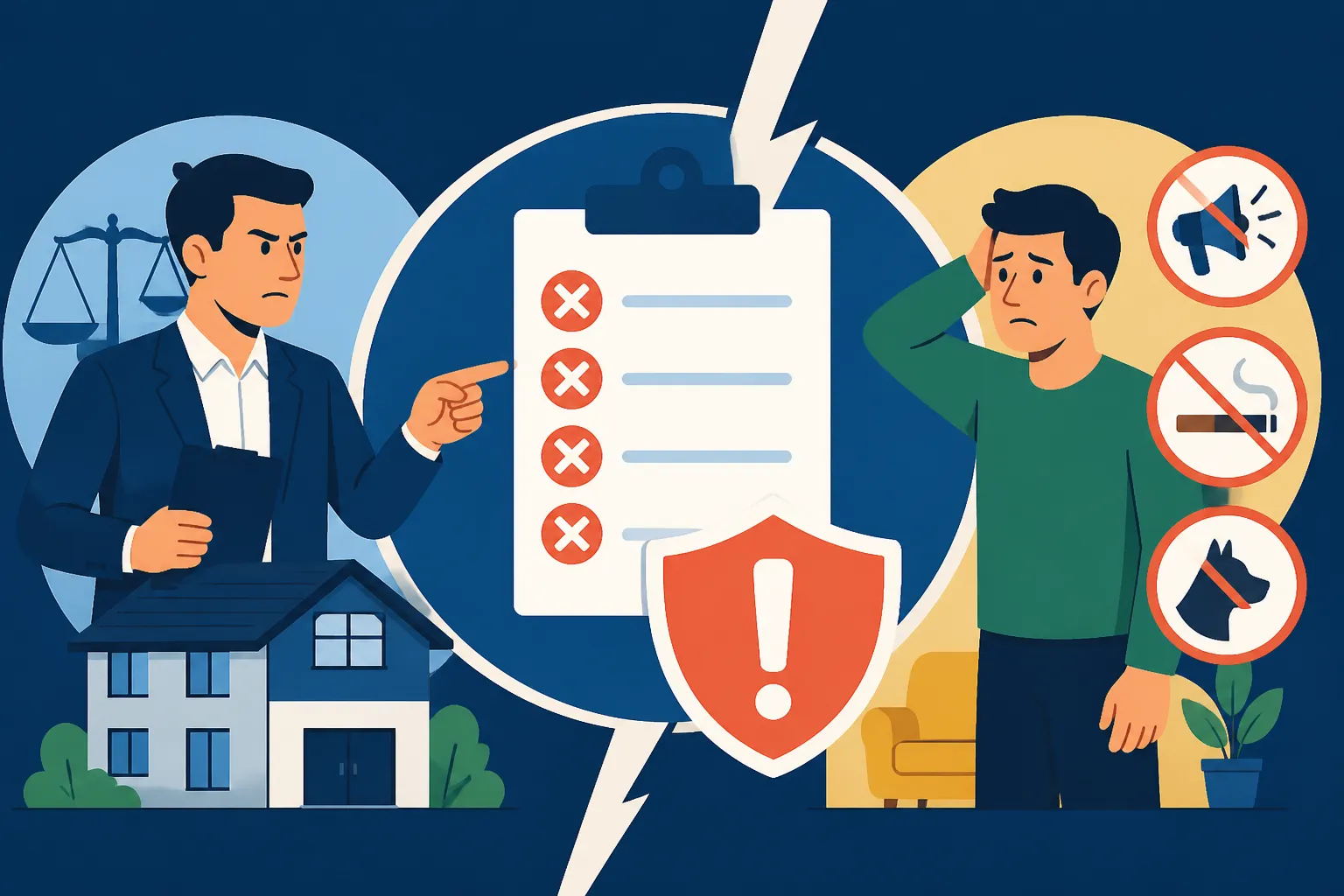
Lease Violations & What Counts
It's incredibly frustrating and often confusing when you're faced with a potential lease violation, whether you're a tenant worried about doing something wrong or a landlord trying to understand if a tenant's action truly crosses the line. The reality is, what constitutes a "lease violation" isn't always cut and dry, and the consequences can be significant for everyone involved. This comprehensive guide will peel back the layers of landlord-tenant law, helping you clearly define what counts as a lease violation, what doesn't, and how to navigate these often tricky situations.
Understanding the Foundation of a Lease Agreement
Before we can even begin to talk about violations, we need to understand the bedrock of any rental relationship: the lease agreement itself. Think of it as the constitution of your tenancy, a legally binding contract that outlines the rights and responsibilities of both the landlord and the tenant. Without a clear understanding of this document, it's impossible to properly assess whether a violation has occurred.
The Purpose of a Lease in Landlord-Tenant Relationships
At its heart, a lease agreement serves as a protective shield for both parties. For tenants, it guarantees their right to inhabit the property for a specified period, typically one year, at a set rent. It also defines the landlord's obligations, such as maintaining a habitable living space and respecting the tenant's privacy. Without this agreement, tenants could face arbitrary rent increases or sudden demands to vacate, leaving them in a precarious position.
From a landlord's perspective, the lease is crucial for ensuring a steady income stream and protecting their property investment. It stipulates when and how rent must be paid, what activities are prohibited, and the conditions under which the property must be returned. It’s the tool that allows landlords to enforce rules, maintain property value, and address issues like damages or unpaid rent. Without a well-drafted lease, a landlord's ability to manage their property effectively and recover costs from irresponsible tenants would be severely hampered, turning what should be a straightforward business transaction into a chaotic free-for-all.
Many landlords use online platforms or legal document services, like those offered by LawDepot, to ensure their leases are comprehensive and legally sound for their specific state, covering all the necessary clauses that define the relationship.
Key Components of a Legally Binding Lease
A lease isn't just a simple piece of paper; it's a detailed contract that needs to cover a lot of ground to be truly effective and legally binding. The core of any good lease includes fundamental information such as the names of all parties involved (landlord and all adult tenants), the exact address of the rental property, and the specific start and end dates of the tenancy. Without these basics, the agreement is essentially a handshake deal, which can quickly fall apart.
Beyond the basics, a robust lease will meticulously detail the rent amount, the due date, acceptable payment methods, and any penalties for late payments. It should also outline who is responsible for utilities, how and when maintenance requests should be made, and the rules regarding repairs. Critically, it will also include specific clauses regarding security deposits, including the amount, how it will be held, and the conditions for its return, as detailed in our guide on Security Deposit Laws by State (2026). Clauses around pets, guest policies, noise regulations, and rules for alterations to the property are also vital, often preventing future disputes. This comprehensive documentation creates a clear expectation for both landlord and tenant, minimizing misunderstandings and providing a legal framework for addressing any disagreements that might arise.
Common Types of Lease Violations
When most people think of lease violations, a few major issues usually come to mind. These are the big ones, the actions that most directly impact a landlord's financial interests or the physical state of the property. Understanding these common pitfalls is the first step toward prevention for tenants and effective enforcement for landlords.
Non-Payment or Late Payment of Rent
This is arguably the most common and immediate lease violation, and it's a huge stressor for both sides. For a tenant, failing to pay rent on time, or at all, can quickly lead to severe consequences. The lease agreement explicitly states the rent amount, the due date (often the first of the month), and typically a grace period, if any. Missing this deadline, even by a few days, can trigger late fees, which are also usually outlined in the lease. Continual late payments or outright non-payment, as explored in Eviction for Nonpayment of Rent, are a direct breach of one of the most fundamental tenant obligations.
From a landlord's perspective, rent is their primary income, covering mortgage payments, property taxes, and maintenance costs. A tenant's failure to pay can put the landlord in a precarious financial situation. If rent isn't paid, landlords are legally entitled to begin the eviction process, usually starting with a "Notice to Pay or Quit." This formal notice informs the tenant they must pay the overdue rent within a specified number of days (e.g., 3 or 5 days, depending on state law) or face eviction. Ignoring this notice almost invariably leads to further legal action, culminating in an eviction lawsuit and potential damage to the tenant's rental history.
Unauthorized Occupants or Subletting
Many leases have strict clauses about who can live in the property and whether subletting is allowed. This isn't just about control; it's about safety, liability, and often, property wear and tear. If a tenant moves in a new roommate who isn't on the lease, or quietly rents out a spare room to someone without the landlord's knowledge or permission, they are likely in violation. Landlords screen tenants carefully for a reason, checking credit, criminal history, and past rental references. An unauthorized occupant bypasses this critical process, posing potential risks to the property and other residents.
Subletting without permission is a similar violation. Some leases explicitly forbid it, while others allow it only with prior written consent from the landlord, as discussed in Subletting & Lease Assignment Explained. The issue here is that the original tenant remains responsible for the unit, but they've essentially handed over control to someone the landlord hasn't vetted. This can lead to increased wear and tear, potential damage, and difficulties in collecting rent if the subtenant defaults. Many landlords include clauses that require any new resident staying beyond a certain number of days (e.g., 14 days) to be added to the lease or approved as an occupant. Ignoring these clauses is a clear breach that can lead to notices to cure the violation or face eviction.
Property Damage Beyond Normal Wear and Tear
This is a classic battleground between landlords and tenants when the lease ends. A lease implicitly requires tenants to maintain the property in good condition, allowing for "normal wear and tear." However, significant damage that results from tenant negligence or abuse is a clear violation. This can range from large holes punched in walls, broken windows, damaged appliances, or heavily stained carpets that go far beyond what's expected from everyday living.
Distinguishing between normal wear and tear versus actual damage can be tricky, which is why a thorough Normal Wear and Tear vs Damage: Complete Guide is essential. For instance, faded paint or minor scuffs on the floor are usually considered normal wear. A large, irreparable stain from spilled wine or a deep gouge in the hardwood floor from dragging furniture, however, would be considered damage. Landlords typically have the right to use a tenant's security deposit to cover the cost of repairing such damage. If the damage exceeds the deposit amount, the tenant could be liable for additional costs. This is why a detailed move-in inspection report, ideally with photos or videos, is incredibly important for both parties to prevent disputes down the line. Many landlords use tools like TurboTenant to streamline this documentation process, ensuring clear records from day one.
Violations of Pet Policies
Pet policies are often a source of contention and one of the most frequently violated lease terms. Many properties are strictly "no pets allowed," while others permit pets with specific rules, such as breed restrictions, weight limits, and required pet deposits or monthly pet rent, as detailed in Pet Deposit vs Pet Rent vs Pet Fee. A tenant bringing an unauthorized pet into a no-pet unit, or bringing a forbidden breed into a pet-friendly unit, is a direct breach of the lease.
The rationale behind these policies is multifaceted. Pets can cause damage, create noise disturbances, or trigger allergies in other residents. Landlords also face increased liability risks with certain breeds. Even if a tenant believes their pet is well-behaved, the act of violating the explicit pet clause is serious. Often, a landlord will issue a "cure or quit" notice, giving the tenant a short period to remove the animal or face eviction. It's crucial for tenants to understand these rules from the outset and to never assume a small, quiet pet will go unnoticed or be tolerated. Always communicate with your landlord if your circumstances change regarding pets, rather than risking a violation.
Less Obvious but Equally Serious Violations
While non-payment of rent or major property damage are clear-cut violations, other actions, though perhaps less dramatic, can be just as serious and disruptive to a tenancy. These often relate to the quality of life for other residents or the long-term integrity of the property itself.
Disturbing the Peace or Nuisance Behavior
Your lease agreement likely contains a clause about "quiet enjoyment" – both your right to it, and your obligation not to disturb others. This means tenants are expected to conduct themselves in a manner that doesn't disrupt the peaceful enjoyment of neighbors. Persistent loud music, excessive noise from parties late at night, constant barking dogs, or ongoing arguments that spill out into common areas can all fall under the umbrella of nuisance behavior. While a single instance of noise might be overlooked, a pattern of disruptive behavior, especially after warnings, is a definite lease violation.
This type of violation can be particularly challenging because it often relies on subjective judgment and neighbor complaints. However, if a landlord receives multiple credible complaints, they have a responsibility to act. They might issue a notice to cure the violation, requesting the tenant to cease the disruptive behavior. If the problem persists, especially in multi-unit buildings where noise travels easily, it can become a serious enough issue to warrant eviction, even if no physical damage has occurred. It boils down to respecting the community and the terms that ensure everyone can live comfortably.
Illegal Activities on the Property
This is a zero-tolerance area for most landlords, and rightly so. Engaging in illegal activities on the rental property is a grave lease violation and can have immediate and severe consequences. This includes, but isn't limited to, drug manufacturing or dealing, housing illegal firearms, or operating any type of illegal business. These actions not only violate state and federal laws but also put the property, other tenants, and the landlord at significant risk.
In such cases, landlords often have the right to issue an unconditional quit notice, meaning the tenant does not get an opportunity to "cure" the violation; they simply must move out. Depending on the severity and nature of the activity, law enforcement might also become involved. A landlord's property could be seized or subject to forfeiture if illegal activities are allowed to persist, which is why they are typically very aggressive in addressing these situations. The lease usually specifies that any illegal act, even if it doesn't involve criminal charges, can be grounds for termination. This also extends to activities that may not be illegal but violate specific community rules or local ordinances, like excessive garbage accumulation that attracts pests or creates a fire hazard.
Altering the Property Without Permission
Tenants often want to personalize their living space, and that's understandable. However, significant alterations to the property without the landlord's explicit written consent are almost always a lease violation. This can include painting walls a different color, installing permanent fixtures like shelves or ceiling fans, changing flooring, removing walls, or even making exterior modifications in a single-family home. The key here is "permanent" and "without permission."
Minor, temporary decorations like hanging pictures with small nails are usually acceptable and often fall under Normal Wear and Tear vs Damage: Complete Guide. But anything that fundamentally changes the structure, appearance, or functionality of the unit needs prior approval. Why? Because the landlord owns the property and has a right to control its condition and value. Unauthorized alterations can devalue the property, require costly repairs to revert, or even violate building codes. Many leases require tenants to return the property to its original condition upon move-out, which can be an unexpected financial burden if unauthorized changes were made. Always ask for permission in writing before undertaking any modifications, no matter how small they seem.
Neglecting Maintenance Responsibilities (Tenant's Part)
While landlords are primarily responsible for major repairs and maintaining the property's habitability, tenants also have specific maintenance responsibilities outlined in their lease and by law. Neglecting these duties can constitute a lease violation. Common tenant responsibilities include keeping the unit clean and sanitary, properly disposing of trash, using plumbing and electrical fixtures properly, and promptly reporting necessary repairs to the landlord. For example, if a tenant's failure to clean leads to a severe pest infestation or mold growth, that could be a violation.
Another common area is preventing damage from negligence, such as not reporting a leaky faucet that then causes significant water damage, or failing to properly ventilate a bathroom, leading to excessive mold. While a tenant generally isn't responsible for fixing major issues like a broken furnace, they are responsible for reporting it. If a tenant's actions, or inactions, exacerbate a problem or cause new damage, they can be held financially responsible. Landlords expect tenants to care for the property as if it were their own, preventing unnecessary deterioration. Neglecting these responsibilities can impact the property's value and can lead to deductions from the security deposit or even legal action if the costs are substantial. For guidance on reporting issues, consider our article on How to Request Repairs in Writing.
What Doesn't Always Count as a Violation
It's easy to jump to conclusions, but not every issue or minor inconvenience automatically constitutes a lease violation. There's a fine line between a landlord's expectations, a tenant's rights, and what the law actually defines as a breach of contract. Knowing this distinction can save a lot of unnecessary stress and legal wrangling.
Normal Wear and Tear
This is perhaps the most common area of dispute when a tenancy ends. Normal wear and tear refers to the deterioration that occurs naturally and inevitably over time with normal use of the property, without negligence, carelessness, accident, or abuse by the tenant or their guests. Examples include faded paint, minor scuffs on walls, worn carpet paths, small nail holes from hanging pictures, or a slightly leaky faucet that developed over months of use. These are expected costs of doing business for landlords.
The key distinction, as covered in Normal Wear and Tear vs Damage: Complete Guide, is that landlords cannot deduct the cost of repairing normal wear and tear from a tenant's security deposit. If a landlord tries to charge for these items, the tenant has strong grounds to dispute the deductions. It's an unfortunate reality that sometimes landlords try to pass on routine maintenance costs to tenants. However, the law generally protects tenants from this, requiring landlords to account for the natural aging of a property. Documenting the condition of the apartment extensively both at move-in and move-out is crucial for tenants to protect themselves against unfair charges related to wear and tear.
Minor Incidents or Isolated Disagreements
Living in close quarters, especially in apartment buildings, means minor incidents and disagreements are almost inevitable. A one-off noisy party, a temporary parking misunderstanding, or a neighbor dispute that gets a little heated but quickly resolves itself typically won't constitute a lease violation warranting formal action. The lease usually targets repeated patterns of behavior or significant breaches of its terms.
Landlords understand that people live their lives, and not every tiny infraction needs to be a legal battle. Most will prefer to address minor issues with a friendly reminder or a casual conversation rather than jumping straight to formal notices. It’s when these minor incidents escalate, become persistent, or directly violate a clear clause in the lease that they transition from simple annoyances to actionable violations. A landlord has a vested interest in maintaining good tenant relations, and overly aggressive enforcement of every tiny perceived slight can do more harm than good, leading to high tenant turnover and negative reviews.
Issues the Landlord is Responsible For
Sometimes, issues arise that tenants think might be their fault or a violation, but are actually the landlord's responsibility. The "implied warranty of habitability" means landlords have a legal duty to provide a safe, sanitary, and livable dwelling. This includes ensuring functioning plumbing, heating, electricity, and structural soundness, as outlined in Landlord Repair Responsibilities (What They Must Fix).
If the heating goes out in winter, or a major appliance provided by the landlord (like a refrigerator or oven) breaks down, this is generally not a tenant's fault or a lease violation. In fact, if a landlord fails to make necessary repairs in a timely manner after proper notification, they could be in violation of the lease and tenant rights, potentially leading to tenants having grounds to Withholding Rent for Repairs or even breaking the lease, as outlined in Legal Reasons to Break a Lease (SCRA, DV, Uninhabitable). Tenants are typically responsible for reporting these issues promptly, but the burden of repair falls squarely on the landlord. Understanding this distinction is vital for tenants to assert their rights and for landlords to fulfill their obligations.
The Landlord's Role in Addressing Violations
When a lease violation occurs, the ball is usually in the landlord's court. They have a legal responsibility to address the issue, but they must do so within the confines of the law, following specific procedures to ensure fairness and avoid accusations of illegal actions. This isn't just about protecting the property; it's about adhering to due process.
The Importance of Documenting Everything
For a landlord, documentation is paramount when dealing with lease violations. Every step, from the initial observation of a potential breach to the final resolution, needs to be meticulously recorded. This includes dates, times, specific details of the violation, any communication with the tenant (emails, letters, text messages), and photographic or video evidence if applicable. If a tenant is consistently disturbing neighbors, keeping a log of complaints, dates, and times from those neighbors is essential.
Without thorough documentation, a landlord's case against a tenant for a lease violation, especially in court, can quickly fall apart. Imagine trying to evict a tenant for property damage without "before" and "after" photos or receipts for repairs. It becomes a "he said, she said" scenario, which judges often view unfavorably. Furthermore, proper documentation protects the landlord from claims of retaliation or discrimination. It creates an undeniable timeline of events, proving that the landlord acted reasonably and followed established procedures. Platforms like TurboTenant often provide tools for landlords to track communications, maintenance requests, and violation notices, simplifying this crucial record-keeping.
Providing Proper Notice to Cure or Quit
Before a landlord can escalate a lease violation to an eviction, they almost always need to provide the tenant with formal notice. The type of notice depends heavily on the nature of the violation and state laws. The most common types are "Notice to Cure or Quit" and "Notice to Pay Rent or Quit," as discussed in Eviction Notice Types (Pay or Quit, Cure or Quit, Unconditional). A "Notice to Cure or Quit" typically gives the tenant a specific amount of time (e.g., 3, 5, 7, 10, or 30 days, depending on the state and violation) to correct the violation (e.g., remove an unauthorized pet, stop excessive noise, fix minor damage) or move out.
The notice must be in writing, clearly state the lease violation, reference the specific clause in the lease that was breached, and explain what the tenant needs to do to remedy the situation. It also needs to inform the tenant of the deadline for compliance. Serving this notice correctly is vital; many states have specific rules about how these notices must be delivered (e.g., certified mail, personal service). Failure to provide proper notice, or providing an incorrect notice, can lead to a judge dismissing an eviction case, forcing the landlord to start the entire process over again.
When Eviction Proceedings Begin
If a tenant fails to remedy the lease violation within the specified notice period, or if the violation is severe enough (like illegal activity) to warrant an unconditional quit notice, the landlord can then initiate formal eviction proceedings. This means filing an "unlawful detainer" lawsuit in court, which is the legal process to remove a tenant from a property. It's a formal and often lengthy process, not something to be taken lightly.
The eviction process varies significantly by state and even by municipality, but generally involves:
- Filing a Complaint: The landlord files a complaint with the appropriate court, outlining the reasons for eviction.
- Serving the Tenant: The tenant must be legally served with the court documents, informing them of the lawsuit and the court date.
- Court Hearing: Both parties present their case to a judge. The landlord must prove the lease violation and that proper notice was given. The tenant has the opportunity to present defenses.
- Judgment: If the judge rules in favor of the landlord, a judgment for possession is issued.
- Writ of Possession: If the tenant still doesn't leave, the landlord obtains a "writ of possession," which authorizes law enforcement (like a sheriff or marshal) to physically remove the tenant and their belongings.
It's crucial to understand that landlords cannot legally engage in "self-help" evictions, such as changing locks, shutting off utilities, or removing a tenant's belongings, regardless of how clear the violation. Such actions are illegal and can result in significant penalties for the landlord. The entire process, from notice to removal, can take weeks or even months, highlighting the importance of following every legal step correctly. For a full breakdown, check out How to Evict a Tenant.
Tenant's Rights and Defenses Against Alleged Violations
Just as landlords have rights, tenants are also protected by law and have specific defenses they can employ if accused of a lease violation. It's not always a straightforward process of accusation and immediate consequence; due process and tenant protections are firmly in place.
Right to Notice and Opportunity to Cure
One of the most fundamental rights a tenant has when accused of a lease violation is the right to proper notice and, in many cases, an opportunity to "cure" or fix the violation. As mentioned earlier, for most non-rent-related breaches, landlords must issue a "Notice to Cure or Quit." This isn't just a suggestion; it's a legal requirement in most jurisdictions. The notice must specify the violation, the lease clause that was breached, and clearly state what the tenant needs to do to rectify the situation within a given timeframe (e.g., 7 days, 14 days, 30 days).
This right provides a crucial safety net for tenants. It means a landlord can't just evict you on the spot for a minor infraction, nor can they proceed with eviction if you correct the issue within the specified period. For example, if you receive a notice for an unauthorized pet, you generally have the right to remove the pet within the notice period, and then the landlord cannot proceed with eviction based on that specific violation. Understanding this right is vital; it gives tenants a chance to correct misunderstandings or accidental breaches before facing the serious implications of an eviction lawsuit.
Disputing False Allegations
It's entirely possible for a tenant to be wrongly accused of a lease violation. Misunderstandings, mistaken identity, or even malicious intent from neighbors or a landlord can lead to false allegations. In such cases, tenants have every right to dispute these claims and present their own evidence. This is where that diligent documentation we talked about earlier becomes a tenant's best friend.
If you're accused of property damage, provide your move-in photos and videos to show the condition before you moved in. If accused of excessive noise, gather statements from other neighbors who can attest to your quiet tenancy or provide evidence (like utility bills) that you were not even home at the time of the alleged disturbance. If the landlord claims you never reported a maintenance issue that later caused damage, provide copies of your written repair requests, as advised in How to Request Repairs in Writing. Don't just ignore a notice to quit; respond in writing, clearly stating why the allegation is false and providing any supporting evidence. This proactive approach can often resolve the issue before it escalates to court, or it can form a strong defense if it does.
Retaliatory Eviction as a Defense
Tenants are protected against retaliatory evictions. A retaliatory eviction occurs when a landlord attempts to evict a tenant (or otherwise harasses them) in response to the tenant exercising a legal right. This is a powerful defense if a tenant believes their landlord's accusation of a lease violation is not genuine but rather a thinly veiled attempt to get rid of them for a protected action.
Common examples of tenant actions that might trigger a retaliatory eviction include:
- Reporting the landlord to a housing authority or health department for code violations.
- Requesting necessary repairs that the landlord has neglected, especially for issues related to habitability (e.g., no heat, mold, pest infestation).
- Joining or organizing a tenant union.
- Withholding rent legally due to the landlord's failure to make repairs (where permitted by state law).
Most states have laws that create a presumption of retaliation if a landlord attempts to evict a tenant shortly after the tenant has engaged in a protected activity (e.g., within 90 days or 6 months). If you suspect you're facing a retaliatory eviction, immediately consult with a tenant rights organization or an attorney. You'll need to demonstrate that you engaged in a protected activity and that the landlord's eviction attempt is in direct response to that, rather than a legitimate lease violation.
Ramifications of Lease Violations for Both Parties
Lease violations aren't just minor disagreements; they carry tangible consequences that can significantly impact both tenants and landlords, sometimes for years to come. Understanding these ramifications underscores the importance of adhering to the lease and addressing issues promptly and legally.
Financial Penalties and Eviction for Tenants
For tenants, the most immediate and impactful consequence of a lease violation is often financial. Late rent payments, for example, typically incur late fees, which can accumulate quickly. If a tenant causes damage beyond normal wear and tear, they can expect the cost of repairs to be deducted from their security deposit, and if the damage exceeds the deposit amount, they may be sued for the remaining balance. Breaching a lease by moving out early, without legal justification, can result in penalties such as paying rent for the remainder of the lease term, as detailed in How Much Does It Cost to Break a Lease?.
Beyond monetary penalties, the ultimate consequence for severe or unrectified violations is eviction. An eviction on a tenant's record can be devastating. It makes finding future rental housing incredibly difficult, as most landlords conduct thorough background and eviction checks. It can also negatively impact a tenant's credit score, especially if unpaid rent or damages are sent to collections. The process of moving out, finding new housing on short notice, and potential court costs can also be a significant financial and emotional burden, leading to a cascade of problems that can take years to overcome.
Legal Costs and Reputation Damage for Landlords
While landlords initiate action against lease violations, they are not immune to consequences either. The eviction process, even for clear violations, can be costly and time-consuming. Legal fees, court costs, and the time spent on administrative tasks can quickly add up, easily reaching thousands of dollars. During the eviction process, the property often remains vacant or occupied by a non-paying tenant, representing lost rental income that can severely impact a landlord's bottom line. Property management tools like those offered by TurboTenant or legal document services such as LawDepot can help streamline some of the legal paperwork, but they don't eliminate the costs entirely.
Furthermore, a landlord's reputation can suffer. Accusations of illegal evictions, harassment, or unfair practices, even if unfounded, can spread quickly through online reviews and tenant communities. A poor reputation can make it harder to attract quality tenants, leading to longer vacancy periods and lower rental income. Landlords also run the risk of legal penalties if they don't follow proper procedures. Engaging in "self-help" evictions, failing to provide proper notice, or attempting a retaliatory eviction can result in fines, damages paid to the tenant, and even criminal charges in some jurisdictions. This underscores why landlords must act ethically and legally, no matter how frustrated they may be with a tenant.
Impact on Future Rental Opportunities
For both parties, the impact of unresolved lease violations can extend far into the future. A tenant with an eviction record or a history of breaking leases will face significant hurdles when applying for new rentals. Most prospective landlords will conduct a thorough background check that includes an eviction search and credit history, and a past eviction is a major red flag, often leading to immediate denial. Even if accepted, such tenants may be required to pay higher security deposits or find a guarantor. This lingering shadow can effectively limit housing options, forcing tenants into less desirable or more expensive living situations.
Similarly, landlords who are known for being overly litigious, ignoring maintenance issues, or using unfair practices can find it difficult to attract good tenants. In a competitive rental market, a landlord's reputation is a valuable asset. Negative word-of-mouth or online reviews highlighting unfair lease enforcement or difficult landlord-tenant relations can deter prospective renters, leading to increased vacancy rates and the burden of constantly screening new, potentially less qualified, applicants. Therefore, managing lease violations isn't just about the current situation; it's about preserving future stability and success in the rental market for everyone involved.
Preventing Lease Violations Through Clear Communication and Documentation
The best way to handle lease violations is to prevent them from happening in the first place. While some situations are unavoidable, many can be circumvented through clear, proactive communication and robust documentation from the very beginning of the tenancy.
Drafting a Comprehensive Lease Agreement
The cornerstone of preventing lease violations is a well-drafted, comprehensive lease agreement. This document should leave as little room for ambiguity as possible. It needs to clearly outline all expectations, rules, and consequences for both tenants and landlords. Think of it as a guide for how the tenancy will operate. Using a template from a reputable source, like LawDepot, or having a legal professional review your lease specific to your state’s laws, is a smart investment.
A good lease should cover:
- Specifics of Rent: Amount, due date, grace period, late fees, acceptable payment methods.
- Utility Responsibilities: Clearly state who pays for what (water, gas, electric, trash, internet).
- Maintenance & Repairs: Tenant's responsibilities for cleanliness and minor upkeep versus landlord's responsibilities for major repairs. A detailed guide like Landlord vs Tenant Repair Responsibilities can help flesh out these clauses.
- Pet Policy: State whether pets are allowed, any restrictions (breed, weight), pet fees, or pet rent.
- Occupancy Rules: Clearly define who can live in the unit and policies regarding guests and subletting.
- Alterations: Explicitly state that no alterations are allowed without written landlord consent.
- Noise & Nuisance: Include a clause on maintaining quiet enjoyment for neighbors.
- Entry Rights: Define the landlord's right to enter the property and required notice periods.
- Lease Termination & Renewal: Outline procedures for ending the lease and options for renewal, as seen in Lease Renewals & Automatic Renewal Clauses.
Having all these details spelled out in black and white minimizes misunderstandings and gives both parties a clear reference point if questions arise.
Regular Communication and Property Checks
Even with a perfect lease, communication is key. Landlords should establish an open line of communication with their tenants, encouraging them to ask questions and report issues promptly. Similarly, tenants should feel comfortable reaching out to their landlord if they're unsure about a specific rule or encounter a problem. A simple conversation can often prevent a minor issue from snowballing into a full-blown violation.
Regular, but always properly noticed, property checks or inspections can also be a preventative measure. For example, a landlord might conduct a walk-through halfway through a long-term lease, giving them an opportunity to identify minor issues before they become major problems, or to gently remind tenants of lease obligations they might be neglecting. This isn't about "spying" but about proactive maintenance and ensuring the property is being cared for. Any issues observed during these checks should be documented and communicated to the tenant in writing, giving them a chance to rectify the situation before it becomes a formal violation. Platforms like TurboTenant offer tools for landlords to schedule and document property inspections, which can be invaluable.
Utilizing Digital Tools for Lease Management
In today's digital age, there are numerous tools available that can significantly help both landlords and tenants manage their lease agreements and prevent violations. For landlords, property management software can help track rent payments, send automated late payment reminders, manage maintenance requests, and store all communication and documentation in one centralized place. This makes it much easier to identify patterns of violations and gather evidence if a formal process is needed.
For tenants, these platforms can provide a clear portal for paying rent, submitting repair requests, and reviewing their lease terms. Having easy access to this information and communication history can empower tenants to stay compliant and quickly address any concerns. When both parties leverage these tools, it creates a transparent and accountable environment, reducing the likelihood of misunderstandings and ensuring that any potential violations are addressed efficiently and fairly. The goal is to move beyond verbal agreements and scattered notes into a structured system that protects everyone involved.
Disclaimer
The information provided in this guide is intended for general informational purposes only and does not constitute legal advice. Landlord-tenant laws vary significantly by state and local jurisdiction. It is highly recommended to consult with a qualified attorney or housing expert for advice specific to your situation and location.