Security Deposit Return Deadline in Minnesota
Moving out of a rental can be a whirlwind of emotions and tasks, but nothing adds to the stress quite like the anxiety of waiting for your security deposit to come back. You've cleaned, packed, and said your goodbyes, only to find yourself wondering when—or even if—you'll see that money again. This guide is here to shed light on your rights as a tenant in Minnesota, specifically focusing on the security deposit return deadline and what you can do to ensure a smooth, timely return.
The Security Deposit Return Deadline in Minnesota
One of the most common questions on any renter's mind after moving out is, "How long does a landlord have to return my deposit?" In Minnesota, the law is pretty clear on this, aiming to protect tenants from indefinite waits. Generally, landlords in Minnesota have a specific window to return your security deposit or provide a detailed explanation for any deductions.
The Standard 21-Day Rule and Key Exceptions
Under Minnesota law, specifically Statute § 504B.178, your landlord has 21 days from the date you vacate the premises and provide a forwarding address to return your full security deposit. If they intend to keep any portion of it, they must also provide a written, itemized statement explaining exactly what was deducted and why. This isn't just a suggestion; it's a legal requirement.
Now, while 21 days is the standard, there are a couple of specific situations that can slightly alter this timeline:
- When the tenant leaves due to condemnation or the landlord selling the building: In less common scenarios where a tenant must vacate due to the building being condemned or the landlord selling it and failing to provide comparable housing, the deadline for the landlord to return the deposit or provide a statement of deductions is shortened to 5 days. This is designed to offer quicker resolution in situations where the tenant's displacement is largely out of their control. However, for most standard moves, the 21-day rule is what you'll encounter.
- Tenant's failure to provide a forwarding address: The 21-day clock doesn't truly start ticking until the landlord has your new address. If you move out without leaving a forwarding address, your landlord isn't obligated to send the deposit or statement until you provide one. It's in your best interest to give your landlord your new address in writing as soon as possible, ideally before you even move out, to kickstart that deadline.
It's crucial to understand these timeframes because missing them can have significant consequences for landlords, and knowing your rights empowers you as a tenant. For more details on state-specific deadlines, you can check out our comprehensive guide on How Long Does a Landlord Have to Return Your Deposit?.
When the Clock Starts Ticking
Understanding the precise moment the 21-day (or 5-day, in rare cases) countdown begins is vital. It's not just about the day you hand over the keys; it's a combination of factors under Minnesota law.
Firstly, the most straightforward trigger is when you officially vacate the premises. This usually means the day your lease ends, or the day you physically move out and turn in your keys, whichever is later. It's the point at which you no longer have access to the property.
Secondly, and equally important, is the moment your landlord receives your new or forwarding address. As mentioned, the 21-day period doesn't begin until the landlord has this information. Imagine a scenario where you move out on July 31st, but don't provide your forwarding address until August 10th. In this case, the 21-day deadline would start on August 10th, not July 31st. This is why many experienced renters make sure to include their forwarding address in their written notice to vacate, or provide it via certified mail shortly after moving out. This creates a clear paper trail and leaves no room for ambiguity regarding when the landlord received the necessary information. Sending it certified mail, return receipt requested, is always a smart move for proof.
Understanding Allowable Deductions from Your Security Deposit
The security deposit isn't just a lump sum that guarantees good behavior; it's also there to protect landlords against financial losses caused by a tenant's actions or inaction. However, landlords cannot simply keep your deposit for arbitrary reasons. Minnesota law, like most state laws, outlines specific reasons why a landlord can deduct from your security deposit.
Normal Wear and Tear vs. Damage
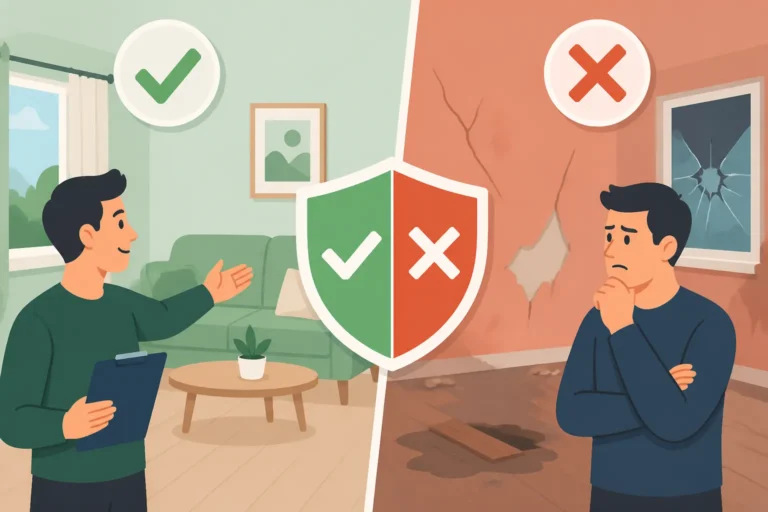
This is probably the most contentious area when it comes to security deposit disputes. Landlords often try to charge for every little imperfection, while tenants argue that things just naturally wear out over time. Minnesota law distinguishes clearly between "normal wear and tear" and actual damage.
Normal wear and tear refers to the deterioration that occurs with the regular, everyday use of the property. Think about things like:
- Fading paint from sunlight exposure
- Minor scuffs on walls from moving furniture
- Small nail holes from hanging pictures
- Worn carpet in high-traffic areas
- Loose door handles
- A little grime around light switches
These are the kinds of things that happen even in the most meticulously cared-for homes. They are expected, and landlords cannot deduct from your security deposit to fix them. It’s simply the cost of doing business as a landlord.
Damage, on the other hand, is caused by abuse, neglect, carelessness, or accident. This is what your security deposit is designed to cover. Examples include:
- Large holes punched in walls
- Broken windows
- Burns or large stains on carpets
- Missing fixtures
- Significant pet damage (deep scratches, urine stains that soak through)
- Water damage from an overflowing tub left unattended
The line can sometimes be blurry, but generally, if a reasonable person would agree that the issue goes beyond what naturally happens over time, it's likely considered damage. For a deep dive into this, our guide on Normal Wear and Tear vs Damage: Complete Guide is an excellent resource. You might also be interested in topics like Can a Landlord Charge for Carpet Replacement? or Can a Landlord Charge for Painting? to understand specific deduction rules.
Itemized Statements and Documentation
If your landlord decides to withhold any portion of your security deposit, Minnesota law requires them to provide a written, itemized statement within the 21-day (or 5-day) deadline. This statement isn't just a simple note saying, "We kept $300 for damages." It needs to be specific. It should list each deduction, describe the damage or reason for the charge, and specify the amount withheld for each item. For instance, it might say:
- "Repair large hole in bedroom wall: $150"
- "Professional cleaning due to excessive pet odors: $100"
- "Replacement of broken kitchen cabinet door: $75"
This level of detail is crucial. It allows you to understand exactly what you're being charged for and to dispute any charges you believe are unfair or inaccurate. The absence of such an itemized statement, or a statement that isn't sufficiently detailed, can be grounds for legal action. It signals that the landlord might not be following proper procedures. For landlords, using tools like TurboTenant can help generate clear itemized statements and manage these processes efficiently.
Beyond the statement, your landlord should ideally have documentation to back up their claims, such as photos or videos of the damage, receipts for repairs, or invoices from cleaning services. As a tenant, your own documentation (photos, videos from move-in and move-out) will be your best defense against unfair deductions. Learning how to navigate an Itemized Security Deposit Deduction Statement Explained can save you a lot of headache.
What to Do If Your Landlord Misses the Deadline or Makes Unfair Deductions
So, you’ve moved out, provided your forwarding address, and the 21-day deadline has passed. Or perhaps your landlord sent an itemized statement, but the deductions seem completely unreasonable. What now? Don't panic! Minnesota law provides clear avenues for tenants to reclaim their security deposit and challenge unfair withholdings.
Sending a Demand Letter
The first, and often most effective, step is to send a formal demand letter to your landlord. This isn't just a casual email or a phone call; it's a legal document that formally requests the return of your deposit and/or disputes the deductions. A strong demand letter should:
- Reference the Minnesota Statute: Cite Minnesota Statute § 504B.178, which governs security deposits, to show you know your rights.
- State the Facts: Clearly lay out the timeline – when you moved out, when you provided your forwarding address, and that the deadline has passed without receiving your deposit or a proper itemized statement. If you received a statement, clearly explain why you believe the deductions are unjust (e.g., normal wear and tear, pre-existing damage, no supporting documentation).
- Attach Evidence: Include copies of any relevant documentation, such as your lease agreement, move-in/move-out checklists, photos or videos, and copies of any correspondence with your landlord.
- Demand Specific Action: Clearly state what you expect – either the full return of your deposit or the disputed amount, and by what reasonable deadline (e.g., 7-10 days from the date of the letter).
- Mention Legal Consequences: Politely, but firmly, state that if the matter isn't resolved, you intend to pursue legal action, which could entitle you to significant penalties under Minnesota law (more on that in a moment).
Send this letter via certified mail, return receipt requested. This provides irrefutable proof that your landlord received it and when. Services like LawDepot can provide templates to help you craft a professional and legally sound demand letter. This step often prompts landlords to resolve the issue without further legal action, as they realize you're serious and informed. You can find detailed instructions in our guide on Security Deposit Demand Letter (How-To + Template).
Pursuing Legal Action in Small Claims Court
If a demand letter doesn't yield the desired results, your next step is likely to pursue the matter in small claims court, often referred to as Conciliation Court in Minnesota. This court is designed to handle disputes involving smaller sums of money without the need for expensive lawyers, making it accessible to tenants.
Here's what you need to know about small claims court in Minnesota:
- Jurisdiction Limits: In Minnesota, small claims courts can generally handle cases up to a certain dollar amount. As of my last check, this limit is typically $15,000. Your security deposit claim will almost certainly fall within this range.
- Tenant Penalties: This is where Minnesota law truly shines for tenants. If a landlord wrongfully withholds a security deposit, they can be liable to the tenant for the amount of the deposit withheld, plus double damages, along with a penalty of up to $500. On top of that, the landlord may be required to pay the tenant's attorney's fees if the tenant has to hire legal counsel. This "double damages" provision (also known as treble damages in some states for more severe cases) is a powerful deterrent against landlords trying to unlawfully keep deposits. You can read more about this in Double vs Treble Damages for Wrongful Withholding.
- Preparing Your Case:
- Gather all documentation: This includes your lease, proof of payment, move-in/move-out checklists, photos/videos, all correspondence with your landlord (especially your demand letter with proof of delivery), and any estimates or receipts for repairs you had to make yourself if the landlord failed to make them.
- File a complaint: You'll need to fill out a statement of claim at your local county's Conciliation Court. The court clerk can guide you through the process and provide the necessary forms.
- Serve the landlord: The landlord must be legally notified that you are suing them. The court will provide instructions on how to properly serve them.
- Attend the hearing: Present your case clearly and concisely to the judge or referee. Stick to the facts and use your documentation as evidence.
While the thought of going to court can be intimidating, remember that small claims court is designed to be less formal and more user-friendly. Many tenants successfully represent themselves. However, if your case is complex, or if you feel overwhelmed, consulting with a tenant rights attorney can be beneficial. They can help you understand your specific rights and the best course of action for Suing a Landlord for Your Deposit (Small Claims & Penalties). Knowing what to do If a Landlord Misses the Deposit Deadline is your key to recovering what's rightfully yours.
Preventative Measures for Tenants
The best defense is a good offense, right? When it comes to your security deposit, a little preparation and documentation can go a long way in preventing disputes before they even start. Taking proactive steps can protect you financially and make your move-out process significantly less stressful.
Documenting Move-In and Move-Out Conditions
This is, without a doubt, the single most important thing you can do to protect your security deposit. Memories fade, and perceptions differ, but clear, timestamped evidence speaks volumes.
At Move-In:
- Conduct a thorough inspection: Before you even unpack your first box, walk through the entire unit with a critical eye. Look for everything: scuffs on walls, scratches on floors, stains on carpets, chipped countertops, leaky faucets, non-working appliances, sticky windows, loose door handles, dirty vents, and more.
- Use a detailed checklist: Many landlords provide a move-in checklist. Fill it out meticulously, noting every pre-existing condition, no matter how small. If your landlord doesn't provide one, create your own or find a template online.
- Take photos and videos: This is absolutely crucial. Take clear, well-lit photos and videos of every room, every fixture, every appliance, and every corner. Zoom in on any existing damage, no matter how minor. Make sure the date and time are embedded in your photos or clearly noted. Some apps can help timestamp your media.
- Get it signed: If you use a landlord-provided checklist, make sure both you and your landlord (or their representative) sign and date it, and that you keep a copy. If they refuse to sign, document that refusal in writing.
- Send it to your landlord: Even if you both signed a checklist, send a copy of your detailed notes and a selection of key photos/videos to your landlord via email or certified mail within a few days of moving in. This creates an official record of communication. This kind of careful documentation is covered in our guide, How to Document Your Apartment at Move-In.
At Move-Out:
- Clean thoroughly: Do your absolute best to leave the apartment in the same condition (minus normal wear and tear) as when you received it. Follow your lease agreement's cleaning clauses, if any. While landlords generally can't charge you for routine cleaning from your deposit if you've already cleaned, excessive dirtiness can lead to deductions. Learn more about Move-Out Cleaning: What Tenants Must Do.
- Repeat the photo/video process: After everything is moved out and cleaned, take another comprehensive set of photos and videos. Document the pristine condition you're leaving the unit in. Pay special attention to areas that were previously damaged or areas that your landlord might try to claim suffered new damage.
- Compare and contrast: These move-out photos will be your direct evidence against any claims of new damage that weren't present at move-in.
This rigorous documentation process might seem like a lot of work, but it's your strongest safeguard against unwarranted security deposit deductions.
Knowing Your Rights Before You Sign
Before you even put pen to paper on a lease agreement, it's incredibly important to understand your rights as a tenant in Minnesota. A little knowledge upfront can prevent a lot of headaches later on.
- Understand Minnesota Security Deposit Laws: Familiarize yourself with Minnesota Statute § 504B.178. Knowing the deadlines, what landlords can and cannot deduct for, and the penalties for wrongful withholding puts you in a powerful position. Our pillar guide, Security Deposit Laws by State (2026), provides a great overview, and for specific monetary limits, check out Maximum Security Deposit Limits by State.
- Read Your Lease Carefully: Your lease is a binding contract. Understand every clause related to security deposits, cleaning expectations, move-out procedures, and notice periods. If anything seems unclear or unfair, ask for clarification or negotiation before you sign. Pay special attention to clauses about Pet Deposits, Last Month's Rent & Other Deposit Types, as these can impact your total move-in costs and how funds are applied.
- Ask for a Move-In Inspection: If your landlord doesn't offer one, request a joint move-in inspection. This is an opportunity for both parties to agree on the condition of the property before you take occupancy.
- Keep Communication Professional and Written: Always communicate with your landlord in writing, whether it's via email or certified mail. This includes repair requests, notices to vacate, and any discussions about the security deposit. This creates an undeniable paper trail should a dispute arise.
- Consider Renter's Insurance: While it doesn't directly affect your security deposit return, renter's insurance from providers like Lemonade can protect your personal belongings from damage or theft, and more importantly, provide liability coverage. If you accidentally cause significant damage to the property (e.g., a burst pipe because you left a faucet running), your renter's insurance could cover the repair costs, potentially preventing your landlord from needing to deduct from your security deposit for that damage. It's a smart financial safeguard.
- Know About Interest Requirements: Did you know that in Minnesota, landlords are required to pay interest on your security deposit? It's generally a noncompounded 1% per year. While it might not be a huge sum, it's still your money. Knowing this small detail is another sign that you're an informed tenant. For more on this, see Security Deposit Interest Requirements by State.
By being informed and meticulously documenting everything, you can significantly increase your chances of getting your full security deposit back on time, without unnecessary disputes or legal battles.
Minnesota Security Deposit Key Timelines
Here's a quick reference for the crucial security deposit timelines in Minnesota:
| Event | Standard Deadline | Exceptions / Notes | Relevant Law |
|---|---|---|---|
| Return of Deposit / Itemized Statement | 21 days | 5 days if tenant vacates due to condemnation or landlord sale. | MN Stat. § 504B.178(3) |
| Tenant Provides Forwarding Address | Within 1 business day of move-out | Required for the 21-day clock to begin ticking. | MN Stat. § 504B.178(3) |
| Landlord Pays Interest on Deposit | Annually | Must pay 1% simple noncompounded interest per year. | MN Stat. § 504B.178(2) |
| Tenant Must Respond to Deductions | Within a reasonable time | Best practice to respond within 7-10 days of receiving statement. | N/A (Best Practice) |
Disclaimer
Please remember that this article provides general information and is not a substitute for legal advice. Landlord-tenant laws can be complex and are subject to change. Always consult with a qualified attorney or housing authority in Minnesota for advice specific to your situation.