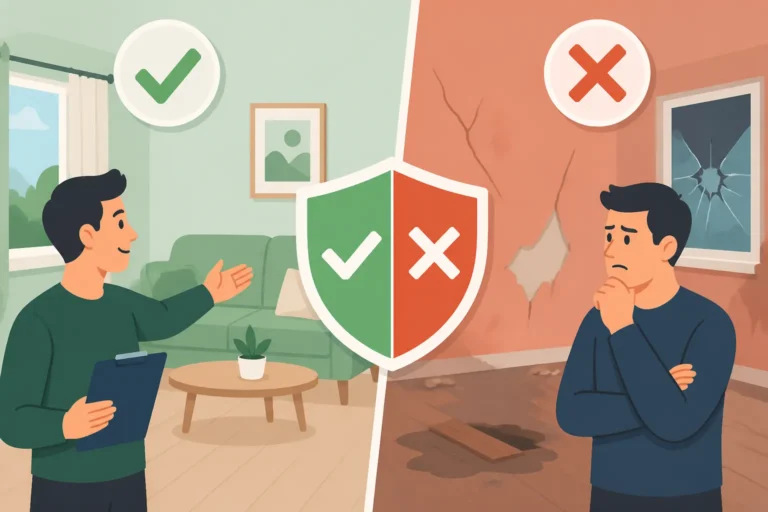
Security Deposit Return Deadline in Mississippi
Moving out of a rental can be one of the most stressful experiences, and after all the packing, cleaning, and heavy lifting, the last thing you want is a frustrating waiting game for your security deposit. Many tenants find themselves wondering, "How long exactly does my landlord have to return my money?" This guide is designed to cut through the confusion and explain the specific security deposit return deadline in Mississippi, empowering you with the knowledge to protect your rights and your hard-earned cash.
The Surprising Reality of Mississippi's Security Deposit Deadline
Unlike many other states that have clear, legislated timelines for landlords to return a tenant's security deposit, Mississippi operates a little differently. This often comes as a shock to renters who assume there's a standard 14, 21, or 30-day rule. It's a key area where tenant education can prevent a lot of headaches and disputes down the line.
No Statewide Statutory Timeline for Returns
Here's the deal: Mississippi law does not set a specific statutory deadline for landlords to return security deposits to tenants after they've moved out. This is a crucial piece of information, as it means you can't point to a particular state statute that dictates a 30-day, 45-day, or any other fixed period. This absence of a clear rule can certainly make the process feel ambiguous and leave tenants feeling vulnerable, which is a totally valid frustration. It puts a lot of emphasis on other factors, primarily your lease agreement.
Think about it: in a state like California, for example, landlords have 21 calendar days. In New York, it's 14 days. These clear-cut deadlines provide tenants with a firm expectation and a basis for action if the deadline is missed. In Mississippi, however, the playing field is different, and understanding this distinction is the first step toward safeguarding your deposit. This lack of a specific law can complicate matters significantly if you're trying to figure out how long a landlord has to return your deposit.
The Critical Role of Your Lease Agreement
Because there's no state-mandated deadline, your lease agreement becomes the most important document regarding your security deposit return. A well-drafted lease should outline the terms under which your security deposit will be returned, including any specific timeframe your landlord commits to.
Before you even sign a lease in Mississippi, it's absolutely vital to read every single clause, especially those pertaining to your security deposit. Look for language that specifies how and when your deposit will be returned, what deductions might be made, and the conditions for receiving an itemized statement. If your lease states the landlord will return the deposit within, say, 15 days, then that becomes the legally binding deadline. Many responsible landlords, especially those using professional tools, ensure their lease agreements are thorough and clear on this point. Tools like those offered by TurboTenant can help landlords create comprehensive lease agreements that, ideally, include clear stipulations for security deposit returns, which ultimately benefits tenants by providing transparency.
If your lease is silent on the matter, you're left in a less defined territory, which can be a source of real anxiety for tenants. This is why thorough preparation and understanding your lease, or negotiating its terms before you move in, are so important.
What "Reasonable Time" Means in Practice
So, what if your lease agreement doesn't specify a return deadline? In the absence of a written agreement or state law, general legal principles typically dictate that the landlord must return the security deposit within a "reasonable time."
Now, "reasonable time" can feel like a vague, frustrating concept, and it is! What one person considers reasonable, another might find completely unacceptable. Generally, courts in Mississippi, if a dispute were to escalate to that level, would look at various factors to determine what constitutes "reasonable." This could include the complexity of any damages, the landlord's usual business practices, and the local rental market customs. While there's no hard-and-fast rule, a period of 30 to 45 days is often considered a general guideline for what might be "reasonable" in common landlord-tenant practice, especially if repairs or cleaning are necessary. However, without it being stipulated in your lease or by state law, it's open to interpretation, which isn't ideal for anyone. This situation underscores why proactive steps like documenting your apartment at move-in are so incredibly important.
Common Reasons Landlords May Keep Your Deposit
Even if your landlord does return your deposit within a "reasonable time" or the timeframe specified in your lease, they might not return the full amount. Understanding what a landlord can deduct from a security deposit is just as crucial as knowing the timeline. No one wants to be hit with unexpected charges, and in Mississippi, where specific timelines are less rigid, understanding permissible deductions is key to challenging unfair withholdings.
Distinguishing Between Damage and Normal Wear and Tear
This is perhaps the most frequent point of contention between landlords and tenants. Landlords are generally allowed to deduct from your security deposit for actual damages that go beyond "normal wear and tear." But what does that even mean?
- Normal wear and tear refers to the natural deterioration of a property over time from regular use. This includes things like faded paint, minor scuffs on walls, worn carpet in high-traffic areas, or loose grout in the bathroom. These are expected costs of doing business for a landlord, and you shouldn't be charged for them.
- Damage, on the other hand, is deterioration that occurs due to abuse, neglect, or carelessness by the tenant or their guests. Examples include large holes in walls, stained carpets, broken windows, missing fixtures, or significant scratches on hardwood floors.
The line between the two can sometimes be blurry, but generally, if something breaks or is significantly altered due to tenant action, it's considered damage. Knowing this distinction is vital for understanding your rights, and we have a complete guide on normal wear and tear vs damage to help clarify things even further.
Unpaid Rent, Utilities, or Early Termination Fees
Your security deposit is primarily there to protect the landlord financially. This means if you owe your landlord money at the end of your tenancy, they can typically deduct it from your deposit. Common deductions in this category include:
- Unpaid Rent: If you leave owing a month's rent, your landlord can certainly take it from the deposit. This is one of the most straightforward deductions.
- Unpaid Utilities: If your lease specifies that you are responsible for certain utilities (like water, gas, or electricity) and you fail to pay them, leaving the landlord with a bill, they can deduct that amount.
- Early Termination Fees: If you break your lease early without a legally justifiable reason (such as military deployment or uninhabitable conditions), your lease might include an early termination clause or liquidated damages that your landlord can enforce and deduct from your security deposit. This is why understanding what happens if you break a lease is so important.
It's always best to ensure all your financial obligations are met before you move out to avoid these types of deductions.
Lack of Proper Cleaning After Move-Out
While landlords cannot charge you for general wear and tear, they can deduct for cleaning that goes beyond what's necessary to return the unit to the condition it was in at the start of your tenancy, accounting for normal wear and tear. This doesn't mean you need to hire professional cleaners every time, but it does mean leaving the apartment reasonably clean.
Think about it: a landlord can expect a similar level of cleanliness to when you moved in. If you leave behind excessive dirt, grime, or trash, or don't clean appliances, bathrooms, or kitchens to a reasonable standard, your landlord can hire cleaners and deduct the cost from your security deposit. This is why a thorough move-out cleaning is essential. Often, tenants feel they've cleaned sufficiently, only for a landlord to disagree. This highlights the importance of documentation, which we'll discuss next.
Your Action Plan If Your Deposit is Withheld or Delayed
So, you've moved out, you've waited a "reasonable time" (or past the deadline in your lease), and your security deposit hasn't been returned, or you've received an itemized statement with deductions you strongly disagree with. What now? Don't panic! You have options, and being organized and persistent is key. This is where you really need to put on your advocate hat.
Gathering Your Evidence and Initiating Contact
The first step is always to gather all your documentation. This is your arsenal if things go south. Compile:
- Your Lease Agreement: The original document clearly outlining the security deposit terms.
- Move-in Checklist/Inspection Report: Any document you and your landlord signed at the beginning of your tenancy detailing the unit's condition.
- Photos/Videos: Crucial evidence of the unit's condition both when you moved in and when you moved out. Dates and timestamps are golden here. This is why a move-in / move-out inspection guide is so vital.
- Correspondence: Any emails, texts, or letters between you and your landlord about repairs, issues, or your move-out.
- Receipts: For any cleaning services you hired or repairs you made.
- Forwarding Address: Proof that you provided your landlord with a current forwarding address for the return of your deposit.
Once you have your ducks in a row, send a polite, but firm, written inquiry to your landlord. Remind them of your move-out date and your forwarding address, and ask for an update on your security deposit. Keep a copy of this communication for your records. Sometimes, a gentle nudge is all it takes.
Sending a Formal Demand Letter
If your initial inquiry goes nowhere, or if you receive an unsatisfactory response (or an itemized deduction statement that you dispute), the next step is to send a formal Security Deposit Demand Letter. This isn't just a friendly reminder; it's a legal document that formally requests the return of your deposit and details why you believe you are entitled to it.
A demand letter should include:
- Your name, former address, and forwarding address.
- The date you moved out.
- The amount of your original security deposit.
- A clear statement that you are demanding the return of your deposit (or the undisputed portion).
- If deductions were made, a detailed explanation of why you dispute them, referencing your evidence (e.g., "The deduction for carpet replacement is disputed as photos from [date] show the carpet was in good condition, and any wear is normal wear and tear.").
- A deadline for the landlord to respond (e.g., 7 or 10 business days).
- A statement that you intend to pursue further legal action if the deadline is not met.
You can find templates for a security deposit demand letter online, or use legal document services like LawDepot to help you draft a professional and effective letter. Always send this letter via certified mail with a return receipt requested. This provides you with irrefutable proof that the landlord received it, and that's crucial evidence if you need to escalate matters. This is a critical step in what to do if a landlord misses the deposit deadline.
Exploring Small Claims Court Options
If your demand letter doesn't yield results, your next recourse is typically small claims court. While Mississippi doesn't specify monetary penalties for landlords who wrongfully withhold deposits (unlike states that allow for double or treble damages), you can still sue for the amount of the deposit wrongfully withheld.
The small claims court process is generally designed to be accessible to individuals without a lawyer, though it can still be intimidating. Here's a general idea of what's involved:
- File a Complaint: You'll need to file a complaint (or "statement of claim") with the appropriate Justice Court in the county where the rental property is located. This document outlines why you believe the landlord owes you money. There will be a filing fee, which you might be able to recover if you win your case.
- Serve the Landlord: The landlord must be formally notified (served) with the court papers.
- Court Hearing: Both parties present their case to a judge. This is where all that evidence you diligently collected comes into play. Photos, videos, the lease, the demand letter, and certified mail receipts are all vital.
- Judgment: If the judge rules in your favor, they will issue a judgment ordering the landlord to pay you the owed amount.
While going to court can seem daunting, knowing your tenant rights if a landlord won't return a deposit is empowering. Small claims court is specifically designed for these types of disputes and can be an effective way to recover your money.
Proactive Strategies to Safeguard Your Security Deposit
The best defense is a good offense, right? When it comes to your security deposit, being proactive throughout your tenancy can significantly increase your chances of getting your full deposit back without a fight. Don't wait until move-out day to start thinking about it!
Documenting Everything from Day One
This is, hands down, the most important piece of advice anyone can give you about your security deposit. When you move into a new place, document its condition thoroughly.
- Move-In Checklist: Complete any move-in checklist provided by your landlord with extreme care. Be specific. Don't just check "good" if there's a small chip in the counter; write "small chip on left side of kitchen counter."
- Photos and Videos: Take copious photos and videos of every single room and every single surface before you bring in your belongings. Pay special attention to areas prone to disputes: walls, floors, carpets, appliances, countertops, bathroom fixtures, and windows. Make sure your photos are date-stamped, or hold up a newspaper with the current date in your video. This is your concrete proof of the unit's condition at the start of your lease.
- Keep Copies: Always keep copies of all signed documents, including the move-in checklist and your lease.
Do the exact same thing when you move out. After all your belongings are out and the unit is cleaned, take another round of detailed photos and videos. This side-by-side comparison is your strongest weapon if your landlord tries to claim new damages or an unclean apartment. This process of documenting your apartment at move-in and move-out is your best protection.
Understanding Your Lease Terms Thoroughly
We've already touched on this, but it bears repeating: your lease agreement is your rulebook. Before you sign anything, read it cover to cover. Don't skim. If you don't understand a clause, ask for clarification.
- Security Deposit Clause: Pay specific attention to the section about the security deposit. Does it mention a return deadline? Does it list specific conditions for deductions? Are there any non-refundable fees included (which are generally illegal for security deposits but sometimes landlords try to sneak them in)?
- Maintenance and Repairs: Understand your responsibilities for maintaining the property versus the landlord's. This helps clarify who is responsible for specific repairs and prevents future disputes over damages.
- Cleaning Requirements: Does the lease specify any particular cleaning standards for move-out? Some leases might require professional carpet cleaning, for instance.
Knowing these details upfront empowers you. You can even negotiate certain terms before signing if you feel they are unfair or unclear. Remember, a lease is a contract, and you have a right to understand what you're agreeing to.
Clear Communication Throughout Your Tenancy
Maintaining open, respectful, and written communication with your landlord throughout your tenancy can head off many problems before they start.
- Repair Requests: If something breaks or needs repair, always notify your landlord in writing. Keep copies of these requests and any responses. This proves you didn't neglect issues and that you gave your landlord a chance to address them.
- Property Issues: If you notice a pre-existing issue that wasn't on your move-in checklist, or if accidental damage occurs, inform your landlord promptly and in writing. It's better to be upfront than to have them discover it later and assume the worst.
- Move-Out Notice: Provide your landlord with proper written notice when you intend to vacate, as required by your lease and state law. Confirm your forwarding address in writing.
Good communication fosters a better landlord-tenant relationship and can make the difference between a smooth security deposit return and a drawn-out dispute. When both parties are clear on expectations and responsibilities, disagreements are less likely to arise.
Mississippi Security Deposit Laws at a Glance
For quick reference, here's a summary of the key aspects of Mississippi's security deposit laws:
| Feature | Mississippi Law |
|---|---|
| Return Deadline | No statutory deadline. Landlords must return within a "reasonable time" or as specified in the lease agreement. |
| Maximum Deposit Amount | No statutory limit. The amount is typically determined by market rates and landlord policy (often 1-2 months' rent). |
| Itemized Statement | No statutory requirement for an itemized statement of deductions. However, landlords are generally expected to provide one in practice or if requested. |
| Non-Refundable Fees | Generally, a "security deposit" must be refundable. However, "non-refundable fees" (like a pet fee) may be charged if explicitly stated in the lease. |
| Security Deposit Interest | No statutory requirement for landlords to pay interest on security deposits. |
| Wrongful Withholding Penalties | No statutory penalties (e.g., double/treble damages) for wrongful withholding. Tenants can sue for the amount wrongfully withheld in small claims court. |
This table highlights the areas where Mississippi's laws are less prescriptive than many other states, emphasizing the importance of your lease agreement and proactive tenant behavior.
Final Thoughts on Your Security Deposit in Mississippi
Navigating the world of security deposits in Mississippi can feel a bit like wading through murky waters, especially with the lack of a clear statewide return deadline. But don't let that deter you! By understanding that your lease agreement is paramount, meticulously documenting the condition of your rental, and maintaining clear communication, you significantly empower yourself.
Remember, your security deposit is your money. Taking these proactive steps and knowing your rights will put you in the strongest position possible to ensure its prompt and fair return. If you do encounter issues, don't hesitate to consult with legal aid services or a local attorney specializing in landlord-tenant law.
Disclaimer
Please remember that this article provides general information and guidance regarding landlord-tenant laws in Mississippi. It is not intended as legal advice. Laws can change, and individual situations vary. For specific legal advice regarding your unique circumstances, always consult with a qualified attorney in your jurisdiction.