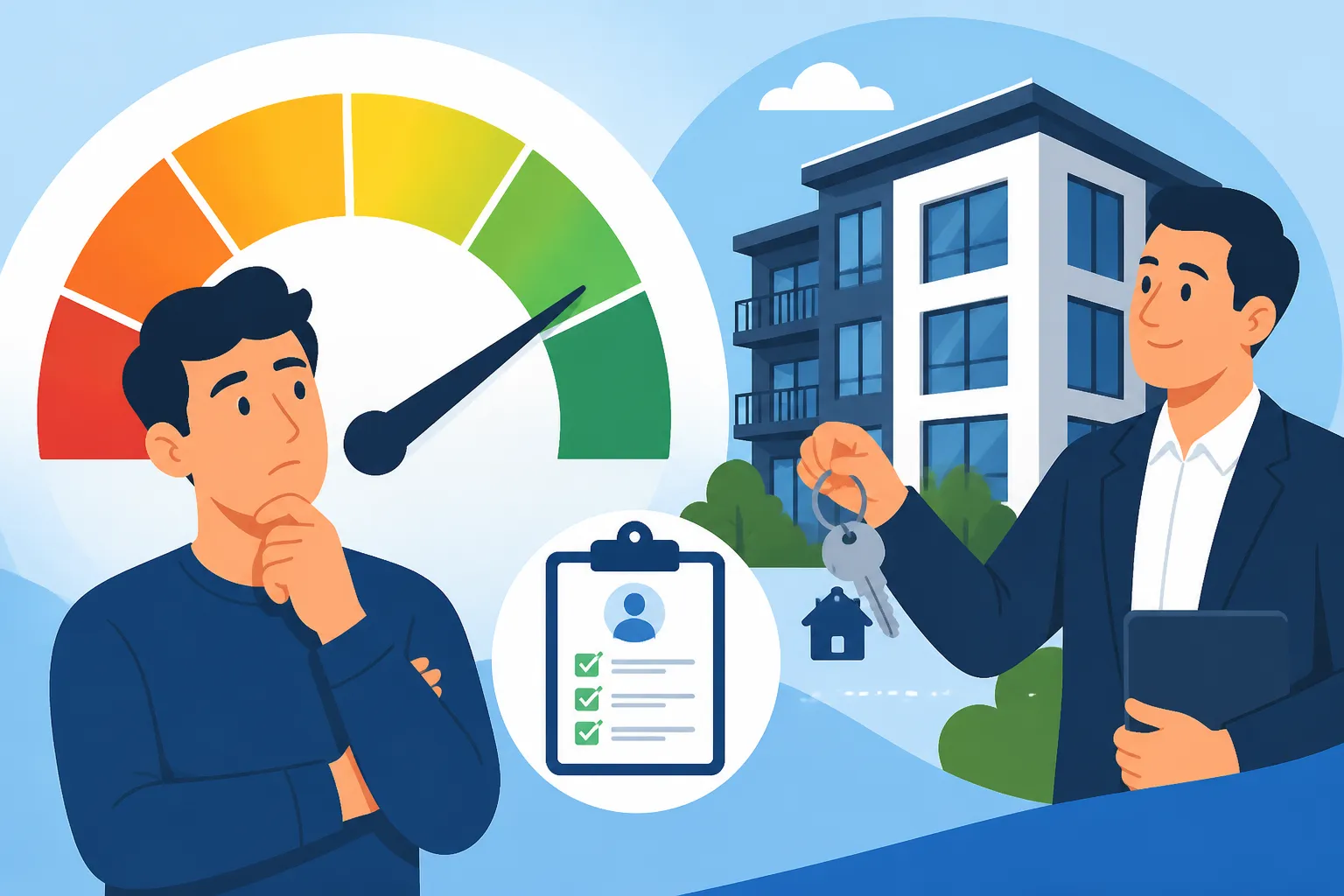
What Credit Score Do You Need to Rent an Apartment?
It's incredibly common to feel like you're jumping through hoops when applying for an apartment, especially when it comes to that big, looming question mark: your credit score. Many of us have stared at our credit report, wondering if the numbers are "good enough" or if a past financial hiccup will automatically shut us out. It's a stressful part of the rental process, leaving countless people anxious about their housing prospects. This comprehensive guide will peel back the layers of mystery, explaining what credit score landlords generally look for, why it matters, and what you can do to secure your dream rental, even if your credit isn't picture-perfect.
Understanding Credit Scores and Rental Applications
Your credit score isn't just a number; it's a quick summary of your financial reliability. For landlords, it’s a crucial tool, often the first line of defense in assessing a potential tenant. They want to know you're likely to pay your rent on time, and your credit history offers a glimpse into how you've handled financial obligations in the past.
What is a Credit Score and Why Does it Matter to Landlords?
At its heart, a credit score, like a FICO score or VantageScore, is a three-digit number that evaluates your creditworthiness. It's calculated based on factors like your payment history (do you pay bills on time?), amounts owed (how much debt do you have?), length of credit history (how long have you had credit?), new credit (how often do you apply for new credit?), and credit mix (do you have different types of credit like credit cards and loans?). These scores typically range from 300 to 850, with higher numbers indicating lower risk.
For a landlord, your credit score is a powerful predictor. If you've consistently paid your credit card bills, car loans, and student loans on time, it suggests you'll treat your rent payment with the same diligence. Conversely, a history of late payments, collections, or high debt could signal that you might struggle to meet your monthly rent obligations. Imagine a landlord, Maria, reviewing applications for her charming duplex in Portland. She sees one applicant with a strong payment history and low debt, another with a few recent missed payments, and a third with a high credit card balance. The credit score helps Maria quickly prioritize who appears to be the most financially stable choice, reducing her risk of having to pursue an Eviction for Nonpayment of Rent down the line. Many landlords, especially those managing a few properties, rely on services like TurboTenant to get a quick snapshot of an applicant's financial health, including their credit score, as part of their broader tenant screening process.
The Landlord's Perspective: What They're Really Looking For
While the credit score is a major piece of the puzzle, landlords are looking at the bigger picture of your financial responsibility. They're trying to minimize vacancies, avoid costly evictions, and protect their property, and your financial habits play a huge role in that.
First and foremost, they're assessing risk. Will you pay rent on time, every time? Will you be able to cover unexpected expenses that might arise? A good credit score reassures them. But they also delve into the details of your report. They're not just looking at the number but also the type of derogatory marks. A forgotten medical bill might be less concerning than a recent eviction or a history of bounced checks. They're trying to differentiate between a minor oversight and a pattern of financial instability.
Beyond your credit report, landlords often consider other factors that speak to your financial capability, such as your income (are you earning enough to comfortably cover the rent, typically 3x the rent amount?), employment history (are you stable in your job?), and previous rental history (do you have positive references from past landlords?). It's a holistic review. For instance, a landlord might be willing to overlook a slightly lower credit score if you have a stable job with a high income, a flawless rental history, and can provide excellent references. This comprehensive review helps them make a confident decision about who will be a responsible tenant for their property.
Common Credit Score Ranges for Renting
It would be so much easier if there was one universal "magic number" for renting, wouldn't it? Unfortunately, it's not quite that simple. What one landlord considers acceptable, another might view differently. However, we can look at general ranges to give you a clearer idea of where you stand.
The "Ideal" vs. "Acceptable" Score
When you're trying to figure out What Credit Score Do You Need to Rent an Apartment?, it's helpful to think in terms of ideal, acceptable, and challenging ranges.
- Excellent/Ideal (750-850 FICO; 700-850 VantageScore): If your score falls into this range, congratulations! You're in a fantastic position. Landlords will likely see you as a low-risk tenant with a strong history of managing finances responsibly. You might even have an edge in competitive rental markets, demonstrating superior financial stability. For many property managers using systems like TurboTenant for screenings, a score in this range will flag you immediately as a prime candidate.
- Good (670-749 FICO; 650-699 VantageScore): This is typically the sweet spot for most rental applications. A score in this range signals that you're a reliable and trustworthy borrower. While not "perfect," it's certainly solid, and most landlords will be comfortable approving you, assuming your other qualifications (income, rental history) are also strong. Many rental companies set their minimum acceptable score within this bracket.
- Fair (580-669 FICO; 600-649 VantageScore): This is where things can get a little more challenging, but it's by no means a deal-breaker. A fair score might indicate some past financial struggles, like a few late payments or higher credit utilization. Landlords might look more closely at the rest of your application to understand the context. They may require additional assurances, such as a higher Security Deposit Limits by State or a co-signer. It’s worth noting that smaller, independent landlords might be more flexible with these scores than large apartment complexes.
- Poor (300-579 FICO; 300-599 VantageScore): This range typically presents the most significant hurdle. A poor credit score often points to a history of missed payments, collections, or even bankruptcies. While it’s certainly not impossible to rent with a poor score, you'll need to be prepared to offer stronger mitigating factors, which we'll discuss next. Landlords will likely view you as a high-risk applicant and may deny your application outright unless you can provide significant reassurance. If you are worried about whether Can a Landlord Deny You for Bad Credit?, this is the score range where it becomes a real concern.
Here’s a quick overview of typical ranges:
| Credit Score Range (FICO) | Typical Landlord Perception | Likelihood of Approval | Common Mitigating Factors Needed |
|---|---|---|---|
| 750-850 (Excellent) | Very Low Risk | High | Rarely needed |
| 670-749 (Good) | Low Risk | High | Strong income & references help |
| 580-669 (Fair) | Moderate Risk | Moderate to Low | Co-signer, higher deposit, strong income |
| 300-579 (Poor) | High Risk | Low | Strong co-signer, significant deposit, prepaid rent |
Factors Beyond the Score: A Holistic View
While your credit score is a major player, it’s not the only card in your hand. Landlords are savvy business people, and they understand that life happens. Many will take a holistic view of your application, meaning they look at several factors together to get a complete picture of you as a potential tenant.
Your income-to-rent ratio is often paramount. Most landlords prefer that your gross monthly income is at least three times the monthly rent. If rent is $1,500, they want to see you earning at least $4,500 per month. This ratio ensures you can comfortably afford the rent and still have enough left over for other living expenses. Your employment history also matters; a stable job with a consistent income speaks volumes about your ability to meet financial obligations.
Rental history is another huge piece. Have you had positive relationships with previous landlords? Did you pay on time? Did you leave the property in good condition? Many landlords will contact your previous landlords to ask for references, so make sure yours are positive. A solid rental history can often compensate for a less-than-stellar credit score. For instance, if you have a great track record of paying on time, but a recent medical emergency impacted your credit, explaining this situation and showing consistent rental payments can go a long way. This is why a document like a Move-In / Move-Out Inspection Guide can be so important for tenants, demonstrating you cared for the property.
Finally, your overall financial picture includes your debt-to-income ratio. Even with a good income, if you have exorbitant student loan payments, car payments, and credit card debt, a landlord might view you as a higher risk because less of your income is truly discretionary for rent. They're looking for someone who demonstrates comprehensive financial responsibility, not just a good number on a credit report. When landlords utilize tools like TurboTenant for tenant screening, they're often presented with a comprehensive report that includes not only the credit score but also a breakdown of these other crucial financial indicators, offering a much more rounded perspective.
What If Your Credit Score Isn't Perfect? Strategies for Renters
It’s easy to feel defeated if your credit score isn't in the "excellent" or "good" range. But don't despair! There are many proactive steps you can take and alternative strategies you can employ to strengthen your rental application and convince a landlord you'll be a responsible tenant. Getting an apartment, even with a lower score, is absolutely possible.
Building Your Case with Strong Alternatives
If your credit score is holding you back, it's time to get creative and offer additional assurances. Think of it as building a stronger overall profile to outweigh that single concern.
One of the most common and effective solutions is finding a co-signer or guarantor. This is someone (usually a parent, close family member, or trusted friend) with excellent credit and a stable income who agrees to be legally responsible for the rent if you fail to pay. This significantly reduces the landlord's risk, as they have another party to pursue for payment. It's an arrangement that essentially says, "Even if my credit isn't perfect, someone else trustworthy stands behind my commitment." Understanding What Is a Lease Guarantor / Cosigner? can clarify their role and responsibility.
Another strategy is to offer a larger security deposit or pre-pay several months' rent. While states have Maximum Security Deposit Limits by State, offering two or even three months' rent upfront (if allowed by law) can be a powerful incentive. It shows the landlord you have significant financial reserves and are serious about fulfilling your obligations. However, always verify local laws regarding maximum security deposits and pre-payment of rent, as these can vary widely. Some states, like Massachusetts, have very strict limits. Alternatively, some landlords might be open to Security Deposit Alternatives (Rhino, Jetty, Surety Bonds), which can reduce the upfront cash burden while still offering the landlord financial protection.
Providing strong personal and professional references can also make a huge difference. Think about employers, professors, or former landlords who can attest to your reliability, character, and work ethic. A glowing letter from a previous landlord detailing your prompt rent payments and care for the property can be incredibly persuasive. If you're a recent graduate with little credit history, this type of reference is especially valuable.
Proactive Steps to Improve Your Credit
While you might be in a hurry to find an apartment, taking steps to improve your credit is always a wise long-term strategy. It won't instantly change your score overnight, but consistent effort will pay off.
First, obtain a copy of your credit report from all three major bureaus (Experian, Equifax, TransUnion) through AnnualCreditReport.com. Review it meticulously for any errors or inaccuracies. Mistakes happen, and disputing them can sometimes lead to a quick bump in your score. For instance, a payment you made on time might be inaccurately reported as late.
Next, focus on payment history, which is the biggest factor in your score. Make sure all your bills—credit cards, loans, utilities, even phone bills—are paid on time, every time. Setting up automatic payments can be a lifesaver here. If you have outstanding debts, try to pay down high-interest credit card balances. A lower credit utilization ratio (the amount of credit you're using compared to your total available credit) can positively impact your score.
Consider getting a secured credit card if you have very little credit history. These cards require a deposit, which acts as your credit limit, making them less risky for lenders. Using it responsibly and paying on time can help build positive credit history. For those wondering, How to Get Approved for an Apartment With Bad Credit? often involves a combination of these proactive steps and presenting a strong alternative case. Remember, building credit takes time, but every positive action contributes to a more secure financial future.
Communicating Transparently with Potential Landlords
Sometimes, the best approach is honesty and transparency. If you know your credit score isn't ideal, don't try to hide it. Instead, be prepared to address it head-on.
When you submit your application, include a brief, clear, and professional letter of explanation. For example, if you had medical debt that went to collections but is now paid off, explain the situation calmly and confirm its resolution. If you experienced a period of unemployment but are now stably employed, share that. Focus on what you've learned and how you've changed your financial habits. For a landlord, understanding the context can turn a red flag into a minor concern.
During your conversation, emphasize your strengths: a stable job, strong income, excellent references, or a willingness to offer a larger deposit. Highlight your reliability and how seriously you take your commitments. Show them you've done your homework and are a responsible, proactive individual. Many landlords appreciate direct communication and the effort you put into addressing potential concerns. While tools like TurboTenant make the initial credit check seamless for landlords, a compelling personal narrative can definitely influence their final decision, especially for independent landlords who value trust and open communication.
Disclaimer
Please remember that this guide offers general information and is not a substitute for legal advice. Landlord-tenant laws vary significantly by state and even by city. Always consult with a qualified legal professional or a local housing authority for advice specific to your situation and location.